
Are you considering adding a touch of serenity to your backyard? A duck pond is an excellent choice, offering not only visual appeal but also numerous benefits for both you and the environment. Not only do they provide a tranquil oasis, but they can also help with pest control, attract wildlife, and even boost your property value.
If you’re thinking about creating a thriving ecosystem on your own land, this article is here to guide you through the process. We’ll explore the benefits of having a duck pond, share expert advice on care and maintenance tips, and show you how to create a harmonious balance between nature and your living space. With proper planning and attention, a duck pond can become a stunning centerpiece that brings joy and tranquility to your home.
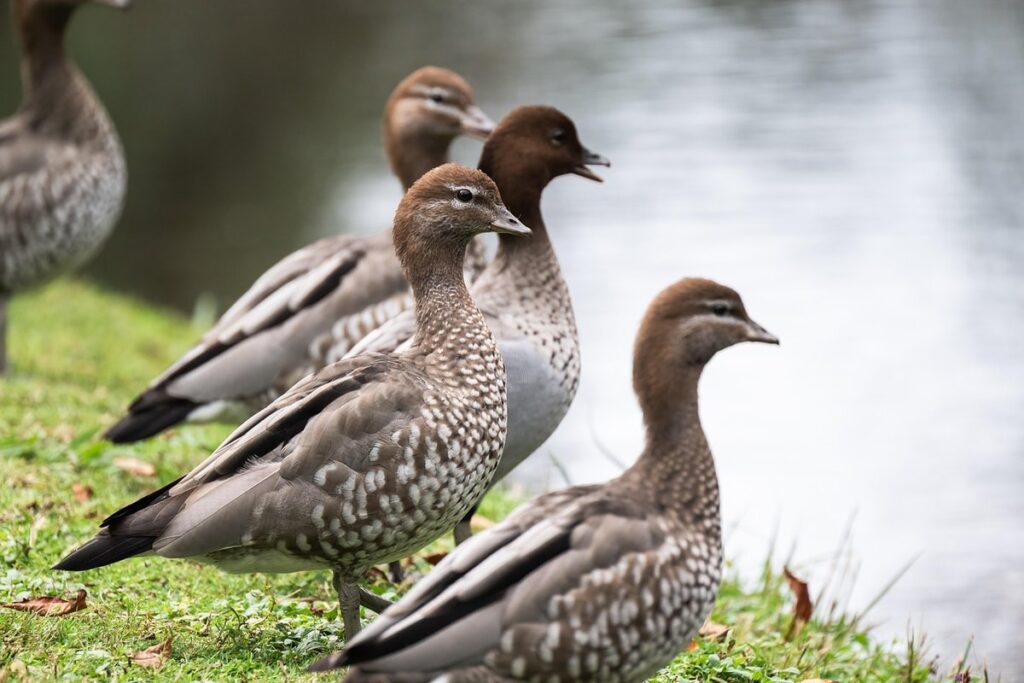
Introduction to Duck Ponds
Welcome to the world of duck ponds, where water and wildlife come together in perfect harmony. Here we’ll introduce you to the basics of creating a thriving duck pond ecosystem.
What is a Duck Pond?
A duck pond is a small body of water, usually artificial, designed to attract and accommodate ducks and other waterfowl. Its purpose goes beyond just providing a home for these birds; it also serves as a beautiful and peaceful addition to a backyard or landscape. Typically, a duck pond is found on private properties, farms, or rural areas where space permits.
In recent years, the popularity of duck ponds has been on the rise, with many homeowners and farmers incorporating them into their outdoor spaces. According to a survey by the American Society for Horticultural Science, over 30% of households in the United States have a small pond or water feature, such as a duck pond. This trend is likely driven by the desire for a relaxing and immersive connection with nature.
Duck ponds can range from simple to elaborate, depending on the design and features included. They may incorporate plants, walkways, and even decorative elements like fountains or sculptures. Whether you’re a seasoned gardener or just starting out, creating a duck pond requires careful planning and attention to maintenance. In our next section, we’ll delve into the benefits of having a duck pond, including its impact on local wildlife and your own well-being.
History of Duck Ponds
Duck ponds have been a staple in many cultures for centuries, serving as both functional water features and aesthetic additions to properties. The concept of duck ponds dates back to ancient civilizations, where they were used primarily for water storage, irrigation, and even recreational purposes.
In China, duck ponds have been an integral part of traditional landscaping since the Song Dynasty (960-1279 AD). These ponds not only provided a source of clean water but also created a serene atmosphere for meditation and contemplation. The Japanese too adopted this concept, incorporating koi ponds with ducks in their serene gardens to create a harmonious balance between nature and architecture.
In Europe, duck ponds were often used as ornamental features in grand estates and manor houses during the 18th century. They not only added to the aesthetic appeal but also served as a source of entertainment for families. As agriculture and urbanization evolved, the function of duck ponds expanded to include fish farming and water treatment.
Today, duck ponds continue to be an essential element in many gardens and properties worldwide, serving as both functional and decorative features. Whether used for recreational purposes or as a natural water filtration system, duck ponds have come a long way from their humble beginnings.
Benefits of Having a Duck Pond
Having a duck pond can bring a sense of serenity and joy to your backyard, but what are some specific benefits that make them so worthwhile? Let’s dive into the advantages of having one!
Wildlife Conservation and Habitat Creation
Having a duck pond on your property is not only a beautiful addition to your landscape, but it also plays a vital role in supporting local ecosystems. These bodies of water provide habitats for various species of plants and animals that might otherwise go without a home. By creating a duck pond, you’re contributing to biodiversity conservation and helping to maintain the balance of nature.
Duck ponds support a wide range of wildlife, from fish and amphibians to birds and insects. The aquatic plants that grow in these ponds help to filter water, provide food for animals, and offer shelter from predators. Birds such as ducks, geese, and herons are drawn to duck ponds for the same reasons you might want one: a reliable source of food and water.
In fact, studies have shown that even small bodies of water like duck ponds can support up to 20 different species of plants and animals. This is especially true if you incorporate features such as native vegetation, rocks, or logs into your pond design. By doing so, you’ll be creating a thriving ecosystem that will attract local wildlife and provide endless entertainment for you and your family.
Incorporating native aquatic plants into your duck pond design can make a huge difference in supporting local ecosystems. These plants are specifically adapted to the local climate and soil conditions, making them perfect for providing food and shelter for local wildlife. Some examples of native aquatic plants include cattails, water lilies, and irises.
When designing your duck pond, consider incorporating features such as shallow areas, rock piles, or logs that provide perches for birds. This will help create a diverse habitat that attracts a variety of species. Additionally, be sure to choose plants that are native to your region and require minimal maintenance.
By creating a thriving ecosystem in your duck pond, you’ll not only enjoy the beauty of nature right in your own backyard but also contribute to the health and biodiversity of local wildlife populations.
Aesthetic Appeal and Property Value Increase
Having a duck pond on your property can be a beautiful addition to your outdoor space, and it’s not just about the functionality – it’s also about the aesthetic appeal. Imagine waking up every morning to the sound of quacking ducks and the sight of a serene water feature surrounded by lush greenery. A well-maintained duck pond can become a stunning focal point in your yard, creating a sense of tranquility and serenity.
The scenic views offered by a duck pond are not just visually appealing but also have the potential to increase your property value. According to a study, a water feature like a pond can boost a home’s resale value by up to 10%. Moreover, the ambiance created by a duck pond can be a major draw for potential buyers, making it easier to sell your property in the future.
To maximize the aesthetic appeal of your duck pond, consider incorporating plants and flowers that thrive in damp conditions. This will not only create a beautiful landscape but also attract local wildlife, such as birds and butterflies, adding to the overall charm of your outdoor space.
Relaxation and Stress Relief
Having a duck pond can be therapeutic and beneficial for both physical and mental health. One of the lesser-known benefits of owning a duck pond is its ability to promote relaxation, reduce stress, and improve overall mental well-being.
Being surrounded by nature has been proven to have a calming effect on individuals. The soothing sounds of water flowing, chirping birds, and gentle quacking of ducks can create a peaceful atmosphere that helps alleviate anxiety and depression. Studies have shown that spending time outdoors can lower cortisol levels, blood pressure, and heart rate, all indicators of stress.
To maximize the therapeutic benefits of your duck pond, consider incorporating calming elements such as water lilies, floating plants, or a natural stone pathway along the edge. You can also create a quiet seating area near the pond where you can sit and enjoy the tranquility. By doing so, you’ll be able to unwind after a long day, breathe in fresh air, and feel rejuvenated.
By incorporating your duck pond into your daily routine, whether it’s through meditation, reading, or simply enjoying the scenery, you can reap the mental health benefits that come with it.
Planning and Designing Your Duck Pond
When it comes to creating a thriving duck pond, proper planning and design are crucial for both your feathered friends and your own enjoyment. Let’s dive into the essential considerations for a well-designed pond.
Choosing the Right Location
When it comes to building a duck pond, choosing the right location is crucial for the health and happiness of your feathered friends. Consider the following factors when selecting an ideal spot.
Sunlight exposure is essential for water circulation and temperature regulation. Ideally, your pond should receive at least 6 hours of direct sunlight per day. If possible, position it in a south-facing area to maximize solar gain. On the other hand, be mindful of areas prone to intense afternoon sun, which can lead to algae blooms.
Drainage is another critical consideration. Ensure that water can flow freely from the pond without accumulating around the edges or causing damage to surrounding structures. A slight slope (about 1-2% gradient) will help with water circulation and prevent stagnation. Avoid areas where water may collect, such as low-lying spots or depressions.
Accessibility is also vital for maintenance and monitoring purposes. Place your duck pond near a water source, ideally within a few meters of your house to minimize transportation hassle. Consider the path to be taken during regular cleaning and inspections – ensure it’s clear and easy to navigate.
Incorporating these factors into your decision-making process will set you up for success with your duck pond project.
Pond Size and Shape Considerations
When it comes to determining the right size and shape of your duck pond, there are several factors to consider. First and foremost, think about the space you have available for the pond. A general rule of thumb is to allocate at least 10 square feet of water surface per duck. However, this can vary depending on the breed and number of ducks you plan to keep.
Consider a rectangular shape for your pond if you have limited space. This will make it easier to maintain and clean. On the other hand, a round or oval shape is better suited for larger spaces and can provide more swimming area for your ducks. Another factor to consider is the depth of your pond. A minimum depth of 2-3 feet is recommended to allow your ducks to swim comfortably.
To give you a better idea, here are some general guidelines for small, medium, and large duck ponds:
* Small: 4′ x 8′ (32 sq. ft.), suitable for 1-2 ducks
* Medium: 6′ x 12′ (72 sq. ft.), suitable for 3-5 ducks
* Large: 10′ x 20′ (200 sq. ft.), suitable for 6-10 ducks
Remember, these are just rough estimates and the right size and shape will ultimately depend on your specific situation and needs.
Water Quality and Circulation
When it comes to planning and designing your duck pond, water quality and circulation are crucial aspects to consider. A well-designed system will not only keep your ducks healthy but also reduce the risk of algae blooms and waterborne diseases.
Proper circulation involves creating a flow of water that replaces stagnant areas and prevents the buildup of waste products. You can achieve this by installing a pump or aerator, which will circulate water and introduce oxygen into the pond. This is especially important for small ponds where water turnover rates are slower.
For example, a pond with an area of 1/4 acre would require a circulation rate of at least 1% to prevent stagnation. This means that about 10-15 gallons per minute should be introduced into the system. You can achieve this by installing a pump with sufficient horsepower or adding a floating fountain.
In addition to circulation, regular water testing is essential to ensure the pond’s water quality remains healthy. Test for pH levels, ammonia, nitrite, and nitrate regularly to detect any potential issues before they become severe problems.
Installing Essential Features and Equipment
Now that you have your duck pond up and running, it’s time to add some essential features and equipment to make life easier for both you and your feathered friends. Let’s dive into what you’ll need.
Pumps, Filtration Systems, and Aeration
When it comes to installing essential features and equipment for your duck pond, pumps, filtration systems, and aeration play a crucial role in maintaining water quality, preventing stagnation, and ensuring the health of your aquatic ecosystem. A well-designed and functioning pump system circulates water throughout the pond, removing waste products and excess nutrients that can lead to algae growth and water degradation.
Filtration systems are another vital component, as they remove particulate matter and contaminants from the water, keeping it crystal clear and free from pathogens. Regularly cleaning or replacing filters is essential to maintain their effectiveness and prevent clogging. Aeration systems introduce oxygen into the pond, which is critical for aquatic life, including ducks.
Consider installing a pump with a built-in alarm system to alert you when something goes wrong. You can also use submersible pumps that run continuously, rather than those that rely on timers. By incorporating these systems into your duck pond setup, you’ll be well on your way to creating a thriving and balanced aquatic environment for your feathered friends. Regular maintenance will keep them functioning optimally and ensure the health of both your ducks and the ecosystem as a whole.
Safety Features for Humans and Animals
When creating a duck pond, it’s essential to prioritize safety features for both humans and animals. A well-designed enclosure can prevent accidents and conflicts with wildlife. To ensure a safe environment, consider installing fencing around the perimeter of your pond.
The fence should be at least 3-4 feet high and made of durable materials such as wood or metal. You can also opt for netting to cover the top of the fence, which will help keep curious animals from jumping in. For added security, install warning signs near the pond that indicate “Duck Pond: Keep Out” or similar messaging.
It’s also crucial to consider the safety of your ducks during maintenance tasks. Always ensure that the water level is below a certain point before entering the pond to avoid drowning hazards. Additionally, keep electrical equipment and gardening tools out of reach of your ducks and other animals to prevent any potential harm. By incorporating these simple safety measures, you can create a safe haven for both humans and animals in and around your duck pond.
Lighting and Electrical Installations
When it comes to creating an ideal environment for your feathered friends, lighting and electrical installations play a crucial role. A well-designed lighting system can enhance the overall ambiance of your duck pond while ensuring the safety and security of both humans and ducks.
First and foremost, you’ll want to consider installing underwater lighting to highlight the beauty of your pond’s surroundings during evening hours. Solar-powered lights are an excellent option as they’re eco-friendly and energy-efficient. You can place them along the edges or at the bottom of the pond to create a mesmerizing display of colors and light.
In addition to underwater lighting, you’ll also need to install electrical equipment for pumps, filters, and other necessary systems. It’s essential to consult with an electrician who has experience working with outdoor installations. They will help you choose the right equipment and ensure that it’s installed safely and efficiently.
Caring for Your Duck Pond
Now that you have a thriving duck pond ecosystem, let’s dive into the essential care and maintenance tasks to keep it healthy and thriving for years to come. Regular upkeep is key!
Water Testing and Maintenance Schedules
Water testing is an essential aspect of caring for your duck pond. It’s recommended to test the water at least once a week during the warmer months and every two weeks during the colder months. You’ll want to check the pH, ammonia, nitrite, and nitrate levels, as well as the overall water clarity.
During peak breeding season, you may need to adjust your testing frequency to ensure optimal conditions for your ducks. For example, if your pond’s water is becoming cloudy or discolored, it may be a sign that the water is out of balance. Regular maintenance tasks, such as cleaning the pump and filter, should also be performed on a regular basis.
In addition to these tasks, seasonal adjustments may be necessary to account for changes in water temperature and chemistry. For instance, during winter months when your pond’s ecosystem slows down, you can reduce the frequency of testing and maintenance. However, during spring and fall, when plants are growing and decaying, more frequent testing is recommended to prevent water quality issues.
Managing Aquatic Life and Introductions
When introducing new plants, animals, or fish to your duck pond, it’s essential to do so in a way that maintains a healthy ecosystem balance. This means carefully considering the impact each new addition will have on the existing inhabitants and the pond’s overall environment.
Before adding any new species, research their specific needs and ensure they’re compatible with the existing aquatic life. For example, some plants may require more or less water levels than others, while certain fish might prey on ducklings. Introduce new species gradually, starting with small numbers to monitor their behavior and impact.
Some other tips for introducing new elements include:
* Quarantining new additions before releasing them into the pond to prevent the spread of diseases
* Conducting regular water testing to ensure the introduction doesn’t disrupt the delicate balance between oxygen levels, pH, and nutrient content
* Creating a diverse range of habitats within the pond to accommodate different species’ needs
By carefully planning and introducing new elements, you can create a thriving ecosystem that supports both your ducks and other aquatic life.
Pest Control and Fungus Prevention
As a duck pond owner, you’re likely no stranger to dealing with pests and fungus. These unwanted visitors can quickly turn your serene water feature into a breeding ground for disease and decay. To keep your duck pond healthy and thriving, it’s essential to implement effective pest control and fungus prevention strategies.
Regularly inspect your pond for signs of algae growth, which can be a haven for pests like mosquitoes and flies. Use a combination of beneficial bacteria and algae-reducing products to keep the water clean and clear. For example, you can add 1-2 cups of beneficial bacteria per week to your pond, depending on its size.
To prevent fungus, maintain good water circulation and oxygen levels by installing a reliable pump and aerator system. Also, be sure to regularly clean the pond’s surroundings, removing any debris or vegetation that may be contributing to fungal growth. By following these tips, you’ll be well on your way to creating a healthy and balanced ecosystem in your duck pond.
Frequently Asked Questions
Can I create a duck pond on a sloping property?
Yes, it’s possible to build a duck pond on a sloping property, but you’ll need to consider extra measures to ensure the pond is safely constructed and maintained. You may need to use retaining walls or berms to prevent soil erosion and stabilize the water level.
How can I balance my pond’s ecosystem if I have other animals visiting?
To maintain harmony in your duck pond ecosystem when other animals visit, introduce native plants that provide food and shelter for wildlife, and avoid overfeeding the ducks. Also, consider installing a secure fence or netting to prevent larger animals from accessing the pond.
What are some common issues with water quality in my duck pond?
Common issues with water quality include algae blooms, mosquito infestations, and low oxygen levels. Regularly test your water for pH, ammonia, and nitrite levels; implement proper circulation and aeration systems; and maintain a balanced ecosystem through responsible feeding practices.
Can I have other types of birds visit my duck pond besides ducks?
Yes! Duck ponds can attract various bird species, such as geese, swans, or even herons. To encourage diversity, plant native vegetation that provides food and shelter for different birds, and consider installing nesting boxes or roosting platforms to accommodate a variety of species.
How often should I clean my duck pond’s filters?
Regular filter cleaning is crucial for maintaining your pond’s water quality. Typically, you’ll need to replace or clean filters every 1-3 months, depending on the manufacturer’s instructions and usage. Always follow proper maintenance schedules to prevent equipment failure and keep your ecosystem healthy.