
Are you fascinated by the vibrant colors of eggs laid by different chicken breeds? You’re not alone. With so many breeds to choose from, it can be overwhelming to decide which ones are right for your farm or backyard flock. One thing’s for sure: egg color is more than just a fun fact – it can also give you clues about a breed’s characteristics and production rates. Some breeds lay blue eggs, while others produce green or even chocolate-covered eggs. But what determines the color of an egg? And how do different breeds impact the overall quality and quantity of your harvest? In this article, we’ll explore the fascinating world of chicken breeds and their unique egg-laying abilities.
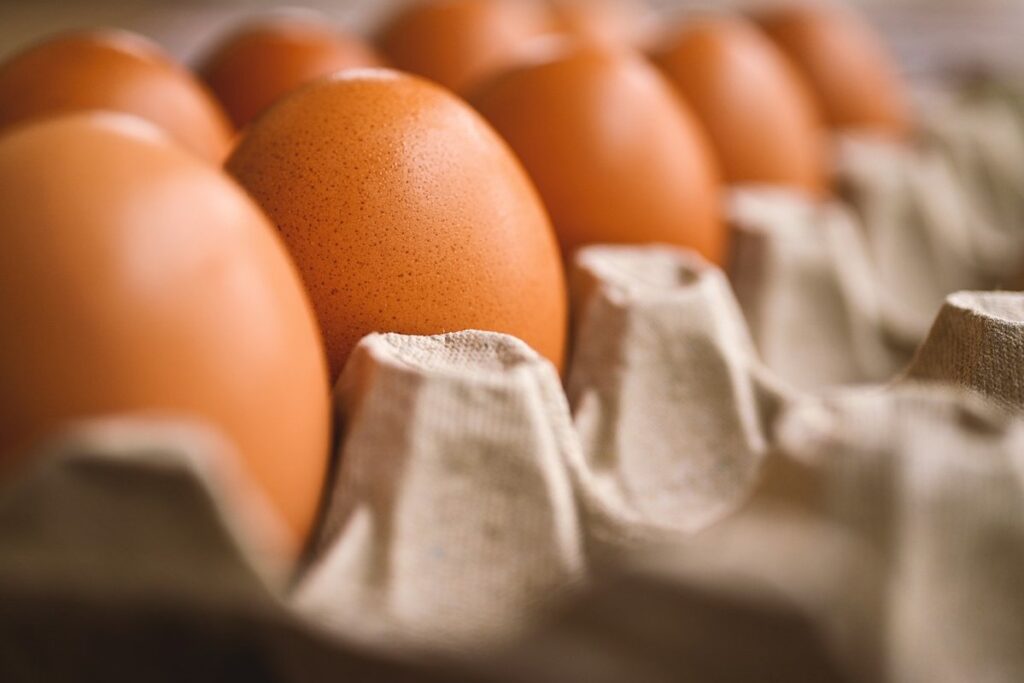
Introduction to Chicken Egg Colors
When it comes to chicken egg colors, you might be surprised by just how diverse they can be. In this next section, we’ll explore the fascinating world of egg color genetics and their corresponding breeds.
What Determines Eggshell Color?
When it comes to eggshell color, genetics play a significant role. The genetic makeup of a chicken breed determines its ability to produce eggs with specific colors. For example, some breeds like the Araucana and Ameraucana are known for their blue eggs due to a genetic trait that causes the shell to appear blue.
However, even within breeds that have a predisposition towards certain eggshell colors, other factors can influence the final result. A chicken’s diet is an essential factor in determining eggshell color. For instance, if a hen consumes too much calcium or other minerals, it may affect the pigmentation of her eggs. Similarly, environmental factors like temperature and humidity can also impact eggshell color.
To give you a better understanding, consider this: some breeds that are naturally brown will lay blue-green eggs if they’re fed a diet high in certain minerals. While genetics set the foundation for eggshell color, it’s not the only determining factor. A balanced diet and optimal living conditions can significantly influence the final result, making every breed unique in its ability to produce various egg colors.
A good example of this is the Marans breed, which typically lays dark brown eggs due to their genetic makeup. However, by adding a specific mineral supplement to their feed, some breeders have successfully produced eggs with a range of colors from blue to pink. This demonstrates that even within breeds that are naturally inclined towards certain eggshell colors, there’s still room for variation based on external factors.
Importance of Egg Color for Chicken Keepers
Understanding egg color is not just about aesthetics; it’s also essential for backyard chicken farmers and small-scale commercial producers. Knowing the egg color can help you identify potential health issues in your flock. For instance, pale-shelled eggs can indicate a calcium deficiency, while green or blue eggs might be a sign of an underlying health problem.
On the other hand, some breeds are naturally known to produce eggs with specific colors or markings, which can affect their marketability and value. If you’re planning to sell your eggs, understanding egg color can help you capitalize on this trend. For example, many consumers are willing to pay a premium for eggs produced by Marans chickens, which are known for their dark brown eggs.
In addition, knowing the egg color can also help you determine whether your hens are receiving a balanced diet. Different colors of eggs require different nutritional profiles, so it’s essential to ensure that your flock is getting what they need to lay healthy eggs. By understanding egg color, you can fine-tune your feeding strategy and create a more sustainable and efficient chicken-keeping operation.
Breed-Specific Egg Colors
When it comes to egg color, not all breeds are created equal. Let’s dive into how specific breeds produce their signature shades of brown, white, blue, and everything in between.
White-Legged Breeds: Production vs. Pasture-Raised
White-Legged Breeds: Production vs. Pasture-Raised
When it comes to white-legged breeds like Leghorns and Cornish Cross, their production rates and characteristics play a significant role in determining the eggshell color. These breeds are known for their high egg-laying capacity, making them ideal for commercial egg production.
Leghorns, for instance, can produce up to 300 eggs per year, with an average egg weight of 45-50 grams. Their eggshells tend to be white or light brown due to a lack of pigment. On the other hand, Cornish Cross is another popular breed known for its fast growth rate and high feed efficiency. They typically produce around 200-220 eggs per year, with an average egg weight of 55-60 grams.
When it comes to pasture-raised options, breeds like Leghorns can still thrive in a free-range environment. This approach allows them to express their natural foraging behavior, resulting in stronger and more resilient birds. While the production rate may decrease slightly, the quality of eggs produced on pasture-raised farms tends to be higher due to the better living conditions and diet.
Dark-Brown or Chocolate-Covered Eggs: Araucana, Ameraucana & Others
If you’re drawn to the rich, dark colors of eggs, you might be interested in the Araucana and Ameraucana breeds. These birds owe their unique egg color to a genetic trait known as the ‘blue egg’ gene. This gene produces an enzyme that breaks down pigments, resulting in a blue or green eggshell.
One of the most distinctive features of these breeds is their ability to lay eggs in various shades of blue and green. For instance, the Araucana can produce pale blue, light blue, or even lavender-colored eggs. The Ameraucana, on the other hand, lays eggs that range from pale blue to dark gray-green.
Raising these birds comes with its own set of pros and cons. One advantage is their unique egg color, which can add a touch of elegance to your farm’s products. However, they may not be as prolific layers as some other breeds, producing around 180-200 eggs per year. Additionally, they require more attention to health due to their genetic makeup, making them less suitable for large-scale commercial operations.
If you’re still interested in raising these birds, consider the following tips: provide a balanced diet rich in calcium and protein, ensure proper ventilation in your coop, and prioritize regular health checks to prevent potential issues.
Multi-Colored Breeds: The Unique Cases
Let’s explore some of the most fascinating breeds that produce eggs in a rainbow of colors, including Araucanas and Ameraucanas, which lay blue eggs. These birds are truly one-of-a-kind!
Marans, Welsummers, and Their Rich, Dark Eggshells
If you’re looking for breeds that lay eggs with rich, dark eggshells, then you’ll love Marans and Welsummers. These breeds are known for their beautiful, chocolate-brown eggshells, which make them a favorite among backyard chicken keepers.
Marans are one of the most popular breeds for their dark eggshells, laying around 180 brown eggs per year. They’re relatively small in size, weighing around 4-5 pounds, and have a gentle temperament, making them perfect for families with children. Marans also have a high fertility rate, which means they’ll often go broody and try to hatch their own eggs.
Welsummers are another breed that lays dark brown eggs, producing around 200 per year. They’re known for their friendly and docile nature, making them an excellent choice for beginners. Welsummers are also relatively low maintenance when it comes to feeding and exercise, as they require less protein than some other breeds.
If you’re interested in raising either of these breeds, be prepared for a wait – Marans and Welsummers can take up to 6-7 months to mature. However, with proper care and attention, you’ll be rewarded with an abundance of beautiful dark eggs that will make any egg collector proud.
Other Multicolored Breeds: Barnevelder, Faverolles & More
In addition to the Easter Egger and Ameraucana breeds that we’ve already discussed, there are several other multicolored chicken breeds that lay unique eggs. Let’s take a look at some of these fascinating breeds.
The Barnevelder is a Dutch breed known for its slate-gray feathers and, you guessed it, beautiful brown eggs with subtle blue or green undertones. This calm and docile breed makes an excellent addition to any backyard flock. With their gentle nature and relatively low maintenance, it’s no wonder why many chicken enthusiasts love them.
The Faverolles is another French breed that lays soft-brown eggs with a creamy white spot at the large end. Their soft, fluffy feathers and sweet disposition make them a favorite among backyard farmers. Not only do they provide beautiful eggs, but their friendly nature also makes them an excellent choice for families with children.
Other breeds worth mentioning include the Marans, known for their dark chocolate-brown eggs, and the Welsummer, which lays terracotta-colored eggs. Both of these breeds are relatively rare in North America, but their unique eggs make them a sought-after addition to any flock. If you’re looking to add some color and excitement to your egg-laying routine, consider one of these charming breeds!
Factors Influencing Egg Color Beyond Genetics
While genetics play a significant role in determining egg color, several other factors can influence the final hue, making each chicken breed’s eggs unique. Let’s explore what affects egg color beyond genetics.
Nutrition and Supplements: What You Feed Affects Your Chicken’s Eggs
When it comes to raising backyard chickens for eggs, many of us focus on genetics as the primary factor determining egg color. However, a chicken’s diet plays a significant role in influencing the final hue of its eggs. What you feed your flock directly impacts the pigmentation and color intensity of their eggs.
Calcium is the most essential nutrient for eggshell production, and it also affects the coloration. A diet rich in calcium can produce more intensely colored eggs, while a deficiency may result in pale or washed-out colors. To ensure optimal calcium levels, consider adding crushed oyster shells or dark leafy greens like kale or spinach to their feed.
In addition to calcium, vitamins such as riboflavin and niacin also contribute to the egg’s coloration. A balanced diet that includes a variety of fruits, vegetables, and grains will provide your flock with all the necessary nutrients for vibrant eggshell colors. For instance, adding vitamin-rich foods like sweet potatoes or carrots can enhance the red and orange pigments in eggs.
By paying attention to your chicken’s nutrition, you can encourage more vivid and consistent egg coloration. Consider keeping a food diary or experimenting with different feed combinations to see how it affects your flock’s eggs.
Environmental Factors: Lighting, Temperature & More
When it comes to understanding egg color, many people assume that genetics are the sole determining factor. However, external factors can also play a significant role in influencing the final shade of your eggs.
Lighting is one crucial environmental factor that affects egg color. Chickens exposed to natural light tend to produce eggs with richer, more vibrant colors due to the increased production of pigments. Conversely, those kept indoors under artificial lighting may lay paler eggs as their pigment production can be affected by the limited spectrum and intensity of artificial light.
Temperature also has an impact on egg color. Research has shown that optimal temperatures for laying hens between 40°F to 80°F (-4°C to 27°C) tend to produce darker, more saturated colors compared to those exposed to extreme cold or heat stress.
In addition to lighting and temperature, living conditions can also influence egg color. For example, chickens raised on pasture with access to fresh forage tend to lay eggs with deeper, richer hues than those confined to conventional battery cages.
To optimize your flock’s egg color, consider implementing a few simple changes: provide adequate natural light, maintain optimal temperatures between 40°F and 80°F (-4°C and 27°C), and ensure your hens have access to fresh forage and exercise.
Egg Color Trends in Commercial Production
Let’s dive into how commercial egg production affects the colors you see in store, from brown to white and everything in between. We’ll examine the key factors influencing these trends.
Industry Standards and Consumer Demand
Commercial chicken farms have had to adapt their eggshell color production to meet the changing demands of consumers. Many large-scale producers now prioritize egg color as a key differentiator in the market. For instance, some farms focus on producing eggs with a more intense yellow or brown hue, appealing to health-conscious consumers who associate these colors with higher nutritional value.
To achieve this, commercial farms may employ strategies such as adjusting feed formulas to enhance yolk pigmentation. Others may incorporate specific supplements into their chicken’s diets to boost carotenoid levels – the pigments responsible for eggshell color. Producers may also select breeds known for producing eggs with desirable color characteristics, like Marans or Ameraucana.
In terms of meeting consumer demand, some farms have shifted towards cage-free and pasture-raised systems. These models allow hens more freedom to roam, promoting a more natural diet that can result in richer, more vibrant eggshell colors. By understanding the complex interplay between genetics, nutrition, and production methods, commercial farms can better meet consumer expectations for high-quality eggs with unique characteristics.
Case Studies: How Large-Scale Farms Optimize Their Flocks’ Output
Large-scale farms have successfully optimized their flocks’ output by implementing efficient production methods that prioritize both high-quality eggs and streamlined operations. For instance, a study on commercial egg farms revealed that those utilizing automated feeding systems saw an average increase of 12% in egg production and 8% reduction in feed waste.
One notable example is the farm of a leading egg producer in Europe, which achieved exceptional results by implementing a tiered management system. This involved dividing their flock into distinct breeding groups based on individual performance metrics such as egg weight, shell quality, and fertility rates. By doing so, they were able to optimize feed allocation and create a robust framework for genetic selection.
Farms with large-scale operations can also benefit from precision agriculture techniques. Implementing data-driven systems that monitor temperature, humidity, and light exposure allows farmers to fine-tune their environmental controls and maximize the comfort zone of their birds. This often leads to healthier birds, reduced stress levels, and ultimately better egg quality. By adopting these strategies, commercial farms can improve the overall efficiency of their operations while maintaining high-quality output.
Choosing the Right Breed Based on Egg Color
If you’re looking for a chicken breed that lays eggs with a specific color, this section is for you. Let’s dive into how to choose the right breed based on egg color.
Factors to Consider Before Buying Chickens
When selecting chicken breeds for their egg-laying capabilities, it’s essential to consider several factors beyond just egg color. Production rates, living conditions, and personal preferences all play a significant role in choosing the right breed for you.
First and foremost, think about how many eggs you need per week. If you’re looking for high-production breeds, consider Leghorns or Rhode Island Reds, which can lay up to 300 eggs annually. However, if you have limited space or prefer smaller, more laid-back birds, bantam breeds like Silkies or Polish may be a better fit.
You’ll also want to assess your living conditions and climate. If you live in an area with extreme temperatures or high humidity, choose breeds that are heat-tolerant or resistant to moisture. For example, Buff Orpingtons and Golden Comets excel in hot climates, while Barred Rocks and Australorps prefer cooler temperatures.
Ultimately, the right breed for you will depend on your unique circumstances and priorities. Consider visiting local farms or talking to experienced chicken keepers to gain a deeper understanding of each breed’s characteristics before making a decision.
Tips for Small-Scale Farmers: Balancing Production with Quality Eggs
As a small-scale farmer, you’re likely no stranger to the importance of balancing production with quality. When it comes to egg-laying breeds, this delicate balance is crucial for producing eggs that meet your high standards. If you’re focused on hatching chicks from breeds known for their unique eggshell colors, such as Marans or Araucanas, you’ll want to ensure they thrive while maintaining the desired characteristics.
To achieve this equilibrium, consider the following tips:
* Monitor temperature and humidity levels in your coop to prevent stress, which can negatively impact egg production and quality.
* Provide a balanced diet that includes essential nutrients like calcium and protein to support strong eggshell development.
* Ensure adequate space for each bird to roam and engage in natural behaviors, reducing stress and promoting overall health.
* Regularly inspect eggs for any cracks or damage, promptly removing them from the flock to prevent contamination.
By adopting these strategies, you can enjoy the benefits of unique egg colors while maintaining a thriving, productive flock.
Frequently Asked Questions
Can I still raise chickens with mixed egg colors if I’m a small-scale farmer?
Yes, having a mix of breeds can be beneficial for small-scale farmers as it allows them to diversify their products and appeal to customers looking for unique egg colors. However, it’s essential to consider the space, feed, and management requirements for multiple breeds.
How do environmental factors like lighting and temperature affect egg color?
Environmental factors such as lighting, temperature, and humidity can influence eggshell color. For example, some breeds may produce eggs with a stronger blue or green tint when exposed to specific light spectrums. However, the impact of these factors is typically more pronounced on the intensity rather than the overall color.
Are there any nutritional supplements that can enhance or alter eggshell color?
Yes, certain nutritional supplements like omega-3 fatty acids and lutein can influence eggshell pigmentation. While these supplements may not drastically change the overall color, they can contribute to a richer, more vibrant appearance.
Can I use cross-breeding to create new breeds with unique egg colors?
While cross-breeding can be an effective way to introduce desirable traits into a breed, creating new breeds with specific egg colors is often a complex and time-consuming process. Breeders must carefully select and mate individuals while considering factors like fertility, growth rate, and disease resistance.
What’s the difference between “blue” eggs and those with a purplish tint?
The terms “blue” and “purplish” are sometimes used interchangeably to describe eggshell color. However, true blue eggs owe their color to a specific genetic trait that causes the shell to reflect light in a way that appears blue. Eggs with a purplish tint may have a slightly different genetic makeup or be influenced by environmental factors.