
Ducks are often seen as simple waterfowl, but beneath their feathers lies a complex world of social dynamics, communication methods, and adaptations that have allowed them to thrive in various environments. Understanding these quirks is crucial for conservation efforts, as it can help us better protect and preserve their habitats.
If you’re fascinated by the behaviors of ducks, you’ve come to the right place! In this article, we’ll dive into the fascinating world of duck behavior, exploring how they interact with each other, communicate, and adapt to different environments. We’ll examine the importance of understanding these social dynamics, from mating rituals to foraging strategies, and discuss how conservation efforts can benefit from a deeper knowledge of their behaviors. Whether you’re a seasoned birdwatcher or just curious about our feathered friends, this article will provide a fascinating glimpse into the world of ducks.
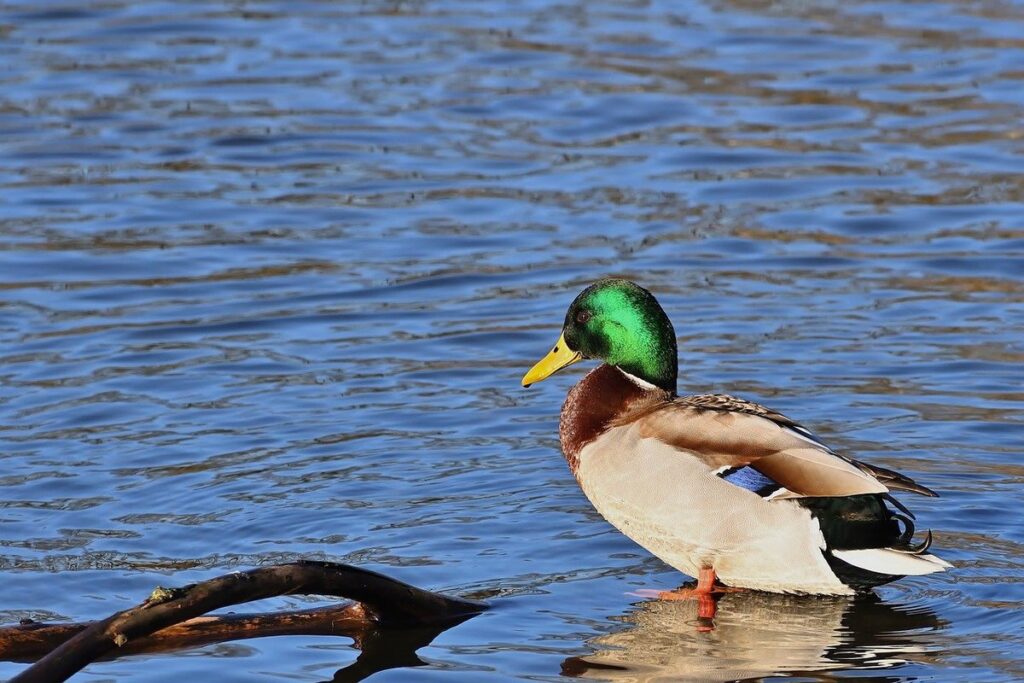
Introduction to Duck Behavior
To truly appreciate ducks, it’s essential to understand their fascinating behavior and social structures. Let’s dive into the world of duck interactions and uncover some surprising quirks along the way.
What Do We Know About Ducks?
Ducks are incredibly diverse creatures, with over 120 different species found all around the world. From the majestic Wood Duck to the humble Mallard, each species has its own unique characteristics and adaptations that enable them to thrive in their respective habitats.
In terms of habitats, ducks can be found in a wide range of environments, from serene lakes and ponds to fast-flowing rivers and coastal wetlands. Some species are even adapted to living in urban areas, such as the Common Merganser which has been known to inhabit city parks and waterways.
Some common characteristics shared among duck species include their streamlined bodies, webbed feet, and distinctive beaks. These features enable them to swim efficiently, forage for food underwater, and even dive to great depths in search of prey. Understanding these basic characteristics is essential to appreciating the complexities of duck behavior and social structure.
Importance of Studying Duck Behavior
Understanding duck behavior is crucial for various stakeholders, including researchers, conservationists, and animal enthusiasts. By studying their behavior, we can gain valuable insights into their social structure, habitat needs, and communication patterns. For instance, observing how ducks interact with each other during breeding season can help us develop effective conservation strategies to protect endangered species.
In the wild, changes in duck behavior can signal broader environmental issues, such as water pollution or habitat degradation. By monitoring and analyzing these changes, researchers can identify potential threats to local ecosystems and inform policy decisions. For example, a study on Mallard ducks found that their foraging patterns were altered by human activities, indicating a need for sustainable agriculture practices.
To get started with studying duck behavior, you can begin by observing the species in your area, noting their daily routines, social interactions, and habitat preferences. Keep a journal or record your observations to track changes over time. By doing so, you’ll contribute to our understanding of these fascinating creatures and help ensure their well-being for generations to come.
Social Structure of Ducks
When it comes to duck social behavior, you might be surprised by how complex and hierarchical their societies can become. In fact, many duck species live in large groups with a strict pecking order.
Flock Dynamics and Dominance Hierarchy
In a duck flock, social dynamics play a crucial role in determining their behavior and interactions. At the heart of this dynamic is the pecking order, also known as dominance hierarchy. This hierarchical structure establishes which ducks have priority access to food, mates, and other resources.
A dominant duck will assert its position through aggressive displays such as loud quacking, flapping wings, or even chasing subordinate ducks. Subordinate ducks will often yield by retreating or lowering their heads in submission. However, this pecking order is not rigidly fixed and can change over time due to factors like age, size, and experience.
Observing a duck flock’s dynamics can be fascinating, but it also requires understanding the delicate balance of power. By recognizing signs of dominance, you can take steps to create a harmonious environment for your feathered friends. For instance, providing separate feeding areas or introducing new ducks gradually can help minimize conflicts and establish a stable pecking order.
Pair Bonding and Mating Rituals
Ducks are known to form long-term pair bonds with their mates, which is a fascinating aspect of their social behavior. In fact, many species of ducks are monogamous, with some couples staying together for up to 20 years or more. This attachment is often displayed through unique mating rituals that vary depending on the species.
For example, Wood Ducks engage in an elaborate courtship ritual where the male builds a nest platform and then presents it to his chosen mate as a symbol of love and commitment. The female will then inspect the platform before accepting her partner’s proposal. Other species, such as Mallards, are more straightforward in their approach, with males performing a series of displays that include head-flagging (flapping their wings) and strutting around the female.
To encourage pair bonding in your own backyard flock, try mimicking these natural behaviors by creating an inviting environment for your ducks. Provide them with ample space to roam, access to a pond or pool, and plenty of opportunities for social interaction. By doing so, you may even find yourself witnessing some adorable duck courtship displays!
Communication Methods of Ducks
Let’s dive into how ducks convey messages, from quacks and body language to subtle postures and visual displays that reveal their unique social communication style.
Vocalizations: Quacking, Chirping, and Whistling
Ducks use an array of vocalizations to convey emotions, needs, and intentions to other ducks. Quacking is one of the most distinctive sounds made by ducks, often used for contact calls between mothers and their ducklings or within groups. Different species exhibit unique quacking patterns; for instance, wood ducks produce a high-pitched whistle-like sound that can be confused with a whistle.
Chirping is another form of communication among ducks, typically employed to signal alarm or alertness. This vocalization usually occurs in response to a predator or an unexpected event and serves as a warning call to other ducks in the area. Waterfowl enthusiasts have reported noticing distinct chirping patterns that vary between species and even individual ducks.
Whistling is an essential form of non-verbal communication among ducks, especially during courtship rituals or when signaling friendly intentions. Some species, such as the whistling teal, produce high-pitched sounds that can be mistaken for a bird’s alarm call. Ducks will frequently use these vocalizations to convey messages across distances and strengthen social bonds within their groups.
When interacting with domesticated ducks, recognizing these distinctive vocalization patterns is crucial for understanding their behavior and responding appropriately.
Body Language and Visual Displays
Ducks are masters at conveying messages and expressing emotions through body language and visual displays. These non-verbal cues play a crucial role in their social interactions, helping them establish dominance, attract mates, and warn off predators.
When it comes to body language, ducks use postures, facial expressions, and feather arrangements to convey different messages. For example, a duck standing tall with its feathers puffed out may be signaling aggression or dominance, while a duck hunched over with its head tucked under its wing may be indicating submission or fear. Ducks also use ear and eye positions to communicate; for instance, a duck with its head held high and eyes forward is likely feeling confident and alert.
To better understand your ducks’ body language, pay attention to their visual displays during mating season. Males will often perform elaborate courtship rituals, including displaying vibrant plumage and performing intricate dance moves to attract females. By observing and interpreting these non-verbal cues, you can gain a deeper understanding of your duck’s behavior and emotions, ultimately enhancing your interactions with them.
Foraging and Feeding Behavior of Ducks
When it comes to finding food, ducks have some surprisingly complex strategies. Let’s dive into how they forage and feed on their own, as well as in groups.
Types of Foods: Aquatic Plants, Insects, and Small Animals
Ducks are omnivores and opportunistic feeders, which means they’ll eat just about anything they can find. In their natural habitats, ducks rely on a variety of food sources to sustain themselves. One type of food that’s commonly overlooked is aquatic plants. These plants are rich in nutrients and provide essential fiber for healthy digestion.
Ducks love munching on water lilies, duckweed, and other submerged vegetation. In fact, studies have shown that ducks can even help control algae growth by consuming excess plant matter! If you’re keeping ducks as pets or observing them in the wild, keep an eye out for these tasty treats. You can also supplement their diet with aquatic plants if you have a pond or pool.
Insects are another crucial food source for ducks. They’ll feed on everything from mosquitoes and flies to snails and slugs. Ducks will often forage for insects during the day, using their keen eyesight to spot potential meals. Consider creating an insect-friendly environment by planting duck-attracting flowers or providing a shallow dish of water with rocks for them to hunt.
Small animals like worms, leeches, and even small fish are also on the menu for ducks. In some cases, they’ll actively hunt these creatures, while in others, they’ll simply scavenge what’s available. By understanding what your ducks eat, you can provide a more balanced diet and ensure their overall health and well-being.
Adaptations for Foraging: Beaks, Webbed Feet, and Diving Ability
Ducks have evolved remarkable adaptations that enable them to efficiently forage for food. One of their most distinctive features is their beak shape and size, which varies depending on the duck species. Some ducks, like the dabbling ducks, have short, broad beaks perfect for filtering small aquatic plants from the water. In contrast, diving ducks possess longer, more pointed beaks that allow them to probe into muddy or sandy bottoms in search of buried seeds.
Webbed feet are another crucial adaptation for ducks, allowing them to swim and maneuver with ease. The webbing between their toes enables them to propel themselves through the water and make sharp turns while foraging. This is particularly useful when searching for aquatic plants, like cattails and duckweed, which grow in shallow waters.
Some ducks have also developed impressive diving abilities, with some species capable of reaching depths of up to 20 feet. These adaptations are essential for accessing food sources that would be out of reach for other birds. By understanding these unique adaptations, you can better appreciate the fascinating world of duck behavior and observe their foraging activities in a new light.
Duck Behavior in Different Environments
As we explore how ducks adapt to their surroundings, let’s dive into the fascinating ways they behave in different environments, from urban parks to remote wetlands.
Wetlands, Lakes, and Rivers: Aquatic Habitats
In aquatic environments like wetlands, lakes, and rivers, ducks have evolved unique adaptations to survive and thrive. These waterfowl have an impressive range of behaviors that help them navigate and exploit their surroundings for food, shelter, and social interactions.
When it comes to wetlands, ducks will often wade through shallow waters, using their sensitive bills to feel out the seafloor for insects, crustaceans, and other aquatic delicacies. They’ll also use these areas to escape predators, like hawks and foxes, by hiding in dense vegetation. In lakes, ducks tend to congregate near shoreline structures like rocks, weeds, or fallen trees, which provide them with shelter from the open water.
Rivers present a different challenge, as ducks must contend with strong currents and changing water levels. However, many species have adapted to this environment, learning to ride the waves and exploit the eddies for food. For example, wood ducks in North America will often feed on aquatic plants and insects in riverine areas. To observe duck behavior in these environments, it’s essential to be patient and attentive to their movements, body language, and vocalizations – and to respect their space, allowing them to maintain their natural behaviors without interference.
Agricultural Landscapes and Human-Modified Areas
When ducks inhabit agricultural landscapes and human-modified areas, their behavior is significantly influenced by the presence of humans. These environments often provide an abundance of food resources, such as grains and insects, which can alter the ducks’ foraging patterns. For instance, a study on mallard ducks found that they tend to forage more intensely in areas with high concentrations of human activity, likely due to the availability of food.
In these modified habitats, ducks also adapt their social behavior. They may form larger groups than usual, taking advantage of the abundant resources and potential safety provided by the presence of humans. However, this adaptation can also lead to increased competition for resources among individuals within these groups.
It’s essential to recognize that human activities in agricultural landscapes can have both positive and negative impacts on duck behavior. While providing food and shelter, they can also introduce stressors like noise pollution and habitat destruction. By understanding the complex relationships between ducks and their modified environments, we can take steps to create more supportive habitats for these birds.
Conclusion: Insights into Duck Behavior
As we conclude our exploration of duck behavior, let’s summarize the key takeaways and insights gained from their fascinating social structure and quirky habits.
Recap of Key Findings
As we conclude our journey into the fascinating world of duck behavior, it’s essential to recap the most interesting and relevant aspects that we’ve uncovered. Our exploration has revealed a complex social structure, with ducks forming close bonds with their peers and even exhibiting cultural behaviors passed down through generations.
We’ve seen how some duck species are known for their monogamous relationships, while others engage in elaborate courtship displays to attract mates. For example, the Wood Duck’s striking plumage and intricate dance moves make it a standout among its feathered friends. In contrast, many domesticated ducks have become accustomed to human interaction, often forming strong bonds with their owners.
These observations have significant implications for our understanding of duck behavior. By recognizing the unique social dynamics at play, we can better appreciate these remarkable creatures and even apply some of their lessons to our own lives. For instance, by embracing diversity and promoting cooperation within our own communities, we may be able to tap into the same sense of unity and purpose that ducks experience in their natural habitats.
Implications for Conservation and Management
Understanding duck behavior is crucial for developing effective conservation and management strategies. By recognizing their social structure and quirks, we can better protect their habitats, address human-wildlife conflict, and promote sustainable populations.
For instance, knowing that ducks are highly social creatures and often form long-term monogamous relationships can inform the design of conservation areas. Creating duck-friendly wetlands with suitable nesting sites, foraging areas, and sheltered spots can encourage stable social groups to thrive. Conversely, ignoring these needs may lead to stress, increased aggression, and even dispersal from critical habitats.
Furthermore, understanding the specific foraging habits and habitat requirements of different duck species can guide management decisions around agriculture, water quality, and invasive species control. For example, in agricultural areas, conservation efforts might focus on maintaining crop diversity, reducing pesticide use, or creating wildlife corridors to allow ducks to migrate safely. By adopting such an approach, we can safeguard not just individual duck populations but also the entire ecosystem they inhabit.
By recognizing and respecting duck behavior, we can take a more holistic and informed approach to conservation and management – ultimately benefiting both these fascinating birds and their environments.
Frequently Asked Questions
Can I apply the knowledge of duck behavior to other bird species?
While ducks have unique adaptations and social structures, understanding their behavior can provide valuable insights for studying other waterfowl and even non-waterfowl bird species. Many birds exhibit similar communication methods, flock dynamics, and adaptation strategies that can be applied to conservation efforts and management practices.
How do I recognize signs of dominance or submission in duck flocks?
In addition to visual displays, ducks also use vocalizations and body language to establish dominance hierarchies. Look for behaviors such as aggressive quacking, posturing, and assertive swimming patterns among dominant birds. Conversely, submissive birds may exhibit lowered head positions, avoidance behavior, and appeasing vocalizations.
What are some common mistakes beginners make when observing duck behavior?
Novice birdwatchers often overlook the importance of patience and observation time. Rushing to conclusions or interpreting behaviors without proper context can lead to inaccurate assumptions about duck social dynamics. Take your time, observe from a safe distance, and consider factors like habitat, season, and individual bird characteristics.
Can I use knowledge of duck behavior to improve my own communication skills?
Ducks are master communicators, using a range of vocalizations, body language, and visual displays to convey information. By studying their behaviors, you can develop a deeper understanding of nonverbal cues, active listening, and effective communication strategies that can be applied in both personal and professional settings.
How do I apply the concepts of duck behavior to conservation efforts in my local community?
Collaborate with local wildlife experts, park rangers, or conservation organizations to design effective habitat restoration projects or management plans that account for the specific needs and adaptations of ducks. By integrating your knowledge of duck behavior into conservation strategies, you can create more resilient ecosystems and improve biodiversity outcomes.