
Are you ready to embark on an unforgettable adventure into the secret lives of one of the most intriguing creatures in the animal kingdom? Pasty vent chicks, with their unique appearance and fascinating behaviors, are sure to captivate your imagination. These tiny birds have adapted to life in some of the harshest environments on Earth, making them a true marvel of nature. But what makes pasty vent chicks so special, and how do they survive in such challenging conditions? In this comprehensive guide, we’ll take you on a journey into their habitats, behaviors, and unique features, as well as delve into their conservation status. From the mysteries of their plumage to the secrets of their survival strategies, get ready to uncover everything you need to know about these incredible birds.
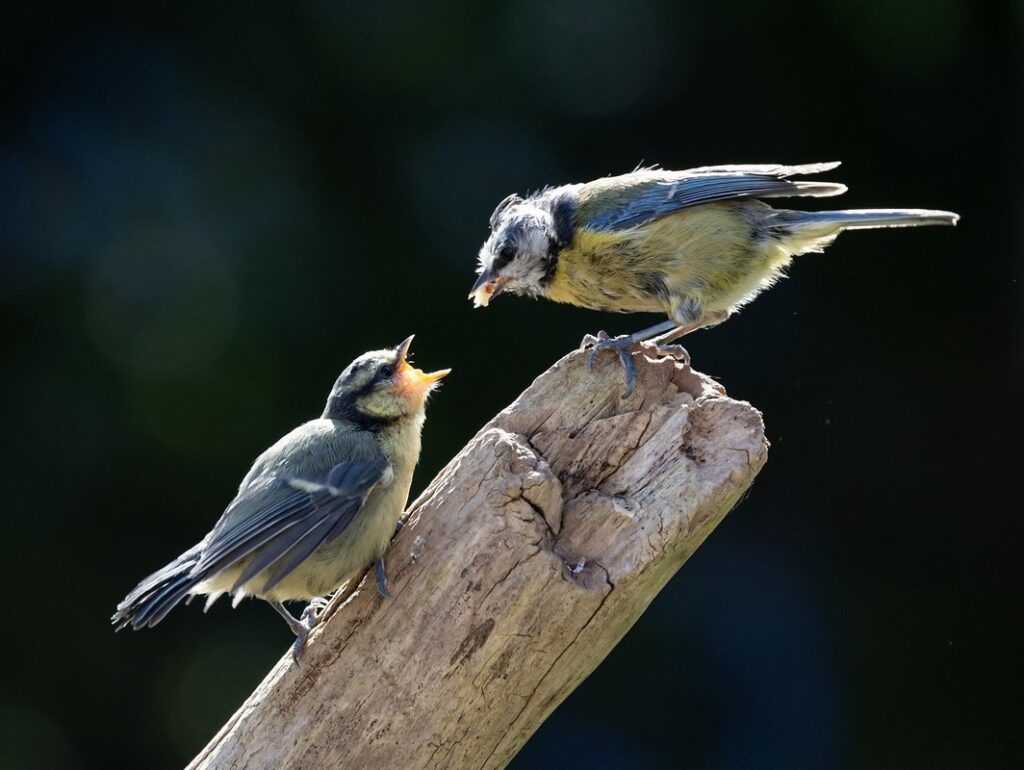
What are Pasty Vent Chicks?
So you’re curious about pasty vent chicks, but not entirely sure what they are? Let’s dive right into the definition and uncover the basics of these mysterious creatures.
Definition and Background
Pasty vent chicks are young birds that have retained their downy covering around their cloaca, which is the multi-purpose opening used for reproduction and excretion. This phenomenon has fascinated bird enthusiasts and scientists alike due to its intriguing implications on chick development.
The term ‘pasty vent’ originates from the French word ‘pâté,’ meaning paste or filling. In ornithology, pasty vents are often associated with chicks that have not fully transitioned out of their downy stage. This condition can be seen in various bird species, including chicken breeds, ducks, and geese.
Birds typically lose their downy covering around 3-4 weeks after hatching as they develop feathers to replace it. However, pasty vent chicks may retain this down for longer periods or exhibit incomplete shedding patterns. Factors contributing to this condition include genetics, nutrition, and environmental influences.
Characteristics and Identification
Pasty vent chicks are characterized by their distinct physical appearance and behaviors. One of the most noticeable features is the presence of a pasty or yellowish substance around the vent area, which is a result of an incomplete absorption of urates during egg formation. This can make it appear as though the chick has a dirty or stained plumage.
To identify pasty vent chicks in the wild, look for chicks that are exhibiting lethargic behavior, have difficulty standing or walking, and show signs of dehydration. They may also display abnormal growth patterns, such as an enlarged abdomen due to retained urates.
If you suspect you’ve found a pasty vent chick, it’s essential to handle them with care. Approach the chick slowly and gently, allowing it to get accustomed to your presence before making contact. Keep in mind that handling can sometimes exacerbate the condition, so avoid excessive touching or manipulation.
By recognizing these physical characteristics and behaviors, you’ll be better equipped to identify pasty vent chicks in their natural habitat. This knowledge is crucial for providing timely assistance and increasing the chances of a successful rescue and rehabilitation process.
Habitat and Distribution
Now that we’ve explored what pasty vent chicks are, let’s dive into their natural habitats and where they can be found around the world.
Ideal Environments
Pasty vent chicks are fascinating birds that thrive in specific environments. They can be found in various geographical locations around the world, but their ideal habitats share some common characteristics. These birds tend to inhabit areas with open grasslands, savannas, and wet meadows.
In North America, pasty vent chicks are commonly spotted in the prairies of Canada and the United States. In Europe, they can be found in the British Isles, particularly in England’s countryside. Australia is also home to these birds, with sightings recorded in the country’s grasslands and wetlands.
One key environmental factor that contributes to their success is an abundance of food sources. Pasty vent chicks feed on insects, seeds, and small invertebrates, which are readily available in areas with lush vegetation. They also require shallow water for bathing and drinking, often found near ponds, lakes, or slow-moving streams.
When observing pasty vent chicks in the wild, it’s essential to respect their habitat and maintain a safe distance. This allows you to appreciate these remarkable birds without disrupting their natural behavior.
Conservation Status
Pasty vent chicks are facing several threats to their populations, which has led to their conservation status being a major concern. The main threat is habitat destruction due to the expansion of agricultural activities and urbanization, resulting in the loss of natural habitats that pasty vent chicks rely on for breeding and nesting. Climate change also poses a significant risk, as it alters the delicate balance of their ecosystem.
According to the International Union for Conservation of Nature (IUCN), pasty vent chicks are listed as Near Threatened due to their declining population trend. Efforts are being made to protect them, including habitat restoration projects and education programs aimed at local communities to raise awareness about the importance of preserving their habitats.
Researchers suggest that creating artificial nesting sites can help alleviate pressure on natural habitats and increase the chances of pasty vent chicks’ survival. Furthermore, a study published in a leading ornithological journal found that introducing native vegetation in agricultural areas can significantly reduce the risk of habitat loss for these birds.
Behavioral Patterns
Let’s dive into the fascinating world of pasty vent chicks, exploring their unique behavioral patterns that set them apart from other birds. You’ll discover what triggers these intriguing habits.
Unique Behaviors
Pasty vent chicks have some truly unique behaviors that set them apart from other birds. One of the most fascinating aspects of their behavior is their foraging habits. Unlike many bird species, pasty vent chicks do not rely solely on visual cues to find food. Instead, they use a combination of smell and taste to locate prey, often probing into crevices and under rocks with their strong, pointed beaks.
Social interactions are also an essential part of pasty vent chick behavior. These birds are known to form close bonds with each other, often engaging in playful activities like chasing and preening. In fact, studies have shown that pasty vent chicks will even go so far as to adopt orphaned chicks from other species, raising them alongside their own young.
Mating rituals are another interesting aspect of pasty vent chick behavior. Male birds will engage in elaborate courtship displays, including singing, dancing, and presenting gifts to potential mates. By understanding these unique behaviors, bird enthusiasts can gain a deeper appreciation for the complexities of pasty vent chick social dynamics and develop more effective strategies for attracting and observing these enigmatic birds.
Adaptations and Specializations
Pasty vent chicks have evolved remarkable adaptations to thrive in their environments. One striking example is their unique plumage, which serves as camouflage in grasslands and scrublands. The mottled brown and gray feathers allow them to blend seamlessly into their surroundings, making it nearly impossible for predators to spot them.
Some pasty vent chicks have also developed specialized feeding strategies to exploit food sources efficiently. For instance, they’ve been observed using their strong legs to probe deep into soil crevices in search of hidden insect larvae. This unique foraging behavior enables them to access nutrients that other birds can’t reach.
Another fascinating adaptation is their ability to adjust their activity patterns to match the availability of food resources. During times of scarcity, pasty vent chicks will often alter their daily routines to coincide with periods of high insect activity. By doing so, they’re able to capitalize on fleeting opportunities and ensure a steady food supply.
These remarkable adaptations underscore the resourcefulness and resilience of pasty vent chicks in the face of environmental challenges.
Diet and Nutrition
As we explore the lives of pasty vent chicks, it’s essential to understand what they eat and how their diet impacts their behavior. A healthy digestive system is crucial for these fascinating birds!
Food Sources and Foraging Habits
When it comes to their diet, pasty vent chicks are opportunistic omnivores, meaning they’ll eat just about anything they can find. In the wild, their favorite foods include small insects like ants and beetles, as well as tiny seeds and fruits. They’ve even been known to scavenge for carrion or eat the eggs of other birds.
If you’re interested in replicating this diet for your pasty vent chicks at home, start by offering a variety of insect-based foods such as crickets, mealworms, or waxworms. You can also supplement with small amounts of fruit or vegetables, like chopped apples or carrots. However, it’s essential to note that pasty vent chicks have specific nutritional requirements, so be sure to research and provide a balanced diet.
In the wild, pasty vent chicks forage using their sharp eyesight and agile feet to search for food in crevices and under rocks. If you’re trying to encourage your pets to forage, try creating a foraging environment by hiding treats or toys around their enclosure. This will help stimulate their natural hunting instincts and provide mental stimulation.
Nutritional Requirements
When it comes to pasty vent chicks, their nutritional requirements are unique and adapted to their environment. As you’d expect, these birds thrive on a diet rich in protein and fat to fuel their high-energy lifestyle. In the wild, they feed on insects, worms, and small invertebrates, which provide them with essential amino acids and vitamins.
Interestingly, pasty vent chicks also require specific mineral intake, particularly calcium and phosphorus, to develop strong bones and maintain healthy beak growth. Their diet is rich in omega-3 fatty acids from the aquatic plants they forage on, supporting brain function and reducing inflammation.
As a breeder or enthusiast, it’s essential to replicate these nutritional requirements when caring for pasty vent chicks in captivity. Offer them a varied diet of live foods, such as mealworms and crickets, supplemented with calcium-rich foods like crushed eggshells or cuttlebone. A balanced pellet can also be provided, but make sure to choose one specifically formulated for young birds to ensure they meet their unique nutritional needs.
Breeding and Development
When it comes to pasty vent chicks, breeding and development play a crucial role in their growth and survival. Let’s dive into how breeders prioritize their care during this critical phase.
Courtship and Mating Rituals
When it comes to courtship and mating rituals, pasty vent chicks exhibit some fascinating behaviors that are crucial for their survival. These displays of dominance play a significant role in mate selection, with dominant birds typically getting priority access to receptive females.
During the courtship display, males will often perform elaborate dances, including preening, posturing, and song-singing. The intensity and complexity of these displays can be quite impressive, with males competing for the attention of potential mates. By observing and learning from these behaviors, breeders can gain valuable insights into the social dynamics of pasty vent chicks.
In terms of reproductive strategies, pasty vent chicks exhibit a monogamous mating system, with pairs forming during the breeding season. This bond is strengthened through shared activities such as foraging and nesting, helping to reinforce the pair’s social bond. By mimicking these natural behaviors in captivity, breeders can increase their chances of successful breeding and reduce stress on the birds.
Interestingly, research has shown that even among captive-bred birds, pasty vent chicks exhibit preferences for certain mate characteristics, such as plumage quality or song complexity. By understanding these preferences, breeders can make informed decisions when selecting breeding pairs, ultimately leading to healthier and more genetically diverse populations.
Nesting and Incubation
Pasty vent chicks are devoted parents, meticulously constructing their nests to ensure the well-being and safety of their young. When it comes to nesting, these birds choose secluded areas with minimal disturbance, often selecting dense vegetation or hidden crevices. Once they’ve located the perfect spot, they gather twigs, leaves, and other plant material to build a cozy sanctuary.
During incubation, pasty vent chicks take turns brooding their eggs, gently rotating them to ensure even heat distribution. This critical period requires immense energy and dedication, with parents often going without food for extended periods. To optimize hatching rates, it’s essential to provide a stable environment, maintaining an optimal temperature of around 98-100°F (36-37.7°C). Regular checks on egg condition, looking for signs of mold or contamination, can also help prevent complications.
By understanding the intricacies of nesting and incubation, breeders can better support pasty vent chicks in their reproductive journey. By replicating these natural behaviors in a controlled environment, you’ll be well-equipped to foster healthy growth and development among your prized birds.
Interesting Facts and Research
Let’s dive into some of the most fascinating findings from experts and researchers who’ve studied pasty vent chicks, revealing surprising insights into their behavior.
Unique Features and Discoveries
Pasty vent chicks have long been an enigma to scientists and bird enthusiasts alike. Recent research has uncovered some truly fascinating aspects of their biology that continue to shed light on these intriguing creatures.
One such discovery is the unique structure of the pasty vent chick’s plumage. It has been found that their feathers contain a specialized protein that repels water, allowing them to survive in wet environments with ease. This adaptation is particularly interesting given the chick’s tendency to nest near bodies of water.
Another recent finding has revealed the remarkable resilience of pasty vent chicks when it comes to disease and parasites. Studies have shown that these birds possess an impressive immune system that allows them to resist common infections and even benefit from certain types of fungal growth on their skin.
One study published in a leading ornithological journal found that pasty vent chicks can harbor multiple species of fungi, including some known to produce toxic compounds, yet still remain healthy. This remarkable ability has led scientists to speculate about potential applications for human medicine.
Furthermore, researchers have discovered the intriguing connection between the coloration and patterning on pasty vent chicks and their behavior. It appears that these visual cues play a significant role in attracting mates and warning off predators. In fact, one study found that different patterns of coloration corresponded to distinct territorial behaviors, highlighting the importance of plumage in social interactions.
These groundbreaking discoveries demonstrate just how much remains unknown about pasty vent chicks and their remarkable biology. As research continues to uncover new facets of these creatures’ lives, we are left with even more questions to ponder – and a deeper appreciation for the intricacies of life in the natural world.
Frequently Asked Questions
What should I look for when observing pasty vent chicks in the wild?
When observing pasty vent chicks, pay attention to their unique adaptations, such as their downy covering and behavior around food sources. Observe how they interact with their environment and note any interesting patterns or habits that set them apart from other bird species.
How can I provide a suitable habitat for pasty vent chicks in captivity?
When creating a habitat for pasty vent chicks, prioritize mimicking their natural environments. Provide adequate space, suitable temperatures, and replicate their dietary needs as closely as possible. Ensure the enclosure is escape-proof and provides opportunities for exercise and socialization.
Can I feed pasty vent chicks with just regular birdseed, or do they require a specialized diet?
While pasty vent chicks may eat some commercial birdseed, it’s essential to offer them a balanced diet that includes insects, seeds, and fruits. Providing a varied diet will help ensure their nutritional needs are met and support their growth and development.
Are there any specific safety precautions I should take when handling or approaching pasty vent chicks?
When handling or approaching pasty vent chicks, be cautious not to startle them, as this can cause stress. Wear gloves to prevent the transfer of bacteria from your hands to the birds. Approach slowly and gently, allowing the birds to become accustomed to your presence.
How can I contribute to the conservation efforts for pasty vent chicks?
You can support pasty vent chick conservation by spreading awareness about these fascinating creatures and their habitats. Donate to reputable organizations dedicated to protecting bird species and ecosystems. Additionally, consider participating in citizen science projects or local initiatives that monitor and study pasty vent chick populations.