
If you’re a chicken keeper, chances are you’ve encountered or heard about hen pecking behavior at some point. This complex issue can be distressing for both you and your feathered friends. Hen pecking refers to the aggressive behavior exhibited by hens when they attack their own kind, often targeting weaker birds, resulting in serious injuries and sometimes even death. As a responsible chicken owner, it’s essential to understand the underlying causes of hen pecking and know how to prevent or manage existing behavioral problems. In this article, we’ll delve into the world of chicken management and welfare, exploring the signs, causes, and prevention methods of hen pecking behavior. We’ll also provide expert advice on creating a stress-free environment that promotes happy and healthy birds.
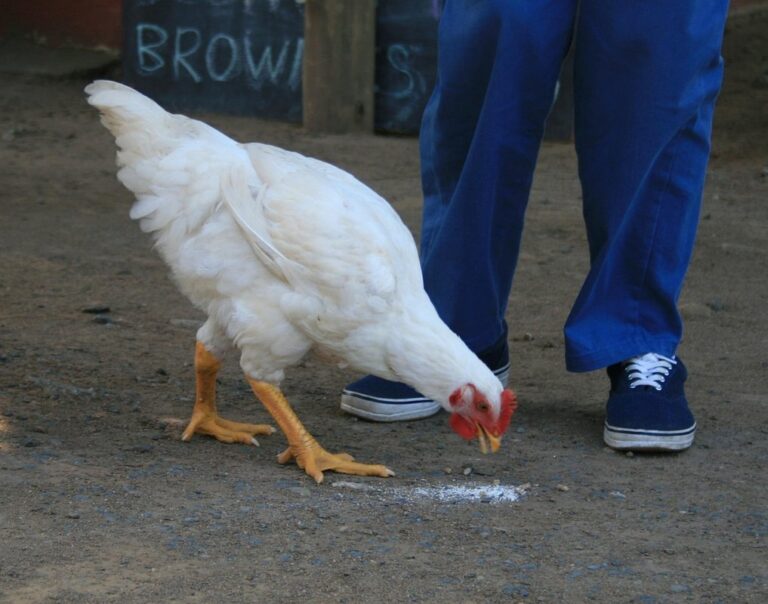
What is Hen Pecking?
So, you’re wondering what exactly hen pecking behavior is and why your flock might be exhibiting it. Let’s dive into the basics of this common chicken behavior.
Causes of Hen Pecking
Hen pecking behavior can be a complex issue to tackle, and understanding its underlying causes is essential for effective management. Stress is often cited as a primary cause of hen pecking, particularly if your flock is experiencing changes such as new additions or removals, altered environments, or shifts in social dynamics. Chickens that feel insecure or threatened may resort to aggressive behavior, including pecking at their flock mates.
Nutritional deficiencies can also contribute to hen pecking. A diet lacking essential vitamins and minerals can lead to behavioral problems, so it’s crucial to ensure your chickens are receiving a balanced and nutritious feed. For example, a deficiency in calcium or phosphorus can cause issues with feather plucking or excessive scratching.
Boredom is another significant factor, especially in confined spaces. Chickens require mental and physical stimulation to prevent stress and aggression. Providing adequate space for exercise, offering toys and activities that challenge their minds, and rotating perches can help alleviate boredom and reduce pecking behavior.
Identifying Signs of Hen Pecking
Identifying signs of hen pecking can be challenging, but there are certain physical and behavioral changes to look out for. One of the most obvious signs is wounds on the affected bird’s body. These wounds can range from minor scratches to deep lacerations, often located on the neck, back, or wings. Feather loss is another common indicator, as hens may pluck or pull out their own feathers due to stress and anxiety.
Behavioral changes are also a crucial aspect of identifying hen pecking behavior. Affected birds may become aggressive, hissing, growling, or even attacking other chickens in the flock. They may also exhibit reduced egg production, lethargy, or withdrawal from social interactions. In some cases, hens may develop abnormal behaviors such as pacing back and forth, staring at other birds, or engaging in repetitive actions like pecking at the ground.
If you suspect hen pecking behavior in your flock, it’s essential to monitor the affected bird’s behavior closely and record any observations. This will help you identify patterns and triggers that may be contributing to the problem.
Factors Contributing to Hen Pecking
Several factors contribute to hen pecking behavior, including stress, boredom, and social dynamics within the flock. Understanding these causes is crucial for preventing this behavior in your backyard chickens.
Environmental Factors
When it comes to understanding hen pecking behavior in chickens, environmental factors play a significant role. Overcrowding is one of the most common contributors to hen pecking. When there are too many birds in a small space, stress levels rise, and competition for food, water, and attention intensifies. This can lead to aggressive behavior, including pecking.
Inadequate perches are another environmental factor that can contribute to hen pecking. When hens don’t have enough perching space or comfortable roosts, they may resort to pecking at their flock members instead of claiming a spot on the bar. This is especially true for older hens who prefer higher vantage points.
Poor ventilation in chicken coops can also contribute to hen pecking behavior. When air circulation is poor, ammonia levels rise, causing discomfort and stress among the birds. As a result, they may become more aggressive and engage in pecking as a way of coping with their environment.
To mitigate these effects, it’s essential to provide adequate space, perching options, and ventilation in your chicken coop. This can help reduce stress and aggression among your flock members.
Nutritional Deficiencies
Providing a balanced diet is crucial for chickens’ overall health and well-being. Nutritional deficiencies can lead to a range of behavioral problems, including hen pecking. When hens are not receiving the necessary nutrients, they may exhibit abnormal behaviors such as aggression, stress, and anxiety.
A diet lacking in essential vitamins and minerals can cause hens to become irritable and aggressive. For instance, a deficiency in vitamin E has been linked to increased feather pecking behavior in some studies. Similarly, inadequate levels of calcium can lead to egg-laying issues and increased stress levels among the flock.
To ensure your chickens receive a balanced diet, consider the following:
* Provide high-quality layer feed that meets or exceeds nutritional standards
* Supplement their diet with fresh fruits and vegetables rich in vitamins and minerals
* Ensure access to clean water at all times
* Rotate pastures or provide foraging opportunities to stimulate mental and physical activity
By prioritizing your chickens’ nutritional needs, you can significantly reduce the likelihood of hen pecking behavior.
The Role of Stress in Hen Pecking
Stress is a significant contributor to hen pecking behavior, and understanding its role can help you identify and address underlying issues that may be causing your flock’s aggressive behavior. Let’s take a closer look at how stress affects pecking.
Chronic Stress
Chronic stress is a significant contributor to hen pecking behavior, causing birds to exhibit abnormal behaviors such as aggression and feather pecking. This can be attributed to various factors including changes in the flock’s social dynamics, lack of adequate space or stimulation, and nutritional deficiencies.
When chickens experience chronic stress, they may become withdrawn or aggressive, leading to a decrease in their overall welfare. In severe cases, this stress can manifest as abnormal behaviors such as pecking at feathers or even attacking other birds. It’s essential for chicken keepers to recognize the signs of chronic stress and take prompt action to address the underlying causes.
To mitigate the effects of chronic stress on your flock, it’s crucial to provide a safe and stimulating environment. This can be achieved by introducing enrichment activities such as scratching posts, perches, or hidden treats. Additionally, maintaining a balanced diet that meets the nutritional needs of your birds is vital in preventing stress-related behaviors.
By recognizing the signs of chronic stress and taking proactive steps to address it, you can significantly reduce the occurrence of hen pecking behavior in your flock.
Acute Stress
Acute stress events can trigger hen pecking behavior in chickens, causing them to become aggressive towards each other. One common example of acute stress is a predator attack on the flock. When hens experience trauma from such an event, they may develop abnormal behaviors as a coping mechanism.
For instance, if a fox attacks your flock, some hens might become fearful and anxious, leading them to peck at their fellow hens excessively. This behavior can be misinterpreted as hen pecking caused by dominance or hierarchy issues within the flock, but in reality, it’s a response to acute stress.
Changes in environment can also trigger acute stress in hens, such as introducing new birds to the flock, renovating the coop, or changing the feeding schedule. These changes can cause significant stress to some hens, leading them to engage in abnormal behaviors like pecking at each other.
To mitigate this issue, it’s essential to recognize and address the underlying causes of acute stress in your flock. Providing a safe and stable environment, monitoring for signs of stress, and taking corrective action promptly can help prevent hen pecking behavior caused by acute stress. Regular observation and adjusting management strategies accordingly are crucial in managing chronic stress and preventing related behavioral problems.
Preventing Hen Pecking Behavior
To prevent hen pecking behavior, you’ll need to identify and address the underlying causes of stress and anxiety among your flock members, starting with their environment. This section offers practical tips for a harmonious coop.
Providing Adequate Space and Enrichment
Providing chickens with adequate space is crucial to prevent hen pecking behavior. Chickens need room to roam and forage, which helps them maintain their natural instinct to search for food and exercise. A minimum of 2-4 square feet per bird inside the coop and 8-10 square feet in the run is recommended. However, some backyard chicken keepers have reported successful results with even larger spaces.
In addition to physical space, enrichment activities are vital to prevent boredom, stress, and aggression. Offer a variety of toys and puzzles that challenge your chickens’ problem-solving skills, such as treat-dispensing toys or foraging games. You can also provide natural materials like hay, straw, or pinecones for them to peck at.
Social interaction is another key factor in preventing hen pecking behavior. Introduce new birds gradually, and ensure that each chicken has its own space and resources. By creating a stimulating environment with adequate space, enrichment activities, and social interaction, you can help reduce the likelihood of hen pecking behavior in your flock.
Implementing Management Strategies
Implementing effective management strategies is crucial in reducing the risk of hen pecking behavior. One key aspect of this is regular cleaning and maintenance of the coop and run. A dirty environment can lead to stress, which in turn may trigger pecking behavior. Ensure you clean the coop at least once a week, removing all waste and debris. Disinfect any surfaces with a poultry-safe cleaner to prevent the spread of diseases.
Monitoring your flock is also essential in identifying early warning signs of hen pecking behavior. Keep an eye on the birds’ behavior, watching for signs such as excessive pecking or feather plucking. If you notice any unusual behavior, take immediate action by separating the affected bird and investigating the cause.
Providing perches can also play a significant role in preventing hen pecking behavior. Give your hens enough space to roost comfortably, ideally at least 2-3 inches of space per bird. This will help reduce competition for resources and alleviate stress. Regularly rotating toys and adding new enrichment activities can also keep your flock engaged and stimulated, reducing the likelihood of behavioral problems.
Managing Existing Hen Pecking Behavior
If you’ve already noticed hen pecking behavior in your flock, it’s essential to understand how to address and manage these issues effectively. This section will guide you through practical strategies for resolving existing problems.
Understanding the Impact on Flock Dynamics
When existing hen pecking behavior is left unchecked, it can have far-reaching consequences on the dynamics of your flock. Assessing its impact is essential to developing an effective management plan. To start, observe your hens’ interactions closely. Look for signs of stress or anxiety in birds that are being targeted, such as ruffled feathers, pacing, or avoidance behavior.
Identify the hierarchy within your flock by noting which birds hold positions of power and which ones are more submissive. Hen pecking often exacerbates existing dominance issues, making it crucial to understand these dynamics before intervening. Consider introducing enrichment activities or providing separate areas for dominant birds to reduce stress on subordinate hens.
Another key aspect is recognizing the impact on your flock’s overall well-being. Chronic hen pecking can lead to decreased egg production, weight loss, and even feather plucking in extreme cases. By acknowledging these potential consequences, you’ll be better equipped to address the root causes of this behavior and implement targeted strategies for change.
Implementing Intervention Strategies
Implementing intervention strategies is crucial to managing existing hen pecking behavior. One of the most effective ways to intervene is by separating aggressive birds from their flock. This can be done temporarily or permanently, depending on the severity of the issue and the individual bird’s temperament.
Another key strategy is providing enrichment activities that stimulate the hens’ natural foraging behaviors. This can include hiding treats in feeders or around the coop, using puzzle toys filled with food, or even creating a “scavenger hunt” to encourage exploration and problem-solving. By redirecting their energy towards more positive outlets, you can help reduce aggression and pecking.
Modifying feeding schedules is also essential. Feeding hens at regular times throughout the day can create competition for resources and exacerbate pecking behavior. Instead, try offering smaller meals or using automated feeders that distribute food evenly throughout the day. This can help reduce stress and aggression among your flock.
Long-Term Solutions for Preventing Hen Pecking Behavior
If you’re dealing with a flock plagued by hen pecking behavior, it’s essential to explore long-term solutions that promote a harmonious and stress-free coop environment. We’ll dive into strategies for preventing this behavior from taking hold in the first place.
Integrated Management Approach
To prevent long-term behavioral problems like hen pecking, it’s crucial to adopt an integrated management approach that considers multiple factors. This means going beyond just providing a balanced diet for your chickens and instead creating an environment that promotes their physical and mental well-being.
For instance, nutrition plays a significant role in preventing hen pecking behavior. A high-quality layer feed that is rich in calcium, protein, and other essential nutrients can help support your hens’ overall health and reduce the likelihood of pecking-related problems. However, nutrition alone is not enough – you also need to consider the environment.
Providing an enriching environment with adequate space for exercise, perches for roosting, and a dust bath area for relaxation can go a long way in preventing hen pecking behavior. This means creating a layout that allows hens to engage in natural behaviors like foraging, scratching, and socializing.
By integrating different management strategies – nutrition, environment, and behavior – you can create a harmonious flock dynamic that promotes the overall well-being of your chickens.
Ongoing Monitoring and Evaluation
Regular monitoring and evaluation are crucial to preventing hen pecking behavior from escalating into major issues. By keeping a close eye on your flock’s dynamics, you can identify potential problems early on and take corrective action before they become serious.
Start by observing your chickens’ behavior daily, looking for signs of stress or tension, such as aggression towards each other, pacing, or abnormal feather pecking. Take note of any changes in the flock’s social hierarchy, including who’s dominating and who’s being bullied. This information will help you pinpoint potential triggers for hen pecking.
For example, if you notice that a particular chicken is consistently bullying others, it may be worth separating them to prevent further stress. Similarly, if you identify a resource competition issue, such as limited access to food or water, address this problem promptly to reduce tensions within the flock.
By staying vigilant and adapting your management strategies accordingly, you can minimize the risk of hen pecking behavior and create a more harmonious and healthy environment for your chickens. Remember that every flock is unique, so be prepared to adjust your approach as needed.
Frequently Asked Questions
How do I know if my flock is experiencing acute stress, which can lead to hen pecking behavior?
Acute stress can manifest as sudden changes in appetite or sleep patterns, increased vocalization, and altered social behaviors within the flock. Monitor your birds’ behavior and consult with a veterinarian if you notice any of these signs. Implementing strategies to reduce stress, such as providing adequate space and enrichment, may help alleviate acute stress.
Can I use one specific management strategy to address all causes of hen pecking?
No, addressing hen pecking requires a multi-faceted approach that considers various contributing factors, including nutritional deficiencies, environmental stressors, and social dynamics. Develop an integrated management plan tailored to your flock’s unique needs by assessing their individual circumstances.
What are some common mistakes I should avoid when implementing intervention strategies for existing hen pecking behavior?
Common pitfalls include separating aggressive birds without addressing the underlying causes, providing inadequate space or enrichment, and failing to monitor and adjust management strategies as needed. Ensure that you’re addressing the root causes of the behavior and making necessary adjustments to prevent further aggression.
Can I rely solely on nutritionally balanced feed to prevent hen pecking behavior?
While a nutritious diet is essential for overall health, it may not be enough to prevent hen pecking. Other environmental stressors, social dynamics, and management practices also play critical roles in determining flock behavior. Focus on creating a comprehensive environment that balances nutritional needs with adequate space, enrichment, and management strategies.
How do I balance the need for individual birds’ personality quirks with the overall health of my flock?
Acknowledge and accommodate unique personalities within your flock while promoting social cohesion through proper management practices. Ensure each bird has enough space, enrichment, and opportunities to engage in natural behaviors, which can help reduce conflicts and stress within the group.