
As a chicken keeper, you’re likely no stranger to noticing the colorful combs atop your birds’ heads. But have you ever stopped to think about the different types of chicken combs and what they might mean for your flock’s health? Understanding chicken comb types and meanings can be a game-changer for ensuring the well-being of your chickens. Not only do different climates and breeds require specific comb types, but a healthy comb is also indicative of overall health. In this article, we’ll delve into the world of chicken combs, exploring their functions, ideal comb types for various climates and breeds, and how to ensure your flock has the best chance at staying happy and healthy. Whether you’re a seasoned breeder or just starting out, this guide is here to help.
Introduction to Chicken Combs
When it comes to our feathered friends, one of the most distinctive and noticeable features on a chicken’s head is its comb, which plays a vital role in their overall health. Let’s take a closer look at what these combs do and how they vary.
What is a Chicken Comb?
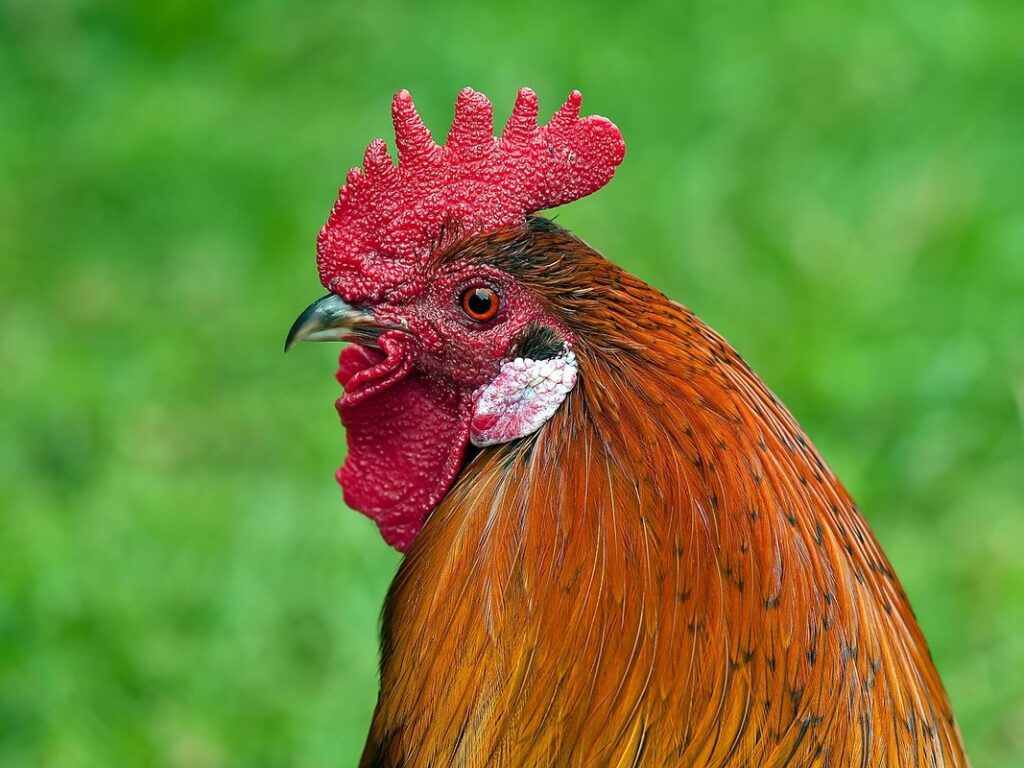
A chicken comb is a vital part of a chicken’s anatomy, often overlooked but crucial for their overall health and well-being. It’s the fleshy, red structure on top of a chicken’s head, visible above the eyes. The comb serves as a heat radiator, helping to regulate the chicken’s body temperature. In cold climates or during winter months, the comb can become quite prominent, allowing the chicken to dissipate excess heat.
The importance of a healthy comb cannot be overstated. A well-maintained comb is indicative of good overall health in chickens. Conversely, a pale or wilted comb can signal underlying issues such as anemia, poor nutrition, or even stress. Keep in mind that genetics also play a role; some breeds are naturally more prone to having prominent combs than others.
Regularly checking your chicken’s comb can provide valuable insights into their health status. Look for signs of dehydration by examining the comb’s texture and color. A well-hydrated comb will be plump, firm, and vibrant red, while a dehydrated comb may appear wilted or pale yellowish-brown in color.
Functions and Purpose of the Comb
The comb is one of the most distinctive features of a chicken’s head, and it serves several essential functions that are crucial to the bird’s health and well-being. One of its primary roles is temperature regulation. The comb acts as a radiator, dissipating excess heat from the body during hot weather. This is especially important for chickens, as they can quickly overheat due to their high metabolism.
In addition to temperature regulation, the comb also plays a vital role in blood oxygenation. As the chicken breathes, the comb helps to increase oxygen intake by expanding and contracting with each heartbeat. This process allows more oxygen-rich blood to be pumped throughout the body, ensuring that all tissues receive the necessary oxygen for optimal function.
The comb also acts as a stress-relief mechanism for chickens. When a bird is under stress or anxious, its comb will typically turn bright red or purple as it tries to release excess adrenaline and hormones. By understanding these functions, you can gain valuable insights into your chicken’s overall health and well-being.
Types of Chicken Combs
Let’s dive into the different types of chicken combs, including their unique characteristics and what they can reveal about a bird’s health and genetics. You’ll learn how to identify each type.
Single-Comb Chickens
Single-comb chickens are one of the most common and recognizable breeds, known for their distinctive red comb sitting atop their head. These birds are a popular choice among backyard chicken keepers due to their friendly nature and moderate egg production.
As a single-comb breed, they tend to have more prominent combs compared to other types. This characteristic can be both beneficial and detrimental, depending on the climate and living conditions of the bird. In hot weather, the large comb can make single-comb chickens more prone to heat stress, as it doesn’t dissipate heat efficiently.
However, single-comb breeds are generally easier to manage than those with pea combs or rose combs, which require special care during hot seasons. They’re also less susceptible to frostbite and other issues associated with smaller combs. If you’re new to chicken keeping, a single-comb breed might be an excellent choice due to their hardiness and relatively low maintenance.
When selecting a single-comb chicken, consider breeds like Leghorns or Cornish, which are known for their robust health and friendly demeanor.
Rose-Comb Chickens
Rose-comb breeds are known for their distinctive rose-shaped comb on top of their heads. These combs are made up of fleshy, rounded lobes that rise from the skin in a circular pattern, resembling a rose bud. One of the most well-known rose-comb breeds is the Brahma, but other popular breeds such as the Cochin and the Langshan also exhibit this characteristic.
One advantage of rose-comb chickens is their ability to tolerate heat stress better than other comb types. The fleshy lobes act as a natural cooling system, allowing excess heat to be released from the body. This makes them well-suited for warmer climates or regions with high temperatures. However, rose-combs are also more prone to frostbite in cold weather due to their exposed nature.
In terms of maintenance, rose-comb chickens require regular cleaning and inspection to prevent dirt and debris from accumulating on the comb. Regular trimming can help keep the comb healthy and promote airflow around the head. With proper care, rose-comb chickens can thrive and make wonderful additions to any backyard flock.
Pea-Comb Chickens
If you’re an avid chicken keeper, chances are you’ve come across “Pea-Comb” chickens at some point. This distinctive breed is known for its unique comb shape, which resembles a small pea rather than the typical fleshy comb found on most chicken varieties.
One of the defining characteristics of Pea-Comb breeds is their relatively small and rounded combs, often measuring less than an inch in diameter. While this smaller size may seem beneficial in terms of heat tolerance, it can actually make these birds more susceptible to frostbite during colder months. In fact, a study conducted by the University of California found that chickens with Pea-Combs were 3 times more likely to suffer from frostbite than those with larger combs.
Despite this potential drawback, many chicken enthusiasts appreciate the unique appearance and gentle nature of Pea-Comb breeds. If you’re considering adding one to your flock, be sure to provide extra protection during harsh winter months, such as supplemental heat lamps or warm shelters. With proper care, these charming birds can thrive in a variety of climates and become beloved members of your backyard flock.
Comb Type Identification and Characteristics
Now that you understand the basics of chicken combs, let’s dive into identifying and understanding the different types, including their characteristics.
Determining Comb Type
Determining the comb type of a chicken can be a fascinating task, especially when considering breed characteristics. Not all chickens have the same comb type, and it’s essential to understand what makes each one unique. To identify the comb type based on breed characteristics, you’ll want to start by observing the shape, size, and color of the comb.
Some breeds, such as Leghorns and Cornish, typically have a single comb that is medium-sized and pointed at the top. On the other hand, breeds like Orpingtons and Brahmas often have a rosecomb or double comb that is larger and more rounded in shape. The American Bantam, for example, has a pea comb that’s small and round.
When evaluating breed characteristics, consider factors such as the size of the bird, its body type, and any distinctive markings or colors. For instance, Silkies have fluffy feathers and a bearded face, while Polish chickens often sport a crest on top of their heads. By taking these characteristics into account, you’ll be better equipped to determine the comb type that best suits each breed.
Key Features of Different Combs
When identifying different comb types on a chicken, several distinct features can help you distinguish between them. One of the most noticeable characteristics is size, which can vary significantly from one breed to another. For instance, the pea comb is relatively small and round, while the single comb can be quite large and erect.
Another notable feature is shape. The rose comb, for example, has a unique, flared design with seven or more points. In contrast, the strawberry comb appears as a cluster of short, stubby points around the base of the neck. Color is also an essential factor to consider, as it can indicate various things about the chicken’s health and genetics.
When examining a chicken’s comb, pay attention to its color and whether any changes have occurred over time. A healthy red or pink comb generally indicates good overall health, while pale or discolored combs may signal stress or nutritional deficiencies. By considering these features together, you can better understand the unique characteristics of your flock and make informed decisions about their care.
Health Implications of Chicken Combs
You might be wondering what kind of health issues can arise from a chicken’s comb, and whether certain comb types are more prone to problems than others. In this section, we’ll explore these concerns in detail.
Comb Problems and Their Causes
As you’ve learned about the different types of chicken combs, it’s essential to understand some common issues related to them. Comb problems can arise from various causes, and being aware of these will help you take proactive measures for the health and well-being of your flock.
One significant issue is overheating in hot climates or during heatwaves. When a chicken’s comb becomes too hot, it can lead to sunburn, discomfort, and even heat stress. This is often observed in chickens with bright red or orange combs that are more susceptible to burning. To prevent overheating, ensure your coop is well-ventilated, provide shade, and keep the flock hydrated.
Another concern is frostbite during winter months. Chickens with small or pale combs are more vulnerable to this condition. Frostbite can cause discomfort and pain for your chicken. If you live in areas where temperatures drop significantly, consider taking measures such as providing warm bedding or moving them to a protected area.
Lastly, irritation caused by dust, dirt, or parasites can also affect the comb. Regular cleaning of the coop and ensuring good air quality will help prevent this issue.
Comb Care Tips for Healthy Birds
When it comes to maintaining healthy birds, many chicken owners overlook the importance of comb care. A healthy comb is a vital indicator of a bird’s overall well-being, and neglecting its health can lead to serious issues down the line. To ensure your feathered friends have happy, healthy combs, let’s dive into some practical advice on diet, environment, and hygiene practices.
Diet plays a significant role in maintaining a healthy comb. Ensure your birds are receiving a balanced and nutritious feed that is rich in vitamins and minerals. Fresh fruits and vegetables can be given as treats to provide essential nutrients like vitamin C and beta-carotene. A dirty waterer or feeder can lead to bacterial growth, so make sure to clean these regularly.
Regular checks on your bird’s living conditions are also crucial. Ensure their coop is well-ventilated, dry, and out of direct sunlight. A healthy environment can prevent issues like heat stress and skin problems that often manifest as comb damage. Regular cleaning of the coop will help maintain good hygiene practices and reduce the risk of disease transmission.
Make it a habit to inspect your bird’s comb daily for any signs of redness, swelling, or discharge. Any unusual changes should be reported to a veterinarian promptly. By following these simple tips, you’ll be well on your way to keeping your birds’ combs healthy and thriving.
Breeds Associated with Different Comb Types
Some chicken breeds are naturally more prone to specific comb types, making it easier for breeders and owners to identify potential health issues. Let’s take a closer look at which breeds often have different comb types.
Popular Single-Comb Breeds
When it comes to single-comb breeds, there are many popular options for backyard chicken keepers and large-scale farmers alike. One of the most well-known single-comb breeds is the Leghorn. Originating from Italy, this breed is prized for its high egg production, reaching up to 300 eggs per year. Their single comb is a distinctive red color and can be prone to frostbite in colder climates.
Another popular single-comb breed is the Rhode Island Red (RIR). Known for their rich brown eggs and friendly demeanor, RIRs are a favorite among many chicken enthusiasts. They have a high feed conversion rate, making them an efficient choice for commercial farms. In addition to these breeds, the Barred Plymouth Rock also features a single comb, with males weighing up to 9 pounds.
For small-scale farmers or backyard keepers, the Sussex is another suitable option. With their docile nature and moderate egg production (around 200 eggs per year), they make an excellent choice for those new to chicken keeping.
Well-Known Rose-Comb Breeds
The rose-comb breeds are some of the most recognizable and beloved varieties among chicken enthusiasts. These birds boast a distinctive comb shape that resembles a rosy crown on their heads. If you’re considering adding a rose-comb breed to your flock, here are a few popular options:
* Brahma: With their massive size and gentle nature, Brahmas are a favorite among backyard farmers. Their rose-combs make them particularly well-suited for hot climates.
* Cochin: Cochin chickens are known for their fluffy feathers and friendly disposition. Their rose-combs also help to regulate their body temperature in warmer environments.
* Sultan: Originating from India, the Sultan breed boasts a stunning rose comb on top of its dark blue-green feathers. They’re relatively small but packed with charm.
When choosing a rose-comb breed, it’s essential to consider factors like climate and flock dynamics. For example, Brahmas can thrive in hot climates due to their impressive size and heat-resistant comb. However, if you live in an area with limited space or resources, a smaller breed might be more suitable.
Rose-comb breeds are often prized for their unique features and temperaments. By understanding the specific needs and characteristics of each breed, you can make informed decisions about which birds will best suit your lifestyle and flock.
Examples of Pea-Comb Breeds
If you’re new to raising chickens, you may have noticed that some breeds sport a unique pea-comb. This type of comb is small and round, resembling a green pea stuck to the top of their head. Pea-combs are a characteristic feature of certain breeds, but they also come with some advantages and disadvantages.
Some popular examples of pea-comb breeds include the Polish, Dutch, and Frizzle chickens. These birds are known for their unique appearance, calm temperaments, and high egg production. However, it’s essential to note that pea-combs can be more prone to frostbite than other comb types, making them less suitable for cold climates.
If you’re considering getting a breed with a pea-comb, it’s crucial to research their specific needs and characteristics. For instance, the Polish chicken is known for its crested feathers, which can make it challenging to maintain cleanliness around the comb area. On the other hand, Dutch chickens are known for their friendly and docile nature, making them an excellent choice for backyard flocks.
In terms of recommended uses, pea-comb breeds excel in warmer climates or as pets due to their calm nature. They also make great additions to exhibition flocks due to their unique appearance. However, if you live in an area with harsh winters, it’s best to opt for breeds with more robust comb types.
Comb Type and Climate Considerations
When choosing a chicken breed, understanding how its comb type affects its ability to thrive in your climate is crucial for keeping them healthy. We’ll explore the importance of comb type and climate considerations together.
Climate-Specific Comb Types
When it comes to choosing the right comb type for your flock, climate is a crucial consideration. Different comb types have evolved to adapt to various environmental conditions, ensuring the bird’s comfort and health.
For instance, chickens living in hot, humid climates often sport Rose Comb types. These combs are more efficient at dissipating heat due to their flat shape and loose feathers, which help to keep the underlying skin cooler. In contrast, chickens residing in cold climates are more likely to have Pea or Polish Combs. These smaller, rounded combs conserve heat better by reducing exposure to the elements.
In areas with intense sunlight, birds with Walnut Comb types may benefit from their compact, self-shading design. This helps prevent overheating and reduces the risk of sun damage. On the other hand, chickens in cooler, wetter climates might prefer Strawberry Combs due to their ability to protect against moisture-related issues like frostbite.
Understanding your region’s climate will help you choose a comb type that meets your flock’s specific needs, ultimately promoting overall health and well-being.
Regional Variations in Comb Preferences
When it comes to choosing the right comb type for your backyard flock, regional variations play a significant role. Different parts of the country have unique climate conditions that can affect the health and well-being of your chickens. For example, in areas with extremely cold winters, breeds with tufted or pea combs are often preferred as they tend to withstand frost better than single-comb birds.
In contrast, regions with hot and humid summers may favor single-comb breeds that excel in heat tolerance. The Orpington breed, for instance, is known for its single comb and thrives in warmer climates. In areas like California or Florida, where temperatures often soar above 100°F, single-comb chickens are a popular choice.
When selecting a breed based on regional preferences, consider the local climate and temperature fluctuations. If you live in an area with mild winters but hot summers, look for breeds that balance both heat tolerance and frost resistance. This will help ensure your flock remains healthy and thriving throughout the year.
Frequently Asked Questions
What comb type is best suited for my chicken if I live in a hot climate?
In hot climates, it’s essential to choose breeds with single-comb or pea-comb types. These combs help regulate the chicken’s body temperature by dissipating excess heat efficiently. Single-comb chickens are particularly well-suited for hot climates as they have a more extensive surface area for heat dissipation.
How often should I inspect my flock’s combs for health issues?
Regular inspection of your chickens’ combs is crucial to detect any potential health problems early on. Check the combs at least once a week, looking out for signs of dryness, cracking, or discoloration. Addressing comb-related health issues promptly can prevent more severe complications.
Can I use supplements to improve my chicken’s comb health?
While certain supplements can contribute to overall health, there is no specific supplement that directly improves chicken comb health. A balanced diet rich in essential vitamins and minerals is key to maintaining healthy combs. Provide your flock with a well-rounded feed, and ensure access to fresh water at all times.
How do I know if my chicken’s comb type is breed-specific or climate-related?
If you’re unsure whether your chicken’s comb type is due to its breed or the local climate, consider factors like temperature fluctuations and geographic location. In general, single-comb chickens are more adaptable to various climates, while rose- and pea-comb breeds tend to thrive in specific regional conditions.
What should I do if my chicken has a severely dry or damaged comb?
If you notice severe dryness or damage to your chicken’s comb, it may be an indication of underlying health issues. Consult with a veterinarian to determine the cause and develop a plan for recovery. In the meantime, ensure access to moisture-rich feed and provide a stress-free environment to promote overall health and well-being.