
As a chicken keeper, you want to ensure that your feathered friends live happy, healthy lives. But have you ever wondered just how long your chickens are going to stick around? Understanding their natural lifespan is crucial in providing them with the best care possible. A chicken’s life cycle typically begins with brooding, followed by adolescence and eventually senior years. By knowing what to expect at each stage, you can take steps to maximize their longevity and make informed decisions about their healthcare. In this article, we’ll delve into the factors that influence a chicken’s lifespan, from genetics to nutrition and lifestyle choices. We’ll also provide tips on how to support your flock through every phase of life, from chick to senior citizen.
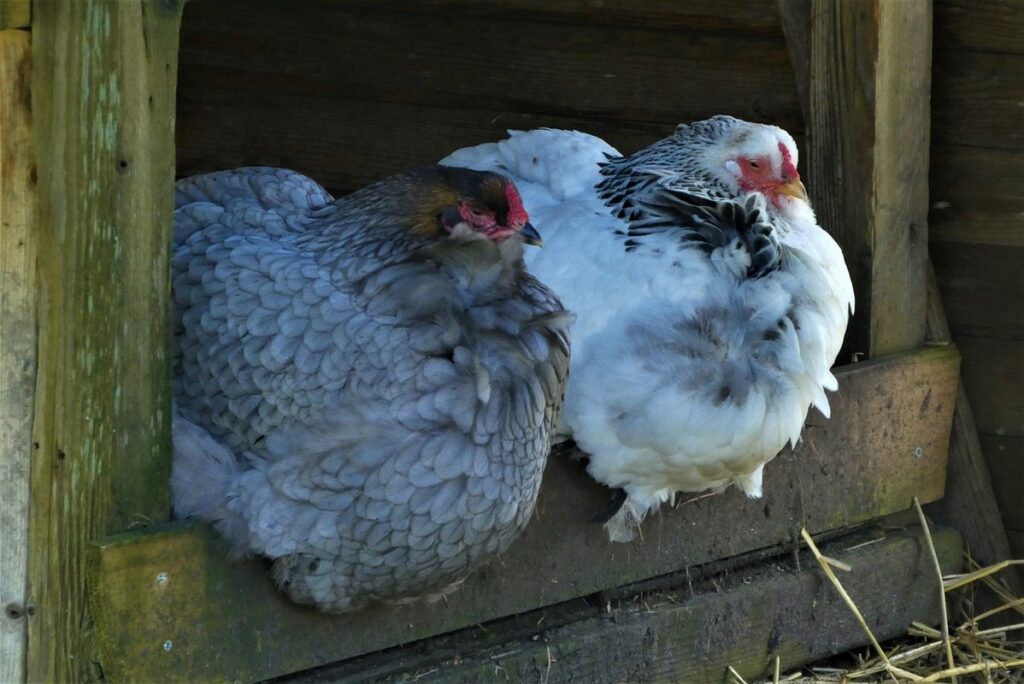
Chicken Development and Growth
As chickens grow from peeps to pullets, their development is a fascinating process that sets the stage for their lifespan. In this next part of our life cycle exploration, we’ll take a closer look at how they mature.
Brooding Stage (0-4 weeks)
In the first four weeks of life, chicks go through a critical stage called brooding. This is a period of rapid growth and development, and it’s essential to provide optimal conditions for them to thrive. Proper temperature control is crucial during this time as chicks need warmth to regulate their body heat.
A temperature range of 90-100°F (32-38°C) is ideal for the first week, decreasing by 5°F (3°C) each subsequent week. Using a thermometer and heat lamp or brooder will help you achieve the right temperature. It’s also vital to ensure good ventilation to prevent overheating.
Nutrition plays a significant role in chick growth during this period. Provide a starter feed that is high in protein (18-20%) and calcium to support bone development. Supplement with oyster shells or crushed eggshells to increase calcium intake. A balanced diet will help your chicks grow strong, healthy, and develop into robust pullets.
Pullets to Point of Lay (4-18 weeks)
During the 4-18 week period, your chicks will transform into young hens, a process known as pullets to point of lay. Several factors influence their development and laying potential, including genetics, nutrition, health, and management.
Proper nutrition is essential during this phase. A balanced diet that includes adequate protein, calcium, and vitamins ensures healthy growth and development. Supplementing with oyster shells or crushed eggshells can provide an extra boost of calcium to support strong bone development.
Genetics also play a significant role in determining laying potential. Some breeds are bred specifically for their high egg production, while others may be more suited for meat production or pet ownership. Understanding the breed characteristics will help you make informed decisions about your flock’s management and nutrition.
Regular health checks and vaccinations can also impact the transition to point of lay. Ensuring your birds are free from disease and parasites will prevent stress and promote healthy development.
Maturity and Laying Hens (18+ weeks)
As your chickens reach 18 weeks and beyond, they will have fully matured into adult hens. At this stage, you can expect to see significant changes in their behavior, egg production, and overall health.
Egg Production: Maturity brings a surge in egg production, with most breeds reaching peak laying around 24-28 weeks of age. However, some heritage breeds may take longer to mature. A healthy layer will produce an average of 280-300 eggs per year, although this can vary depending on breed, nutrition, and living conditions.
Fertility: As hens mature, their fertility also increases. If you’re considering breeding your chickens, look for signs of fertile eggs such as clear or lightly tinted whites and compact, firm yolks.
Overall Health: Mature hens require regular health checks to prevent common issues like mites, lice, and respiratory problems. Make sure to provide a balanced diet, fresh water, and adequate space for exercise to keep your girls healthy and happy throughout their lives.
Factors Influencing Chicken Lifespan
When it comes to a chicken’s lifespan, various factors come into play, from their genetics and environment to diet and health conditions, all of which impact how long they live. Let’s explore these influences in more detail.
Nutrition and Diet
A balanced diet plays a crucial role in determining a chicken’s lifespan. The quality of feed is essential for maintaining overall health and well-being. A high-quality commercial layer feed should contain all the necessary nutrients, vitamins, and minerals to support a long and healthy life.
Nutrient deficiencies can significantly impact a chicken’s lifespan. For instance, a lack of calcium can lead to weakened bones, making them more susceptible to fractures and diseases like osteoporosis. Similarly, vitamin B12 deficiency can cause anemia, which can be fatal if left untreated. To avoid these issues, it’s essential to provide your chickens with a balanced diet that includes supplements if necessary.
Overfeeding is another critical factor to consider. While it may seem counterintuitive, overfeeding can lead to obesity, which increases the risk of various health problems. Stick to recommended feeding guidelines and ensure that your chickens always have access to fresh water. By providing a nutritious and well-balanced diet, you can significantly impact your chicken’s lifespan and promote overall health and happiness.
Incorporating fruits and vegetables into their diet can also provide essential nutrients and support immune function. Try adding scraps like carrots, apples, or leafy greens to their feed for added nutrition.
Health Issues and Diseases
Chickens are prone to various health issues and diseases that can affect their lifespan. One of the most common diseases affecting chickens is avian influenza, also known as bird flu. Symptoms of this disease include lethargy, loss of appetite, and respiratory problems. Vaccination and biosecurity measures can help prevent the spread of this disease.
Other common health issues affecting chickens include respiratory problems, such as bronchitis and pneumonia, which can be caused by dust and bacteria in the coop. You can prevent these problems by maintaining good ventilation in your chicken coop and providing regular cleaning schedules.
Infectious diseases like coccidiosis and histomoniasis can also affect chickens’ health. Coccidiosis causes diarrhea and weight loss, while histomoniasis leads to anemia and death. To prevent these diseases, it’s essential to maintain good hygiene practices, such as changing bedding material regularly and keeping your coop clean.
You should also take note of your chicken breed‘s susceptibility to certain diseases and take necessary precautions accordingly. For example, some breeds are more prone to Marek’s disease, which can cause a range of symptoms including paralysis and death.
Environmental Factors
When it comes to a chicken’s lifespan, environmental factors play a significant role. Living conditions, climate, and management practices can either contribute to a long and healthy life or shorten it significantly.
A chicken’s living environment has a direct impact on its overall health. For instance, chickens raised in cramped cages with no access to fresh air, sunlight, or space to roam are more likely to develop respiratory problems, stress, and other health issues. On the other hand, chickens that have enough space to move around, peck at food, and engage in natural behaviors tend to be healthier.
Climate also affects a chicken’s lifespan. Extreme temperatures, whether too hot or too cold, can cause stress and lead to heatstroke, frostbite, or other temperature-related issues. Proper ventilation and shading are essential for chickens living in hot climates, while providing shelter and insulation is crucial for those in colder regions.
Management practices, such as feeding habits and vaccination programs, also impact a chicken’s lifespan. A well-balanced diet, regular health checks, and proper vaccinations can help prevent diseases and ensure the flock remains healthy. It’s essential to research and implement management strategies that prioritize animal welfare and meet their specific needs.
Average Lifespan and Variations
When it comes to a chicken’s lifespan, one question often on every backyard farmer’s mind is how long their flock will live. This section will explore the average lifespan of chickens and variations that can occur.
Breed-Specific Lifespans
As you’re learning about the lifespan of chickens, it’s essential to understand that different breeds have varying lifespans. Some chicken breeds are known for their remarkable longevity, while others may have a shorter life expectancy. Factors such as genetics, diet, and living conditions play a significant role in determining an individual chicken’s lifespan.
For instance, some long-lived breeds like the Silkie can live up to 15-20 years with proper care. On the other hand, some bantam breeds may only live for about 5-7 years. Knowing your breed’s specific lifespan can help you plan and prepare for their needs as they age.
Some factors that influence a chicken’s longevity include nutrition, health conditions, and living environment. Providing a balanced diet, ensuring access to fresh water, and maintaining a clean coop are crucial in promoting long life. It’s also essential to monitor your flock regularly for signs of illness or stress. By understanding the unique lifespan characteristics of your breed, you can make informed decisions to ensure they live their best lives.
It’s worth noting that even within breeds, individual birds may have varying lifespans depending on these factors.
Health-Related Shortening of Lifespan
Health issues can significantly shorten a chicken’s lifespan, making it essential to prioritize their well-being. Common health problems that affect chickens include respiratory infections, parasites, and diseases such as Marek’s disease and avian influenza. These conditions often arise from poor living conditions, inadequate nutrition, and lack of proper healthcare.
Chickens are susceptible to disease due to their close living quarters, making hygiene a crucial aspect of chicken care. Regular cleaning of coops, dust baths, and vaccination programs can help prevent the spread of diseases. Additionally, providing a balanced diet that includes essential nutrients, such as vitamins and minerals, is vital for maintaining their immune system.
To promote healthy chickens, it’s recommended to:
* Implement a strict vaccination program
* Provide adequate space (at least 4-5 square feet per bird) for exercise and movement
* Maintain clean living conditions by cleaning the coop regularly
* Ensure access to fresh water and a balanced diet
Factors Affecting Longevity Beyond Average Lifespan
While a chicken’s average lifespan is around 5-7 years, several factors can influence their longevity beyond this expectation. Genetics play a significant role, with some breeds known to live longer than others. For instance, Leghorns are said to live up to 10-12 years, while Orpingtons may only reach 8-9 years.
Environmental conditions also impact a chicken’s lifespan. Proper nutrition and access to clean water can significantly extend their life. A balanced diet rich in protein, vitamins, and minerals will keep your flock healthy and robust. On the other hand, poor living conditions, disease, and parasites can shorten a chicken’s lifespan dramatically.
Another crucial factor is health care. Regular vaccinations, parasite control measures, and prompt treatment of illnesses can all contribute to a longer life for your chickens. In addition, providing adequate shelter, ensuring proper ventilation, and maintaining a stress-free environment will help keep your flock healthy.
By paying attention to these factors, you can take steps to ensure your chickens live beyond the average lifespan.
Caring for Aging Chickens
As your chickens enter their golden years, it’s essential to adjust their care routine to ensure they stay happy and healthy. This section will cover some practical tips on how to care for aging chickens.
Identifying Signs of Aging
As your chickens age, it’s essential to recognize the signs of aging to provide them with the best care possible. Aging chickens may exhibit changes in behavior, physical appearance, and egg production.
Changes in behavior can be subtle, but they’re often a good indicator that your chicken is getting older. Look for signs like lethargy, reduced mobility, or increased feather pecking. Older chickens might also become more aggressive or territorial, especially if they feel threatened or competition for resources.
Physically, aging chickens will show signs of wear and tear. You may notice loose feathers, thinning plumage, or a dull sheen on their coats. Their comb and wattles may turn pale, and their eyesight may decline. In terms of egg production, hens typically slow down between 3-5 years of age, with most egg-laying decreasing by about 50% by the time they reach 7-8 years old.
Keep a close eye on your flock’s overall health and take note of any changes or inconsistencies in their behavior or appearance. With proper care and attention, you can help your aging chickens live comfortable lives well into their golden years.
Managing Health Issues in Senior Hens
As chickens age, their health issues become more pronounced, and it’s essential to provide them with specialized care. Senior hens (typically over 5 years old) require a gentle approach to ensure they live comfortably. Adapt their living conditions by providing a quiet, draft-free area with comfortable perches and soft bedding.
Modify their diet to include senior-specific feed or supplements rich in calcium and phosphorus to combat bone loss and metabolic disorders. Monitor their weight closely, as obesity can exacerbate health issues.
Regular health checks are crucial for detecting underlying problems early on. Observe your hens’ behavior, appetite, and stool quality, and consult a veterinarian if you notice any changes. Some common age-related health issues in senior hens include reproductive decline, reduced egg production, and increased susceptibility to diseases like respiratory infections and cancer.
To keep them active, provide mental stimulation through puzzle toys filled with treats or foraging activities. Regular exercise is also vital; consider creating a safe, enclosed area for them to roam freely. By adapting their living conditions, diet, and providing regular healthcare checks, you can help your senior hens live out their golden years comfortably.
Conclusion: Maximizing Chicken Lifespan
Now that we’ve explored a chicken’s natural life cycle, let’s focus on practical tips to help you maximize your flock’s lifespan and ensure they live happy, healthy lives.
Key Takeaways
When it comes to maximizing a chicken’s lifespan, understanding the key factors that influence their natural life cycle is crucial. By acknowledging these factors and implementing proper care, you can help ensure your feathered friend lives a long, healthy, and happy life.
Proper nutrition plays a significant role in determining a chicken’s lifespan. A balanced diet rich in essential nutrients is vital for maintaining overall health. Ensure your chickens have access to fresh water at all times, and provide them with a high-quality commercial layer feed as their main staple. You can also supplement their diet with fruits and vegetables to boost their vitamin intake.
Regular veterinary care is another critical factor in extending a chicken’s lifespan. Schedule annual check-ups with a poultry veterinarian to monitor your flock’s health and detect any potential issues early on. Additionally, keep an eye out for signs of illness or injury, such as changes in appetite, droopy wings, or labored breathing.
Maintaining a clean and safe living environment is also essential for a chicken’s longevity. Ensure their coop is well-ventilated, dry, and protected from predators. Regularly clean the coop to prevent the buildup of bacteria and other pathogens that can spread disease.
By following these guidelines and maintaining a commitment to proper care, you can help extend your chickens’ lifespan. In fact, with optimal conditions, many backyard chicken keepers have reported their birds living well into their teens.
Frequently Asked Questions
How can I determine if my chicken’s lifespan is shorter than average due to health issues?
If you suspect that your chicken’s lifespan is being shortened by health issues, consult with a veterinarian for an accurate assessment. Regular check-ups and monitoring can help identify underlying conditions. Provide a balanced diet, fresh water, and maintain a clean coop to support overall health.
What are the key nutritional needs of senior chickens?
Senior hens require fewer calories but more protein-rich foods as they age. Offer calcium supplements to support bone health, and consider adding probiotics to aid digestion. A balanced, commercial senior chicken feed or layer feed can also help meet their nutritional requirements.
Can I expect variations in lifespan among different breeds of chickens?
Yes, breed-specific characteristics can influence a chicken’s lifespan. Some breeds are bred for longevity, such as the Leghorn, which can live up to 10-12 years. Research your flock’s breed and understand their unique needs to provide optimal care.
How do I know if my chicken is experiencing age-related decline in egg production?
Monitor your hen’s egg-laying pattern over time. A decrease in egg size or frequency may indicate the onset of aging. Provide additional calcium-rich foods, ensure adequate light, and maintain a stress-free environment to support continued laying.
Can I extend the lifespan of my chickens beyond their average lifespan with proper care?
Yes, while genetics play a significant role, good husbandry practices can contribute to longevity. Maintain a clean coop, provide adequate nutrition, monitor health issues promptly, and ensure a balanced lifestyle to maximize your chicken’s potential lifespan.