
If you’re an avid bird enthusiast or have experience caring for captive birds, you may have come across a peculiar phenomenon: false eggs. These are non-fertile eggs made from various materials, often laid by birds in nesting boxes as part of their reproductive behavior. But why do birds go to such lengths? The reasons behind laying false eggs are multifaceted and can reveal insights into the social dynamics and reproductive strategies of these fascinating creatures. In this article, we’ll delve into the world of false eggs, exploring the causes and consequences of this behavior in captive birds. We’ll examine how it affects their reproductive success and discuss management strategies for preventing or minimizing its occurrence in controlled environments. By understanding more about false eggs, you’ll gain a deeper appreciation for the complex social behaviors of birds.
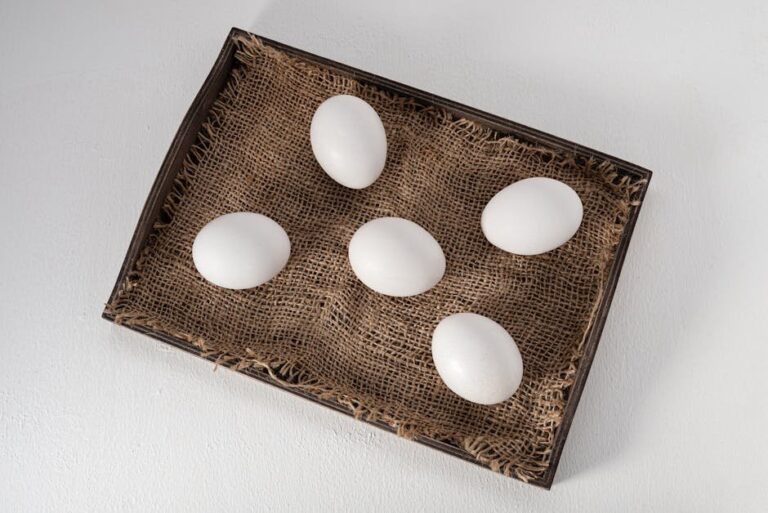
What Are False Eggs?
False eggs are a fascinating phenomenon that can occur in nesting boxes, and understanding their purpose is crucial for managing this behavior effectively. Let’s dive into what false eggs are and why birds create them.
Definition and Explanation
Birds have been known to exhibit peculiar behavior when it comes to nesting, and one such phenomenon is the laying of false eggs. Also referred to as “dummy eggs” or “pseudogestation,” this behavior involves a bird depositing an egg that is either infertile or made from non-organic materials like paper, cloth, or even feces.
This unique behavior can manifest in various ways and is often observed in birds such as parrots, macaws, and cockatiels. It’s essential to understand the reasons behind this behavior, which may be linked to stress, anxiety, or even a bird’s attempts to appear more attractive to potential mates.
When encountering false eggs in nesting boxes, it’s crucial to recognize that they are not indicative of successful breeding. In fact, some birds may continue to lay these eggs repeatedly, further complicating the situation. To manage this behavior effectively, it’s vital to identify the underlying causes and address them promptly, whether through environmental adjustments or providing a suitable mate for the bird in question.
Causes of False Eggs
Birds may lay false eggs for various reasons, including reproductive manipulation. Some species, like birds of prey and waterfowl, have been observed to deliberately introduce fake eggs into their nests. This behavior can be a way to confuse predators or rival birds, making it difficult for them to determine the nest’s actual contents.
Stress is another potential cause of false egg laying in nesting boxes. Birds may respond to stress by engaging in abnormal behaviors, including introducing fake eggs into their nests. Environmental factors such as overcrowding and inadequate nesting materials can contribute to a bird’s stress levels.
Certain species are more prone to exhibiting this behavior than others. For example, some breeds of domestic ducks have been known to lay false eggs due to reproductive manipulation. Birds like the Great Grey Owl have also been observed laying fake eggs in their nests. It is essential for bird enthusiasts and owners to understand these underlying causes and take steps to minimize stress in nesting boxes and provide a suitable environment for birds.
Why Do Birds Lay False Eggs?
You might be wondering why birds go to the trouble of laying false eggs, and it’s a behavior that can leave owners of nesting boxes scratching their heads. Let’s dive into some possible reasons behind this phenomenon.
Reproductive Manipulation in Birds
Some bird species, particularly those with complex social structures, use false eggs as a means of reproductive manipulation to influence their mates or rivals. This behavior is often observed in birds like peafowl, pheasants, and some species of waterfowl.
In these cases, the female bird will lay a false egg that resembles a real one in terms of size, shape, and color. The purpose behind this behavior can vary depending on the species, but it’s commonly used to deceive a mate into thinking the nest is fertile or to deter rivals from approaching the nest. For instance, some male birds may use false eggs as a way to ensure that their mate invests energy in raising offspring that are likely to be theirs.
Bird owners should note that reproductive manipulation can occur in domesticated bird species too. If you notice your bird laying false eggs, it’s essential to investigate further and understand the underlying reasons for this behavior. By doing so, you can take steps to manage and address any issues related to reproductive manipulation, ensuring a healthier and more balanced environment for your birds.
Stress and Environmental Factors
Birds laying false eggs is often a complex issue influenced by various environmental and stress-related factors. When birds experience stress due to overcrowding, competition for food or nesting sites, or even the presence of predators, they may resort to laying decoy eggs as a coping mechanism.
For example, studies have shown that some bird species will lay more false eggs when they feel threatened or stressed by their environment. In one notable study, researchers found that birds in crowded nesting boxes were more likely to produce false eggs than those in less populated areas.
Habitat quality also plays a significant role in this behavior. Birds may lay false eggs if their nesting sites are poorly maintained, leading to increased stress levels and competition for resources. Factors such as inadequate ventilation, poor insulation, or unsanitary conditions can all contribute to the likelihood of false egg laying.
To mitigate these issues, it’s essential to maintain a healthy and balanced environment within your bird-keeping setup. This includes providing adequate space, ensuring proper nesting box maintenance, and promoting a stress-free atmosphere for your birds.
Types of False Eggs
When it comes to false eggs, not all are created equal, and understanding the different types is crucial for identifying and managing this behavior effectively. Let’s take a closer look at some common types of false eggs.
Material-Based False Eggs
Birds may create false eggs from non-organic materials such as paper, cloth, or feces. This behavior is often observed in species where laying actual eggs is not a priority, like certain parrot species. For instance, African Greys have been known to gather small twigs and shape them into egg-like forms.
The European Starling, on the other hand, will frequently collect mud and deposit it around their nesting site to create fake eggs that mimic the appearance of real ones. This behavior helps deter potential predators from disturbing their actual nest.
Some bird owners have reported finding cloth or paper strips wrapped around twigs, carefully positioned in a way that resembles an egg. In such cases, the bird may be attempting to communicate its reproductive status or protect its nesting site from other birds.
When managing false eggs made of non-organic materials, it’s essential to monitor your bird’s behavior and adjust their environment accordingly.
Feces-Based False Eggs
Some bird species may resort to creating false eggs made from their own feces, especially when under high levels of stress. This unusual behavior is often seen in birds that are new to nesting boxes or those with limited experience raising young. For instance, a stressed-out parrot might collect its droppings and carefully shape them into an egg-like form, sometimes even adding delicate details like ridges or texture.
This feces-based false egg phenomenon can be triggered by various factors such as overcrowding in the nest box, lack of nesting materials, or changes in the bird’s environment. If you’re observing this behavior in your birds, it’s essential to identify and address the underlying cause. Provide a suitable nesting environment with plenty of space, clean water, and a variety of nesting materials like twigs, grasses, and pine needles. You can also try moving any birds that are particularly stressed or dominant to separate nest boxes.
Keep in mind that creating false eggs from feces is not just a quirk but an indicator of your bird’s emotional state. By recognizing this behavior as a sign of distress, you can take proactive steps to improve their living conditions and reduce stress levels.
Consequences of False Egg Laying
If you’ve noticed a bird laying false eggs, it can have significant consequences on its behavior and health, as well as its interaction with other birds. This section will explore these potential outcomes in more detail.
Impact on Reproductive Success
When birds lay false eggs in their nesting boxes, it can have serious consequences on their reproductive success. One of the primary effects is reduced fertility. This occurs when a bird’s body continues to lay eggs even after its eggs are fertilized, causing an imbalance in hormone levels and potentially leading to infertile eggs or failed breedings.
This phenomenon can be particularly distressing for breeders who have spent time selecting for high-quality birds. Not only does it affect the individual bird’s reproductive capabilities, but it also impacts the overall flock’s genetic diversity. Imagine investing years into breeding a specific strain of bird, only to have it rendered infertile by false egg laying.
Furthermore, the energy expenditure associated with false egg laying can be substantial. Birds may allocate significant resources towards producing large clutches of eggs, even if they are not viable for hatching. This excess energy expenditure can leave birds weakened and more susceptible to disease or environmental stressors.
Effects on Social Structure
False egg laying can have far-reaching consequences that extend beyond individual birds to affect the social dynamics within entire bird colonies. In species with complex social hierarchies, such as parrots and corvids, false eggs can disrupt the delicate balance of power and influence among flock members.
For example, in a breeding season where multiple females are competing for dominance, the discovery of a false egg may lead to aggression and conflict between rival females vying for access to resources. In some cases, dominant birds may even resort to removing or destroying genuine eggs laid by subordinate females, further exacerbating social tensions.
Bird breeders can mitigate these effects by closely monitoring their flock’s behavior and intervening early if they notice signs of false egg laying. This might involve providing additional nesting boxes or creating a more equitable environment where all birds have access to resources without resorting to deception. By understanding the underlying causes of false egg laying, bird owners can promote social harmony within their flocks and reduce stress on individual birds.
Managing False Egg Laying Behavior
If you’ve noticed birds laying fake eggs, it’s essential to understand why they’re doing so and take steps to manage this behavior effectively. This can help reduce stress on both your birds and yourself.
Preventive Measures
To prevent false egg laying in captive birds, it’s essential to provide them with an enriching environment that simulates their natural behavior. One effective approach is to offer a variety of nesting materials, such as twigs, grasses, and plant fibers, allowing birds to engage in natural foraging behaviors. You can also rotate the nesting boxes regularly to maintain novelty and interest.
Behavioral modification techniques can also be employed to discourage false egg laying. Provide your birds with enough space and stimulation to reduce stress and anxiety, which are common triggers for this behavior. Encourage physical activity through regular exercise, such as flying or running on a treadmill. Additionally, ensure that the lighting in the aviary is adequate, as some birds may lay eggs in response to lack of light.
In terms of specific enrichment activities, consider introducing toys and puzzles that challenge your birds’ problem-solving skills. For example, you can place food rewards inside hollow logs or puzzle feeders, encouraging your birds to figure out how to access them. By providing a stimulating environment, you can redirect your birds’ energy away from false egg laying and towards more natural behaviors.
Identification and Removal of False Eggs
Recognizing false eggs in nesting boxes is crucial to preventing continued stress on the birds and minimizing damage to their environment. When you identify a false egg, it’s essential to remove it promptly to discourage future behavior.
To determine whether an egg is true or false, inspect it for cracks, soft spots, or any other signs of decay. False eggs are often laid by birds experiencing anxiety, stress, or reproductive issues. Removing these eggs can help alleviate the underlying causes and prevent further nesting attempts.
Remove false eggs carefully to avoid disturbing the surrounding nesting material. Clean and disinfect the nesting box thoroughly after removal to prevent the spread of disease. Replace any torn or damaged nesting materials with fresh ones to create a comfortable environment for the birds.
Remember, early identification and removal of false eggs can significantly reduce stress on the birds and help maintain a healthy flock. Regular monitoring and maintenance of nesting boxes are vital in preventing false egg laying behavior from becoming a persistent issue.
Case Studies: Birds That Exhibit False Egg Laying
Let’s take a closer look at some real-life examples of birds that have been known to lay false eggs, including specific species and their behaviors. This section provides fascinating case studies for consideration.
Specific Examples from the Avian World
Some bird species are notorious for laying false eggs in their nesting boxes, and it’s essential to understand these behaviors to manage them effectively. Let’s take a closer look at the budgerigar (parakeet), canary, and pigeon, which are known to exhibit this unique behavior.
The budgerigar is one of the most common birds to lay false eggs. In fact, studies have shown that up to 70% of budgie pairs will lay fake eggs in their nesting box. This behavior is often triggered by stress or anxiety caused by changes in the bird’s environment, such as a new cage mate or a change in its diet.
Canaries are also prone to laying false eggs, particularly if they’re housed in small aviaries with limited space. In one notable case study, a canary laid 15 fake eggs over the course of several weeks, only stopping when it was moved to a larger enclosure.
Pigeons, on the other hand, often lay false eggs as a result of their natural instinct to incubate. While they typically don’t build nests like many other bird species, pigeons will sometimes place rocks or twigs in their nesting box and then cover them with soft material to create a fake egg. In some cases, pigeon owners have even reported finding multiple fake eggs in the same nest.
In each of these examples, it’s essential to recognize that false egg laying is often a coping mechanism for stress or anxiety. By providing your birds with a stable and comfortable environment, you can help reduce the likelihood of this behavior occurring. This might involve introducing new toys or perches, rotating their food and water, or even moving them to a different location.
By understanding the unique behaviors exhibited by these bird species, you’ll be better equipped to manage false egg laying in your own flock and create a more harmonious environment for all your birds.
Frequently Asked Questions
Can false eggs be prevented entirely through proper management and environmental control?
Yes, while it’s challenging to eliminate false egg laying completely, effective management strategies can significantly reduce its occurrence. Maintaining a clean and stress-free environment, providing suitable nesting materials, and establishing clear dominance hierarchies within the flock can help minimize this behavior.
How do I identify and remove false eggs without stressing out the birds or disrupting their natural behavior?
Identify false eggs by their unusual shape, size, or composition. Remove them carefully to avoid startling the birds, and replace them with a new nesting material to encourage the birds to rebuild their nest. Monitor the flock’s behavior closely after removal to ensure they adapt well.
Can I use alternative materials for nesting boxes to discourage false egg laying?
Yes, using different types of nesting materials can influence the birds’ behavior. Offering a variety of natural materials like grasses, twigs, and moss may encourage birds to lay real eggs instead of false ones. However, it’s essential to ensure these materials are safe and non-toxic for the birds.
What if I notice stress or aggressive behavior among my birds due to false egg laying?
If you observe increased stress or aggression among your birds, take immediate action. Separate the dominant bird from the rest of the flock, clean and disinfect the nesting box, and provide additional enrichment activities to reduce tension. Monitor their behavior closely after intervention.
How do I balance managing false eggs with preserving the natural reproductive behaviors of my birds?
It’s crucial to strike a balance between controlling false egg laying and allowing your birds to exhibit natural reproductive behaviors. Establish clear guidelines for management and monitoring, and be prepared to adapt your approach as you observe the effects on your flock’s behavior and overall well-being.