
If you’re a cat owner or simply a curious animal lover, chances are you’ve encountered your feline friend exhibiting some ruthless hunting behavior. Cats are notorious for their predatory skills, but have you ever wondered why they engage in killing? It’s not just about satisfying their natural instincts – various factors come into play. From the influence of domestication to environmental pressures, there are many reasons behind a cat’s decision to kill. In this article, we’ll delve into the complexities of cat killing behavior and explore ways to manage feral cat populations for a harmonious coexistence between humans and wildlife. We’ll discuss practical tips on how to prevent cat-killing behavior in your own home and look at effective strategies for controlling feral cat numbers.
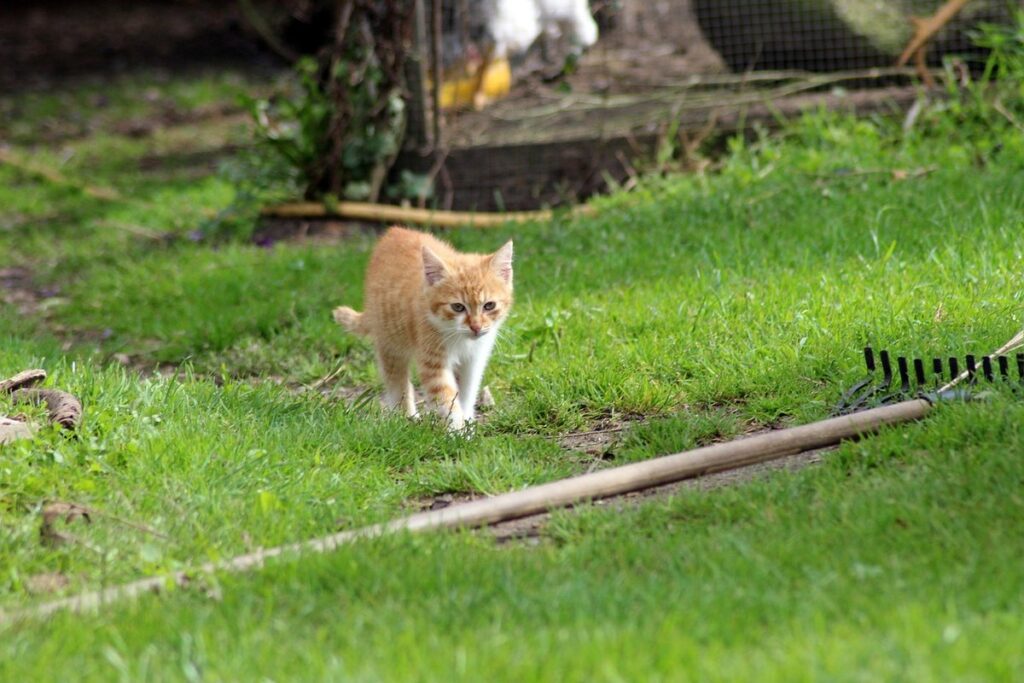
The Prevalence of Cat-Killing Behavior
Let’s take a closer look at why cats engage in this behavior, including the estimated number of animals they kill each year. You’ll be surprised by just how common it is.
Hunting Instincts and Survival Needs
Cats are natural predators, and their hunting instincts are deeply ingrained in their behavior. In the wild, cats have evolved to hunt small prey for survival, using techniques like stalking, pouncing, and ambushing. This innate ability is still present in domesticated cats, which can lead them to target other animals, even if they’re well-fed.
To understand why cats kill, it’s essential to recognize their primal needs. Cats need exercise, mental stimulation, and a sense of purpose, which can be fulfilled through hunting and play. If these needs aren’t met through alternative means, such as interactive toys or scratching posts, cats may resort to killing other animals to satisfy their instincts.
In fact, research suggests that up to 50% of domesticated cats engage in prey drive behavior, even if they’re not hungry. This means that simply providing food and shelter is not enough; owners must also address the cat’s mental and physical needs to prevent unnecessary killing. By recognizing these fundamental drives and taking steps to redirect them, we can help reduce the prevalence of cat-killing behavior.
Factors Contributing to Aggressive Behavior
When it comes to understanding why cats engage in aggressive behavior, environmental factors often play a significant role. One of the most obvious contributors is hunger – if a cat is not receiving enough food or nutrition, they may become desperate and lash out at other animals. This can be especially true for outdoor cats that hunt to supplement their diet.
Territorialism is another key factor, particularly in multi-cat households where each cat has its own territory and may defend it aggressively. Even indoor cats can develop territorial instincts if they’re not provided with enough space or resources.
It’s also worth noting that certain environmental conditions can trigger aggressive behavior in cats, such as changes in weather, noise levels, or even the presence of other animals. By recognizing these underlying causes, you can take steps to address them and reduce the likelihood of your cat engaging in aggressive behavior towards other animals. For example, ensuring a stable food supply or providing separate spaces for each cat in a multi-cat household can go a long way in reducing tensions.
The Role of Domestication
Domestication has significantly impacted cat behavior, particularly when it comes to their natural killing instinct. In the wild, cats are skilled predators that feed on small mammals, birds, and reptiles to survive. However, through thousands of years of domestication, many indoor cats have lost touch with this primal urge, except for a few instances where they’re forced to hunt due to environmental or hunger reasons.
Some studies suggest that when indoor cats are given the opportunity to engage in natural hunting behavior, such as playing with prey-like toys, their killing instinct is reactivated. This can sometimes manifest in a cat killing another pet in the household, especially if it’s small and unsuspecting.
To minimize this risk, consider providing your cat with adequate stimulation through playtime and exercise, including activities that mimic hunting, like laser pointers or feather wands. However, be aware that some cats may still retain their natural instincts despite these efforts, and supervision is essential when introducing multiple pets to the same household.
Cats Killing Small Animals: A Common Phenomenon
While it may seem disturbing, many cat owners have witnessed their pets killing small animals, sparking concerns about feline behavior and instincts. Let’s explore this phenomenon in more detail.
Prey Species Affected by Cat-Killing Behavior
Domestic and feral cats are known to be skilled hunters, preying on various small animals that venture into their territory. Some of the most common prey species targeted by these felines include birds, such as sparrows, finches, and robins, which are often found dead or injured near homes with outdoor cat populations.
Other frequently affected prey species include rodents like mice and rats, lizards, snakes, and even larger animals like rabbits and hares. Feral cats, in particular, tend to target a wide range of wildlife due to their adaptability and survival instincts.
It’s worth noting that the impact of cat-killing behavior can be significant, with estimates suggesting that domestic cats alone kill over 1 billion birds and other small animals annually in the United States. In addition, feral cat colonies have been linked to declining populations of local wildlife, making it essential for homeowners and community members to consider responsible pet ownership practices.
By taking steps such as providing adequate food and shelter for pets, spaying or neutering cats to reduce roaming, and implementing measures like window screens and bird-friendly gardens can help mitigate the impact of cat-killing behavior on local wildlife.
Reasons Behind the Targeting of Specific Species
Cats are notorious for their hunting prowess, and it’s not uncommon to see them targeting specific species. But why do cats seem to favor certain animals over others? The answer lies in a combination of factors, including size, vulnerability, and availability.
When it comes to size, smaller animals such as birds, mice, and rabbits are often at the mercy of their feline predators. Cats have evolved to be efficient hunters, with reflexes and agility that allow them to catch prey much larger than themselves. Smaller animals, on the other hand, offer little resistance and can be easily overwhelmed by a cat’s stealth and power.
Vulnerability is another key factor in a species’ susceptibility to cat attacks. Animals with weak defenses or those that are injured or stressed are more likely to become a cat’s next meal. For example, birds with broken wings or baby rabbits separated from their mothers are easy prey for cats.
In addition to size and vulnerability, availability also plays a significant role in a species’ likelihood of being targeted by cats. Cats are opportunistic hunters, and they will attack what’s available to them. If a particular species is abundant in an area, it’s likely that cats will take advantage of the situation.
By understanding these factors, cat owners can take steps to protect their pets from over-hunting and ensure that other animals in the neighborhood remain safe. One way to do this is by providing your cat with alternative sources of prey, such as toys or interactive playthings, which can satisfy their hunting instinct without putting other animals at risk.
The Impact of Feral Cats on Local Ecosystems
Feral cats can have a devastating impact on local ecosystems, and understanding their effects is crucial for protecting vulnerable species and preserving delicate balances in nature. Let’s explore this critical issue together.
Effects on Native Wildlife Populations
When feral cat populations are left unchecked, they can have devastating effects on native wildlife populations. These animals, often referred to as “invasive predators,” can outcompete and displace native species for food and resources, leading to a decline in their populations.
In some areas, feral cats have been linked to the extinction of entire native bird species. For example, on islands where invasive predators have been introduced, bird populations can drop by up to 90% within just a few years. This is because feral cats are skilled hunters that feed on ground-dwelling birds and reptiles, as well as smaller mammals.
To combat this issue, it’s essential to take steps to manage feral cat populations humanely. This can be achieved through Trap-Neuter-Return (TNR) programs, which involve trapping feral cats, spaying or neutering them, and then releasing them back into their colonies. By preventing further reproduction, we can reduce the number of feral cats in an area over time.
Local wildlife management agencies often work with community groups to implement these programs and monitor their effectiveness. By working together, we can mitigate the impact of feral cats on native wildlife populations and preserve the delicate balance of local ecosystems.
Consequences for Biodiversity and Ecosystem Services
Feral cats are a significant threat to local ecosystems, and their presence can have far-reaching consequences for biodiversity and ecosystem services. The impact is multifaceted, with feral cats preying on native birds, reptiles, amphibians, and mammals, thereby altering the delicate balance of species populations.
The loss of key predators or prey species can cascade through an ecosystem, leading to changes in population dynamics and community composition. For example, if a top predator like a native bird is eliminated by feral cats, its herbivorous prey may overgraze vegetation, degrading habitats for other species that depend on them.
Native species are also at risk of extinction due to the ongoing predation pressure from feral cats. In some cases, even small populations can be decimated within a short period. For instance, in Australia’s Kakadu National Park, feral cats have been identified as one of the major threats to endangered native wildlife, including birds and reptiles.
To mitigate these effects, consider supporting local TNR (trap-neuter-return) programs or participating in cat management initiatives. By controlling feral cat populations and promoting coexistence with native species, we can help preserve ecosystem balance and support biodiversity conservation efforts.
Can We Prevent Cat-Killing Behavior?
As we explore the complex issue of cats killing other animals, let’s turn our attention to a crucial question: can we prevent such behavior altogether? What are some potential strategies for reducing cat-aggression?
Strategies for Responsible Pet Ownership
As cat owners, it’s essential to acknowledge that our pets’ natural instincts may sometimes lead them to engage in killing behavior. However, by implementing some simple strategies, we can minimize the likelihood of this occurring.
Environmental enrichment is key in reducing your cat’s urge to hunt and kill. This involves creating a stimulating environment that meets their physical and mental needs. Provide plenty of toys, scratching posts, and climbing structures to keep them engaged. Rotate these items regularly to prevent boredom. You can also try hiding treats or kibble around the house to encourage hunting behavior in a controlled manner.
Behavioral modification techniques are another crucial aspect of responsible pet ownership. Reward your cat for calm behavior and avoid reinforcing aggressive actions. If you catch your cat engaging in killing behavior, calmly and gently redirect them towards an acceptable activity. Consistency is essential when teaching new behaviors, so ensure all family members follow the same approach.
Additionally, consider providing your cat with window perches or outdoor enclosures to allow them a safe view of the outdoors while minimizing their ability to escape and hunt. By implementing these strategies, you can significantly reduce the likelihood of your cat engaging in killing behavior.
Trap-Neuter-Return (TNR) Programs as a Solution
Trap-Neuter-Return (TNR) programs have gained popularity as a humane and effective solution to manage feral cat populations. By spaying or neutering cats, TNR programs not only reduce their numbers but also minimize the likelihood of aggressive behavior, including cat-killing. This approach has been shown to be highly successful in cities like New York City, where a coordinated TNR effort has reduced the number of community cats by over 50%.
One key aspect of TNR is that it addresses the root cause of feral cat populations: reproduction. When intact males roam to find mates, they can spread disease and fight with other cats, leading to fatal conflicts. By removing this reproductive drive through spaying or neutering, TNR programs create a more peaceful coexistence between feral cats and local wildlife.
To implement an effective TNR program, you’ll need to assemble a team of volunteers, veterinarians, and community partners. Start by identifying areas with high feral cat populations and work with local animal welfare organizations to establish a network of care providers. Next, set up Trap-Neuter-Return stations where cats can be trapped, neutered, and released back into their colonies. With time and consistency, TNR programs have been proven to reduce cat-killing behavior and create healthier, more stable feral cat populations.
The Intersection of Cat-Killing Behavior and Human Health
As we explore the complex issue of cats killing other animals, it’s essential to consider how this behavior may impact human health and well-being. Research suggests a surprising connection between feline predation and public health risks.
Zoonotic Diseases Transmitted by Cats
Cats are notorious for their stealthy hunting prowess, but what’s less well-known is the potential health risks they pose to humans. Zoonotic diseases, such as Toxoplasmosis, can be transmitted from cats to humans through contact with their feces or saliva. This means that cat owners and anyone who interacts with felines should take precautions to minimize the risk of infection.
Toxoplasmosis is a parasitic disease caused by the Toxoplasma gondii parasite, which is commonly found in cat feces. When an infected cat defecates, it can leave behind oocysts that contain the parasite. If you’re not careful, these oocysts can be disturbed and released into the air, where they can be easily inhaled or ingested through contact with contaminated surfaces.
To put this risk into perspective, consider this: according to the World Health Organization (WHO), an estimated 30% of people worldwide are infected with Toxoplasma gondii. In pregnant women, this infection can lead to serious complications, including miscarriage and birth defects.
To protect yourself from zoonotic diseases like Toxoplasmosis, make sure to:
* Wear gloves when handling cat litter or cleaning the litter box
* Wash your hands thoroughly after interacting with cats or their waste
* Keep children away from areas where cats defecate
* Consider having a veterinarian test your cat for Toxoplasma gondii before adopting it as a pet
Public Health Concerns and Prevention Strategies
Cats killing other animals can have significant public health implications. These include the transmission of diseases such as rabies, feline leukemia, and toxoplasmosis to humans through direct contact with infected cats or consumption of contaminated food. In some cases, these diseases can be fatal if left untreated.
Prevention strategies involve taking steps to minimize disease transmission. This includes regular vaccination against diseases such as rabies and feline leukemia, as well as maintaining good hygiene practices when handling animals. It’s also essential to prevent outdoor access for cats that aren’t neutered or spayed, reducing the risk of cat fights and disease transmission.
In addition, it’s crucial to monitor your cat’s behavior and health closely. Keep an eye out for signs such as excessive scratching, vomiting, or lethargy, which can indicate the presence of a disease. Regular veterinary check-ups are also essential in maintaining your cat’s overall health and preventing disease transmission.
By taking these steps, you can reduce the risk of disease transmission associated with cat-killing behavior.
The Way Forward: Balancing Human-Cat Relationships and Wildlife Conservation
Now that we’ve explored the complexities of cats killing other animals, let’s focus on finding a balance between our furry friends’ needs and protecting wildlife. This section will outline practical steps to take.
Implementing Effective Cat Management Strategies
Effective cat management strategies are crucial to mitigate the impact of feral cats on wildlife populations. To achieve this, coordinated efforts among local authorities, conservation organizations, and community members are necessary. One essential aspect is education campaigns that raise awareness about the consequences of feral cat colonization and its effects on native species.
Community engagement initiatives can help identify areas with high feral cat activity, allowing targeted interventions to be implemented. For instance, Trap-Neuter-Return (TNR) programs enable the humane capture of cats, spaying/neutering them, and releasing them back into their colonies. This approach not only reduces reproduction but also decreases aggression towards wildlife.
Additionally, community-based education campaigns can promote responsible cat ownership, encouraging pet owners to keep their animals indoors or at least prevent escape attempts. By working together and adopting effective management strategies, we can reduce the devastating impact of feral cats on local ecosystems and create a safer environment for both humans and wildlife to coexist.
Finding a Balance Between Human Welfare and Environmental Concerns
Finding a balance between human welfare and environmental concerns is a delicate task when it comes to cat-killing behavior. On one hand, many people view their feline companions as beloved members of the family, and it’s natural to want to protect them from potential harm. However, this concern for human welfare often clashes with the need to conserve wildlife populations.
In reality, cats are a significant threat to native wildlife, particularly in areas where they have been introduced or allowed to roam freely. According to estimates, outdoor cats kill billions of birds and small mammals every year, contributing to population declines and even extinctions. So, what can be done?
One practical approach is to implement TNR (Trap-Neuter-Return) programs for community cats, which not only reduces the number of unwanted litters but also decreases hunting behavior in individual cats. By spaying or neutering your own cat, you’re also contributing to the effort. Additionally, consider providing a safe and enriching indoor environment for your feline friends, complete with scratching posts, toys, and vertical space. This not only keeps them occupied but also protects local wildlife from potential harm.
Frequently Asked Questions
What are some practical tips for managing feral cat populations, especially in areas with high prey species density?
Managing feral cats effectively requires a multi-faceted approach. Start by identifying the area’s TNR (Trap-Neuter-Return) programs and collaborating with local animal welfare organizations. Provide food sources that don’t attract predators to your property, like bird-friendly plants or insect-repellent garden beds. Educate neighbors about feral cat management techniques and encourage them to participate.
How can I identify whether a domesticated cat’s hunting behavior is due to natural instincts or environmental pressures?
Monitor your cat’s hunting patterns: if they’re targeting specific species consistently, it may be an indication of their prey drive. Also, consider factors like access to outdoors, previous hunting experiences, and even stress levels. By understanding these influences, you can develop targeted strategies to manage their behavior.
Are there any effective methods for reducing cat-killing behavior in multi-cat households?
Households with multiple cats can benefit from separate feeding areas to prevent resource competition and associated aggression. Spay or neuter your cats to minimize territorial marking and reduce hunting drive. Increase playtime, provide enrichment activities, and rotate toys regularly to keep them mentally stimulated.
Can I still participate in Trap-Neuter-Return (TNR) programs if my area has strict regulations on feral cat management?
Yes, TNR can be adapted to comply with local laws while maintaining its effectiveness. Collaborate with your local animal welfare group or consult with a professional to identify suitable alternatives. Together, you can explore temporary relocation options for the cats during peak breeding seasons or develop strategies that align with local regulations.
What are some warning signs of zoonotic diseases in domesticated cats and how can I prevent transmission?
Keep an eye out for symptoms like vomiting, diarrhea, lethargy, or changes in appetite. Regular veterinary check-ups can help identify underlying health issues early on. Ensure your cat’s vaccinations are up-to-date, wash hands thoroughly after handling them, and maintain cleanliness around their food and living areas to minimize disease transmission.