
Have you ever noticed that your chicken’s comb has changed color? Maybe it used to be a vibrant red, but now it looks more pale or even blue-ish? If so, you’re not alone. Chicken comb color changes can be a cause for concern among backyard flock owners and farmers alike. But why do they happen in the first place? Is it something to worry about, or just a normal part of your bird’s life cycle? In this article, we’ll explore the underlying causes of chicken comb color changes – from genetics and aging to health issues like anemia and vitamin deficiencies. We’ll also cover how to diagnose and treat these conditions, so you can keep your flock healthy and thriving.
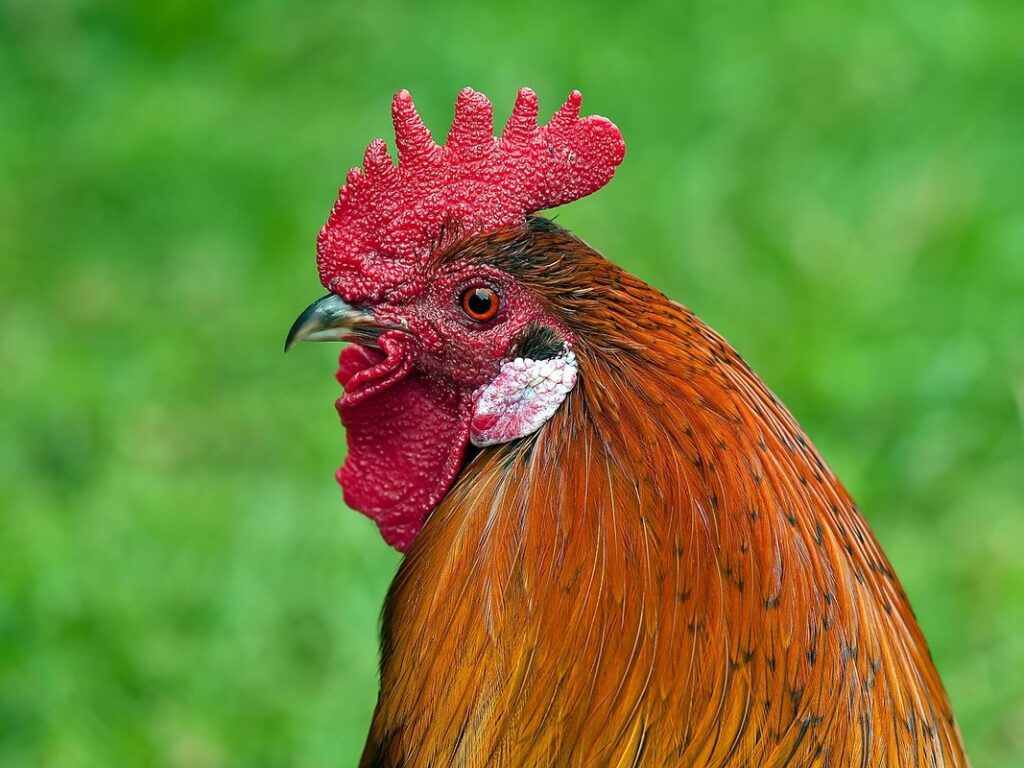
What is a Chicken’s Comb and Why Does Its Color Matter?
So, you’ve noticed your chicken’s comb changing color, but what does it mean? Let’s explore the function of this vital feature and why its color is a crucial indicator of your bird’s health.
Importance of the Comb in Fowl Health
A chicken’s comb is more than just a colorful decoration on top of their head; it’s a vital organ that plays a crucial role in maintaining their overall health and well-being. As a poultry owner, understanding the importance of the comb can help you identify potential health issues early on.
The comb helps regulate body temperature by dissipating excess heat, which is especially important for chickens as they don’t have sweat glands like humans do. A healthy comb should be firm to the touch, with no signs of dehydration or scorching. If the comb appears pale, shriveled, or dry, it may indicate a problem with the chicken’s overall health.
Pay attention to changes in your flock’s comb color and texture. A bright red comb is often an indicator of good health, while a dull or pale one can be a sign of nutritional deficiencies or stress. Regularly inspecting your chickens’ combs can help you detect potential issues before they become severe.
Normal Comb Colors and Characteristics
A healthy chicken’s comb typically displays a vibrant red color, often with a slight pinkish tint. The comb is made up of small, thread-like blood vessels that help regulate the bird’s body temperature. A well-vascularized comb usually indicates good health and proper circulation.
When observing your flock, look for combs that are firm to the touch and have no signs of discoloration or softness. Healthy combs should also be free of cracks, splits, or breaks. On average, a chicken’s comb can range in size from about 1-3 inches in length, depending on breed.
For example, Leghorn hens tend to have smaller combs, while Brahma roosters sport larger ones. It’s essential to become familiar with the normal characteristics of your flock’s comb to recognize any potential changes or issues that may arise. Keep in mind that factors like diet, environment, and age can impact comb color and health.
Reasons Behind Chicken Comb Color Changes
As you learn more about chicken health, it’s essential to understand why your flock’s combs might change color. Let’s dive into the reasons behind these transformations in the next section.
Genetics and Breeding
When it comes to genetics and breeding, understanding their impact on chicken comb color changes is crucial. The color of a chicken’s comb can be influenced by genetics, with certain breeds exhibiting unique or altered comb colors due to selective breeding.
For instance, some popular backyard chicken breeds like the Silkie and Polish have combs that are significantly different from those found in commercial chickens. This is because breeders have selectively bred these birds for specific traits, including their comb color and texture. In the case of Silkies, their bearded combs are often pink or red, while Polish hens may have a fleshy, reddish-pink comb.
As you consider breeding your own backyard chickens, keep in mind that genetics play a significant role in determining comb color. If you’re looking to develop a breed with unique characteristics, research the genetic traits of your flock and select birds that exhibit the desired comb color. By doing so, you can influence the next generation’s comb color through careful selection and breeding practices.
In summary, understanding how genetics influence chicken comb color changes is essential for any backyard breeder or enthusiast looking to develop their own unique breed.
Age-Related Changes
As chickens mature, their combs undergo significant physical changes that can also impact their color. One of the most noticeable age-related changes is a shift from bright red to more muted tones. This transformation typically starts around 6-8 months of age and can become more pronounced over time.
In young pullets, the comb is usually a vibrant reddish-pink hue due to an abundance of tiny capillaries close to the skin’s surface. As chickens reach middle age (around 1-2 years), these blood vessels start to break down, leading to reduced oxygen delivery and subsequent color changes. The decrease in oxygen supply can cause the comb to appear more brown or pinkish-brown.
The impact of aging on a chicken’s comb is not just cosmetic; it also reflects underlying physiological changes. A duller comb can signal declining health, so monitoring your birds’ combs regularly is essential for identifying potential issues early on.
Health Issues Causing Comb Color Alterations
When it comes to chicken comb color changes, health issues can be a major contributing factor. One common issue that can cause a noticeable change in comb color is anemia. Chickens with anemia may develop pale combs due to a lack of red blood cells or hemoglobin. This can be caused by internal parasites, poor nutrition, or even genetics.
Another health issue that can affect comb color is thyroid disorders. Some chickens may develop goiter, which is an enlargement of the thyroid gland that can cause the comb to turn pale or discolored. This can be caused by a lack of iodine in their diet, among other things.
Vitamin deficiencies are also a common culprit when it comes to changes in comb color. A lack of vitamin B12, for example, can cause a chicken’s comb to become pale and soft. This is because vitamin B12 plays a crucial role in the production of red blood cells. If you suspect that your chicken has an underlying health issue causing their comb color change, it’s essential to consult with a veterinarian as soon as possible.
Chickens with poor nutrition or a lack of access to fresh water and sunlight may also experience changes in their comb color. For example, if they’re not getting enough vitamin D from the sun, their combs may turn pale or discolored. Regular check-ups and monitoring of your chicken’s diet and living conditions can help prevent these issues and ensure optimal health.
In addition to anemia, thyroid disorders, and vitamin deficiencies, other underlying health issues such as mites, lice, and bacterial infections can also cause changes in comb color. These issues can often be treated with medication or through good hygiene practices, so it’s essential to catch them early on.
Anemia and Chicken Comb Color
Did you know that a pale comb can be a sign of anemia in chickens? Let’s explore how anemia affects comb color and what it means for your flock’s health.
Causes of Anemia in Chickens
Anemia in chickens is often caused by nutritional deficiencies, particularly a lack of iron or vitamin B12. These essential nutrients play a crucial role in the production of red blood cells, which carry oxygen throughout the chicken’s body. If a chicken’s diet is inadequate, it may not receive enough of these vital vitamins and minerals.
Diseases such as Marek’s disease, infectious coryza, and chronic respiratory diseases can also lead to anemia in chickens. These conditions can cause a range of symptoms, including pale comb and wattles, lethargy, and decreased egg production. If left untreated, these diseases can have serious consequences for the flock.
Parasites like mites, lice, and fleas can also contribute to anemia in chickens by causing chronic blood loss and weakening the bird’s overall health. Regular cleaning of coops, monitoring of birds’ behavior, and prompt treatment of any infestations are essential steps to prevent parasitic-related anemia.
It is worth noting that anemia can be a symptom of underlying issues rather than the primary cause. Therefore, it is crucial to identify the root cause of the problem and address it promptly to ensure the flock’s overall health and well-being.
How Anemia Affects Chicken Comb Color
When it comes to chicken health, one of the most visible signs of illness is changes in comb color. Anemia, a condition caused by a lack of red blood cells or hemoglobin, can manifest physically on a chicken’s comb in distinct ways.
In a healthy chicken, the comb should be bright red, almost purplish in color. However, if your chicken has anemia, you may notice that its comb starts to pale and take on a more grayish or pinkish hue. This discoloration is often one of the earliest signs of anemia, and it can be an indication that your chicken is not producing enough red blood cells.
As anemia progresses, other changes in coloration may occur. The comb may become duller and take on a more brownish or blackish tint. In severe cases, the comb may even turn pale blue or white. If you suspect that your chicken has anemia, it’s essential to consult with a veterinarian as soon as possible.
Keep in mind that other factors can also cause changes in comb color, such as genetics, age, and environmental conditions. However, if you notice any unusual discoloration, it’s always better to err on the side of caution and investigate further.
Vitamin Deficiencies and Chicken Comb Health
Understanding the role of vitamin deficiencies in chicken comb health is crucial for recognizing potential issues with your flock’s overall well-being. Let’s explore how these deficiencies can affect their combs.
Impact of Vitamin B12 Deficiency
Vitamin B12 deficiency is a common issue that can significantly impact a chicken’s overall health and appearance. Characteristic color changes in the comb are one of the earliest signs of this deficiency. The comb may turn pale pink or white, losing its normal red color. This discoloration is often accompanied by other symptoms such as lethargy, weight loss, and poor feather growth.
The role of vitamin B12 in chicken health cannot be overstated. It plays a crucial part in the production of red blood cells, which are responsible for carrying oxygen to the tissues. Without sufficient vitamin B12, these cells become dysfunctional, leading to oxygen deprivation in various body parts, including the comb. This deficiency can occur due to inadequate nutrition, particularly if the chicken’s diet lacks animal-based protein sources.
If you suspect your flock is suffering from a vitamin B12 deficiency, consult with a veterinarian for proper diagnosis and treatment. In some cases, providing supplements or changing the chicken feed may resolve the issue. Regular monitoring of your flock’s health and observing changes in their combs can help identify potential problems early on, allowing you to take corrective measures promptly.
Role of Other Vitamins in Comb Color Maintenance
In addition to vitamin E, several other essential vitamins play a crucial role in maintaining healthy comb colors and promoting pigment production. Vitamin C, for instance, is vital for the production of collagen, which helps give the comb its firm structure and texture. A deficiency in vitamin C can lead to a dull, pale comb, making it more susceptible to damage from environmental stressors.
Vitamin B12 also plays a critical role in maintaining healthy red blood cells, which are responsible for delivering oxygen to the comb tissues. Without sufficient vitamin B12, the comb may appear pale or yellowish due to a lack of oxygenation. Furthermore, vitamin A is essential for maintaining healthy skin and mucous membranes throughout the body, including the comb.
To ensure your flock receives an adequate intake of these vitamins, consider incorporating foods rich in them into their diet, such as leafy greens for vitamin C and dark organ meats for vitamin B12. You can also provide supplements specifically formulated to address deficiencies, but always consult with a veterinarian before making any changes to your birds’ nutrition.
Environmental Factors Affecting Chicken Comb Color
The color of a chicken’s comb can be influenced by various environmental factors, including temperature, humidity, and exposure to sunlight. Understanding these external impacts is crucial for caring for your flock.
Stress and Its Effects
Stress can have a significant impact on a chicken’s overall health, including its comb color. When a chicken experiences stress, whether it’s due to changes in environment, predators, or social hierarchy, it releases cortisol into the bloodstream. Elevated levels of cortisol can cause the comb to turn pale or lose its vibrant red color.
In the short term, a stressed chicken may exhibit a temporary change in comb color as its body prioritizes energy allocation towards survival rather than maintaining physical appearance. However, chronic stress can have long-term implications on a chicken’s overall health and well-being. For instance, prolonged exposure to high levels of cortisol has been linked to reduced immune function, impaired reproductive capabilities, and increased susceptibility to diseases.
To mitigate the effects of stress on your chickens’ comb color, ensure they have access to a safe and comfortable living environment, provide adequate shelter, and maintain a balanced social hierarchy. By prioritizing their well-being, you can help minimize the impact of stress on their health and promote vibrant, healthy combs. Regular monitoring and early intervention can also help prevent stress-related issues from escalating into more serious problems.
Seasonal Changes and Their Impact on Comb Color
As the seasons change, so can your chicken’s comb color. Temperature fluctuations, daylight hours, and other environmental factors play a significant role in this phenomenon. In the spring and summer months, chickens are exposed to longer days with more sunlight, which can cause their combs to become darker and more vibrant. This is due to the increased production of melanin, the pigment responsible for skin and hair color.
On the other hand, during the fall and winter months when daylight hours are shorter and temperatures drop, combs tend to lighten in color. This is a natural adaptation to conserve energy, as the bird’s body directs its resources towards survival rather than maintenance. Keep in mind that individual chickens may respond differently to seasonal changes, so monitor your flock closely.
To adapt to these seasonal variations, ensure your chicken coop receives adequate ventilation and sunlight during peak hours. You can also provide supplemental lighting or heat sources to maintain a stable environment. By understanding the impact of seasonal changes on comb color, you’ll be better equipped to identify potential health issues and provide optimal care for your flock.
Treating Chicken Comb Color Issues
If you’ve noticed unusual color changes in your chicken’s comb, it’s essential to know how to treat these issues properly to ensure their health and well-being. We’ll walk you through the treatment options for common comb color problems.
Diagnosis and Treatment
When you notice changes in your chicken’s comb color, it’s essential to investigate the underlying cause and take corrective action. A healthy chicken comb is usually a vibrant red color, but variations can be an indicator of health issues.
To diagnose potential problems, monitor your chicken’s overall behavior, appetite, and physical condition. Keep an eye out for any signs of illness, injury, or stress. Next, examine the comb itself for any changes in texture, size, or shape. A dull, pale, or shrunken comb could be a sign of malnutrition, dehydration, or heat stress.
In many cases, addressing underlying health issues can help restore your chicken’s natural comb color. For example, providing adequate nutrition through a balanced diet and ensuring access to clean water can resolve nutritional deficiencies. If you suspect heat stress, move your flock to a cooler area or provide shade during the hottest part of the day. Regular check-ups with a veterinarian will also help identify any potential health issues early on.
In addition, maintaining good hygiene practices is crucial in preventing infections that can affect comb color. Ensure your coop and run are clean, and provide regular dust baths to help keep your chickens’ skin and feathers healthy.
Nutritional Supplements and Their Use
When it comes to treating chicken comb color issues, nutritional supplements can play a significant role in restoring healthy colors. There are various options available for owners to consider, and understanding what works best for their flock is crucial.
Some of the most common nutritional supplements used to promote healthy comb colors include vitamin E, biotin, and omega-3 fatty acids. Vitamin E, in particular, has been shown to have a positive effect on feather and beak health, as well as comb color. A study found that supplementing with vitamin E resulted in improved comb coloration and reduced symptoms of beak deformities.
Other supplements worth considering include probiotics and prebiotics, which support gut health and promote nutrient absorption. This is especially important for chickens, as a healthy digestive system is essential for optimal nutrient utilization. In addition to these supplements, owners should also ensure their flock has access to a balanced diet rich in fruits, vegetables, and whole grains.
It’s worth noting that it’s always best to consult with a veterinarian before introducing any new supplements into your chicken’s diet.
Frequently Asked Questions
Can I prevent my chicken’s comb color from changing due to vitamin deficiencies?
While it’s challenging to completely prevent all vitamin deficiencies, ensuring your flock has access to a balanced diet rich in essential nutrients can help maintain their overall health. Provide them with a high-quality feed that includes adequate amounts of vitamins B12 and E, as well as other necessary micronutrients.
How can I diagnose if my chicken has anemia or another underlying condition causing its comb color change?
Keep a close eye on your flock’s overall behavior and physical condition. Monitor for signs such as pale gums, lethargy, or decreased egg production. Consult with a veterinarian who specializes in poultry health to determine the best course of action for diagnosing and treating any potential conditions.
What are some common causes of stress that could affect my chicken’s comb color?
Stressors like predators, changes in environment, or even overcrowding can impact your flock’s overall health, including their comb color. Provide a safe, comfortable living space with adequate shelter, fresh water, and nutritious food to minimize stress.
Can I use nutritional supplements specifically designed for chickens to address vitamin deficiencies?
Yes, using high-quality nutritional supplements formulated for poultry can be an effective way to address specific nutrient deficiencies that may be contributing to your chicken’s comb color changes. However, always consult with a veterinarian or a qualified poultry expert before adding any new supplements to their diet.
How long does it take for my chicken’s comb color to return to normal after addressing the underlying cause?
The time it takes for a chicken’s comb color to recover depends on various factors, including the severity of the condition and the effectiveness of treatment. In some cases, improvement may be noticeable within days or weeks, while more severe issues may require ongoing care and monitoring over several months.