
Are you concerned about your flock’s health? One easy way to gauge their well-being is by looking at their chicken combs. These fleshy red growths on top of a chicken’s head are not only vital for regulating body temperature, but they also give us important clues about a bird’s overall health. A change in comb color can be a sign of stress, disease, or even nutritional deficiencies. In this article, we’ll explore the different colors you might see on your chickens’ combs and what they mean. We’ll cover normal and abnormal comb colors, discuss possible causes of discoloration, and share expert tips for keeping your flock healthy and happy. By learning how to identify these subtle changes, you can catch potential issues early and ensure your birds stay thriving.
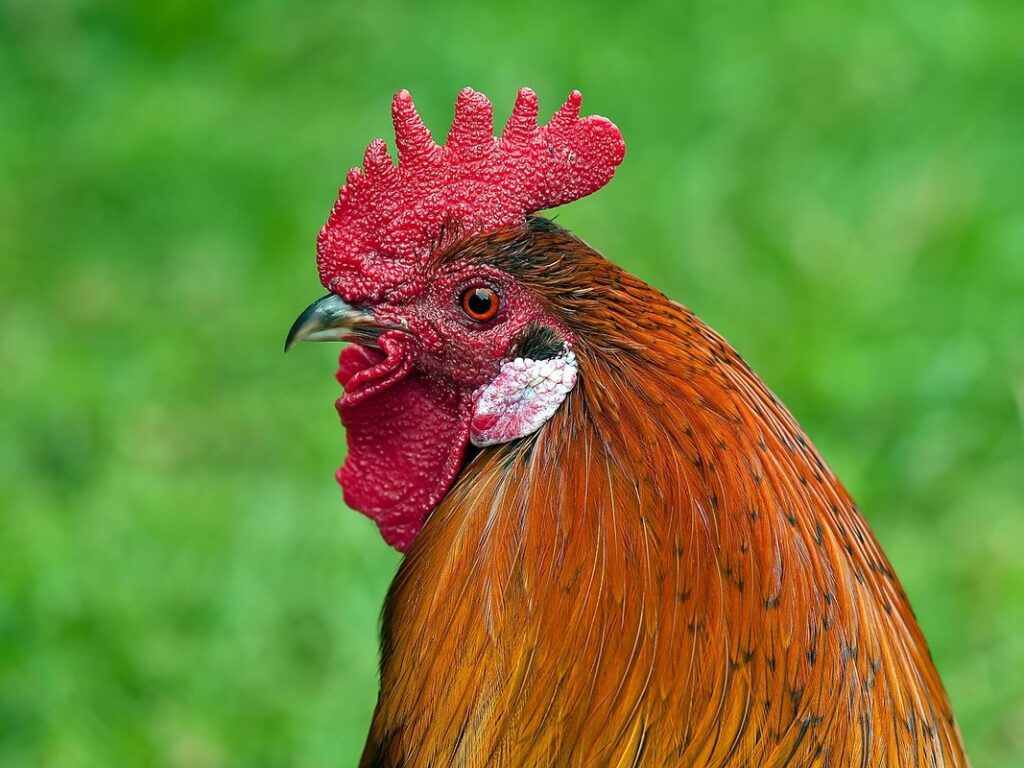
Normal Chicken Comb Colors
When it comes to chicken comb colors, some variations are perfectly normal and shouldn’t raise any alarm. In this section, we’ll explore what healthy chicken comb colors look like in various breeds and conditions.
Characteristics of Healthy Combs
A healthy chicken comb is typically red in color, although it can also be pink or slightly purple depending on the breed. The comb should be even in shape and size, with no signs of dryness or flakiness. A normal comb will have five distinct points or lobs, which are an indication of good health.
To identify a normal comb, look for one that is free from any visible lesions or sores. The comb should also be relatively firm to the touch, indicating good circulation and overall health. Chickens with weak or fragile combs may be more prone to heat stress during hot weather.
A well-maintained comb can help regulate body temperature and promote healthy blood flow throughout the body. If you’re concerned about your chicken’s comb color or shape, consult with a veterinarian for professional advice. Keep in mind that some breeds have naturally darker or lighter comb colors than others, so it’s essential to research the specific breed characteristics when assessing your flock’s health.
Chickens with dark red combs may be more prone to vitamin deficiencies, especially if their diet lacks adequate nutrients. Make sure to provide a balanced and nutrient-rich feed to support optimal comb health.
Importance of a Well-Fed Comb
A well-fed comb is a hallmark of a healthy chicken. When your bird has access to a balanced diet that includes essential nutrients, its comb will be vibrant and plump, rather than dull and shrunken. This is because the comb is an indicator of overall health, including nutritional status.
For example, if you’re feeding your flock a high-quality layer feed or providing them with a diverse range of fruits, vegetables, and grains, their combs should be a deep red color. However, if the diet is lacking in vitamins A and E, B vitamins, or iron, the comb may lose its vibrant appearance.
To ensure your birds have healthy combs, it’s essential to provide them with a varied and nutritious diet. Aim to include foods rich in omega-3 fatty acids, such as flaxseeds, to promote skin and comb health. Also, consider supplementing their feed with probiotics or other natural additives to support gut health, which is directly linked to the overall well-being of your flock. By taking a proactive approach to nutrition, you can help maintain vibrant combs and promote overall health in your birds.
Abnormal Chicken Comb Colors
You might be wondering what causes those unusual red, purple, or even black comb colors on your chicken’s head. Let’s dive into some of the possible reasons behind abnormal chicken comb colors.
Causes of Discoloration
A change in chicken comb color can be alarming, but in many cases, it’s not a cause for concern. However, there are some underlying issues that may cause discoloration. One of the primary reasons is diseases and infections. For example, chickens with respiratory problems like bronchitis or pneumonia may exhibit a pale or bluish comb due to poor oxygenation.
Nutritional deficiencies can also lead to color changes in the comb. A lack of vitamins A, E, or K can cause discoloration, as these nutrients play a crucial role in maintaining healthy skin and feathers. Similarly, a deficiency in iron or copper can cause anemia, leading to pale or yellowish combs.
Environmental factors such as temperature fluctuations, humidity levels, and stress can also contribute to changes in comb color. Chickens exposed to extreme temperatures may develop a blue or purple discoloration due to the breakdown of blood vessels. Furthermore, poor air quality or lack of ventilation can lead to respiratory issues, resulting in a discolored comb.
It’s essential to monitor your flock’s overall health and environment to identify potential causes of discoloration. By providing a balanced diet, maintaining a clean living space, and ensuring adequate ventilation, you can help prevent color changes in the comb.
Recognizing Symptoms of Illness
When you notice an abnormal color change in your chicken’s comb, it’s essential to be vigilant about potential underlying health issues. While a healthy comb is typically bright red, pink, or orange, changes in its color can signal various problems.
One of the most common signs of illness related to comb color is pale or faded redness. This may indicate a vitamin B deficiency, especially thiamine (B1), which plays a crucial role in maintaining energy and nerve function. A pale comb might also suggest anemia or leukemia. Look out for other symptoms like lethargy, loss of appetite, and labored breathing to confirm this suspicion.
Monitor your chicken’s overall health closely if you notice its comb turning yellow or greenish due to liver issues or bile duct problems. Keep in mind that changes in comb color can sometimes be stress-related or due to age, so consider other factors before jumping to conclusions.
Regularly inspect your flock for unusual symptoms and note any changes over time to quickly identify potential health risks.
Chicken Comb Color Changes During Molting
As molting approaches, you may notice a change in your chicken’s comb color – from bright red to a pale yellowish hue – as their body diverts energy to grow new feathers. This normal physiological process is crucial for your bird’s health and well-being.
What is Molting?
Molting is a natural process that occurs in chickens as they shed their old feathers and grow new ones. This process is triggered by a combination of factors, including the depletion of daylight hours, stress, and nutrition. As the molting process begins, you may notice changes in your chicken’s behavior, appetite, and appearance.
One of the most noticeable effects of molting on chickens is the change in their comb color. During this time, the comb may appear pale or washed out due to reduced blood flow and oxygenation. This discoloration can range from a light pink to a greyish hue, depending on the individual bird’s genetics and overall health.
As your chicken molts, it’s essential to provide them with a balanced diet rich in protein, vitamins, and minerals. A lack of essential nutrients can exacerbate the molting process, leading to weakened immunity and slowed recovery. Adequate lighting, ventilation, and social interaction also play crucial roles in supporting your bird through this phase.
By understanding and addressing the needs of your molting chicken, you can help them navigate this transition more comfortably.
Understanding Temporary Discoloration
When molting occurs, it’s not uncommon for chicken combs to undergo temporary changes in color. This phenomenon is a normal part of the molting process, and there are several reasons why this might happen.
During molting, chickens may experience stress due to hormonal fluctuations, which can cause their comb colors to change temporarily. For example, a normally healthy chicken’s comb may turn pale pink or even white, but this will typically return to its original color once the molting process is complete.
To distinguish between normal and abnormal changes, look for these key indicators:
• A gradual change in color over time
• No other signs of illness or distress
• Return of normal coloration post-molting
On the other hand, if you notice an abrupt change in comb color accompanied by other symptoms such as lethargy, loss of appetite, or discharge around the eyes and nostrils, it may indicate a health issue. In this case, consult with your veterinarian for proper diagnosis and treatment.
Chicken Breed-Specific Combs
If you’re wondering why some breeds of chicken have distinctly different comb colors, it’s essential to understand these breed-specific variations can be perfectly normal. Let’s explore the unique characteristics of various breeds’ combs.
Variations in Comb Size and Shape
When it comes to chicken breeds, it’s essential to recognize that not all combs are created equal. Each breed has its unique characteristics, including comb size and shape, which can affect the overall appearance of the comb color change.
Some breeds have larger combs, such as Orpingtons and Plymouth Rock chickens, while others like Silkies and Polish hens have smaller combs. For instance, Silkie combs are often described as “tea-cup” sized due to their compact shape and size.
On the other hand, some breeds have more angular or pointed comb shapes, such as Leghorns, whereas others have a more rounded appearance, like Bantams. This variation in comb shape can sometimes make it difficult to determine whether changes in color are normal or abnormal.
For example, a light-colored breed with a large, rounded comb may experience mottling of the comb due to aging, but this is perfectly normal for that specific breed. Conversely, if you notice sudden or extreme changes in comb color, regardless of breed characteristics, it’s always best to consult with a veterinarian to rule out any underlying health issues.
Understanding these variations will help you better recognize what’s typical and what may require further investigation when observing your flock’s comb colors.
Genetic Factors Affecting Comb Color
Genetics play a significant role in determining the comb color of chickens. Each breed has its unique genetic makeup that influences the production and distribution of pigmentation in the comb. For instance, some breeds like Leghorns are naturally white-combed due to their genetics, while others like Plymouth Rock have red combs.
As a breeder, you can influence comb color through selective breeding. By choosing parents with desirable traits, such as a specific comb color, you can increase the likelihood of their offspring inheriting those characteristics. This process is called artificial selection.
To illustrate this concept, let’s consider an example. Suppose you’re breeding for red combs in Plymouth Rock chickens. You would select parents that already have red combs and breed them together. The offspring will be more likely to inherit the gene for red comb color due to the increased presence of the dominant allele. By repeating this process over several generations, you can establish a flock with consistent red combs.
Keep in mind that genetics are complex, and multiple genes contribute to comb color. However, through selective breeding, breeders can nudge the genetic trajectory towards their desired outcome, creating a more uniform appearance in their flocks.
Nutrition and Chicken Comb Health
When it comes to understanding chicken comb color changes, nutrition plays a vital role in maintaining overall health. A balanced diet can affect your flock’s combs significantly, so let’s dive into how nutrition impacts their appearance.
Role of Vitamins and Minerals
When it comes to maintaining a healthy chicken comb, essential nutrients play a crucial role. A well-balanced diet rich in vitamins and minerals is vital for supporting the comb’s vibrant color and overall health. Among these, vitamins A, C, and E are particularly important.
Vitamin A helps maintain the skin’s integrity, including the delicate tissues of the comb. It also supports the production of melanin, the pigment responsible for the comb’s color. A deficiency in vitamin A can lead to a dull or faded comb appearance.
Vitamins C and E work together to protect the comb from oxidative stress caused by free radicals. These antioxidants help maintain healthy blood vessels and prevent damage to the comb’s delicate tissues. Without sufficient vitamins C and E, the comb may become discolored or develop lesions.
To ensure your chicken receives adequate nutrients for a healthy comb, consider adding foods rich in these vitamins to their diet. Leafy greens, such as kale and spinach, are excellent sources of vitamin A, while citrus fruits like oranges provide vitamin C. Nuts and seeds, including sunflower seeds, are good sources of vitamin E.
Common Nutritional Deficiencies
When it comes to maintaining healthy chicken combs, nutrition plays a crucial role. A balanced diet that includes essential vitamins and minerals is vital for preventing common nutritional deficiencies that can cause abnormal comb colors.
One of the most critical nutrients for chickens is vitamin E, which helps protect cells from damage and supports skin health. Deficiencies in vitamin E can lead to dry, pale combs that are more susceptible to cracking and bleeding. Similarly, a lack of niacin (vitamin B3) can cause combs to appear dull and wrinkled.
Symptoms of nutritional deficiencies may also include lethargy, weight loss, and decreased egg production. If you suspect your flock is suffering from a deficiency, consult with a veterinarian or poultry expert for guidance on treatment options. In the meantime, ensure your chickens have access to a balanced diet that includes a variety of fruits, vegetables, and whole grains.
A simple way to boost nutrient levels is to provide a cuttlebone supplement, rich in calcium and other essential minerals. Adding a cuttlebone to their diet can help support healthy comb growth and prevent deficiencies.
Diagnosing and Treating Abnormal Comb Color
If you suspect your chicken has an abnormal comb color, it’s essential to determine whether the change is normal or a sign of underlying health issues. This section will guide you through diagnosing and treating these potential problems.
Consulting a Veterinarian
If you’ve been observing changes in your chicken’s comb color that don’t seem to match the usual patterns of normal pigmentation, it’s essential to consult a veterinarian for a professional assessment. A veterinarian can determine if the abnormal comb color is caused by an underlying health issue or environmental factor.
During the consultation, be prepared to provide detailed information about your chicken’s behavior, diet, and living conditions. Share observations on any changes in appetite, energy levels, or stool quality, as these can be indicative of broader health issues. The veterinarian may also want to know about the flock dynamics and whether there have been any recent stressors or changes in the environment.
A thorough examination by a veterinarian will involve checking for signs of illness, infection, or nutritional deficiencies that could be contributing to the abnormal comb color. In some cases, a vet may perform diagnostic tests such as blood work or fecal exams to identify potential causes.
Treatment Options for Underlying Conditions
When abnormal comb color changes are caused by underlying health issues, it’s essential to identify and treat these conditions promptly. The treatment options available depend on the specific cause of the discoloration.
For example, if a chicken’s pale comb is due to a lack of vitamin B2 (riboflavin), supplementation can help restore normal color. In some cases, a balanced diet rich in fruits, vegetables, and whole grains may be sufficient to address this issue. However, if the problem persists or is severe, consulting with a veterinarian for professional advice is crucial.
Mites, lice, and fungal infections can also cause abnormal comb color changes. In these instances, topical treatments such as dusting powders or medicated shampoos may be necessary to control the infestation. Regular cleaning of the coop and monitoring for signs of pests can help prevent re-infestation. It’s also essential to maintain good hygiene practices when handling your chickens to avoid transferring parasites from one bird to another.
Identifying and addressing underlying health issues promptly is crucial to ensuring your chicken’s overall well-being. By taking a proactive approach to their care, you can help prevent abnormal comb color changes and promote a healthy, thriving flock.
Prevention and Maintenance Strategies
To keep your flock healthy and happy, it’s essential to understand the importance of a well-maintained coop environment and regular monitoring for any signs of stress. We’ll cover practical tips for prevention and maintenance next.
Keeping Your Flock Healthy
Maintaining a healthy flock is crucial for overall well-being and can also help prevent abnormal chicken comb color changes. A balanced diet is essential, providing high-quality feed that meets the nutritional needs of your chickens. Consider supplementing with fruits, vegetables, and grains to ensure they’re getting all necessary vitamins and minerals. However, avoid overfeeding as this can lead to obesity-related issues.
Regular exercise is also vital for flock health, allowing chickens to move freely and engage in natural behaviors like pecking and scratching. Provide enough space in the coop and run to accommodate your flock’s needs, taking into account their size and breed requirements. Make sure to install perches and roosts to allow birds to rest comfortably.
Parasite control is another essential aspect of maintaining a healthy flock. Regularly clean and disinfect the coop and run, removing any soiled bedding or droppings. Implement parasite control measures such as dust baths or medicated feed to prevent internal parasites from taking hold.
Regular Health Checks
Regular health checks are an essential part of maintaining the overall well-being of your flock. By keeping a close eye on their combs, you can identify potential problems early on and take corrective action to prevent more serious issues from arising.
When it comes to chicken comb color changes, it’s not just about monitoring for abnormal colors. You should also be on the lookout for other signs of poor health, such as a pale or dull comb, which can indicate anemia or nutritional deficiencies.
Keep an eye out for any unusual growths or lesions on the comb, as these can be indicative of fungal or bacterial infections. Check your flock’s combs daily for any changes in color, size, or texture. If you notice anything unusual, consult with a veterinarian or poultry expert immediately.
Make it a habit to inspect your chickens’ combs regularly, ideally at the same time each day, so you can monitor their health closely and catch any potential problems early on.
Frequently Asked Questions
Can I diagnose my flock’s health issues solely based on comb color changes?
Yes, while a change in comb color can be an early indicator of potential problems, it’s essential to consult with a veterinarian for a comprehensive diagnosis and proper treatment plan. A veterinarian will consider multiple factors, including your chickens’ overall behavior, appetite, and physical condition.
How often should I check my flock’s combs for signs of illness or stress?
Regular health checks are crucial in identifying potential issues early on. It’s recommended to inspect your flock’s combs at least once a week, taking note of any changes in color, texture, or shape. This will help you catch any problems before they escalate.
What if I notice temporary discoloration during molting – should I be concerned?
Temporary discoloration is common during molting, especially if your flock is experiencing stress or nutritional deficiencies. However, it’s essential to monitor their overall health and adjust their diet accordingly. Provide a balanced feed rich in vitamins and minerals, and ensure access to fresh water at all times.
Can specific chicken breeds have naturally different comb colors?
Yes, some breeds are known for having distinctive comb colors due to genetic factors. For instance, Silkies often have a more pea-comb or rose-comb coloration, which shouldn’t be confused with signs of illness or stress. Research your breed’s specific characteristics and discuss any concerns with a veterinarian.
What’s the best course of action if I suspect my flock is experiencing nutritional deficiencies?
If you suspect that nutrition is affecting your flock’s comb health, reassess their diet immediately. Consider consulting with a veterinarian to rule out underlying conditions and develop a customized feeding plan. Ensure access to a balanced feed rich in vitamins, minerals, and essential nutrients, and consider supplementing with calcium or other necessary elements if needed.