
If you’re an avid backyard chicken keeper or looking to start your flock, understanding the intricacies of the egg-laying cycle is crucial for maximizing production efficiency. But have you ever wondered how chickens manage to lay eggs on a regular basis? From fertility to reproduction and beyond, it’s fascinating to explore the mechanisms that govern this natural process.
In this article, we’ll delve into the world of egg-laying cycles in chickens, discussing key factors such as hormonal regulation, reproductive cycles, and management strategies to boost productivity. We’ll also touch on common issues that may affect egg production, providing you with actionable tips to overcome them. Whether you’re a seasoned farmer or just starting out, this comprehensive guide will equip you with the knowledge needed to optimize your flock’s performance and enjoy fresh eggs from your backyard coop.
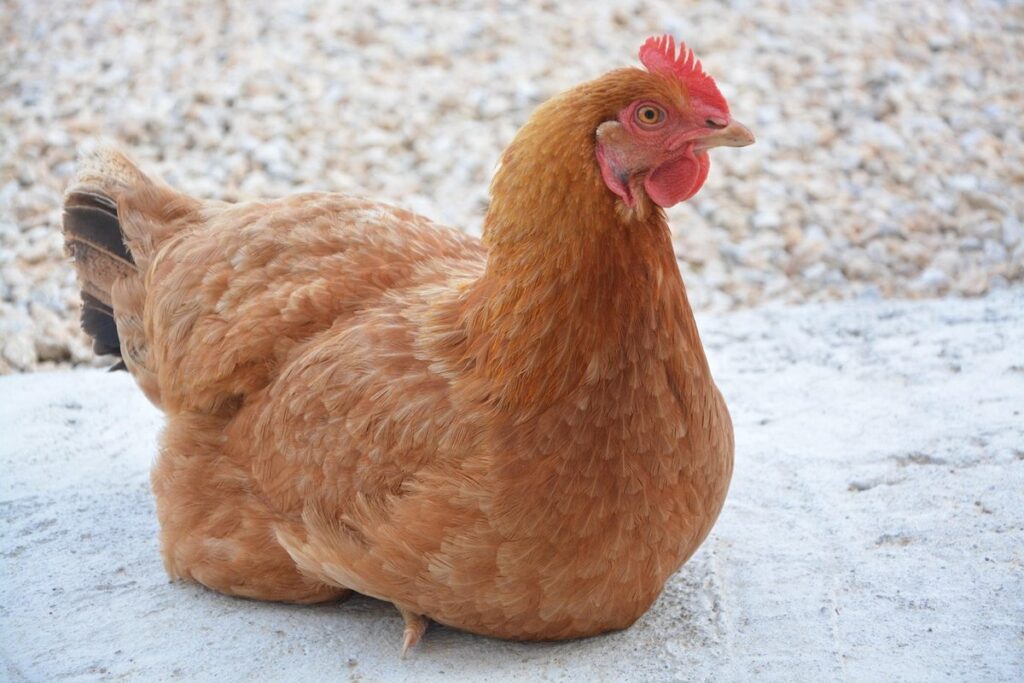
Stages of Development from Breeder to Egg Layer
As you follow your chicken’s journey, it’s essential to understand how they develop into prolific egg layers, and that begins at the breeder stage. We’ll break down the key milestones in this process.
Embryonic Development and Fertilization
As a chicken’s reproductive cycle begins, it’s essential to understand how embryos develop and the role of fertilization. When a rooster mates with a hen, sperm from the rooster fertilizes an egg yolk released by the hen. This process is called ovulation, where the hen releases one large yolk approximately every 24-26 hours.
The fertilized egg yolk travels through the oviduct, where it picks up layers of albumen (egg white) and then shell membranes before being encased in a hard shell. This entire process, from ovulation to laying an egg, takes about 24-26 hours. Breeders select for desirable traits by choosing roosters and hens with characteristics like fertility, egg size, and production levels.
To improve fertilization rates, breeders often prioritize selecting healthy, fertile roosters. They also monitor temperature, light, and nutrition to ensure optimal conditions for reproductive health in their birds. By controlling these factors, breeders can increase the chances of successful fertilization and ultimately produce higher-quality eggs.
Sex Determination and Genetic Factors Affecting Egg Production
In chickens, sex determination is a complex process that involves multiple genetic factors. The sex of a chick is determined by the presence or absence of the W chromosome, with females having two copies (ZZ) and males having one copy (Z). However, the interaction between sex-linked genes and environmental factors can influence egg-laying performance.
Genetic predispositions to high or low fertility play a significant role in determining an individual chicken’s reproductive capabilities. Sex-linked traits, such as feathering and beak shape, are also linked to reproductive success. For example, Leghorn chickens are known for their high fertility rates, while Orpingtons tend to have lower fertility due to their genetic makeup.
Understanding these genetic factors can help breeders select for desirable traits in their breeding stock. By choosing birds with proven reproductive capabilities and favorable sex-linked characteristics, farmers can optimize egg production and reduce losses associated with low fertility. When selecting breeding stock, consider the following: choose breeds known for high fertility rates, select birds with favorable sex-linked traits, and prioritize individual birds’ reproductive performance when making selection decisions.
Understanding Chicken Fertility and Its Impact on Egg-Laying Cycles
When it comes to maximizing egg production, understanding chicken fertility is crucial. Let’s dive into how a bird’s reproductive health affects its ability to lay eggs consistently.
Factors Influencing Male Fertility
Male chicken fertility plays a crucial role in determining the egg-laying cycle of hens. Several factors can affect male fertility, and understanding these is essential for maintaining healthy flocks. Nutrition is one critical aspect; males require a balanced diet rich in protein, energy, and essential vitamins to support reproductive functions.
Environmental conditions also play a significant role in male fertility. Adequate lighting, ventilation, and space are vital for optimal breeding performance. For instance, providing sufficient roosting bars allows males to establish dominance hierarchies, reducing stress levels that can negatively impact fertility.
Age is another crucial factor; most commercial breeds begin producing fertile sperm between 18-24 weeks of age. However, early or late sexual maturity can affect reproductive efficiency, and breeders should consider these factors when selecting breeding stock.
Health issues are a significant concern for male chicken fertility. Respiratory infections, parasites, and diseases like Newcastle disease can impair reproductive capabilities. Regular health checks, vaccinations, and parasite control measures help maintain optimal flock health and fertility levels.
Factors Affecting Female Fertility and Egg Production
Female chicken fertility and egg production are influenced by a combination of genetic, nutritional, and environmental factors. When it comes to breed selection, some breeds are naturally more fertile than others due to their genetic makeup. For example, Leghorns are known for their high reproductive efficiency, while Orpingtons may require more careful management.
Nutrition plays a crucial role in maintaining female fertility and egg production. A diet rich in protein, calcium, and vitamins is essential to support reproductive health. For instance, providing layers with access to free-range grazing can improve the quality of their eggs and enhance their overall well-being.
Environmental factors also impact female fertility, including temperature, light, and stress levels. Providing adequate ventilation and reducing stress through proper management practices are vital for maintaining a healthy flock. For example, introducing a gradual lighting system can help simulate natural daylight hours, improving egg-laying consistency.
A balanced approach to nutrition, breed selection, and environmental management can significantly enhance female fertility and egg production in your flock. By taking these factors into consideration, you’ll be well on your way to raising a healthy and productive laying cycle flock.
Understanding the Ovulation Cycle in Chickens
To raise healthy egg-laying hens, it’s essential to grasp their ovulation cycle. This natural process triggers fertility and affects the number of eggs produced each month.
The Role of Hormones in the Reproductive Cycle
In chickens, the reproductive cycle is heavily influenced by hormones, particularly estrogen and progesterone. These two hormones work in tandem to regulate ovulation, egg yolk formation, and release from the ovaries. Estrogen, produced by the follicle-stimulating hormone (FSH), stimulates the growth of the ovarian follicles, causing them to mature and prepare for ovulation.
As estrogen levels peak, it triggers the release of a mature egg from the ovary into the oviduct, where fertilization takes place. Meanwhile, progesterone produced by the luteinizing hormone (LH) helps in maintaining the pregnancy-like state necessary for successful incubation of the fertilized egg.
A delicate balance between estrogen and progesterone is crucial to ensure a smooth reproductive cycle. When this balance is disrupted, it can lead to issues such as ovulatory failure or reproductive problems. To optimize fertility and promote healthy reproduction, it’s essential to maintain an ideal environment with adequate lighting, nutrition, and hygiene practices for your flock.
In practice, breeders often monitor the levels of estrogen and progesterone in their chickens through regular health checks and blood tests. This helps identify any potential issues before they become major problems.
Phases of the Estrous Cycle: Proestrus, Estrus, and Distrus
In chickens, the estrous cycle is a complex process that involves several phases. The first phase, proestrus, typically lasts around 30-40 hours and is characterized by increased estrogen levels, leading to swelling of the comb, wattle, and vents. During this time, hens will often begin to exhibit behaviors such as preening and dust bathing, preparing for mating.
The next phase is estrus, which can last anywhere from 16-48 hours. This is when a hen is most receptive to breeding and is typically indicated by flagging or tail-wagging behavior. It’s essential to recognize this phase quickly, as the fertile window is relatively short – about 6-8 hours.
The final phase, diestrus, can last from several days to over two weeks and is characterized by a drop in estrogen levels. During this time, hens will often stop laying eggs or may only produce soft-shelled or misshapen eggs. Proper nutrition, management, and stress reduction are crucial during this phase to ensure optimal fertility and egg-laying performance.
Egg-Laying Cycles and Fertility Peaks
Let’s take a closer look at how egg-laying cycles work, including the most fertile periods for your flock and what you can expect from their reproductive cycle.
Understanding Laying Hierarchy and Dominance Effects
Within a flock, laying hierarchy plays a significant role in determining egg production among hens. Dominant birds tend to suppress the reproductive performance of subordinates, leading to reduced fertility and lower egg yields. This phenomenon is often referred to as “dominance effects.” Research has shown that dominant hens can exert influence over subordinate birds through a combination of visual displays, vocalizations, and even physical intimidation.
For example, a study found that dominant hens in a flock were responsible for approximately 50% of the total egg production, while subordinates accounted for only about 30%. The remaining 20% came from hens that fell somewhere in between these two extremes. To mitigate dominance effects, it’s essential to ensure that your flock is well-balanced and has adequate space to reduce stress and competition among birds. Providing multiple perches, nesting boxes, and feeding stations can also help promote a more even distribution of resources and reduce dominance behaviors.
Peak Fertility Periods and Managing Reproductive Performance
Managing peak fertility periods is crucial for maximizing egg production and maintaining healthy reproductive systems in chickens. To do this effectively, start by identifying the optimal breeding season for your flock. In most cases, this occurs during spring and summer months when daylight hours are longest.
During these peak fertility periods, ensure your birds have access to a balanced diet rich in nutrients essential for reproduction, such as calcium, protein, and vitamins A and D3. Provide adequate water intake and maintain a clean living environment to prevent stress-related health issues.
Monitor your flock’s reproductive performance closely by tracking egg production, fertility rates, and overall bird health. Watch for signs of declining fertility, such as decreased egg size or irregular laying patterns, and address any underlying issues promptly.
By implementing these optimal management practices, you can maintain healthy reproductive systems and maximize peak fertility periods in your flock, ultimately leading to improved egg production and reduced losses due to reproductive-related issues.
Breeding Program Considerations
When designing a breeding program, you’ll need to consider factors that impact egg production and fertility, such as breed selection and genetic diversity. This ensures optimal reproductive performance in your flock.
Genetic Selection and Line Development
When selecting breeds or developing breeding lines for improved egg-laying performance, several key considerations come into play. Genetic testing is a crucial step in identifying the genetic makeup of potential parent stock. This involves evaluating the breed’s genetic diversity, identifying any potential health issues, and assessing its overall fertility.
Line selection is also vital, as it determines the specific traits that will be passed on to future generations. Breeders should focus on lines with a proven track record of high egg production, combined with desirable physical characteristics such as feather quality and temperament. Progeny testing further refines this process by evaluating the performance of offspring from selected parent stock.
In practice, this means identifying breeds or lines that have been shown to excel in terms of egg-laying efficiency, fertility, and overall health. By carefully selecting these traits and applying them through repeated breeding cycles, breeders can develop highly efficient breeding lines with improved reproductive performance. This approach enables the creation of high-performing breeding stock that meets specific production requirements.
Management Strategies to Enhance Reproductive Performance
To optimize reproductive health and improve fertility in your flock, it’s essential to implement effective management strategies. One of the most critical factors is providing a balanced diet rich in nutrients, particularly energy-dense feed for optimal egg production. For example, research suggests that providing 280-300 grams of feed per day can increase egg production by up to 15%. Ensure access to clean water at all times and maintain a healthy weight through regular exercise.
Another crucial aspect is managing stress levels in your flock. High levels of stress can significantly impact reproductive performance, leading to decreased fertility rates. Implementing stress-reducing techniques such as providing a calm environment, regular breaks from egg collection, and adequate lighting can help mitigate this issue.
Regular health checks are also vital to monitor for signs of reproductive problems early on. This includes monitoring body condition scores, observing for any changes in behavior or appetite, and conducting fertility testing to identify potential issues before they impact production efficiency. By implementing these strategies, breeders can optimize their flock’s reproductive performance and improve overall production efficiency.
Factors Affecting Egg-Laying Cycles: Nutrition and Health
When it comes to managing egg-laying cycles, understanding how nutrition and health impact fertility is crucial for backyard chicken keepers who want to maximize their hens’ productivity.
A hen’s diet and overall well-being play a significant role in regulating her reproductive cycle.
Nutritional Requirements for Optimal Fertility and Production
For optimal reproductive performance, chickens require a well-balanced diet that meets their nutritional needs. Energy sources such as grains, including corn and wheat, provide the necessary calories for egg production and fertility. However, it’s not just about quantity; quality is also crucial. Amino acids like lysine and methionine are essential for protein synthesis, while vitamin E supports reproductive health.
Micronutrients play a vital role in maintaining fertility and egg-laying cycles. For instance, vitamin D3 helps regulate calcium levels, which is necessary for shell formation during egg production. Zinc, on the other hand, supports sperm motility and testosterone production in males. Don’t forget to provide your flock with adequate phosphorus, as it aids in bone health and reproductive function.
When formulating your layer feed, consider a balanced mix of these essential nutrients. Aim for around 16-18% protein content, ensuring that the amino acid profile is well-balanced. Supplementing with omega-3 fatty acids can also support reproductive performance by reducing oxidative stress. By prioritizing your flock’s nutritional needs, you’ll be supporting optimal fertility and egg production.
Managing Health Issues to Preserve Reproductive Function
Chickens with poor reproductive health often struggle to maintain a consistent egg-laying cycle. One of the primary factors affecting reproductive performance is infections, such as respiratory and urogenital diseases that can spread rapidly through flocks. Metabolic disorders, including heat stress, obesity, and hypocalcemia, also impact fertility by disrupting hormone regulation and altering nutritional demands.
Nutritional deficiencies, particularly in calcium, phosphorus, and protein, can lead to reproductive problems like shell-less eggs or infertility. A balanced diet that meets the unique needs of laying hens is essential to prevent these issues. To mitigate the impacts of health issues on reproductive performance, it’s crucial to maintain a clean and well-ventilated coop, ensure access to fresh water and nutritious feed, and provide adequate space for exercise.
A study found that vitamin and mineral supplements can improve fertility in chickens by 20%. Regular monitoring of your flock’s health, including vaccinations and parasite control, is also essential. By implementing these management strategies, you can minimize the effects of health issues on reproductive performance and promote a healthy egg-laying cycle.
Frequently Asked Questions
How can I determine if my female chickens are laying eggs regularly due to fertility or nutritional issues?
It’s essential to monitor your flock’s overall health, nutrition, and reproductive cycle. Look for signs of poor egg quality, infertility, or irregular ovulation. Consult with a veterinarian to rule out health issues and provide guidance on optimal nutrition for peak fertility.
Can I use supplements to boost my chickens’ fertility and improve egg production?
While certain supplements can support reproductive health, it’s crucial to research and choose products that meet your flock’s specific needs. Avoid over-supplementing, as this can lead to negative health effects. Balance nutritional requirements with a well-formulated diet and regular monitoring of your flock’s performance.
What factors contribute to the formation of a strong pecking order in my chicken coop?
Establishing a clear hierarchy within your flock is vital for maintaining peace and reducing stress-related issues that impact fertility. Provide adequate space, separate roosters from hens during breeding season, and monitor behavior to identify dominant birds. A well-managed pecking order can lead to improved egg production.
How often should I inspect my chicken coop for signs of health issues affecting reproductive performance?
Regular inspections are crucial in maintaining a healthy flock. Check your coop at least weekly for signs of disease, parasites, or nutritional deficiencies that may impact fertility. Be aware of seasonal variations and adjust management strategies accordingly to ensure optimal reproductive performance.
Can I breed chickens from local hatcheries without considering genetics and line development?
Breeding programs require careful consideration of genetic factors affecting egg production and fertility. Choose breeding stock with a proven track record, consider sex determination, and evaluate their genetic potential for your specific flock needs. This approach ensures the long-term success of your reproductive program.