
When it comes to backyard chickens or even just learning about these fascinating birds, one key factor stands out: the humble chicken hen. These incredible animals play a vital role in egg production, and their characteristics make them an essential part of many farming operations and homesteads alike. From physical traits like their sturdy build and gentle demeanor to behaviors that showcase their social nature and nesting instincts, understanding the basics of chicken hens is crucial for any aspiring poultry owner or enthusiast.
This comprehensive guide will delve into the world of chicken hens, exploring their uses in egg production, health considerations, and roles in reproduction. We’ll cover the essential physical traits you need to look out for when selecting a healthy hen, as well as behaviors that indicate a happy and content bird. By the end of this article, you’ll have a solid understanding of what makes chicken hens so special – and why they’re an integral part of many egg-laying operations.
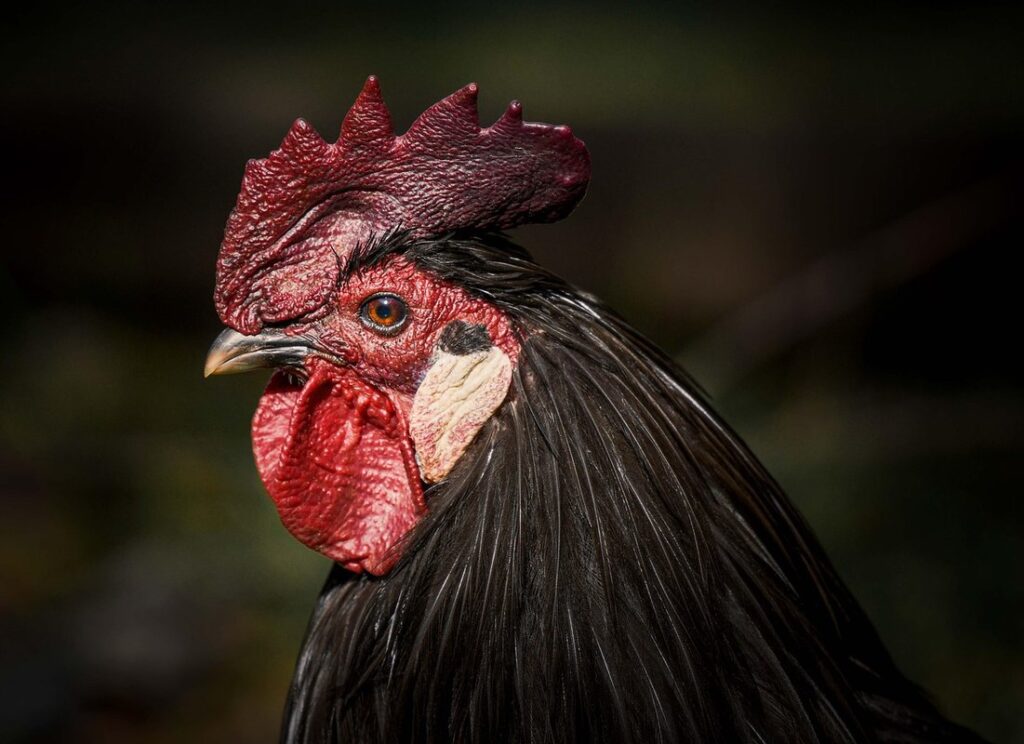
What is a Chicken Hen?
Let’s start by defining what a chicken hen actually is: a female chicken that lays eggs and can be used for breeding, meat production, or both. In this section, we’ll explore their characteristics in detail.
Definition and Purpose
A chicken hen is a female chicken that plays a crucial role on farms and in backyard flocks. At its core purpose, a hen’s main responsibility is to lay eggs for consumption. These eggs are not only a source of food but also a vital component in poultry farming, as they can be hatched into new chicks to sustain the flock.
A healthy and well-cared-for chicken hen can produce an average of 280-300 eggs per year, depending on its breed and living conditions. This makes them essential for small-scale farmers and backyard enthusiasts who want to have a consistent supply of fresh eggs without relying on store-bought alternatives.
In addition to their egg-laying capabilities, hens also contribute to the ecosystem by consuming pests and insects that can harm crops and gardens. Their presence in a flock can help maintain a balanced environment, making them an integral part of any poultry operation.
Types of Chickens Classified as Hens
When it comes to chickens that lay eggs, the term “hen” is often used to describe females that are capable of producing eggs. However, not all hens are created equal, and different breeds exhibit unique characteristics that set them apart.
Some popular breeds classified as hens include Leghorns, which are known for their high egg production, with some laying up to 320 eggs per year. These birds are lightweight, easy to manage, and thrive in confinement. They are a popular choice for backyard chicken keepers due to their prolific egg-laying abilities.
Another breed that’s commonly referred to as a hen is the Rhode Island Red. This hardy bird is known for its rich brown eggs and friendly demeanor. Rhodies are excellent foragers and can adapt well to free-range environments, making them an ideal choice for farmers who prioritize sustainability.
In addition to these breeds, others like Orpingtons and Plymouth Rock hens also fall under this category. What’s essential to note is that each breed has its unique set of characteristics, which ultimately determine their suitability for specific use cases or farming operations.
Characteristics of Healthy Chicken Hens
When choosing a healthy chicken hen for your backyard flock, it’s essential to know what characteristics to look for. A well-rounded hen should possess key traits that ensure its overall health and productivity.
Physical Characteristics
When it comes to identifying healthy chicken hens, their physical characteristics play a significant role. A healthy hen should have a robust build and decent size, with an average weight of around 4-6 pounds. However, this can vary depending on the breed, ranging from the petite Leghorn to the larger Brahma.
The plumage or feathers of a healthy hen should be well-maintained, clean, and free from mites or lice infestations. The overall appearance should exude vitality, with bright eyes, a shiny beak, and firm, smooth skin under the wings and tail area. A healthy hen’s comb should also be a vibrant red color, with no signs of dryness or discoloration.
When inspecting your hens, look for any visible injuries, wounds, or deformities that could compromise their health. Regularly checking for these physical attributes can help you identify potential issues early on and take corrective measures to maintain their well-being.
Behavioral Traits
Healthy chicken hens exhibit distinct behavioral traits that can give you valuable insights into their well-being and needs. When it comes to foraging habits, a healthy hen will instinctively search for food sources, such as scratching the ground or pecking at vegetation. This behavior is essential for maintaining a balanced diet, so make sure your hens have access to enough foraging area.
Social interactions are another vital aspect of a chicken’s life. Most breeds thrive in social groups, requiring plenty of space and opportunities to engage with each other. Some hens may become aggressive or stressed if not provided with adequate social interaction, leading to behavioral problems like feather pecking. When choosing breeds, consider their social requirements to ensure you’re providing an environment that supports their natural behavior.
Nesting behavior is another critical trait to observe in healthy chicken hens. A well-built nesting box and accessible roost can significantly reduce stress and aggression among your flock. This is especially important during egg-laying seasons when hens may become anxious or territorial.
Health Considerations
When it comes to raising healthy chicken hens, health considerations are of utmost importance. Unfortunately, these birds can be susceptible to various common health issues that can impact their overall well-being and productivity.
Parasites, such as mites, lice, and ticks, are a major concern for chicken owners. These external pests feed on the bird’s blood, causing discomfort, anemia, and even death. Regular checking of birds, using powders or sprays to control these parasites, and keeping a clean coop can help prevent infestations.
Respiratory problems, such as pneumonia and bronchitis, are another significant issue affecting chicken hens. These conditions often arise from poor ventilation, overcrowding, and the introduction of new birds into an existing flock. Maintaining a well-ventilated coop, ensuring adequate space per bird, and implementing vaccination programs can minimize the risk.
Reproductive issues also affect many chicken hens, with egg-laying hens being particularly prone to these problems. Poor nutrition, excessive heat stress, and inadequate lighting can all impact fertility and egg production. Ensuring a balanced diet, providing adequate shelter from extreme temperatures, and ensuring proper lighting can help mitigate these risks.
The Role of Hens in Egg Production
As we explore how different chicken hens contribute to egg production, let’s take a closer look at their specific roles and what makes each breed unique.
Breeding and Selection
When it comes to breeding hens for egg production, breeders are looking for specific characteristics that will result in high-quality eggs. The process of selecting hens begins with determining the desired traits, such as egg size and color. For example, if a breeder wants to produce large brown eggs, they would select hens that consistently lay large brown eggs.
Egg fertility is another crucial factor breeders consider when selecting hens. Hens with high fertility will produce more viable eggs, reducing the need for artificial incubation. Breeders may use techniques such as semen evaluation and egg candling to assess a hen’s fertility.
Breeders also look at other factors, including a hen’s temperament and hardiness. A calm and robust bird is easier to manage and less prone to disease. By carefully selecting hens based on these characteristics, breeders can produce high-quality eggs that meet the demands of commercial egg producers. This process requires a deep understanding of chicken genetics and breeding principles.
Nutritional Requirements
When it comes to egg production, the nutritional requirements of chicken hens play a crucial role. These birds need a balanced diet that meets their energy needs for optimal egg laying. A hen’s daily dietary intake should consist of around 1-2% of her body weight in dry matter. For example, if your hen weighs 5 pounds, she’ll require approximately 0.05-0.10 pounds of feed per day.
A layer’s diet should be rich in calcium and phosphorus for eggshell formation. A good quality layer feed usually contains around 1.2% calcium content to support this process. It’s also essential to provide adequate protein levels, typically between 16-18%. This ensures that your hens have the necessary building blocks for healthy feathers, muscle growth, and overall well-being.
In addition to commercial feeds, you can supplement their diet with fruits and vegetables like leafy greens, carrots, and apples. However, ensure that these treats don’t exceed 10% of their total dietary intake. By understanding your hens’ nutritional requirements, you’ll be able to provide them with the necessary fuel for optimal egg production and maintain a healthy flock overall.
Factors Affecting Egg Production
As we explore the world of chicken hens, it’s essential to understand that their ability to produce eggs is influenced by external factors. Climate plays a significant role in egg production, with extreme temperatures affecting the hen’s comfort and productivity. For instance, heat stress can lead to reduced egg production and poor egg quality, while cold stress can cause hens to become lethargic and stop laying altogether.
Lighting also impacts egg production, with hens requiring around 14 hours of daylight to produce eggs efficiently. Adequate ventilation and air circulation are equally crucial, as poor air quality can lead to respiratory issues and decreased egg production. Management practices such as nutrition, health checks, and adequate space for exercise all contribute to a hen’s ability to produce high-quality eggs.
By understanding these external factors, you can create an optimal environment for your hens to thrive. This might involve providing shade structures in hot climates or installing supplemental lighting in low-light areas. By doing so, you’ll be well on your way to maximizing egg production and ensuring the health and happiness of your flock.
The Difference Between Hens and Roosters
When it comes to raising chickens, understanding the difference between hens and roosters is crucial for any backyard farmer. This section will delve into the distinct characteristics that set these two types of birds apart.
Physical Characteristics
When it comes to physical characteristics, hens and roosters exhibit distinct differences that can be easily noticeable. One of the most apparent differences is their size and weight. Hens are generally smaller than roosters, with a typical weight range of 4-6 pounds (1.8-2.7 kg), while roosters can weigh between 5-9 pounds (2.3-4 kg). This difference in size is often accompanied by variations in plumage. Roosters tend to have longer, more vibrant feathers with intricate patterns and colors, particularly on their necks and tails. In contrast, hens’ plumage is generally shorter and duller, with a focus on blending into the background.
It’s essential to note that some breeds can exhibit reversed characteristics, such as large, long-haired hens or small, sleek roosters. However, in most cases, their overall appearance will still follow these general guidelines. When selecting chickens for your flock, consider the space and care you can provide, as well as your personal preferences regarding appearance. If you’re looking to breed chickens, understanding these physical differences is crucial for making informed decisions about which birds to pair together.
Behavioral Traits
When it comes to behavioral traits, there are distinct differences between hens and roosters. Hens are generally more laid-back and social birds, often forming close bonds with each other. They tend to establish a pecking order within the flock, but it’s usually a gentle hierarchy. In contrast, roosters can be quite dominant and territorial, marking their territory by strutting around and making loud crowing noises.
One of the most notable differences is mating habits. Roosters will aggressively pursue hens in heat, often leading to intense courtship displays. Hens, on the other hand, may reject or ignore rooster advances if they’re not interested. In a multi-rooster flock, conflicts can arise as dominant birds fight for mating rights.
To manage these behaviors effectively, it’s essential to provide enough space and resources for your flock. A ratio of at least 2-3 hens per rooster is recommended, allowing each hen to have her own “boyfriend” without feeling overwhelmed or threatened by too many suitors. This balance can help reduce stress and aggression within the flock, creating a more harmonious environment for all birds.
Importance in Reproduction
When it comes to reproduction, both hens and roosters play crucial roles. However, their functions are distinct. Roosters are responsible for fertilization of the eggs, which is essential for incubation and subsequent chick development. Without a fertile egg, hatching will not occur.
Hens, on the other hand, lay eggs, but they cannot fertilize them on their own. This is because the reproductive system in females allows only one type of gamete, or sex cell, to be produced. In contrast, roosters have both types of sex cells and are necessary for successful reproduction.
In a backyard flock, having at least one rooster per several hens is recommended to ensure fertilization occurs regularly. This balance allows for the possibility of incubation and eventual chick development.
It’s essential to note that over-crowding or lack of space can lead to aggression in roosters, which may result in stress and reduced fertility. A healthy balance between the sexes, as well as proper management and care, is vital for successful reproduction and optimal flock performance.
Health and Welfare Concerns for Hens
When it comes to keeping hens, their health and welfare are of utmost importance. We’ll discuss common concerns and how to ensure your girls live happy, healthy lives.
Common Health Issues
Chicken hens are prone to various health issues that can affect their quality of life and productivity. One common issue is obesity, which can be caused by overfeeding or lack of exercise. Hens who are not able to forage freely may become overweight, leading to mobility problems and increased risk of disease.
Stress is another significant concern for chicken hens. Stress can be triggered by factors such as overcrowding, noise, and changes in their environment. When hens are stressed, they may stop laying eggs or experience a decline in egg quality. To minimize stress, it’s essential to provide a safe and peaceful living space with adequate ventilation and access to fresh air.
Reproductive problems are also common in chicken hens. These can include issues such as egg binding, where the hen is unable to pass an egg, and infertility. Some breeds are more prone to reproductive issues than others, so it’s crucial to choose a breed that is suitable for your needs and management style.
To mitigate these health issues, it’s essential to prioritize nutrition, provide adequate space and exercise opportunities, and create a stress-free environment. Regular health checks and monitoring can also help identify any potential problems early on. By taking proactive steps to maintain the health of your hens, you can enjoy a more productive and happy flock.
Management Practices for Improved Welfare
As you strive to provide optimal welfare for your chicken hens, implementing effective management practices is crucial. Enrichment activities are an excellent way to stimulate their natural behavior and reduce stress. This can be achieved through providing scratching posts, pecking toys, or even rotating their nesting boxes regularly. For example, you could place a plastic container filled with sand or soil in the coop for them to dig and scratch.
Adequate space allocation is also vital for hens’ welfare. Ensure each hen has at least 2-4 square feet of floor space per bird inside the coop, depending on breed size. Additionally, consider the outdoor area where they’ll spend most of their time; a minimum of 8-10 square feet per bird is recommended. Proper ventilation in both the coop and run is equally important to prevent ammonia buildup from droppings.
When it comes to ventilation, ensure there are windows or vents that allow for airflow, but also protect against predators. Aim for a balance between air exchange and temperature regulation to keep your hens comfortable and healthy.
Conclusion: Appreciating the Importance of Chicken Hens
As we wrap up our exploration of chicken hens, let’s take a moment to appreciate their incredible value and versatility in our lives.
Recap of Key Points
As we conclude our exploration of chicken hens, it’s essential to revisit the key points that will help you appreciate their importance. Let’s recap: we discussed the differences between various breeds, including Leghorns, Rhode Island Reds, and Orpingtons, highlighting their distinct characteristics such as egg-laying capacity, size, and temperament.
We also touched on the uses of chicken hens, from providing fresh eggs to serving as a sustainable source of meat. The importance of these birds goes beyond just food production, however – they can help maintain soil health through their waste, serve as natural pest control, and even contribute to mental well-being through therapy programs.
In addition, we emphasized the significance of selecting the right breed for your specific needs, considering factors such as climate, available space, and desired egg-laying frequency. By choosing a suitable breed, you’ll be able to optimize your chicken-keeping experience and ensure the health and happiness of your feathered friends.
Final Thoughts on Responsible Ownership
As you’ve gained a deeper understanding of the unique characteristics and uses of different chicken hens, it’s essential to consider the responsibilities that come with owning these wonderful creatures. Responsible ownership is not just about providing food and shelter; it’s about ensuring their health and well-being.
To maintain your chicken hen’s health, make sure they have access to clean water, fresh air, and a balanced diet. A mix of commercial feed and fruits/vegetables will keep them energized throughout the day. Regularly inspect their living space for signs of disease or parasites, and implement preventive measures such as coop cleaning and disinfection.
It’s also crucial to recognize early warning signs of illness, such as changes in appetite, droopy wings, or unusual droppings. If you suspect something is wrong, consult a veterinarian experienced in poultry care. By taking proactive steps and staying informed, you can create a happy and healthy environment for your feathered friends.
Remember, responsible ownership also means respecting their needs during extreme weather conditions, like hot summer days or freezing winters. Provide adequate ventilation, shade, and insulation to ensure they stay comfortable throughout the year.
Frequently Asked Questions
What are the ideal living conditions for a healthy chicken hen?
To ensure your hens live happy and productive lives, provide them with plenty of space to roam, fresh air, water, and shelter from harsh weather conditions. A coop with adequate ventilation and protection from predators is essential, along with regular cleaning and maintenance.
How can I determine the age and breed of my chicken hen?
To accurately identify your hens’ breeds and ages, observe their physical characteristics, such as plumage color, beak shape, and comb size. Consult a poultry expert or reference breed-specific guides to confirm identifications. Keep accurate records of birth dates or hatching times for precise aging.
Can I keep chicken hens with other types of birds?
Yes, many chicken breeds get along well with ducks, turkeys, and even geese. However, introduction should be gradual, with close monitoring for signs of stress or aggression. Research compatible species and their specific needs to ensure harmonious coexistence within your backyard flock.
What are some common health issues affecting chicken hens?
Regularly inspect your hens for symptoms like lethargy, labored breathing, or unusual droppings. Watch out for conditions such as mites, lice, respiratory infections, and reproductive problems. Consult a veterinarian specializing in poultry care to develop targeted prevention strategies.
How do I select the best breed of chicken hen for my farm or homestead?
Choose breeds suitable for your climate, available space, and desired egg production levels. Consider factors like disease resistance, docility, and adaptability to local conditions. Research specific breed characteristics and seek advice from experienced poultry keepers or experts in the field.