
Are you tired of dealing with messy chicken coops or struggling to get your hens to produce eggs consistently? You’re not alone. The relationship between a chicken’s digestive system, diet, and health is more complex than you might think, and it plays a significant role in the quality of their poop and egg-laying patterns. If you’re looking to improve your flock’s overall health and fertility, or simply want to reduce the mess in your coop, understanding how these factors interact can make all the difference. In this article, we’ll explore the ins and outs of chicken biology and provide practical strategies for optimal feces management and improved egg production. By the end of it, you’ll be equipped with the knowledge to support the health and well-being of your feathered friends.
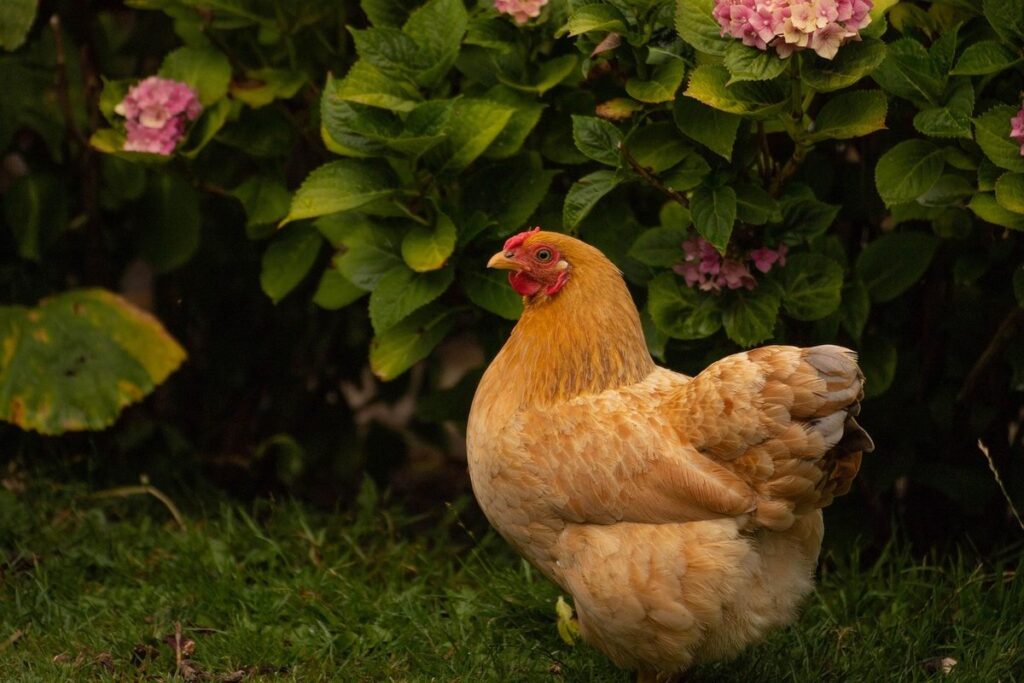
Introduction to Chicken Reproduction
When it comes to chicken laying eggs, understanding their reproductive process is key. Let’s dive into the basics of how chickens breed and produce offspring.
What Makes a Hen Lay an Egg?
When it comes to egg-laying, hens are like puzzle pieces – all the right factors need to fall into place for them to produce eggs. And what’s fascinating is that it’s not just one factor at play; rather a complex interplay of several elements.
First and foremost, breed plays a significant role in determining an individual hen’s egg-laying capabilities. Some breeds are prolific layers, capable of producing dozens of eggs per year, while others may lay fewer than five. For instance, Leghorns are known for their exceptional laying abilities, producing up to 300 eggs annually.
Nutrition is another crucial aspect that influences a hen’s ability to lay eggs. A well-balanced diet rich in essential nutrients such as calcium, protein, and vitamins is vital for supporting egg production. Without sufficient nutrition, hens may experience reduced fertility or even stop laying altogether.
Health also plays a critical role – stress, illness, or injury can all have a detrimental impact on a hen’s ability to lay eggs. By providing a safe, clean environment and addressing any health issues promptly, you can help support your flock’s overall well-being and egg production.
It’s essential to remember that every hen is different, and individual results may vary. Factors such as age, weight, and overall health will also influence an individual hen’s egg-laying potential. By understanding these underlying factors, you’ll be better equipped to create an environment that supports your flock’s reproductive needs.
Importance of Understanding Feces in Chicken Health
Examining a hen’s poop is more than just a matter of cleanliness – it’s a crucial step in determining her overall health and fertility. When you take the time to observe and understand what comes out, you’re essentially looking at a snapshot of her internal well-being. Changes in color, consistency, and frequency can indicate underlying issues that might be affecting her egg-laying abilities.
For instance, pale or chalky droppings could signal a lack of calcium in her diet, which is essential for strong eggshell production. On the other hand, dark green or blue-green poop may indicate an imbalance of gut bacteria, which can impact nutrient absorption and fertility. Even minor deviations from normal can have significant effects on her reproductive health.
To get the most out of examining your hens’ poop, make a habit of observing their droppings regularly – ideally once a day – to catch any potential issues early on. Keep a record of what you see, noting down any changes or abnormalities. This will help you pinpoint problems before they become major concerns and ensure that your girls remain healthy and productive layers.
Anatomy of a Laying Hen’s Digestive System
Let’s take a closer look at how a laying hen’s digestive system works, and what it means for her overall health and egg-laying abilities. This complex process breaks down nutrients from food into energy and other essential elements.
How Chickens Process Food and Produce Poop
Chickens have a unique digestive system that plays a crucial role in breaking down food and producing waste. Their gastrointestinal tract is made up of the esophagus, crop, gizzard, small intestine, and large intestine. When it comes to processing food, chickens are primarily monogastric animals, meaning they have only one stomach.
As they eat, the food first enters their mouth, where it’s broken down by enzymes and swallowed into the crop. The crop acts as a storage organ for food until it reaches the gizzard. In the gizzard, the food is further broken down by grit, which helps to crush seeds and other hard particles. From there, the partially digested food enters the small intestine, where most of the nutrient absorption takes place. Finally, the waste products enter the large intestine, also known as the cecum, where water and electrolytes are absorbed before being eliminated from the body.
The digestive system is designed to process a diet rich in plant material, with the gizzard playing a crucial role in breaking down hard seeds and other indigestible parts. However, it’s worth noting that excessive amounts of grit or undigested food can cause health issues in chickens. Regular cleaning and maintenance of their living area are essential for maintaining a healthy digestive system and preventing problems.
Importance of Fiber and Water Intake on Feces Consistency
When it comes to maintaining optimal health and egg production, the importance of fiber and water intake on feces consistency cannot be overstated. As we’ve discussed earlier, a hen’s digestive system is intricately connected to her overall well-being and reproductive functions.
A high-fiber diet plays a crucial role in promoting regular bowel movements and softening stool. This is because fiber acts as a natural laxative, helping to move food through the digestive tract and prevent constipation. In chickens, a lack of fiber can lead to hard, dry stools that are more difficult to pass. This not only causes discomfort but also increases the risk of digestive problems.
So, what are some beneficial fiber sources for your flock? Leafy greens like kale, spinach, and collard greens are excellent choices. You can also offer cooked legumes such as beans or peas, as well as whole grains like oats or barley. Aim to provide at least 1-2% of your chicken’s daily diet in the form of fiber-rich foods.
In addition to a balanced fiber intake, adequate water consumption is also essential for maintaining proper stool consistency. Dehydration can lead to dry, hard stools that are more likely to cause problems. Make sure your flock always has access to fresh, clean water and consider adding electrolyte supplements during hot weather or periods of stress. By paying attention to these dietary factors, you’ll be well on your way to promoting healthy poop quality in your hens.
The Role of Poop in Chicken Health: Signs of Illness or Nutrient Deficiencies
When it comes to your feathered friends, a healthy gut is essential for laying eggs. This section explores how poop can reveal underlying health issues or nutrient deficiencies in chickens.
Common Health Issues Linked to Poor Poop Quality
When it comes to chicken health, poop quality is more than just an afterthought. Changes in feces can signal underlying issues that impact egg production and overall well-being. Let’s take a closer look at some common health problems linked to poor poop quality.
Diarrhea is one of the most obvious signs of trouble. If your chickens’ droppings are loose, watery, or excessive, it may indicate an infection, dietary imbalance, or stress. Keep an eye out for increased frequency or volume of bowel movements, which can lead to dehydration and nutrient deficiencies.
On the other hand, constipation is just as concerning. Dry, hard stools can be a sign of inadequate water intake, low fiber diets, or underlying health issues like kidney stones. Abnormal coloration – such as greenish or reddish tint – can also indicate infections, parasites, or internal bleeding.
To identify potential issues, regularly inspect your flock’s droppings and note any changes in consistency, frequency, or appearance. Consult a veterinarian if you suspect illness or nutrient deficiencies, and make adjustments to their diet accordingly. For example, increasing water intake or adding probiotics can help regulate bowel movements and prevent dehydration. By paying attention to poop quality, you can catch health problems early on and ensure your chickens remain healthy and productive egg-layers.
How a Hen’s Poop Can Indicate Diet and Nutrition Imbalances
When it comes to understanding a hen’s diet and nutrition through her poop, one of the most significant indicators is the presence of abnormal waste. A hen’s digestive system is designed to break down food into nutrients that are then absorbed and utilized for egg production. However, if the diet is imbalanced or inadequate, this process can be disrupted.
For instance, a lack of calcium in the diet can cause an excessive amount of uric acid to accumulate in the hen’s body, leading to white specks or clumps in her poop. On the other hand, overconsumption of protein can result in dark, tarry stools due to the presence of excess bilirubin.
To identify these imbalances through your hen’s poop, look for changes in color, consistency, and frequency. A normal chicken feces is usually brown or greenish-brown in color, moist but not runny, and has a characteristic earthy smell. If you notice anything out of the ordinary, it may be indicative of a dietary issue that requires your attention. Regularly monitoring your hen’s poop can help you catch potential problems before they affect her overall health.
The Importance of Cleaning and Managing Chicken Coops for Egg Production
When it comes to egg production, a clean and well-managed chicken coop is essential to prevent health issues and ensure your girls keep laying eggs consistently. Let’s explore the importance of coop maintenance in more detail.
Factors Affecting Broodiness and Feces Production
When it comes to maintaining optimal egg production, many factors come into play. One crucial aspect is broodiness – the frequency and consistency of laying eggs. Environmental conditions within the coop significantly influence this pattern. Coop size, for instance, plays a critical role; an undersized space can stress hens, disrupting their natural cycle. Conversely, ample room to roam allows them to establish routines more easily.
Lighting and ventilation also have a profound impact on broodiness and feces production. Artificial lighting, especially during the winter months when natural light is scarce, can trigger an egg-laying frenzy – often referred to as ‘forced molting’. This excessive laying can lead to stress, discomfort for the hens, and negatively affect the quality of eggs produced.
Ventilation within the coop, on the other hand, helps regulate temperatures and maintain a healthy atmosphere. Proper airflow reduces ammonia buildup from droppings, making the environment more comfortable for your flock. By optimizing these factors – ensuring adequate space, natural light, and ventilation – you can encourage consistent egg production while also promoting overall well-being in your hens.
Best Practices for Disposing of Chicken Poop Safely
When it comes to safely disposing of chicken waste, there’s more at play than just keeping your coop clean. Proper disposal practices are crucial for maintaining a healthy flock and preventing disease transmission. To start, understand that chicken poop can contain pathogens like Salmonella and E. coli, which can contaminate soil, water, and other surfaces.
To safely dispose of chicken waste, follow these guidelines:
* Store waste in covered containers to prevent odors and pests from spreading.
* Remove soiled bedding material regularly, ideally every week or two, depending on your coop’s size and usage.
* Disinfect all surfaces with a 1:10 solution of bleach to water before replacing new bedding.
Don’t forget that local regulations might dictate specific guidelines for waste disposal. Check with your local health department to ensure you’re meeting requirements. It’s also essential to maintain records of waste removal, as this can be crucial in case of an inspection or outbreak investigation.
How a Hen’s Egg-Laying Cycle Affects Feces Production
When it comes to egg-laying, you might be surprised at how closely tied it is to your backyard chickens‘ poop production. Let’s explore how a hen’s reproductive cycle affects her, ahem, ‘output’.
Understanding the Laying Cycle: Hormonal Influences
As we explore the fascinating world of chicken egg-laying, it’s essential to understand the hormonal influences that drive this intricate process. The laying cycle is a complex interplay between hormones, reproductive organs, and ovulation. Let’s dive into how hormonal fluctuations affect the reproductive system, specifically focusing on ovary activity and oviduct function.
Hormones such as estrogen and progesterone play a crucial role in regulating the laying cycle. During the follicular phase, estrogen levels surge, stimulating the growth of ovarian follicles and eventually triggering ovulation. Once released, the egg travels through the oviduct, where it’s surrounded by a layer of cells that provide nourishment and protection.
As the egg approaches maturity, progesterone levels increase, preparing the uterus for implantation (in the case of incubation). However, in commercial chicken farming, the eggs are collected before fertilization can occur. The balance of these hormones is critical; if estrogen dominance occurs, it can lead to reproductive issues and decreased fertility.
Practically speaking, understanding these hormonal fluctuations can help farmers optimize their breeding programs and create healthier conditions for laying hens. By providing a balanced diet, maintaining optimal environmental conditions, and minimizing stress, farmers can support the natural rhythms of egg production. This approach not only benefits the hens but also contributes to more sustainable and humane farming practices.
Changes in Poop Quality During Different Phases of the Laying Cycle
As you monitor your flock’s egg-laying cycle, you may notice changes in their poop quality. These variations are a natural part of their reproductive process. During the onset of laying, hens often produce more voluminous and loose stools due to the increased nutrient demands from growing eggs.
As they reach peak production, their poop becomes firmer and less frequent. This adjustment is essential for efficient egg production, as excess water in their system could hinder the laying process. The color may also change, becoming darker or lighter depending on their diet.
During molting, hens will experience a significant decrease in fecal output due to reduced nutrient absorption. Their poop becomes smaller and more solidified. It’s essential to note that changes in poop quality can be indicative of underlying health issues, such as gastrointestinal problems or nutritional imbalances. Keep an eye on your flock’s overall health by monitoring their poop along with egg production.
A balanced diet and adequate water intake play a significant role in maintaining healthy feces production throughout the laying cycle. By observing these variations and making necessary adjustments to your flock’s care, you can optimize their health and productivity.
Managing Chicken Feces for Improved Health and Egg Production
Effective management of chicken feces is crucial for maintaining a healthy coop environment, which in turn supports optimal egg production. This involves regular cleaning and maintenance routines.
Strategies for Optimal Feces Management and Reduction of Odor
Effective feces management is crucial for maintaining a healthy flock, reducing odors, and preventing disease transmission. To minimize odor and waste, implement best management practices (BMPs) that prioritize cleanliness and hygiene.
Designate a specific area for the coop’s droppings collection, ensuring it’s easily accessible and well-ventilated to prevent ammonia buildup. Use a deep bedding material like straw or wood shavings, which can absorb moisture and odors more effectively than sawdust. Regularly inspect and maintain the droppings collection system to prevent clogging and ensure proper waste disposal.
To reduce disease transmission, keep the coop’s litter dry by removing soiled bedding promptly, ideally within 24 hours. Monitor your flock’s health closely, taking prompt action if you notice any signs of illness or stress. Implement a regular cleaning schedule that includes disinfecting feeders, waterers, and perches to minimize bacterial contamination.
By following these BMPs and maintaining good coop hygiene, you’ll not only reduce odors but also create a healthier environment for your flock to thrive in.
Maximizing Egg Yields through Efficient Poop Utilization
When it comes to managing chicken feces for improved health and egg production, one often overlooked aspect is efficient poop utilization. You see, what may seem like a nuisance can actually be turned into a valuable resource – nutrient-rich compost that can boost soil fertility. This technique of repurposing waste as fertilizer or composting material is an essential practice for sustainable farming.
Here’s the thing: chicken manure contains high levels of nitrogen and phosphorus, making it an excellent natural fertilizer. To tap into this potential, you’ll need to collect the poop from your coop and let it age slightly before adding it to your garden beds. This process allows the manure to break down its pathogens and become less acidic. Once aged, it can be incorporated directly into the soil or used as a top-dressing.
To put this into practice:
* Collect chicken waste regularly
* Store it in an area with good airflow for 3-6 months to allow it to age
* Mix it with other compost materials like leaves or straw
* Add it to your garden beds at a rate of about 1/2 cup per square foot
By utilizing poop as a natural fertilizer, you’ll not only reduce waste but also create a nutrient-rich environment for your plants.
Conclusion: Integrating Knowledge of Chicken Reproduction with Feces Management
In conclusion, understanding chicken reproduction is crucial for effective feces management. By grasping how chickens lay eggs and produce waste, you can optimize their living conditions to minimize health risks and environmental concerns. For instance, a well-ventilated coop with adequate space and nesting boxes can significantly reduce the likelihood of respiratory diseases caused by ammonia buildup in droppings. Additionally, incorporating composting toilets or vermicomposting systems into your chicken’s waste management plan can convert their waste into valuable fertilizer for your garden.
By integrating this knowledge, you’ll be better equipped to create a harmonious and sustainable relationship between your chickens and the environment. With attention to detail and a commitment to understanding the complex science behind feces production, you can enjoy a cleaner, healthier coop and a thriving backyard ecosystem.
Frequently Asked Questions
What are some key factors to consider when selecting the right breed of chicken for my backyard flock?
When choosing a breed, prioritize those that excel in egg-laying capabilities, as they will be more likely to meet your needs. Research breeds known for their high production rates and adaptability to your local climate. Also, keep in mind factors like size, temperament, and noise levels, which can impact your overall experience with your flock.
How often should I clean my chicken coop, and what are the best methods for maintaining a clean environment?
Regular cleaning is crucial for maintaining a healthy flock and preventing the spread of diseases. Aim to clean the coop at least once a week, removing soiled bedding and replacing it with fresh material. Implement a rotation schedule for sections of the coop to prevent over-cleaning in certain areas.
What are some natural remedies I can use to reduce odor and manage my chicken’s feces?
Certain herbs like lavender and mint can help reduce odors naturally. You can also consider using diatomaceous earth, a non-toxic substance that helps absorb moisture and control odor. Remember to always follow proper safety precautions when introducing new substances into your coop.
How can I monitor my hens’ poop quality to ensure they’re healthy and producing high-quality eggs?
Regularly inspect the color, consistency, and texture of your hens’ droppings. Look for signs of blood or unusual colors, which could indicate health issues. Monitor the frequency and volume of droppings as well, adjusting their diet accordingly.
Can I use chicken poop as fertilizer in my garden, and are there any precautions I should take?
Yes, you can use chicken poop as a natural fertilizer. However, ensure it’s properly composted to eliminate pathogens and parasites that might harm your plants or other animals. Mix it with other compost materials like leaves and twigs, allowing the mixture to age for several weeks before applying it to your garden beds.
How do I balance my hens’ diet to optimize egg production and poop quality?
A balanced diet is essential for maintaining a healthy flock. Provide a mix of grains, proteins, fruits, and vegetables that meet your hens’ nutritional needs. Ensure access to fresh water at all times and supplement their diet with calcium-rich foods like crushed oyster shells or dark leafy greens.
What are some common mistakes beginners make when managing their chicken’s poop, and how can I avoid them?
Common pitfalls include neglecting regular coop cleaning, underestimating the importance of proper ventilation, and failing to monitor for signs of disease. Regularly inspect your coop and equipment, maintain a schedule for deep cleaning, and stay vigilant for changes in your hens’ behavior or droppings.
Can I use a self-cleaning chicken coop system, and are they worth the investment?
Self-cleaning systems can be beneficial but often require significant upfront costs. Consider factors like your budget, space constraints, and the specific needs of your flock before investing in such equipment.