
Coccidiosis is one of the most common diseases affecting backyard chickens, causing bloody stools that can be alarming for any flock owner. But don’t worry; with proper knowledge and management, you can identify the symptoms early on and take steps to prevent this disease from taking over your flock. In this article, we’ll delve into the world of coccidiosis, covering its causes, symptoms, diagnosis, and treatment options. We’ll also explore ways to create a comprehensive plan for controlling this disease and keeping your chickens healthy and thriving. By learning how to identify blood in chicken poop and implement preventative measures, you can ensure the well-being of your flock and build a strong foundation for long-term health. Let’s dive into the world of coccidiosis together and take back control of our birds’ health.
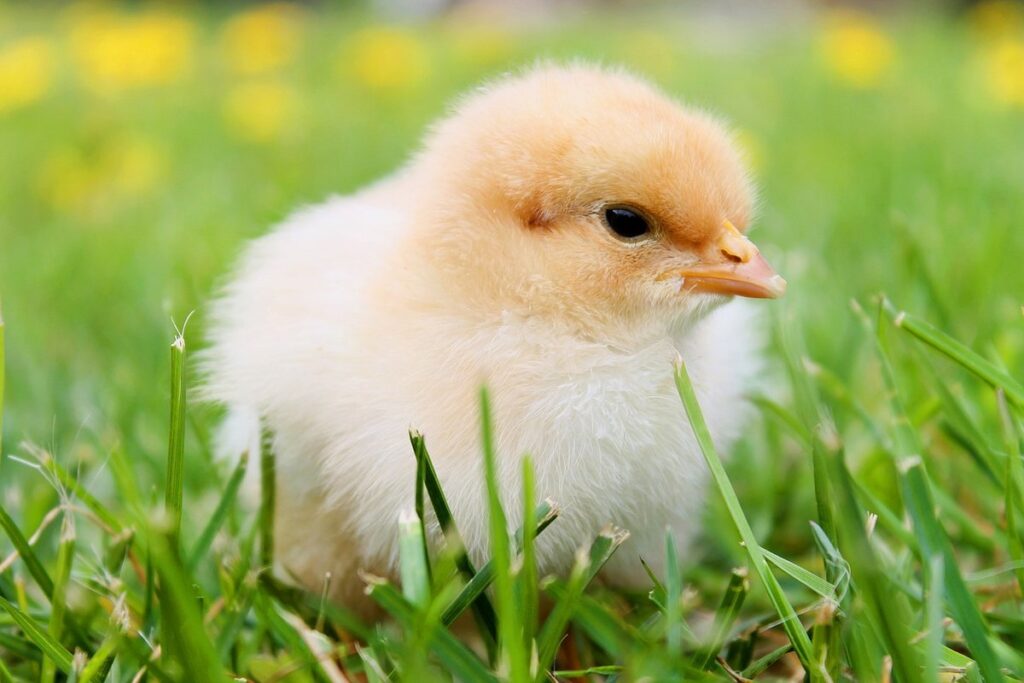
What is Coccidiosis and How Does it Affect Chickens?
Coccidiosis is a common and potentially life-threatening disease that affects chickens worldwide, causing a range of symptoms in your flock. Let’s take a closer look at how it develops and impacts your birds.
Causes and Transmission of Coccidiosis
Coccidiosis is caused by several species of coccidian protozoa, including Eimeria and Isospora. These parasites invade the intestinal lining of chickens, leading to inflammation and damage to the digestive system. The disease is highly contagious and can spread quickly within a flock.
Chickens become infected through contact with contaminated feces, feed, or water. This can occur through direct contact with an infected bird’s droppings, or indirectly by consuming food or water contaminated with the parasite. Risk factors for coccidiosis include poor sanitation, overcrowding, and inadequate nutrition.
In chickens, coccidiosis typically affects the lower intestines, causing damage to the mucosal lining and leading to bloody stools. The parasite invasion triggers an immune response, which can cause further inflammation and tissue damage. If left untreated, coccidiosis can lead to chronic health issues and decreased egg production in laying hens.
Some common signs of coccidiosis include diarrhea, weight loss, and lethargy. Identifying these symptoms early on is crucial for effective treatment and management.
Symptoms of Coccidiosis in Chickens
Chickens affected by coccidiosis often exhibit several common symptoms that can be difficult to miss. One of the most noticeable signs is the presence of blood in their poop. This can range from a small streak to a significant amount, and it’s essential to take immediate action if you notice this symptom. Diarrhea is another frequent symptom, which can lead to dehydration and further complications if left untreated.
Weight loss is also a common indicator of coccidiosis. Chickens with the disease may stop eating or show reduced appetite due to discomfort and pain caused by the parasite’s invasion of their intestinal lining. Lethargy is yet another sign that warrants attention, as affected birds often appear sluggish and lack energy.
These symptoms can manifest differently depending on the breed and age of the chicken. For instance, young chicks may exhibit diarrhea more frequently than adults, while older birds may show a more pronounced weight loss. It’s crucial to recognize these signs early on to provide effective treatment and prevent long-term damage to your flock’s health.
Understanding Blood in Chicken Poop: What It Means and Why It Matters
When you notice blood in your chicken’s poop, it can be alarming, but understanding what it means is crucial to identifying potential health issues like coccidiosis. Let’s dive into what this symptom indicates and why it matters for your flock’s well-being.
When to Worry About Bloody Stool in Chickens
Regular monitoring of chicken stool is crucial to detect any underlying health issues early on. Bloody stools can be a sign that something is amiss, and it’s essential to take immediate action. Chickens with bloody stools often have an active infection that requires veterinary attention.
When you notice blood in your chickens’ poop, don’t delay in consulting a veterinarian. Delaying treatment can lead to severe complications, such as organ damage or even death. It’s not uncommon for chicken owners to initially attribute bloody stools to dust baths or rough handling, but the presence of blood is often a symptom of an underlying infection.
To determine whether the blood is due to coccidiosis or another issue, your veterinarian will conduct a thorough examination and take a complete medical history. This includes questions about your flock’s diet, living conditions, and any recent changes in their environment. By identifying the root cause of bloody stools, you can develop an effective treatment plan to restore your chickens’ health.
Early detection is key, so make it a habit to inspect your chickens’ stool regularly for signs of blood or other abnormalities. If you’re unsure about what’s normal or notice any unusual changes, don’t hesitate to reach out to a veterinarian for guidance.
Factors That Increase the Risk of Coccidiosis
If you suspect that your flock is at risk of developing coccidiosis, it’s essential to understand the factors that increase this likelihood. These risks can be divided into two main categories: biological and environmental.
Biologically speaking, young chickens are more susceptible to coccidiosis due to their underdeveloped immune systems. Stressful events such as transport, vaccination, or changes in feed can also compromise a chicken’s immune defenses, making them more vulnerable to infection. Moreover, some breeds, like Leghorns, are naturally more resistant to coccidiosis than others.
Environmental factors also play a significant role in the development of coccidiosis. Poor ventilation, overcrowding, and unsanitary living conditions can create an ideal breeding ground for oocysts, the parasites that cause coccidiosis. Furthermore, contaminated feed or water sources can introduce the infection into your flock. To mitigate these risks, it’s crucial to maintain a clean and well-ventilated coop, monitor your chickens’ health closely, and implement effective management strategies to reduce stress and prevent overcrowding.
Identifying Other Potential Causes of Bloody Stools in Chickens
When you’re dealing with bloody stools in chickens, it’s essential to consider other potential causes besides coccidiosis. A thorough diagnosis is crucial to develop an effective treatment plan. For instance, a chicken may be experiencing stress due to changes in its environment or social dynamics, leading to gastrointestinal issues.
Other possible causes of bloody stools include parasites like tapeworms, hookworms, and roundworms, as well as bacterial infections such as E. coli or Salmonella. Fowl pox, a viral disease that affects the skin and mucous membranes, can also cause rectal bleeding.
A key factor to consider is the chicken’s diet. A sudden change in feed or an imbalance of essential nutrients can lead to digestive issues. Additionally, poor water quality or inadequate access to clean drinking water may contribute to health problems.
In some cases, bloody stools can be a sign of an underlying issue with the chicken’s reproductive system, such as ovary or egg yolk peritonitis. Identifying these potential causes requires a combination of observation, testing, and consultation with a veterinarian experienced in poultry care.
Diagnosing and Treating Coccidiosis: A Veterinary Perspective
As a veterinarian, accurately diagnosing coccidiosis is crucial for effective treatment, so let’s dive into the key signs to look out for and how to properly diagnose this common chicken illness.
Diagnosis Methods for Coccidiosis
Accurate diagnosis is crucial for effective treatment of coccidiosis. Veterinarians employ various diagnostic methods to identify this disease. Fecal exams are a primary tool for diagnosing coccidiosis, as they allow for the examination of fecal matter for oocysts, which are the eggs of the Coccidia parasite. A fecal exam typically involves collecting a sample from an affected bird and then examining it under a microscope or using flotation techniques to detect the presence of oocysts.
Blood tests can also be used to diagnose coccidiosis, particularly in cases where the disease has advanced and is causing significant blood loss. These tests can measure the levels of certain enzymes or proteins in the blood that are indicative of infection. Post-mortem analysis may be performed on birds that have died due to coccidiosis, allowing veterinarians to examine the internal organs for evidence of the parasite.
It’s essential to note that a combination of these diagnostic methods often provides more accurate results than relying on a single test.
Treatment Options for Coccidiosis
If you suspect that your flock is infected with coccidiosis, there are several treatment options available. The most effective approach involves a combination of medication and supportive care. Antiparasitic medications, such as amprolium or sulfaquinoxaline, can help control the parasite’s growth and alleviate symptoms.
It’s essential to identify the specific strain of coccidiosis causing the infection, as this will guide your treatment choice. For example, if the infection is caused by Eimeria maxima, you may need to use a combination of amprolium and toltrazuril.
In addition to medication, it’s crucial to address any underlying stressors that may be contributing to the outbreak. This might include changes in diet, water quality, or living conditions. Maintaining good hygiene practices and implementing biosecurity measures can also help prevent further transmission within the flock.
When administering treatment, always follow the recommended dosage and administration guidelines to ensure effectiveness and minimize the risk of resistance development.
Preventing Coccidiosis: Strategies for Chicken Keepers
To successfully manage coccidiosis, it’s essential to understand strategies that prevent the disease from taking hold in your flock. Let’s explore some effective prevention methods together.
Vaccination Programs Against Coccidiosis
If you’re dealing with a coccidiosis outbreak on your farm or backyard flock, vaccination programs can be an effective way to prevent this disease. One popular option is the use of live oocysts vaccines, which expose chickens to a controlled dose of the parasite, stimulating their immune system to produce antibodies against it.
Another approach is the use of killed oocyst vaccines, which contain inactivated parasites that are unable to cause infection. Both types have shown varying degrees of success in preventing coccidiosis outbreaks, with live oocysts vaccines often providing longer-lasting immunity.
To implement a successful vaccination program, it’s essential to understand your flock’s specific needs and the local disease dynamics. Consult with a veterinarian or poultry expert to determine the best vaccine type for your operation. Administer the vaccine according to the manufacturer’s instructions, taking care to maintain proper dosing and timing. Regular monitoring of stool quality and health status will help you assess the program’s effectiveness and make adjustments as needed.
Biosecurity Measures to Control Coccidiosis
To effectively control coccidiosis, implementing biosecurity measures is crucial. Start by isolating new birds for 30 days to prevent the introduction of disease into your flock. Regularly clean and disinfect all equipment, including feeders, waterers, and nesting boxes, using a solution of 1 part bleach to 10 parts water.
Monitor the health of individual birds daily, looking for signs of illness such as labored breathing, lethargy, or decreased appetite. Isolate any bird showing symptoms immediately and consult with a veterinarian for guidance on treatment. Remove soiled bedding material frequently to prevent the spread of disease-causing organisms.
Maintain good ventilation in your coop to reduce humidity levels, which can contribute to the proliferation of coccidiosis pathogens. Ensure adequate lighting, as stress can exacerbate the condition. A balanced diet rich in nutrients is essential for a healthy immune system, and providing access to fresh water at all times can help prevent dehydration.
Implementing these biosecurity measures will significantly reduce the risk of coccidiosis infection within your flock.
Supporting Healthy Chickens: Nutrition, Environment, and Stress Management
To keep your flock healthy and thriving, it’s essential to provide a balanced diet, maintain a clean living environment, and manage stress levels effectively in your backyard chickens. This is crucial for preventing health issues like coccidiosis.
The Role of Nutrition in Preventing Coccidiosis
Nutrition plays a vital role in supporting healthy chickens and preventing coccidiosis. A balanced diet is essential for boosting their immune system, which can help reduce the risk of this disease. Chickens that are well-nourished have stronger defenses against pathogens, including Eimeria parasites that cause coccidiosis.
A diet rich in protein, fiber, and essential vitamins and minerals helps support healthy gut bacteria and promote a strong immune response. Include nutrient-dense foods such as leafy greens, fruits, and vegetables in their feed to provide the necessary building blocks for immune function. For example, vitamin A is crucial for maintaining healthy mucous membranes and supporting the immune system.
When selecting a commercial layer or starter feed, ensure it contains adequate amounts of these essential nutrients. Always follow the manufacturer’s guidelines for feeding recommendations to avoid over- or under-supplementing your flock’s diet. Keep in mind that fresh water should always be available to support digestion and overall health.
Environmental Factors That Contribute to Coccidiosis
Coccidiosis is often linked to environmental factors that create an ideal breeding ground for coccidia parasites. Poor ventilation and high temperatures can exacerbate the issue, as moisture accumulates and fosters the growth of the parasite. Crowding, which is common in intensive poultry farming setups, can also contribute to increased stress levels among chickens, making them more susceptible to infection.
On-farm management practices such as inadequate cleaning and disinfection, or failing to properly maintain litter, can harbor the parasite. For instance, if coccidia-contaminated litter isn’t regularly replaced, it can lead to the persistence of the parasite in the environment, thereby increasing the risk of re-infection.
In addition to these factors, weather conditions also play a role in exacerbating coccidiosis outbreaks. Heavy rainfall or flooding can contaminate feed and water sources with coccidia oocysts, spreading the infection among birds. Conversely, extreme heatwaves may cause chickens to congregate around shaded areas or water sources, increasing their exposure to infected droppings.
By understanding these environmental factors that contribute to coccidiosis, you can take proactive steps in managing your flock’s risk of infection, such as implementing robust sanitation practices and optimizing ventilation systems.
Conclusion: Taking Action Against Coccidiosis
Now that you’ve learned how to identify and understand coccidiosis, it’s time to take action and develop a plan to prevent this disease from affecting your flock. Let’s discuss practical steps for effective management.
Implementing a Comprehensive Plan for Coccidiosis Prevention and Control
As we come to the end of this journey through the importance of identifying blood in chicken poop and understanding coccidiosis, it’s time to put our knowledge into action. A comprehensive plan for coccidiosis prevention and control is essential for maintaining a healthy flock. Here are some key takeaways from our discussion that you can use to create an effective plan.
Firstly, identify the risk factors in your farm or backyard flock, such as poor ventilation, overcrowding, and inadequate nutrition. These conditions can weaken your chickens’ immune systems, making them more susceptible to coccidiosis. Next, implement good hygiene practices, including regular cleaning of coops and runs, and proper disposal of droppings.
Develop a vaccination program in consultation with your veterinarian, as this can help prevent outbreaks. Monitor your flock’s health closely, checking for signs of coccidiosis such as bloody diarrhea, weight loss, and lethargy. Keep accurate records of your chickens’ health to track any changes or issues.
In addition to prevention, have a control plan in place in case of an outbreak. This may include medication and supportive care. It’s essential to work closely with your veterinarian to develop a personalized plan that suits your flock’s specific needs.
To make this all work, schedule regular check-ups with your veterinarian to review your progress and adjust your plan as needed. Stay up-to-date on the latest research and recommendations for coccidiosis prevention and control. With dedication and attention to detail, you can protect your flock from the devastating effects of coccidiosis.
By following these steps and working closely with your veterinarian, you’ll be well on your way to creating a comprehensive plan for coccidiosis prevention and control that will keep your chickens healthy and thriving.
Frequently Asked Questions
How Can I Prevent Coccidiosis Outbreaks After Vaccination?
While vaccination is an effective measure against coccidiosis, it’s not a guarantee that your flock will never get infected. To prevent outbreaks after vaccination, ensure that you maintain strict biosecurity measures, such as cleaning and disinfecting the coop regularly, providing a balanced diet, and minimizing stress on your chickens. You should also monitor their health closely and take prompt action if you notice any signs of illness.
Can I Use Home Remedies to Treat Coccidiosis Instead of Antibiotics?
While some home remedies may provide temporary relief, they are not a substitute for professional veterinary care and antibiotics when it comes to treating coccidiosis. Antibiotics are specifically designed to target the parasites that cause this disease and can be life-saving in severe cases. Always consult with a veterinarian before attempting any treatment.
How Long Does It Take to See Results After Implementing Biosecurity Measures?
The effectiveness of biosecurity measures in preventing coccidiosis outbreaks can take some time to become apparent. You may not see immediate results, but consistent and thorough implementation can lead to significant reductions in disease incidence over several months or even years. Regular monitoring and adjustments to your biosecurity protocols as needed are essential for maintaining a healthy flock.
Can I Use Non-Selective Antibiotics to Treat Coccidiosis?
No, non-selective antibiotics should not be used to treat coccidiosis. These medications can disrupt the balance of beneficial gut bacteria in your chickens, leading to secondary infections and other health problems. Instead, use targeted treatments that specifically target the parasites causing coccidiosis.
How Can I Balance My Chickens’ Diet to Prevent Coccidiosis?
A balanced diet is crucial for preventing coccidiosis. Ensure that your chickens have access to a high-quality commercial layer feed or a well-formulated homemade diet that includes essential nutrients like calcium, phosphorus, and protein. Avoid overfeeding and provide adequate amounts of fresh water at all times to help maintain their overall health and immunity.