
Have you ever cracked open an egg to find that it has a dark brown shell? While most eggs have a white or light-brown shell, some chickens lay eggs with darker colors. But why does this happen? Is it just a matter of genetics, or is there something more going on?
In fact, the color of an eggshell can reveal important information about the chicken’s diet, health, and living conditions. Dark brown eggs may be a sign that your hens are getting enough nutrients or that they’re healthy overall. But sometimes, it can also indicate underlying issues with their diet or environment.
This article will delve into the causes, significance, and implications of dark brown egg color. We’ll explore how dietary factors, health issues, and regulations impact eggshell color and quality. By understanding what influences your chickens’ eggs, you can take steps to improve their care and produce healthier, better-quality eggs.
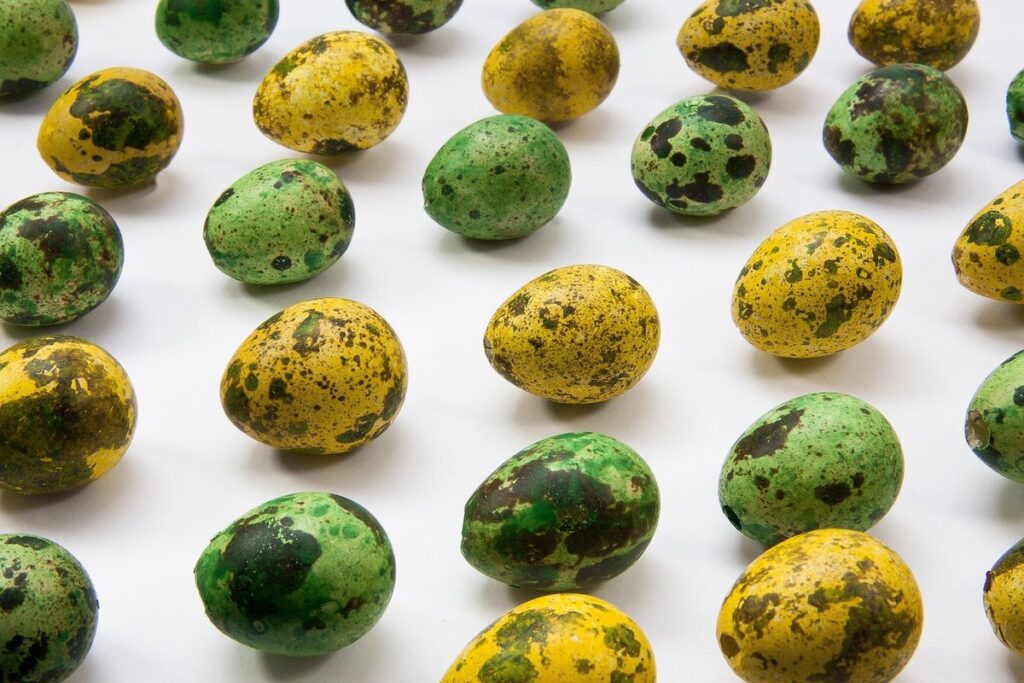
What is Considered a Normal Eggshell Color?
When it comes to eggshells, what’s considered normal can vary from breed to breed and even farm to farm, but there are some general guidelines. Let’s take a closer look at these standards.
Definition of Normal Eggshell Colors
Eggshell colors can vary significantly between breeds, making it essential to understand what’s considered normal. In general, most eggshells fall within a range of three main colors: white, brown, and tinted (blue or green). These colors result from the interaction of two pigments: porphyrins and protoporphyrins. The ratio and combination of these pigments determine the final color.
For example, Leghorn eggs are typically white due to the dominance of pure white feathers in this breed. On the other hand, Marans eggs can range from dark chocolate to coffee brown because of their genetic makeup. Barred Rocks often produce eggs with a pinkish-brown tint due to their mixed ancestry.
Some breeds, like Araucanas and Ameraucanas, may have an additional blue pigment that gives their eggs a distinctive green or blue tint. These colors are considered normal within the specific breed, but they can be misleading if you’re trying to determine egg fertility or quality. When evaluating your flock’s eggshell color, it’s crucial to consider the breed characteristics and genetic predispositions of your birds. This knowledge will help you identify any potential issues with their health or well-being.
Factors Influencing Eggshell Color
When it comes to eggshell color, several factors can influence its appearance. Breed is one such factor that plays a significant role in determining the color of eggs. Some breeds, like Leghorns and Cornish Cross, tend to produce white or light-brown eggs, while others, like Marans and Barnevelders, lay dark brown eggs.
Diet is another crucial aspect that affects eggshell color. Hens fed with a diet rich in omega-3 fatty acids, for example, may produce eggs with a deeper, darker shell color. Similarly, the age of the hen can also impact the color of its eggs; younger hens tend to lay lighter-colored eggs as they mature.
A hen’s health is another vital factor that influences eggshell color. Any underlying health issues, such as respiratory problems or vitamin deficiencies, can cause a change in eggshell color. For instance, a lack of calcium in a hen’s diet may result in pale or washed-out eggshells.
It’s essential to note that these factors can interact with each other and influence the final color of an eggshell. By understanding the interplay between breed, diet, age, and health, you can make informed decisions about your flock’s nutritional needs and potentially impact their eggshell color.
The Significance of Dark Brown Eggs
Dark brown eggs are not only a striking visual feature, but they also hold significant meaning for the health and welfare of the chicken that laid them. Let’s explore what this unique color tells us about our hens’ diets and environments.
Nutritional Content of Dark Brown Eggs
Dark brown eggshells may be an indication of higher nutritional content within the egg. Research suggests that eggs with thicker, darker shells tend to have a better nutrient profile compared to their lighter counterparts.
Eggs rich in omega-3 fatty acids are often linked to a darker shell color. Omega-3s play a crucial role in enhancing the fertility and overall health of the laying hen, potentially leading to more nutritious eggs. For instance, studies have shown that eggs from hens fed with omega-3-rich feed contain higher levels of these essential fatty acids compared to those laid by hens on conventional diets.
Other nutrients such as vitamins A and E may also contribute to a darker eggshell color. These antioxidants can enhance the overall quality of the egg while improving its nutritional content. Darker eggshells may also be indicative of higher levels of other essential micronutrients like vitamin B12, iron, and zinc.
When purchasing dark brown eggs, look for labels highlighting their higher omega-3 content or rich nutrient profile to make informed decisions about your dietary choices.
Potential Health Benefits of Consuming Dark Brown Eggs
Dark brown eggs are not only visually appealing, but they also offer a range of potential health benefits. One of the key advantages is their high antioxidant content. Antioxidants help protect cells from damage caused by free radicals, which can lead to chronic diseases like cancer and heart disease.
The immune system is another area where dark brown eggs may provide support. The yolks contain omega-3 fatty acids and vitamins A and E, which are essential for maintaining a healthy immune response. Studies have shown that consuming eggs rich in these nutrients can reduce inflammation and improve overall immunity.
In addition to their nutritional value, dark brown eggs also contain higher levels of certain minerals like iron and zinc compared to white or light-brown eggs. Iron is crucial for transporting oxygen throughout the body, while zinc plays a key role in immune function and wound healing. To maximize these benefits, look for eggs from hens raised on pasture or fed a diet rich in omega-3s and vitamins A and E.
Causes of Abnormal Eggshell Color
Let’s dive into what can cause those rare, unusual eggshells that don’t quite match their owner’s breed. Genetics and environmental factors often play a role in abnormal eggshell coloration.
Deficiencies in Diet or Nutrition
Dietary deficiencies can significantly impact eggshell color, with calcium and vitamin D3 playing crucial roles. A diet lacking sufficient calcium can lead to weakened shells, making them more susceptible to cracks and discoloration. This is because calcium helps regulate the development of the eggshell, ensuring it’s strong and intact.
Vitamin D3 also plays a vital role in maintaining normal eggshell color. It aids in the absorption of calcium from the diet, facilitating its incorporation into the shell matrix. A deficiency in vitamin D3 can result in eggs with discolored or weak shells.
Other essential nutrients like copper, manganese, and zinc are also necessary for maintaining healthy eggshell production. For instance, a study found that hens receiving a supplement containing these minerals laid eggs with stronger, more uniform shells compared to those not receiving the supplement.
To promote normal eggshell color and prevent potential issues, consider adding foods rich in calcium, vitamin D3, and other essential nutrients to your flock’s diet. Examples include dark leafy greens like kale or spinach, fortified feed mixes, and sunflower seeds. Consult with a veterinarian to determine the best supplements for your specific flock needs.
Health Issues Affecting Eggshell Production
Health issues in hens can sometimes manifest as changes in eggshell color, including dark brown. One such condition is kidney stones, which can cause the hen’s body to pull minerals from her bones and deposit them in her urine. This can lead to an imbalance of calcium and other essential nutrients that affect eggshell production.
Another health issue affecting hens is metabolic bone disease (MBD). MBD is caused by a lack of vitamin D or phosphorus, leading to softened bones and impaired mineralization. Hens suffering from MBD may lay eggs with irregularities in the shell, such as dark brown discoloration. If left untreated, MBD can lead to permanent damage to the hen’s skeletal system.
Monitoring your flock for signs of these conditions is crucial to maintaining their overall health. Look out for changes in eggshell color, which can be an early indicator of underlying health issues. Regular check-ups with a veterinarian and a balanced diet that meets all nutritional needs are essential for preventing these problems from arising.
How to Identify Dark Brown Eggs
When scanning the farm stand or grocery store, it can be easy to overlook those dark brown eggs nestled among their lighter counterparts. To confidently identify them, look for a few distinct characteristics.
Visual Inspection of Eggs
When it comes to identifying dark brown eggs, visual inspection is often the first step. However, distinguishing between different shades and hues can be tricky, especially if you’re new to egg buying.
Start by examining the overall color tone of the egg. Dark brown eggs typically have a deep, rich brown color that’s almost velvety in appearance. If it has a blue or green undertone, it may indicate that the hen was raised on pasture or had access to fresh grass and insects.
Look for eggs with an even, consistent coloring. Dark brown eggs can sometimes appear speckled or streaked, but these should be evenly distributed across the egg’s surface. Be wary of eggs with blotchy or uneven coloration, as this may indicate a health issue with the hen.
To distinguish between different shades of dark brown, consider the following:
• Very dark brown eggs will have almost a black or charcoal tone.
• Dark chocolate-brown eggs will have a reddish tint to them.
• Espresso-brown eggs will be more muted and lack a strong blue undertone.
By paying attention to these visual cues, you can get a better sense of whether an egg is truly dark brown.
Considerations When Buying or Raising Dark Egg-Laying Chickens
When purchasing chickens, especially for backyard chicken keepers, it’s crucial to consider the eggshell color. Dark brown eggs are a result of specific genetics and can be an attractive feature for many enthusiasts. However, if you’re not prepared to handle these characteristics, it may lead to problems down the line.
If you decide to buy dark brown egg-laying chickens, research their breed history and characteristics beforehand. Some breeds, like Marans or Welsummers, are known for laying dark eggs. Understanding their temperament, egg production rate, and specific needs will help you determine if they’re a good fit for your flock.
When raising these birds, be aware that their high iron content can cause blue-green discoloration on the whites of their eyes. This is completely normal and not a sign of illness. However, it’s essential to ensure they have access to clean water and a balanced diet to prevent any potential health issues related to high iron intake.
Keep in mind that some breeds might be more prone to health problems due to their genetic makeup. Always consult with a veterinarian or experienced breeder before bringing new birds into your flock.
Implications for Food Safety
When it comes to dark brown egg color, food safety is a crucial concern. We’ll explore the potential risks and implications for your health and well-being in this next section.
The Impact of Abnormal Eggshell Color on Quality
Eggs with abnormal shell colors, such as dark brown, may raise concerns about their quality and safety. Research suggests that these eggs might be more prone to bacterial contamination due to the potential for compromised eggshell integrity.
Some studies have found a correlation between certain eggshell color abnormalities and increased levels of Salmonella in eggs. This is because abnormal shell colors can indicate underlying issues with egg production, such as nutritional deficiencies or health problems in the hens. For example, a study published in the Journal of Food Protection found that dark brown eggs were more likely to contain Salmonella than lighter-colored eggs.
In addition to bacterial contamination, abnormal eggshell colors may also affect the structural integrity of the egg. This can lead to increased risk of cracking or breakage during handling or transportation, which can compromise food safety. To minimize these risks, consumers should be aware of the potential implications of dark brown egg color and handle these eggs with extra care.
If you’re concerned about the quality or safety of dark brown eggs, look for eggs from reputable producers that follow strict food safety guidelines. Additionally, always store eggs in a clean, dry place to prevent contamination.
Regulatory Considerations for Dark Brown Eggs
Dark brown eggs are subject to regulations that vary by region and country. In the United States, for example, the USDA regulates egg production under the Egg Products Inspection Act. This law requires that all eggs sold in interstate commerce be graded for quality and cleanliness.
In terms of dark brown egg color specifically, some countries have more stringent regulations than others. For instance, in Europe, there are stricter guidelines for egg production to ensure that eggs meet certain standards of animal welfare and food safety.
If you’re a producer or seller of dark brown eggs, it’s essential to be aware of the specific regulations in your region. You can start by checking with local authorities such as the USDA or equivalent organizations in other countries.
Additionally, many organic egg producers choose to adhere to stricter guidelines voluntarily to appeal to consumers who prioritize animal welfare and environmental sustainability. This includes providing enriched environments for hens, using natural feed, and avoiding antibiotics and hormones.
When purchasing dark brown eggs, look for labels that indicate compliance with these regulations or stricter standards. This can provide assurance about the quality and safety of your eggs.
Conclusion
Now that we’ve explored the possible causes of dark brown egg color, let’s summarize our key takeaways and reflect on what you’ve learned so far.
Recap of Key Points
In this recap of key points, we’ll revisit the main findings from our exploration into dark brown egg color. By now, you should have a solid understanding of what causes eggs to take on their distinctive dark brown hue.
Let’s start with the primary reasons behind dark brown eggs. We established that breed and genetics play a significant role in determining egg color. Certain breeds like Marans and Welsummer are naturally inclined to produce dark brown eggs due to their genetic makeup. On the other hand, some breeds may not be as fortunate in this regard.
Nutrition also has an impact on egg color. A diet rich in carotenoid pigments can cause a yellow or orange tint to appear in the egg yolks, whereas a lack of these nutrients may result in pale or washed-out eggs. Dark brown eggs are more likely to occur when hens are consuming a balanced diet with ample amounts of calcium and other essential minerals.
It’s worth noting that some dark brown eggs may be the result of external factors such as environmental conditions or contamination. However, this is less common and usually linked to issues like dirty living quarters or inadequate ventilation.
In terms of practical advice, we recommend considering your flock’s breed and nutritional needs when selecting feed or supplements. Ensure that their diet includes a mix of fruits, vegetables, and whole grains to promote optimal egg production and color. Regular health checks and proper living conditions can also contribute to the production of high-quality eggs with desirable characteristics.
Lastly, keep in mind that dark brown eggs are not inherently better or worse than eggs from other breeds. Their distinct appearance is simply a reflection of their natural genetic predisposition. By understanding the causes behind this phenomenon, you’ll be better equipped to care for your flock and produce healthy, delicious eggs regardless of their color.
Frequently Asked Questions
Can dark brown eggs be safe to eat, or are they a sign of contamination?
Dark brown eggs can be safe to eat, but it’s essential to check the overall health and living conditions of your hens. If you notice other signs of illness or neglect, it’s best to discard those eggs to avoid any potential risks.
Are dark brown eggs more nutritious than their lighter-colored counterparts?
The nutritional content of dark brown eggs is not necessarily higher than that of light-colored eggs. However, the color can indicate a chicken’s diet and living conditions, which may influence the egg quality. A balanced diet with adequate nutrients will produce healthier eggs regardless of color.
How do I identify if my chickens are getting enough nutrients to lay dark brown eggs?
To determine if your hens are receiving sufficient nutrition, monitor their overall health, feed quality, and access to clean water. Consult with a veterinarian or poultry expert for personalized advice on maintaining healthy flocks.
What happens if I notice an inconsistent color pattern in my chicken’s eggs?
If you observe unusual variations in eggshell color, investigate the potential causes by examining your chickens’ diet, living conditions, and overall health. Consult with experts to ensure the welfare of your birds and produce high-quality eggs.
Can dark brown egg-laying breeds be kept as pets or for small-scale farming?
Some breeds known for their dark brown eggs can thrive in backyard flocks or small farms. Research specific breed characteristics and requirements before deciding which chickens are right for you, considering factors like space, feed, and desired egg production.