
Ducks are known for their unique charm, but have you ever stopped to admire those impressive crests on top of their heads? The duck crest is more than just a fancy feathered hat – it’s an essential part of their anatomy that serves several crucial functions. From helping them navigate through dense vegetation to signaling dominance and attractiveness, the crest plays a vital role in their daily lives.
In this comprehensive guide, we’ll delve into the fascinating world of duck crests, exploring their different types, cultural significance, and how they adapt to various environments. We’ll also cover the basics of breeding and caring for ducks with impressive crests, including wood ducks and mergansers. Whether you’re a seasoned bird enthusiast or just starting your journey, this article will equip you with everything you need to know about duck crests.
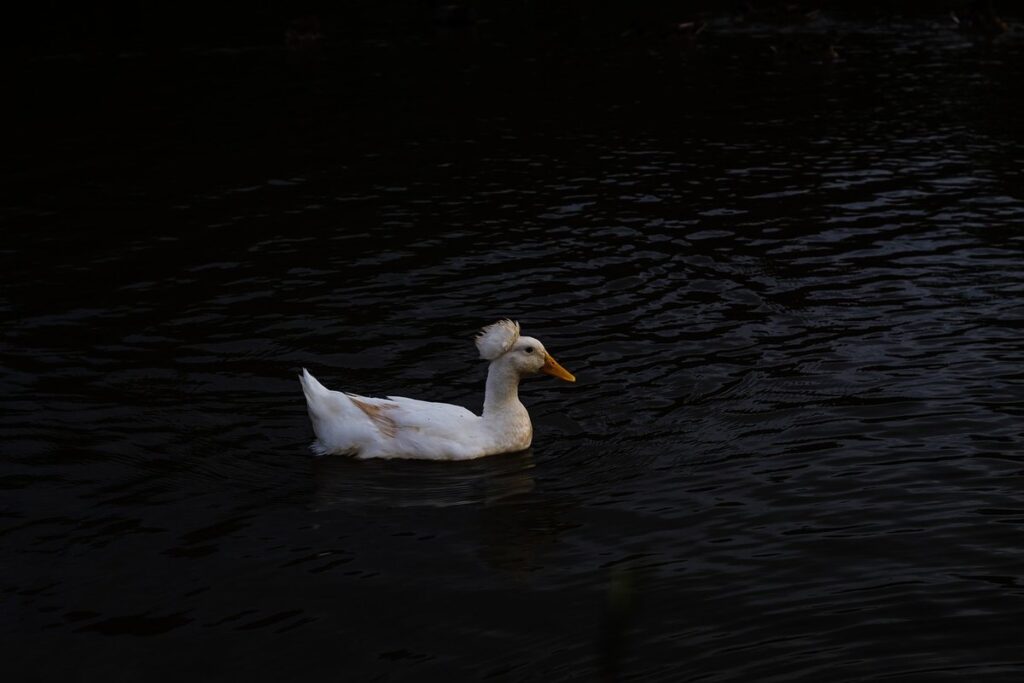
What is a Duck’s Crest?
So, you want to know what makes a duck’s crest so special? Let’s dive into its purpose and why it’s such an iconic feature among waterfowl.
The Anatomy of a Duck’s Crest
A duck’s crest is a prominent feature on its head, and understanding its structure and function is essential to appreciating this iconic waterfowl characteristic. Located at the back of the duck’s head, just above the beak, the crest is made up of feathers that are typically stiffened with small quill knobs or modified barbs.
The location of the crest allows it to play a crucial role in communication and display between ducks. When a duck puffs out its crest, it sends a clear signal to other ducks about its intentions, dominance, or courtship status. For example, during mating season, male ducks will often inflate their crests to attract females or deter rival suitors.
The feathers that make up the crest are typically longer and more rigid than those on the rest of the duck’s body, which helps them stand upright and display prominently. Some breeds, such as the Wood Duck, have particularly striking crests that are used for display purposes during courtship rituals.
Functions of a Duck’s Crest
A duck’s crest is more than just a unique physical feature – it serves several essential functions that help the bird survive and thrive in its environment. When it comes to attracting mates, a duck’s crest plays a crucial role. For instance, male ducks with longer, more vibrant crests are often preferred by females as they signal good health and high social status.
But the crest isn’t just about romance – it also serves as a tool for intimidating rivals. During mating season or when competing for resources, males will often raise their crests to appear larger and more formidable. This display of dominance can deter potential competitors from approaching.
In addition to its role in attracting mates and intimidating rivals, a duck’s crest is also an emotional expression. When excited or aggressive, ducks will often raise their crests as a visual cue to other birds in the area. By paying attention to these subtle changes, you can gain insight into a duck’s emotional state and even develop a deeper understanding of its behavior.
Types of Ducks with Notable Crests
Some duck breeds are easily identifiable by their striking crests, a unique feature that can vary greatly from one type to another. Let’s take a closer look at these remarkable waterfowl.
Wood Ducks: The Most Elaborate Crests
Wood ducks are undoubtedly one of the most striking waterfowl species when it comes to their elaborate crests. These birds boast some of the most impressive and intricate plumage found among duck species. One of the primary reasons wood ducks stand out is due to their vibrant coloration, which ranges from emerald greens to burnt oranges.
When it comes to their crests, wood ducks have a unique characteristic – they are able to raise or lower them at will. This ability allows them to express different emotions and communicate with other wood ducks more effectively. For example, when a male wood duck is courting a female, he will often raise his crest as a sign of dominance.
In terms of habitat, wood ducks can be found in various types of wetlands, including ponds, marshes, and slow-moving streams. They tend to prefer areas with dense vegetation, which provides them with ample shelter and foraging opportunities. If you’re planning to spot wood ducks in the wild, look for these areas, as they are likely to congregate there.
Wood ducks also have a unique way of swimming – using their powerful tails to propel themselves through the water. This allows them to cover long distances while foraging for food or escaping predators. By observing how wood ducks move through the water, you can gain a deeper appreciation for their remarkable adaptations.
Mergansers: Streamlined Heads with Small Creasts
Merganser ducks are an interesting group when it comes to crests. Unlike many other waterfowl species, mergansers don’t sport the tall, elaborate crests that are common among ducks. However, they do have a distinctive crest of feathers on their heads – one that’s relatively small compared to others in the duck family.
This streamlined head shape is an adaptation for diving and aquatic life. Merganser ducks are expert divers, with the ability to plunge into the water from heights of up to 60 feet. Their small crests likely help reduce drag while diving, allowing them to pursue fish and other prey with ease.
If you’re spotting mergansers in the wild, look for this distinctive head shape – it’s often accompanied by a red or yellow bill. Keep an eye out for their sleek, streamlined bodies as well – a testament to their evolutionary adaptations for life in the water.
Crest Variations Among Duck Species
As you explore the fascinating world of duck crest, it’s intriguing to note that different species exhibit distinct crests, each serving unique purposes. Let’s dive into some of these remarkable variations among duck species.
Crest Shapes and Sizes: A Spectrum of Variation
Duck crest shapes and sizes are as varied as they are fascinating. From the elegant sweep of the Wood Duck’s distinctive fan-shaped crest to the humble yet endearing tuft on a domestic duck‘s head, each species boasts its own unique take on this iconic waterfowl feature.
Take, for instance, the Mallard – one of the most recognizable duck species globally. While it’s often associated with a medium-sized, rounded crest, individual Mallards can exhibit remarkable variations in size and shape, influenced by factors such as age, sex, and environmental conditions.
Some species, like the Harlequin Duck, feature crests that are almost wispy and wispy-like, while others – such as the Muscovy Duck – sport impressive, horn-like protrusions. In between these extremes lies a spectrum of sizes and shapes that defy easy categorization. This diversity is not merely aesthetically pleasing; it also speaks to the complex evolutionary pressures and adaptations that have shaped duck crest morphology over time.
So what can you do if you’re trying to identify or understand a particular species based on its crest? Take note of the shape, size, coloration, and overall proportion in relation to the rest of the head. Compare your observations with reference images, field guides, or expert descriptions – and remember that every duck is an individual, reflecting unique characteristics shaped by genetics, environment, and life experience.
Crest Colors and Patterns
When it comes to duck crests, their colors and patterns play a significant role in communication and identification. You’ll notice that some ducks have iridescent crests, which shimmers and changes color depending on the angle of the light. This is due to the structure of the crest’s microscopic feathers, which refract light and create a rainbow effect.
Other ducks sport striped or solid-colored crests, often in shades of black, white, red, or blue. For example, the Wood Duck has a striking greenish-yellow crest with dark stripes, while the Merganser boasts a bright orange-red crest. These colors can signal aggression, courtship, or territorial behavior.
To identify different duck species based on their crests, pay attention to the color, pattern, and size of the crest. Note that some ducks may have multiple crest colors or patterns, making them more difficult to distinguish. To make identification easier, study photographs or observe ducks in their natural habitats. By recognizing these distinctive features, you’ll become a more skilled duck enthusiast and gain a deeper appreciation for these remarkable waterfowl creatures.
Cultural Significance of Duck Creasts
Duck crests have played a significant role in various cultures around the world, often symbolizing status, power, and beauty. Let’s explore how different societies have valued this iconic waterfowl feature.
Symbolism and Metaphor
Duck crests have long been imbued with symbolic meaning, transcending their functional purpose as a water-repelling feature. In art and literature, they’ve been employed as metaphors for power, elegance, and resilience. For instance, the majestic crested ducks depicted in 19th-century British watercolor paintings symbolized refinement and nobility. Similarly, in children’s literature, duck crests have been used to represent courage and determination.
In popular culture, the image of a proud-crested duck has also become an enduring symbol. Think of Disney’s Donald Duck, whose iconic crest is synonymous with charm and humor. More recently, the internet meme “Doge” featuring a dog in a duck costume with a prominently displayed crest, exemplifies the versatility of this visual motif.
When incorporating duck crests as symbols or metaphors in your own creative work, consider their connotations carefully. Ask yourself: What values do you associate with this waterfowl feature? How can you use it to convey meaning and evoke emotions in your audience? By understanding the rich cultural significance of duck crests, you can unlock new possibilities for storytelling and self-expression.
Crests in Decorative Art
Duck crests have been an enduring symbol of elegance and sophistication across various forms of decorative art. In ceramics, for instance, duck crest motifs are often used to adorn the surface of vases, plates, and other tableware pieces. The intricate designs add a touch of whimsy and playfulness to these items, making them perfect for collectors of fine china.
In textiles, duck crests can be seen in traditional embroidered patterns on bed linens, pillowcases, and other home decor fabrics. These vibrant illustrations not only reflect the cultural significance of duck crests but also serve as a testament to the artisan’s skill and craftsmanship. Metalworkers too have been inspired by duck crest designs, using them to create intricate copper or silver pieces that shine with an air of sophistication.
When incorporating duck crests into your home decor, choose items where the design is prominent yet tasteful. For instance, use ceramics as wall art or centerpieces, while using textiles in subtle ways like throw pillows or table runners can add a touch of elegance to any room without overpowering it.
Breeding and Care for Ducks with Notable Creasts
When it comes to ducks with notable crests, proper breeding and care are crucial to maintain their unique appearance and overall health. Learn how to breed and care for these special waterfowl in this section.
Choosing the Right Breed
When it comes to choosing a duck breed with an impressive crest, there are several factors to consider. Temperament is one of the most important aspects, as some breeds are known for their friendly and docile nature, making them perfect for backyard keepers or families with children. Others, like the Wood Duck, can be more feisty and require experienced care.
Egg-laying capacity is another crucial consideration. If you’re looking for a breed that will provide a steady supply of eggs, breeds like the Khaki Campbell or the Indian Runner are excellent choices. They may not have the most impressive crest, but their high egg production makes them well worth considering.
Climate adaptability is also essential to keep in mind. Some breeds, such as the Muscovy Duck, can thrive in hot and humid climates, while others, like the Pekin, prefer cooler temperatures. Be sure to research your local climate and choose a breed that can tolerate it.
Ultimately, the key is to find a balance between temperament, egg production, and adaptability. With careful consideration of these factors, you’ll be well on your way to selecting a duck breed with an impressive crest that will thrive in its new home.
Environmental and Dietary Needs
When it comes to ducks with notable crests, providing an optimal environment and diet is crucial for their health and well-being. When it comes to housing, consider a spacious enclosure that allows for ample room to move around. A minimum of 2-3 square feet per duck is recommended, but more space is always better.
When it comes to exercise, ducks need regular opportunities to engage in physical activity. Provide a secure area where they can swim and play, such as a large pond or pool with adequate water depth and width. This will help keep them active and healthy.
In terms of diet, offer a balanced mix of pellets and grains, supplemented with fresh fruits and vegetables daily. A good rule of thumb is to provide about 10-15% of their diet in fresh foods, with the rest coming from commercial duck feed. Consider offering a variety of treats, such as leafy greens like kale or spinach, to ensure they’re getting a broad spectrum of nutrients.
It’s also essential to consider the crest itself when planning your duck’s care. For example, some breeds may require extra support for their crests due to weight or sensitivity. Consult with an expert or conduct thorough research on your specific breed to determine its unique needs and requirements.
Conclusion
So, now that we’ve dived into the world of duck crests, it’s time to wrap up our journey by summarizing what you’ve learned and take away some final thoughts.
Recap of Key Points
In conclusion, we’ve delved into the fascinating world of duck crests and uncovered their significance in the biology, behavior, and cultural impact of these iconic waterfowl. Let’s recap some of the key points that will help you better understand and appreciate the importance of duck crests.
One crucial aspect is that duck crests serve as an indicator of a duck’s age, sex, and even social status within their flocks. For instance, male ducks tend to develop more prominent crests than females, while older ducks may exhibit larger or more vibrant crest feathers. This distinctive feature plays a vital role in communication and mating rituals.
Another essential point is that duck crests also influence the bird’s aerodynamics and flight capabilities. The unique shape of the crest helps reduce air resistance and enhance lift during takeoff and landing. This adaptation has been honed over time through natural selection, allowing ducks to thrive in their aquatic environments.
Lastly, duck crests have become an integral part of human culture, symbolizing elegance, refinement, and even good luck. From ornamental pillows to decorative collectibles, the crest’s appeal transcends its functional significance. As we conclude this journey into the world of duck crests, remember that appreciating these waterfowl features can enrich our understanding of nature’s intricate designs and subtle nuances.
Final Thoughts
As you’ve made it through this comprehensive guide on understanding duck crests, we hope you now have a deeper appreciation for these unique and fascinating waterfowl features. But why should you care about duck crests? The answer lies in the enrichment of our connection with ducks themselves. By taking the time to observe, learn about, and appreciate duck crests, we can develop a more nuanced understanding of these remarkable birds.
Duck crests are not just aesthetically pleasing; they serve an essential purpose. They help regulate body temperature, protect the head from cold winds, and even play a role in attracting mates. By recognizing the importance of duck crests, we can better appreciate the intricate details that make each duck species unique. So next time you encounter a duck with a striking crest, take a moment to admire its beauty and significance. Whether you’re an avid birdwatcher or simply someone who appreciates nature’s wonders, understanding duck crests is sure to enrich your connection with these captivating creatures.
Frequently Asked Questions
Can any duck species develop a prominent crest, or is it limited to specific breeds?
Some duck species, like wood ducks and mergansers, are naturally born with distinctive crests. However, through selective breeding, some breeders have successfully developed crested varieties in other breeds, such as the Khaki Campbell or Rouen. If you’re interested in raising ducks with impressive crests, research specific breeds that are known for their crest development.
How do I properly care for a duck’s crest to prevent matting and tangling?
To keep your duck’s crest healthy and looking its best, gently remove any tangles or mats with your fingers or a soft-bristled brush. Regularly inspect the crest for signs of damage or overgrowth, and trim it as needed to prevent excessive feathering. Also, ensure your duck has access to clean water for regular preening.
Can ducks adapt their crests to fit in with different social groups?
Ducks are highly adaptable creatures, and they can modify their crests to signal dominance, attractiveness, or even submission within a group. However, this is not a conscious decision but rather an instinctual behavior influenced by various factors such as age, sex, and territorial markings.
How do I determine if my duck’s crest is healthy?
A healthy duck crest should be free from signs of damage, disease, or parasites like mites. Regularly inspect your duck’s crest for any unusual changes in color, texture, or growth patterns. Also, keep an eye out for behavioral signs such as excessive preening or feather-plucking, which could indicate underlying health issues.
Can I artificially create a duck’s crest using feathers and adhesives?
While it might be tempting to try and enhance your duck’s appearance with artificial crests, this is not recommended. Artificial modifications can cause discomfort, stress, and potentially harm your bird. Instead, focus on providing proper care and nutrition for healthy feather growth and development.