
As a waterfowl owner, you’re probably no stranger to the joys and challenges that come with caring for your feathered friends. But have you ever heard of duck egg bloom? This common condition affects many waterfowl species, causing eggs to turn blue or green due to an excessive build-up of pigment. It’s not just a cosmetic issue – duck egg bloom can be a symptom of underlying health problems that affect reproductive cycles and overall well-being. In this article, we’ll delve into the causes, symptoms, and prevention strategies for duck egg bloom in waterfowl, helping you identify potential issues and take proactive steps to ensure your birds stay healthy and happy. By understanding more about duck egg bloom, you can take control of your flock’s health and create a thriving environment for them to thrive in.
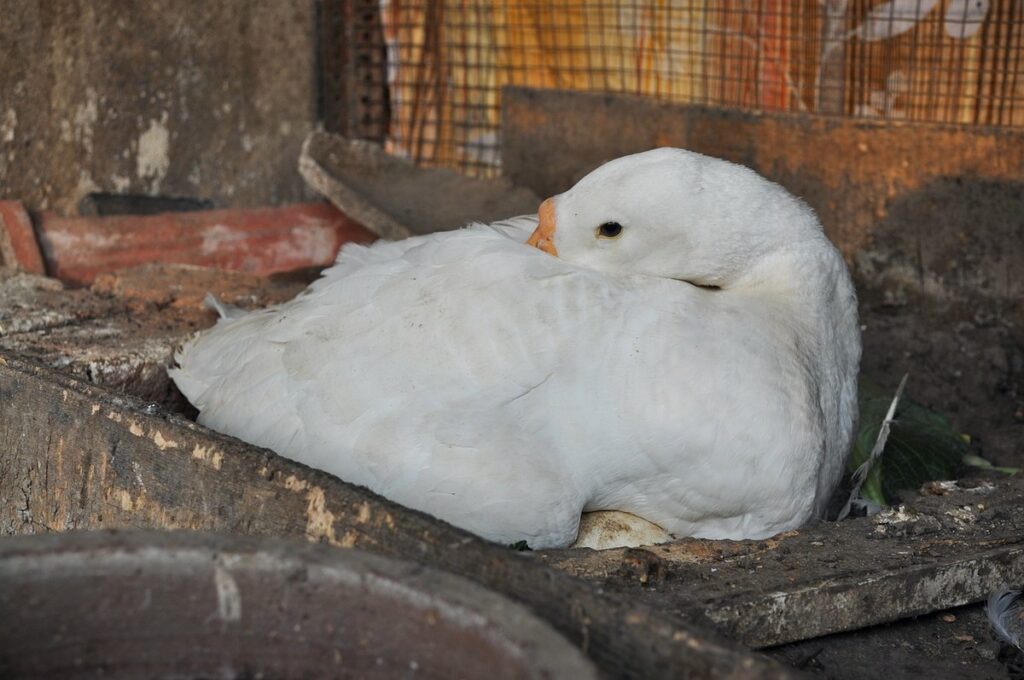
What is Duck Egg Bloom?
Duck egg bloom refers to a stunning phenomenon where a layer of creamy, velvety white blossoms appears on top of duck eggs. In this section, we’ll delve into its fascinating causes and characteristics.
Definition and Explanation
Duck egg bloom is a condition that affects waterfowl, particularly ducks and geese, characterized by an abnormal accumulation of protein-rich yolk material on the surface of their eggs. This phenomenon occurs when there’s an imbalance between the rate at which yolk is produced and the rate at which it’s utilized by the developing embryo.
Causes of duck egg bloom include nutritional deficiencies, particularly a lack of protein or other essential nutrients in the waterfowl’s diet. When these nutrients are scarce, the hen may lay eggs with an excessive amount of yolk material, leading to the bloom. Over-crowding and poor sanitation can also contribute to this condition by increasing the stress levels on the hens.
If left unchecked, duck egg bloom can have serious consequences for waterfowl health, including reduced fertility rates and increased susceptibility to disease. To mitigate this issue, ensure your flock receives a balanced diet rich in protein and other essential nutrients. Monitor their living conditions closely, maintaining clean enclosures and providing adequate space per bird. Regular health checks will also help you identify any potential issues early on.
Symptoms and Signs of Duck Egg Bloom
When experiencing duck egg bloom, you may notice distinct physical and behavioral changes in your ducks. One of the most noticeable signs is a decrease in fertility. This is often caused by hormonal imbalances that occur during this period. As a result, eggs laid by ducks undergoing duck egg bloom may be sterile or infertile.
You may also observe changes in nesting behaviors, such as frequent brooding and incubating behavior even when not laying eggs. Some ducks may exhibit erratic broodiness, constantly seeking out nesting sites or clutching imaginary eggs. This can be distressing for the owner, especially if they’re unaware of what’s happening to their flock.
To identify duck egg bloom in your flock, look for these telltale signs: frequent sitting on an empty nest, excessive preening and brooding behavior, and a decrease in appetite. Keep a close eye on your ducks’ physical condition, monitoring their overall health and alerting a veterinarian if you notice any unusual symptoms.
Causes of Duck Egg Bloom
So, you’re wondering what can cause a duck egg bloom? Let’s dive into some common reasons why this phenomenon occurs.
Nutritional Deficiencies
Duck egg bloom can be a result of various nutritional deficiencies that affect the overall health and well-being of your duck flock. One of the primary causes is protein deficiency, which can lead to a lack of essential amino acids necessary for healthy feather growth and maintenance. A diet lacking in sufficient protein can cause feathers to become brittle, leading to breakage and unevenness.
Inadequate mineral balances are another crucial factor contributing to duck egg bloom. Minerals such as calcium, phosphorus, and zinc play significant roles in maintaining strong bones, beaks, and feathers. Deficiencies in these minerals can lead to softening of the bones, causing them to become brittle and prone to breakage.
Moreover, inadequate energy sources can also cause stress on your ducks’ bodies, leading to feather loss and uneven growth. A balanced diet should include a mix of high-quality grains such as oats, barley, and wheat, along with a reliable source of protein like soybean meal or fishmeal. Providing fresh water and access to clean foraging areas can also help supplement their diet.
A good rule of thumb is to ensure that your ducks’ feed contains at least 16-18% protein, along with adequate amounts of calcium and phosphorus. You can also add supplements such as oyster shells or crushed eggshells to provide additional calcium sources.
Environmental Factors
Duck egg bloom is often linked to environmental factors that can either trigger or worsen its symptoms. Extreme temperatures play a significant role in this regard. Prolonged exposure to scorching heat, particularly during summer months, can cause the water to become stagnant and hot. This results in an increase in algae growth, which further exacerbates duck egg bloom.
On the other hand, sudden drops in temperature can also lead to a decrease in oxygen levels within the water, creating an ideal environment for bacteria to thrive. High humidity is another contributing factor that allows for the rapid growth of certain microorganisms responsible for duck egg bloom.
Poor water quality is another significant environmental factor to consider. High levels of nitrates and phosphates can stimulate excessive algae growth, which eventually depletes oxygen within the water. This creates a perfect storm that enables duck egg bloom to take hold.
Effects on Waterfowl Health
The effects of duck egg bloom on waterfowl health can be far-reaching and concerning, with some species being particularly vulnerable to its impacts. We’ll examine these risks in detail here.
Reproductive Problems
Duck egg bloom can have a profound impact on the reproductive health of ducks and geese. One of the most significant concerns is the decrease in fertility rates among affected birds. This can be attributed to the hormonal imbalances caused by the bloom’s toxic compounds, which disrupt the delicate balance of reproductive hormones.
Research has shown that ducks exposed to duck egg bloom toxins experience a significant decline in egg production and fertility rates. In fact, studies have demonstrated that ducks suffering from bloom-related reproductive problems may produce eggs with lower fertilization rates, increasing the likelihood of embryonic mortality.
In addition to decreased fertility rates, altered hormone balances can also lead to changes in behavior and physiology among affected birds. For example, some ducks may exhibit aggression or restlessness, while others may experience weight loss or muscle atrophy. It’s essential for breeders and owners to monitor their flocks closely during bloom events, taking prompt action to minimize the impact on reproductive health.
If you suspect that your flock is experiencing reproductive problems due to duck egg bloom, consult with a veterinarian specializing in waterfowl health to develop an effective treatment plan.
Stress and Behavior Changes
When waterfowl experience duck egg bloom, they can develop emotional and psychological distress that manifests as increased stress levels. This can lead to abnormal behaviors, such as feather pecking, pacing, and restlessness. For instance, a study on ducks found that those with high levels of stress exhibited aggressive behavior towards other ducks, such as chasing or attacking them.
Waterfowl under duress may also exhibit changes in their feeding habits, eating more or less than usual. They may become withdrawn, losing interest in social interactions and activities they normally enjoy. For example, a flock of ducks that were experiencing duck egg bloom became so stressed that they stopped playing in the water, a behavior essential to their physical and mental well-being.
Recognizing these changes is crucial for addressing stress and abnormal behaviors. If you suspect your waterfowl are affected by duck egg bloom, observe their behavior closely and consider providing them with enrichment activities or changing their living environment to reduce stress levels. Consult with a veterinarian for guidance on caring for your birds during this period.
Prevention and Treatment Strategies
Now that you know what duck egg bloom is, let’s dive into some effective prevention and treatment strategies to keep it from ruining your flock’s health and happiness. We’ll cover everything you need to know to get back on track.
Dietary Adjustments
When it comes to preventing or alleviating duck egg bloom in domesticated ducks and geese, making informed dietary adjustments is crucial. This condition often occurs due to nutritional imbalances, so feeding a well-balanced diet can help mitigate the issue.
A key factor in managing duck egg bloom is ensuring adequate protein intake. Provide your birds with high-quality commercial pellets or layers’ mash that contain around 18-20% protein. You can also supplement their diet with small amounts of fresh vegetables and fruits rich in vitamins and minerals, such as leafy greens, carrots, and berries.
Another essential aspect to consider is the calcium content in your birds’ feed. A deficiency in calcium can lead to weakened eggshells, which may contribute to the development of duck egg bloom. Consider adding crushed oyster shells or cuttlebone to their diet to boost calcium levels.
In addition to these dietary changes, monitor your birds’ water intake and ensure that they have access to fresh, clean drinking water at all times. Proper hydration can help prevent constipation, which may exacerbate the symptoms of duck egg bloom.
Lastly, maintain a diverse and balanced feed mix by incorporating alternative protein sources like mealworms or sunflower seeds. This will minimize the reliance on commercial pellets and ensure that your birds receive a comprehensive range of essential nutrients.
Environmental Modifications
When it comes to preventing duck egg bloom, making environmental modifications can significantly impact its occurrence. One crucial aspect is providing a suitable shelter for your ducks. A well-ventilated and draft-free coop with adequate space is essential. Consider the breed of your ducks and ensure there’s enough room for them to move around comfortably.
Maintaining optimal temperature ranges is also vital. Most duck breeds thrive in temperatures between 40°F and 80°F (4°C and 27°C). Avoid placing their coop near direct sunlight or extreme weather conditions. A good rule of thumb is to provide about 10 square feet per duck for indoor living space, taking into account the size of your ducks and the climate where you live.
In addition to shelter and temperature control, ensure that your ducks have access to clean water at all times. Dehydration can exacerbate egg bloom issues, so make sure their water is fresh and unfrozen during winter months. By making these simple adjustments to their living conditions, you may be able to prevent duck egg bloom altogether or reduce its severity.
Supporting Healthy Waterfowl
Caring for your waterfowl is a top priority, and their health directly affects the quality of the duck eggs you’re working with. Let’s explore some essential tips for supporting healthy waterfowl.
Best Practices for Breeders
When breeding waterfowl, it’s essential to implement strategies that minimize the risk of duck egg bloom. This can be achieved through careful selection and mating practices.
To start, breeders should focus on selecting birds with a strong genetic foundation for fertility and overall health. Look for birds with proven track records of successful breeding and robust offspring. It’s also crucial to maintain a diverse gene pool to prevent inbreeding, which can exacerbate fertility issues.
In terms of mating strategies, it’s recommended to breed birds from different lines or bloodlines to increase genetic diversity. This can be achieved through controlled cross-breeding programs or by introducing new stock from reputable breeders. Additionally, monitor your birds’ reproductive health closely and intervene if you notice any signs of stress or decline in fertility.
By implementing these best practices, breeders can significantly reduce the risk of duck egg bloom and promote a healthier, more resilient flock.
Tips for Backyard Keepers
Caring for domesticated ducks and geese requires attention to their unique needs. Providing adequate space and shelter is crucial for their overall health. A minimum of 2-3 square feet per duck should be allocated for roaming, with a pond or pool of at least 4 feet deep for swimming.
A clean and well-maintained coop is also essential. Ducks are messy birds and require regular cleaning to prevent the spread of diseases. Consider adding a layer of bedding material like straw or wood shavings to absorb droppings and make cleanup easier.
In addition, ensure access to fresh water at all times. Ducks need about 1-2 gallons of water per bird daily, depending on climate and activity level. It’s also important to provide a balanced diet that includes a mix of grains, fruits, and vegetables.
Lastly, be aware of potential health issues specific to ducks and geese, such as respiratory problems and parasites. Regular monitoring and veterinary check-ups will help prevent or address these issues promptly. By following these tips, you can create a happy and healthy environment for your backyard waterfowl.
Frequently Asked Questions
Can duck egg bloom be a sign of other health issues in my waterfowl flock?
Yes, duck egg bloom can be a symptom of underlying health problems that affect reproductive cycles and overall well-being in waterfowl. If you notice excessive pigmentation on your eggs, it’s essential to investigate potential causes such as nutritional deficiencies, stress, or environmental factors.
What are the long-term effects of untreated duck egg bloom on my birds’ health?
Untreated duck egg bloom can lead to reproductive problems, reduced fertility, and increased susceptibility to diseases in waterfowl. It’s crucial to address this condition promptly to prevent long-term damage to your flock’s health and well-being.
Can I treat duck egg bloom with a specific diet or nutritional supplement?
Yes, providing a balanced diet rich in essential nutrients can help alleviate symptoms of duck egg bloom. However, it’s essential to identify underlying causes and adjust your flock’s nutrition accordingly. Consult with a veterinarian or experienced waterfowl breeder to determine the best dietary approach for your birds.
How do I prevent duck egg bloom from affecting my waterfowl during breeding season?
Preventing duck egg bloom requires attention to environmental factors, stress management, and nutritional balance. Ensure proper ventilation, maintain clean living conditions, and provide a balanced diet rich in essential nutrients. Monitor your flock’s health closely during breeding season and take prompt action if you notice any signs of duck egg bloom.
Can duck egg bloom occur in ducks kept for meat production?
Yes, duck egg bloom can affect waterfowl used for meat production as well as those bred for eggs. However, the condition may be less noticeable in commercial flocks due to selective breeding practices and strict health management protocols. Nevertheless, it’s still essential to monitor your flock’s health closely and address any potential issues promptly to maintain their overall well-being.