
As you step into the serene world of waterfowl, have you ever wondered where these adorable ducklings come from? Their secret hideaways are often overlooked, but duckling nests play a vital role in the lives of young ducks. Not only do they provide protection and nourishment, but also serve as a safe haven for these little ones to grow and thrive. With various types of nesting materials used by different species, understanding the intricacies of duckling nests can shed light on the importance of conservation efforts. In this article, we’ll delve into the fascinating world of duckling nests, exploring their significance, different types, and the crucial role they play in protecting these precious habitats. By learning more about duckling nests, you’ll gain a deeper appreciation for the delicate balance of nature and the need to preserve these vital ecosystems.
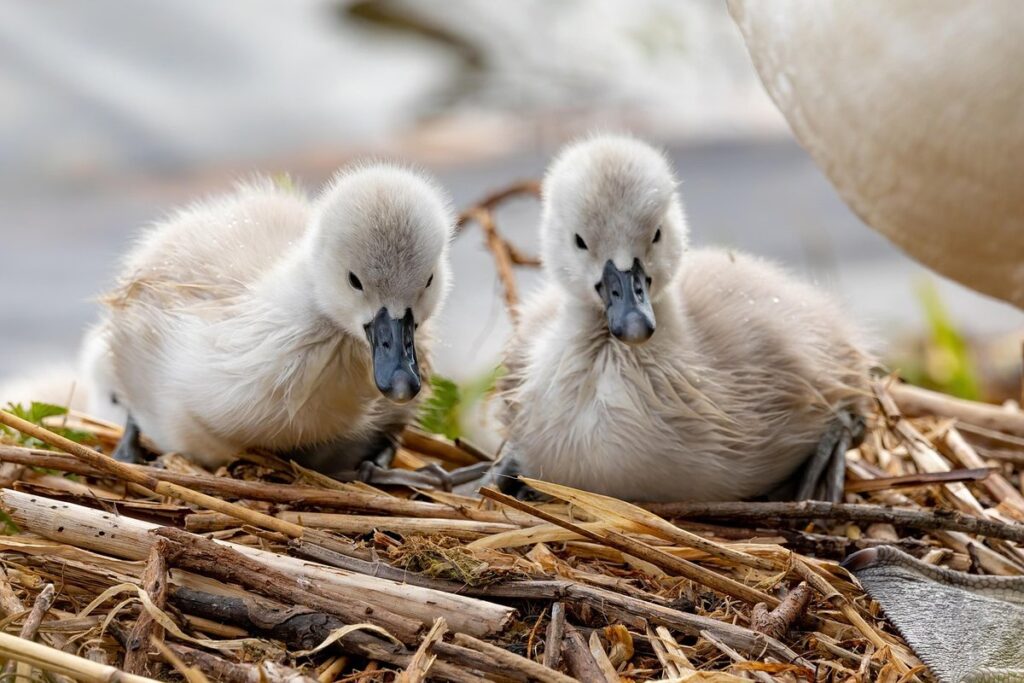
Understanding Duckling Nests
When it comes to duckling nests, there are several factors that contribute to their success, including location, materials, and parental care. Let’s dive into what makes a duckling nest thrive.
Types of Duckling Nests
Ducklings are incredibly adaptable when it comes to building their nests, and you can find them thriving in various natural habitats. Grasslands are one of the most common places where ducklings make their homes. These areas provide an abundance of grasses, plants, and insects that serve as a vital food source for the growing ducklings. Look for depressions or slight indentations in the grass, often lined with soft materials like feathers, down, or plant fibers.
Another popular natural habitat for duckling nests is wetlands. Ponds, marshes, and swamps offer the perfect environment for ducklings to grow and develop. The water provides an ideal place for them to swim, feed on aquatic plants, and escape predators. You can identify a duckling nest in these areas by looking for a cluster of downy feathers or plant material floating on the surface.
Ducklings also make use of man-made structures like nesting boxes. These provide a safe and secure space for them to lay their eggs and raise their young. Nesting boxes are designed to mimic natural habitats, with features such as entrance holes, perches, and ventilation systems that help regulate temperature and humidity levels.
Nesting Materials and Structures
When it comes to building their duckling nests, female ducks are remarkably resourceful and creative. They collect an assortment of materials, including twigs, leaves, grasses, and mud, to create a safe and comfortable environment for their precious eggs.
These materials are often arranged in a specific pattern, with the base of the nest composed of sturdy twigs and branches that provide structural support. The inner layers typically consist of softer materials like feathers, downy plant fibers, or moss, which cushion the eggs and keep them warm.
The mud used in some duck nests serves multiple purposes – it helps to waterproof the structure, protects the eggs from predators, and can even aid in regulating the temperature within the nest. By carefully selecting and arranging these materials, female ducks create an intricate and functional space that meets their babies’ needs until they’re ready to hatch.
As a responsible bird enthusiast or pond owner, you can help support duck nesting efforts by providing a safe and natural environment with suitable vegetation and water features nearby.
The Importance of Duckling Nests
Duckling nests are more than just a safe haven for young ducklings, they play a crucial role in their development and survival. Let’s explore why these hidden habitats are so vital to the next generation of ducks.
Protection from Predators
As ducklings grow and develop inside their cozy nests, their safety becomes a top priority. The nest plays a crucial role in protecting them from predators like foxes, raccoons, and hawks that would love to snatch up an unsuspecting brood. Ducks have evolved clever strategies to keep their nests safe, and understanding these tactics can help us appreciate the importance of duckling nests.
Ducks often choose nesting sites with dense vegetation or hidden locations to conceal their eggs from predators. They may also reuse old nests or take over abandoned ones to renovate them with fresh twigs and leaves, making it harder for would-be thieves to spot. Some species of ducks will even build multiple layers within the nest to create a safe, inner chamber where the ducklings can retreat if danger approaches.
To keep their nests safe, ducks also use clever distractions like loud quacking or flapping to scare off potential threats. By understanding these natural defenses, we can learn valuable lessons about the importance of creating secure and protected spaces for young animals to thrive.
Temperature Regulation
A duckling nest serves as an essential incubator for developing ducklings, maintaining a stable temperature that is crucial to their growth. The unique features of these nests play a significant role in regulating the temperature. For instance, the natural materials used to construct the nest, such as plant fibers and grasses, provide excellent insulation properties.
As you observe a duckling nest, you’ll notice how it’s often built in a sheltered location, away from harsh winds and extreme temperatures. This strategic placement helps maintain a consistent internal temperature, ideal for the developing ducklings. Moreover, the mother duck frequently adjusts her nesting behavior to ensure optimal temperature conditions. She might adjust the position of her brood or add more insulating materials as needed.
The ideal temperature range for duckling development is between 98°F and 100°F (36°C to 38°C). By maintaining this narrow temperature band, the nest ensures that the ducklings grow at a healthy pace. As an observer, you can appreciate how a well-crafted duckling nest provides an environment conducive to growth and development.
How to Identify a Duckling Nest
As you venture into the world of duckling nests, knowing how to identify one is crucial for spotting them in their natural habitat without disturbing their tranquility. This section will guide you through the subtle signs and characteristics of a duckling nest.
Visual Cues
When it comes to identifying a duckling nest, visual cues are often the first clue. Duck mothers typically choose locations with dense vegetation, such as thick grasses, reeds, or shrubs, which provides cover and protection for their vulnerable brood.
A duckling nest can be identified by its shape: they’re usually shallow depressions in the ground or on a raised platform. The size of the nest is also an indicator – they’re often around 6-8 inches (15-20 cm) wide and 4-5 inches (10-13 cm) deep.
The color of the nest can vary depending on the location and materials used by the duck mother. Some nests may blend seamlessly into their surroundings, while others may be more conspicuous due to the presence of brightly colored twigs or other decorative elements.
For example, Mallard ducks often build their nests in thick grasses and hide them from view using vegetation and mud. Wood Ducks, on the other hand, create cup-shaped nests out of tree cavities or shrubs with bright green leaves that contrast sharply against the surrounding environment.
Location Clues
When searching for duckling nests, it’s essential to consider their typical locations. These secretive nesting sites are often situated near water sources, which provide the young ducklings with a constant supply of food and hydration. Vegetation such as grasses, sedges, or aquatic plants also play a crucial role in supporting the growth and development of the ducklings.
In general, you can expect to find duckling nests in areas with shallow water, where it’s easy for the mother duck to access the nest without getting her feathers wet. These locations might include the edges of ponds, lakes, or slow-moving streams, as well as wet meadows or marshy fields. The proximity to vegetation is also significant, as it provides shelter from predators and helps maintain a stable microclimate around the nest.
When searching for duckling nests, keep an eye out for areas with dense aquatic vegetation, such as cattails or water lilies, which can help conceal the nest from view. Remember that ducklings require constant access to water sources, so be sure to look for areas where the mother duck can easily lead her brood to a nearby body of water.
The Role of Female Ducks in Nest Building
Female ducks play a crucial role in nest building, carefully selecting and arranging materials to create a safe haven for their precious ducklings. Let’s take a closer look at this essential process!
Behavior and Communication
When it comes to building and maintaining their nests, female ducks exhibit a range of fascinating behaviors that ensure the integrity and safety of their precious eggs. One crucial aspect of this process is communication with other ducks in the surrounding area. Female ducks will often engage in complex vocalizations to signal the location of their nest to potential predators or rival females, thus deterring them from approaching.
To maintain the nest’s security, female ducks have also developed a unique habit of “nest-sitting,” where they take turns resting and watching over the eggs while the other duck forages for food. This communal approach not only allows them to rest but also enables them to keep a keen eye out for any potential threats. For instance, if you observe two or more female ducks taking turns sitting on their nest, it’s likely that they’re working together to ensure the safety of their eggs.
By observing and mimicking these behaviors in your backyard or during a wildlife-watching excursion, you can gain valuable insights into the intricate social dynamics at play within duck communities. By understanding how female ducks communicate and collaborate to protect their nests, you’ll have a deeper appreciation for the remarkable complexity and cooperation that underlies the lives of these fascinating creatures.
Brood Caring Strategies
Female ducks are incredibly devoted mothers when it comes to caring for their ducklings while they’re still in the nest. Brood care is a crucial aspect of raising healthy and strong ducklings, and females use various strategies to ensure their young ones receive the necessary nourishment.
To feed their ducklings, female ducks will often regurgitate food, which they’ve stored in their crop (a specialized pouch in their esophagus), and bring it back to the nest. This process is called “caching,” where they store food to be eaten later. By doing so, females can provide a steady supply of nutrients for their ducklings.
Another essential brood caring strategy is “brooding.” Female ducks will carefully snuggle up with their ducklings under their wings, creating a warm and cozy environment that helps regulate the ducklings’ body temperature. This behavior not only keeps the ducklings warm but also helps them feel safe and secure.
As you watch your female duck tend to her brood, remember that they’re doing everything in their power to raise healthy ducklings. By understanding these brood caring strategies, you can better appreciate the incredible work these devoted mothers are doing every day!
Health Risks Associated with Duckling Nests
As you learn more about duckling nests, it’s essential to be aware of the potential health risks associated with them, from bacterial contamination to parasitic infestations. These dangers can impact both your family and your feathered friends.
Parasites and Diseases
When it comes to duckling nests, there’s more at play than just eggs and warmth. Parasites and diseases can pose a significant threat to the health of these tiny creatures, especially when they’re still vulnerable in the nest. One common parasite that affects ducklings is coccidiosis, caused by the protozoan parasite Eimeria. This pathogen can be transmitted through contact with contaminated feces or by consuming food and water that’s been contaminated.
Another concern is bacterial infections such as salmonellosis and Pasteurella. These are often spread through airborne transmission or by coming into contact with an infected bird’s droppings. To prevent these issues, it’s essential to maintain good hygiene practices around the nesting area. This includes disinfecting equipment and regularly cleaning any areas where ducklings may come into contact with contaminated surfaces.
Regular monitoring of your flock is also crucial in detecting any signs of illness early on. If you notice any unusual behavior or physical symptoms such as labored breathing, lethargy, or loss of appetite, seek veterinary attention immediately.
Environmental Factors
Ducklings rely on their immediate environment to survive and thrive. Unfortunately, environmental factors can have a significant impact on the health of duckling nests and their inhabitants. Pollution is one such factor that can be detrimental to ducklings. Industrial waste, pesticides, and fertilizers can seep into water bodies where ducks lay their eggs or raise their young. This can lead to toxic chemical exposure for both the mother duck and her ducklings.
Climate change also affects duckling nests by altering the timing of migration patterns and disrupting food availability. Warmer temperatures can cause an increase in mosquito populations, which are known to transmit avian diseases. Human activities like construction near water bodies or habitat destruction can lead to increased noise pollution and reduced breeding grounds for ducks.
To mitigate these effects, it’s essential to take steps towards environmental conservation. Individuals can participate by reducing their carbon footprint, using eco-friendly products, and supporting organizations that work towards preserving natural habitats.
Conservation Efforts for Duckling Nests
As you’ve learned about the importance of duckling nests, it’s time to explore what we can do to protect them – let’s dive into conservation efforts that make a real difference.
Habitat Preservation
Preserving natural habitats is crucial for ducklings to thrive. These areas provide essential resources like food, water, and shelter, which are vital for their development. Conservation efforts focus on protecting wetlands, forests, and grasslands where ducks breed and raise their young.
Organizations such as the Audubon Society and Ducks Unlimited work tirelessly to preserve these habitats through initiatives like habitat restoration, reforestation, and water quality improvement projects. These efforts not only support duck populations but also benefit other wildlife that depend on these ecosystems.
For example, the creation of artificial wetlands in areas where natural ones have been destroyed helps maintain biodiversity and supports migratory bird species. By preserving habitats, we can ensure healthy populations of ducks and other birds continue to thrive for generations to come.
Education and Community Involvement
As we delve into the world of duckling nests, it’s essential to recognize the importance of education and community involvement in their conservation. By raising awareness about these delicate habitats, we can promote responsible human behavior around waterways and protect our feathered friends.
Many organizations and local communities are leading the charge with innovative educational initiatives. For instance, some offer guided nature walks, where participants learn about duckling nests, their habitat requirements, and how to spot them without disturbing them. These programs not only raise awareness but also provide a unique opportunity for people to connect with nature.
Community-led conservation efforts can be as simple as organizing clean-up days or establishing “duck-friendly” zones around waterways. Some communities have even created educational signage and brochures that inform visitors about the importance of preserving duckling nests. By working together, we can create a ripple effect, inspiring others to take action and join the conservation effort.
By engaging with local communities and raising awareness through education, we can collectively make a positive impact on duckling nest habitats.
Conclusion: The Significance of Duckling Nests
In conclusion, duckling nests are more than just a temporary dwelling for young ducks. They play a crucial role in the development and survival of these adorable creatures. By understanding the intricacies of duckling nests, you can appreciate the intricate dance between parent ducks and their offspring. For instance, the carefully constructed nest helps to regulate the temperature and humidity levels, ensuring the ducklings stay warm and comfortable.
Moreover, observing the duckling nest can also teach us about resourcefulness and adaptability in the face of adversity. By witnessing how these incredible parents work together to build a safe haven for their young, we can learn valuable lessons about teamwork, patience, and dedication. Whether you’re an avid birdwatcher or simply appreciate the natural world, understanding the significance of duckling nests can enrich your appreciation for the intricate web of life.
Frequently Asked Questions
How can I contribute to conservation efforts for duckling nests?
By supporting local wildlife organizations or participating in citizen science projects, you can make a meaningful impact on protecting duckling nests and their habitats. You can also help spread awareness about the importance of these ecosystems by sharing your knowledge with others.
What are some common mistakes to avoid when identifying a duckling nest?
Be cautious not to disturb or destroy potential nests, especially in areas where protection is crucial. Also, be aware that ducklings often leave their nests at night, so observe carefully during dawn and dusk hours for accurate identification.
Can I build a replica of a duckling nest for educational purposes?
Yes, creating an educational exhibit featuring a replica of a duckling nest can help raise awareness about the importance of these habitats. Ensure to use realistic materials and consult with experts to ensure accuracy and sensitivity.
How do female ducks care for their ducklings outside the nest?
Female ducks are incredibly devoted parents, often leaving their nests at night to forage for food and water while returning to feed and protect their young. They teach their ducklings essential survival skills, such as swimming and hunting, which is crucial for their development.
What role do parasites and diseases play in duckling nest health?
Parasites and diseases can significantly impact the success of a duckling nest. Factors like poor sanitation, overcrowding, and lack of proper veterinary care can lead to outbreaks, emphasizing the importance of monitoring and addressing these issues promptly.