
Have you ever stopped to think about the amazing variety of eggshell colors in chickens? From the deep blues and greens to vibrant pinks and whites, each color is a result of unique genetics that can be influenced by diet, nutrition, and even environment. Whether you’re a seasoned chicken keeper or just starting out, understanding the science behind eggshell pigmentation can help you make informed decisions about breeding and caring for your flock.
In this article, we’ll delve into the fascinating world of egg colors, exploring how genetics, breeding secrets, and external factors all play a role in determining the color of those beautiful eggs. We’ll also take a closer look at some unique breeds that lay blue, green, pink, white, and brown eggs, giving you a better understanding of what makes each one special. So, let’s crack open the mystery of egg colors and discover the secrets behind these amazing eggs!
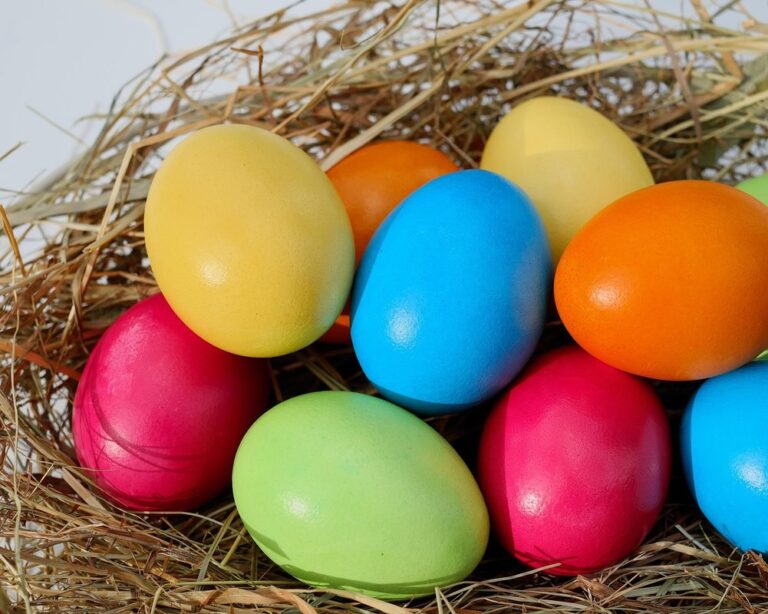
The Basics of Eggshell Color Genetics
Understanding how eggshell color genetics work is essential for breeding chickens with unique and attractive eggs. Let’s break down the basics to give you a solid foundation in this fascinating field.
The Importance of Understanding Egg Color Genes
Understanding egg color genes is not just a fascinating aspect of chicken genetics, but it’s also crucial for chicken breeders and owners. By grasping the genetic principles behind eggshell colors, you can make informed decisions that impact your breeding programs and flock management.
For instance, if you’re trying to introduce a new breed with a specific egg color trait into your flock, understanding the genetic background of both breeds is essential. This knowledge helps you anticipate potential outcomes and avoid undesirable traits. Additionally, knowing which genes are responsible for eggshell coloration allows you to track progress in breeding programs.
This expertise also benefits flock management, as it enables you to identify and remove birds that don’t fit your desired breed standards. For example, if you’re selectively breeding for white eggs, being aware of the genetic markers involved will help you recognize and exclude brown-egg-laying birds from your breeding stock.
By mastering egg color genetics, you can refine your breeding strategies and make informed decisions about which chickens to keep or sell, ultimately leading to healthier, more productive flocks.
The Science Behind Eggshell Pigmentation
Eggshell pigmentation is the result of a complex interplay between genetics and biochemistry. Two key players in this process are oocyanin and porphyrins. Oocyanin, a pigment derived from bilirubin, contributes to the production of yellow, orange, and brown hues. On the other hand, porphyrins, specifically protoporphyrin IX, are responsible for the red, pink, and violet colors.
When it comes to creating different eggshell colors, oocyanin and porphyrins work together in various combinations. For example, a combination of oocyanin and porphyrin produces brown eggs due to the interaction between the yellow or orange tones from oocyanin and the red tones from protoporphyrin IX.
Understanding how these pigments interact can help you predict eggshell colors based on your chicken’s genetic makeup. If you’re interested in breeding chickens for specific eggshell colors, research the genetics behind oocyanin and porphyrins to make informed decisions about your flock. By doing so, you’ll be well on your way to unlocking the secrets of egg color diversity.
Common Genotypes and Phenotypes for Egg Color
When it comes to eggshell color genetics, understanding the common genotypes and phenotypes is crucial for breeders and enthusiasts alike. Let’s take a closer look at the most prevalent combinations that determine egg colors.
White eggs are the result of the absence of melanin, which means they have no genetic influence from brown or black genes. This can be achieved through various genotypes, including WW (homozygous white), Ww (heterozygous white), and ww (recessive white). Keep in mind that even with these genotypes, other factors like diet and environmental conditions may affect the egg’s appearance.
Brown eggs owe their color to the interaction of brown genes (B) and their various combinations. The most common genotype for brown eggs is BB or Bb, where the presence of the dominant ‘B’ gene causes the eggshell to turn brown. However, other genotypes like bb can also produce light-brown or tan-colored eggs.
Beyond these two, you’ll find less common but still stunning colors. Blue eggs are often associated with the Araucana breed and require a specific genotype involving the blue gene (I). The resulting egg color can range from pale blue to deep sky blue. Green eggs, like those laid by the Easter Egger, result from an interaction between the dominant white gene (W) and the blue gene (I). Pink or rose-colored eggs are relatively rare but can occur due to a combination of brown genes (B) and the genetics that control shell thickness.
In addition to these colors, many chickens lay speckled or mottled eggs. These unique patterns arise from genetic interactions between different pigment production pathways. To produce specific eggshell colors, breeders must carefully manage their flock’s genotype by selecting for desirable traits and considering factors like linebreeding, inbreeding, and cross-breeding.
If you’re interested in raising chickens that lay colored eggs, research the specific genotypes required to achieve your desired outcome. Keep a close eye on your birds’ genetic makeup and adjust breeding strategies accordingly. This will help ensure you get the beautiful egg colors you want while also promoting genetic diversity within your flock.
Some breeds, like the Araucana or Ameraucana, come with blue eggs due to their specific genetics. If you’re interested in these breeds, be aware that they may not produce as many eggs per year compared to other breeds.
In addition to understanding genotypes and phenotypes, consider factors such as nutrition and environmental influences when caring for your flock. Proper diet and living conditions can enhance egg color while promoting overall health.
Breeding for a specific eggshell color requires a combination of genetic knowledge and hands-on experience. Consult with experienced breeders or take courses on genetics to learn more about the intricacies involved in shaping your flock’s colors.
With a solid grasp of these genotypes and phenotypes, you’ll be better equipped to navigate the wonderful world of eggshell colors and create your own unique flock.
The Factors Influencing Egg Color
Let’s dive into what makes egg color truly unique, and explore the fascinating factors that influence a chicken’s eggshell hue. From genetics to environment, every factor plays a role.
Diet and Nutrition’s Impact on Eggshell Pigmentation
When it comes to eggshell pigmentation, many people assume that genetics are the sole determining factor. However, research has shown that diet and nutrition play a significant role in influencing the color of an eggshell.
Carotenoids, such as lycopene and astaxanthin, are responsible for producing yellow, orange, and red hues in eggshells. Omega-3 fatty acids, particularly alpha-linolenic acid (ALA), also impact eggshell pigmentation. These nutrients can be found in feed supplements or through the hens’ natural diet.
A study published in the Journal of Agricultural Science showed that feeding hens a diet rich in marigold flowers increased carotenoid intake and resulted in darker, more intense yellow yolks and shells. Similarly, incorporating algae-based omega-3 supplements into a hen’s diet has been shown to improve eggshell quality and color.
In practical terms, providing your backyard chickens with a balanced diet that includes a variety of fruits, vegetables, and whole grains can have a noticeable impact on the color of their eggs. For example, adding dark leafy greens like kale or spinach to their feed can provide essential carotenoids for deeper yellow colors.
By understanding the role of diet and nutrition in eggshell pigmentation, chicken keepers can take steps to influence the color of their hens’ eggs.
Environmental Factors Affecting Egg Color
When it comes to egg color, many people assume that genetics are the only determining factor. However, environmental factors can significantly impact the pigmentation of eggs laid by hens.
Light exposure is a crucial environmental factor affecting egg color. Chickens produce their egg yolk under the influence of daylight hours and intensity. With sufficient light, hens will lay eggs with deeper, richer colors. Conversely, inadequate lighting can result in pale or washed-out yolks. For example, backyard chicken keepers who move their flock’s coop to a sunnier location often notice an improvement in egg color.
Stress is another environmental factor influencing egg color. When hens experience stress, whether due to overcrowding, noise, or changes in their environment, they may lay eggs with reduced pigmentation. This phenomenon can be seen in commercial poultry operations where hens are subjected to high stocking densities and stressful conditions.
Additionally, a hen’s health issues can also impact egg color. For instance, a deficiency in certain minerals like zinc or copper can cause eggs to appear pale or have an unusual coloration.
The Role of Genetics in Egg Color Expression
When it comes to eggshell color, genetics plays a significant role in determining its final appearance. The process begins with the production of pigments within the hen’s body, which are then deposited onto the eggshell as it forms. Two main types of pigment are responsible for most eggshell colors: porphyrins and carotenoids.
Porphyrins are produced by the hen’s liver and are responsible for the red and yellow hues found in many eggshells. Carotenoids, on the other hand, come from the hen’s diet and contribute to the orange and yellow tones. The interaction between these two types of pigment is what creates the complex range of colors seen in eggs.
Understanding the genetics behind eggshell color can help you make informed choices when selecting breeds for your flock. For example, if you’re looking to breed hens that lay blue or green eggs, you’ll need to focus on introducing birds with the necessary genetic markers into your breeding program.
Breeds Known for Their Unique Egg Colors
If you’re fascinated by the rainbow of egg colors, you’ll love discovering the breeds that produce eggs in shades of pink, blue, and olive green. From Araucanas to Marans, let’s explore these incredible varieties together!
White-Egg-Laying Breeds: A Closer Look
When it comes to white egg-laying breeds, there are several options for backyard chicken keepers and commercial farmers alike. One popular breed is the Leghorn, known for its high egg production (280-300 eggs per year) and gentle temperament. These birds are relatively easy to care for and can thrive in a variety of settings.
Another breed that lays white eggs is the Cornish Legbar. This breed produces around 200-220 eggs per year and is prized for its rich, creamy egg yolks. They’re also known for their friendly and docile nature, making them an excellent choice for families or beginners.
For those looking to produce large quantities of white eggs, breeds like the Isa Brown and the White Star may be more suitable. These birds are bred specifically for commercial egg production and can lay up to 300-320 eggs per year. However, they do require more space and specialized care.
When selecting a breed that lays white eggs, consider your climate, available space, and personal preferences. Research each breed’s specific needs and characteristics to ensure you’re making an informed decision.
Brown-Egg-Laying Breeds: Characteristics and Advantages
If you’re looking to add some variety to your egg collection, brown-egg-laying breeds are an excellent choice. These birds come from a specific set of genetic characteristics that influence the color and quality of their eggs.
Some popular breeds known for laying brown eggs include Marans, Barnevelder, and Brahmas. Each has its unique traits: Marans, for instance, have a dark chocolate-brown eggshell due to the porphyrin pigment in their feathers. This pigment also gives them their distinctive plumage coloration.
These breeds offer several advantages over other types of chickens. For one, their eggs are often richer in nutrients and antioxidants compared to white or blue eggs. Additionally, brown-egg-laying hens tend to be more robust and less prone to stress than birds laying other colored eggs.
However, it’s essential to note that these breeds may not always produce consistent egg quality. Marans, for example, can sometimes lay pale or dirty-brown eggs due to a genetic variation affecting their pigment production. So, if you’re new to raising chickens or want brown eggs specifically, research and choose breeds carefully based on their genetic characteristics and your desired level of egg quality control.
Blue and Green Egg-Laying Breeds: The Rarities
While many egg-laying breeds boast vibrant shades of brown and white, some rare individuals shine with an even more extraordinary hue: blue or green. Breeds like the Araucana, Ameraucana, and Easter Egger have made a name for themselves among backyard chicken enthusiasts due to their remarkable ability to lay eggs in these uncommon colors.
If you’re looking to add one of these unique birds to your flock, be prepared for some genetic wizardry. The genetics behind blue and green egg-laying breeds can be complex, making breeding challenges more frequent than expected. For instance, the production of oocyanin, a pigment responsible for blue eggs, is relatively rare in chickens.
To breed these extraordinary birds successfully, you’ll need to familiarize yourself with their genetic makeup and select compatible mates carefully. Research reputable breeders who specialize in these breeds and ask about their breeding strategies to gain valuable insights.
Tips for Encouraging Desired Egg Colors in Your Flock
Now that we’ve explored the science behind egg color, let’s dive into practical tips on how to encourage your flock to lay those beautiful eggs you’re after. We’ll share our top tricks for success.
Selecting Birds with Favorable Genetics
When selecting birds for your flock, it’s essential to choose individuals with favorable egg color traits if you’re aiming to introduce a specific shade into your breeding program. One way to do this is by identifying breeds that naturally lay eggs in the desired colors, such as Marans or Barnevelders for their dark, chocolate-brown eggs.
You can also consider purchasing birds from reputable breeders who specialize in egg color genetics. These experts often have a deep understanding of the genetic factors influencing eggshell pigmentation and can guide you in selecting birds with the most desirable traits. For instance, if you want to introduce blue eggs into your flock, look for birds that carry the blue egg gene (e.g., Araucana or Ameraucana).
To incorporate these birds into your breeding program effectively, start by introducing them to a small group of established hens to assess their performance and fertility. Monitor their egg-laying patterns, and select the best performers to breed with your existing flock. By following this approach, you’ll increase the chances of producing offspring with the desired egg color traits.
Providing Optimal Nutrition for Healthy Eggshell Production
When it comes to producing eggs with vibrant colors, a balanced diet plays a crucial role. A healthy and well-fed flock is essential for optimal eggshell production and pigmentation. To achieve this, ensure that your chickens are receiving a nutrient-rich feed that includes all the necessary vitamins and minerals.
Calcium, in particular, is vital for strong eggshells. Provide oyster shells or crushed eggshells as a supplement to their regular feed. These rich sources of calcium will help support the development of strong, colored eggshells. Aim to provide 2-3% calcium content in your flock’s diet.
Dark-colored eggs often require a slightly different approach. Research has shown that high levels of carotenoids – particularly lutein and zeaxanthin – contribute to darker eggshell colors. Include leafy greens like kale, spinach, or collard greens in their diet to boost these essential pigments. By providing a balanced feed rich in calcium and other essential nutrients, you’ll be well on your way to encouraging healthy eggshell production and optimal pigmentation.
Minimizing Stress to Promote Health and Egg Color
When you’re raising chickens for eggs, it’s not just about collecting those eggs – it’s also about their quality and color. Did you know that stress can impact the health of your flock, as well as affect egg production and, most importantly, color? Chickens under stress will produce eggs with a paler or duller color than those from happy, relaxed birds.
To minimize stress and promote healthy egg color, ensure your chickens have access to fresh water, nutritious feed, and ample space for exercise. Limit changes in their environment and routine as much as possible. For example, if you’re moving them to a new coop, do it gradually, giving them time to adjust to the new surroundings.
Also, make sure they get enough sunlight – direct exposure can actually enhance egg color. If that’s not feasible due to location or climate constraints, consider supplementing with UV light. A healthier flock is more likely to produce eggs with vibrant colors like blue, green, and purple.
Conclusion: Nurturing the Amazing World of Egg Colors
Now that you’ve learned about the genetics behind egg colors, let’s discuss how to nurture and breed these amazing traits in your flock. We’ll explore practical tips for selecting and caring for chickens that showcase stunning egg colors.
Recap of Key Takeaways
In this recap of key takeaways, we’ll revisit the fascinating world of egg colors and summarize the main points discussed. By now, you should have a solid understanding of the complex genetics behind eggshell color variations. Let’s quickly review some essential concepts.
* Multiple genes interact to produce eggshell color: We explored how multiple genes work together in perfect harmony to create the incredible diversity of eggshell colors we see.
* Eggshell pigmentation is influenced by both parents: You learned that both male and female chickens contribute to the genetic makeup of their offspring, which ultimately determines the eggshell color.
* Genetic variation is key to predicting eggshell color: Understanding the role of genetics in determining eggshell color can help breeders make informed decisions when selecting breeding stock.
As you now understand the intricate dance between genes and eggshell color, you’ll be better equipped to nurture this amazing world. To apply your newfound knowledge, consider these practical tips:
Encouraging Continued Exploration and Discovery
As you’ve discovered the incredible world of egg colors, it’s time to take your exploration to the next level. Don’t stop at understanding the basics – continue to delve into the fascinating realm of chicken genetics and unlock the secrets of your flock’s unique traits.
To encourage continued exploration, start by observing your chickens’ behavior, habitat, and nutrition. You might be surprised by how these factors influence their egg color production. For instance, did you know that some breeds require more calcium in their diet to produce specific egg colors? Experiment with different supplements or feed types to see how they impact your flock’s eggs.
Consider participating in local chicken shows or joining online communities where you can share knowledge and learn from other enthusiasts. These connections will not only inspire you but also provide valuable insights into the genetics behind various egg color patterns. By embracing experimentation and collaboration, you’ll continue to uncover the amazing world of egg colors and become a true expert in your flock’s unique characteristics.
Frequently Asked Questions
How can I apply the knowledge of egg color genetics to my current flock?
If you already have a flock, you can start by identifying the breeds that are most likely to produce the desired egg colors. Research their genetic makeup and consider introducing new birds with favorable genes to increase the chances of producing eggs in your preferred colors. Keep in mind that breeding for specific traits can be complex, so it’s essential to understand the genetics involved.
Can I still raise healthy chickens if they don’t lay eggs with the desired color?
Yes, chicken health is not directly linked to eggshell color. Focus on providing a balanced diet, ensuring access to fresh water, and maintaining a stress-free environment for your flock. This will help keep your birds healthy, regardless of their egg-laying abilities.
How long does it take to see noticeable changes in egg color after making dietary or environmental adjustments?
Changes in eggshell pigmentation can occur relatively quickly – often within 6-12 weeks – depending on the severity of the diet or environment change. However, this timeline may vary significantly between breeds and individual birds.
What are some common mistakes to avoid when breeding for specific egg colors?
When breeding for unique egg colors, it’s essential to avoid over-selecting for a single trait, which can lead to genetic disorders. Also, be cautious not to introduce too many new variables at once, as this can cause stress and negatively impact the flock’s overall health.
Can I still encourage desired egg colors if my chickens are already past their reproductive prime?
While breeding or nutrition may have less of an effect on mature birds, you can still influence their diet and environment to promote better eggshell quality. Focus on providing optimal nutrition and minimizing stress to help maintain your birds’ overall health, even in their later years.