
If you’ve recently taken an egg float test to check for hepatitis B, you’re likely eager to know how to interpret your results. The outcome can have a significant impact on your diagnosis and treatment plan, making it essential to understand what’s at stake. In this article, we’ll break down the ins and outs of interpreting egg float test results, helping you grasp their significance in determining your hepatitis B status. We’ll delve into the details of how the test works, its limitations, and what implications your results may have on your treatment options and overall well-being. Additionally, we’ll discuss advanced testing methods and offer expert advice on managing your condition, including mental health considerations that often accompany a diagnosis of hepatitis B. By the end of this article, you’ll be better equipped to make informed decisions about your healthcare.
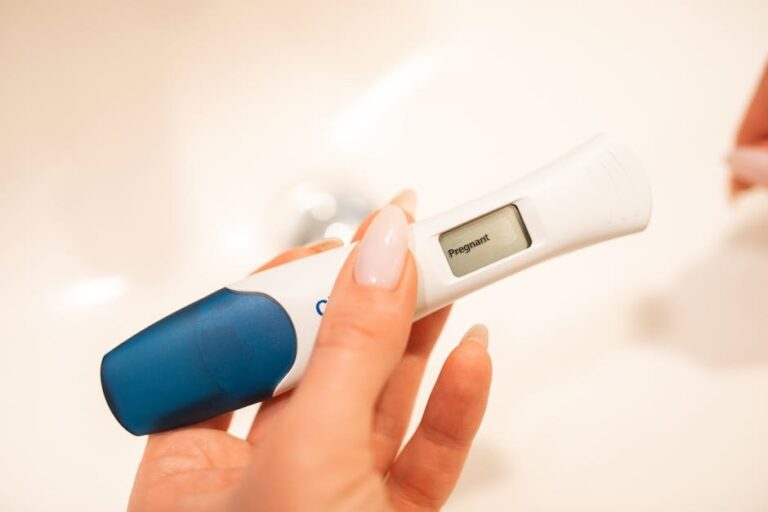
What is the Egg Float Test?
The egg float test may seem straightforward, but its simplicity hides some important details that can impact your understanding of your hepatitis B diagnosis results. Let’s break down what this simple test is all about.
The History and Development of the Egg Float Test
The egg float test has been a trusted diagnostic tool for hepatitis B since its inception in the 1960s. This simple yet effective test was first introduced by Dr. Joseph B. Lumsden, an American physician who recognized the potential of using eggs as a marker for liver disease.
Initially, the test involved cracking an egg into a glass of water and observing whether it floated or sank. If the egg floated, it indicated that the patient had a liver problem, such as hepatitis B, which caused an accumulation of bile salts in the blood. These salts alter the water’s surface tension, allowing the egg to float.
Over time, the test has evolved with advancements in medical technology. Today, we use a more refined version of the test, often incorporating additional diagnostic methods to confirm results. However, the fundamental principle remains the same: observing how an egg reacts in water can provide valuable insights into liver health and hepatitis B diagnosis. This non-invasive and cost-effective method continues to be used worldwide, particularly in areas where advanced testing facilities are not readily available.
How the Egg Float Test Works in Diagnosing Hepatitis B
The egg float test is a simple yet effective diagnostic tool for differentiating between various liver conditions, including Hepatitis B. When you undergo this test, a raw egg is submerged in a container of water and observed over time. The egg will initially sink to the bottom due to its density being greater than that of the surrounding liquid.
As the test progresses, however, subtle changes can occur depending on the condition of your liver. For instance, if you have Hepatitis B, the virus’s presence causes your liver to produce an excess of bilirubin, which is a yellow compound that can break down the egg’s membrane. This breakdown weakens the bond between the egg white and yolk, allowing them to separate more easily.
As the separation progresses, the egg will eventually float to the surface. The extent of this separation can indicate the severity of your liver condition, with greater separation indicating a more severe case of Hepatitis B or other liver conditions. This unique mechanism allows healthcare professionals to assess liver function and diagnose various conditions based on the test results.
Types of Hepatitis B and Their Effects on the Liver
Hepatitis B can come in different forms, each affecting the liver in distinct ways: acute versus chronic, and how these variations impact your overall health. Let’s explore what this means for you.
Understanding Hepatitis B Viral Load
When it comes to understanding your hepatitis B diagnosis, knowing your viral load is crucial. The viral load refers to the amount of hepatitis B virus (HBV) present in your blood. It’s a key factor in determining the severity of your infection and guiding treatment decisions.
A high viral load indicates an active infection, which can lead to liver damage over time if left untreated. On the other hand, a low viral load suggests that the virus is suppressed, but it doesn’t necessarily mean you’re cured. Factors such as liver inflammation, age, and overall health also play a role in determining the severity of your infection.
Understanding your viral load will help you and your healthcare provider make informed decisions about treatment options, including antiviral medications or interferon therapy. Regular monitoring of your viral load is essential to assess the effectiveness of treatment and adjust medication as needed.
For example, if your viral load is high despite being on treatment, it may be necessary to switch medications or increase dosage to achieve optimal suppression. Conversely, if your viral load drops significantly after initiating treatment, it’s a good sign that you’re on the right track.
Acute vs. Chronic Hepatitis B: What’s the Difference?
When you receive an egg float test result indicating you have contracted Hepatitis B, it’s essential to understand whether you’re dealing with acute or chronic hepatitis. The distinction lies in the duration and severity of the infection.
Acute Hepatitis B typically occurs when you’re exposed to the virus for the first time. Symptoms can manifest within 60-150 days and may include fatigue, loss of appetite, nausea, vomiting, abdominal pain, dark urine, pale stools, and jaundice. In most cases, acute hepatitis resolves on its own within six months. Treatment primarily focuses on managing symptoms and preventing complications.
Chronic Hepatitis B, on the other hand, occurs when the virus remains in your body for more than six months. This form is less common but poses a higher risk of developing liver damage or liver cancer over time. Chronic hepatitis can be asymptomatic, making regular monitoring crucial for early detection. Treatment options include antiviral medications and interferon therapy to suppress viral replication.
It’s worth noting that some people may experience both acute and chronic phases in their infection journey. Regular medical check-ups and adherence to treatment plans are vital for managing both forms of the disease and preventing further complications.
Results Interpretation: What Do Your Egg Float Test Numbers Mean?
Now that you’ve completed your egg float test, it’s time to understand what your numbers mean and how they relate to your Hepatitis B diagnosis. Let’s break down the results together.
Interpreting Positive Egg Float Test Results
A positive egg float test result can be a significant indicator of hepatitis B infection. If you’ve received a high reading on your egg float test, it’s likely that the test detected high levels of liver enzymes and bilirubin in your blood, which are common markers of liver damage caused by the virus.
On the other hand, a low reading doesn’t necessarily mean you’re not infected with hepatitis B. In some cases, individuals with mild or asymptomatic infections may have normal egg float test results. However, if you’ve recently been exposed to the virus or are experiencing symptoms such as fatigue, fever, and jaundice, it’s essential to discuss your test results with a healthcare provider.
When interpreting positive egg float test results, consider factors like recent exposure history and overall health status. Your healthcare provider will use these details in conjunction with other diagnostic tests, such as blood work, to determine the best course of action for your treatment and management plan.
Understanding the Significance of Negative Test Results
When you receive a negative result from an egg float test, it’s essential to understand what this means for your hepatitis B diagnosis. A negative result indicates that the level of HBsAg (hepatitis B surface antigen) in your blood is below detectable limits. This doesn’t necessarily mean you’re free from the virus, but rather that the current infection isn’t severe enough to be detected.
If your test results come back negative, it’s crucial not to get complacent. Hepatitis B can remain dormant for years, only to reactivate later in life. To confirm the presence or absence of the virus, your doctor may recommend further testing, such as a confirmatory blood test or an HBV DNA PCR (polymerase chain reaction) test.
In some cases, a negative result might indicate that you’ve developed immunity to the virus after being exposed and recovering from an infection. However, without further testing, it’s impossible to know for certain. Your healthcare provider will discuss your individual situation and determine the best course of action for further evaluation and treatment.
What to Expect After an Egg Float Test Result: Treatment Options
Now that you’ve received your egg float test result, let’s explore the treatment options available for Hepatitis B patients. This is where understanding your diagnosis can become a catalyst for healing.
Hepatitis B Medications: Overview and Explanation
If you’ve tested positive for hepatitis B through an egg float test, it’s essential to understand your treatment options. Hepatitis B medications work by either suppressing the virus or boosting your immune system to fight off the infection.
Antiviral medications are a primary treatment option for hepatitis B. These drugs, such as entecavir and tenofovir, target specific enzymes that the virus needs to replicate. By blocking these enzymes, antivirals can reduce the viral load in your body, minimizing liver damage. Entecavir, for example, is highly effective at reducing viral load within a few months of treatment.
Interferon treatments, on the other hand, stimulate your immune system to fight off the virus. These medications work by inducing an antiviral response in your body, which can help clear the virus from your system. However, interferons often have more side effects compared to antivirals and may require injections or infusions.
In addition to these medications, hepatitis B treatments also include immune-boosting therapies like hepatitis B immunoglobulin (HBIG). HBIG provides temporary protection against the virus by injecting antibodies directly into your system. While it won’t cure the infection, HBIG can help prevent severe liver damage during the first few months of treatment.
It’s crucial to consult with a healthcare professional to determine the best course of treatment for you. They will consider factors such as your viral load, liver health, and medical history when choosing the most effective medication or combination therapy.
Alternative Therapies and Lifestyle Changes
In addition to traditional medication, some individuals with hepatitis B may explore alternative therapies and lifestyle changes to complement their treatment plan. Dietary modifications can play a significant role in managing liver health, as certain foods can either exacerbate or alleviate symptoms. For instance, incorporating foods rich in antioxidants such as leafy greens, berries, and other fruits and vegetables into one’s diet can help mitigate oxidative stress on the liver.
Supplements like milk thistle, alpha-lipoic acid, and N-acetyl cysteine (NAC) have been studied for their potential to support liver health. However, it is essential to consult with a healthcare provider before adding any supplements to your regimen as they may interact with traditional medication or worsen underlying conditions.
Some individuals also find benefit in mind-body practices such as meditation and yoga, which can help reduce stress levels and promote overall well-being. While these therapies should not replace medical treatment, incorporating them into one’s daily routine can be a valuable adjunctive approach to managing hepatitis B symptoms and improving quality of life.
Managing Your Hepatitis B Diagnosis: Mental Health Considerations
Receiving a hepatitis B diagnosis can be overwhelming, so it’s essential to address the emotional impact and find ways to manage your mental health during this challenging time. This section offers guidance on navigating these complexities.
Coping with a Chronic Illness: Mind-Body Connection
Living with a chronic illness like hepatitis B can be emotionally challenging. A diagnosis can lead to feelings of anxiety, depression, and isolation. It’s essential to acknowledge these emotions and take steps to maintain your mental well-being.
One way to cope is by understanding the mind-body connection. Research suggests that stress and negative thoughts can exacerbate symptoms and even affect liver function. By cultivating a positive mindset, you can reduce inflammation and improve overall health. Try relaxation techniques like meditation or deep breathing exercises to manage stress.
It’s also crucial to build a support network of family, friends, and healthcare professionals who can offer emotional support and guidance. Connect with others living with hepatitis B through online forums or support groups to share experiences and advice. Prioritize self-care activities that bring you joy, such as hobbies or spending time in nature.
Remember, taking care of your mental health is just as important as managing your physical symptoms. By acknowledging your emotions and taking proactive steps, you can maintain a positive outlook and improve your overall quality of life with hepatitis B.
Building Support Networks for Hepatitis B Patients
Having a hepatitis B diagnosis can be overwhelming, both physically and emotionally. As you navigate this new reality, it’s essential to build a support network that will help you cope with the challenges of chronic illness. Social connections play a vital role in managing stress, anxiety, and depression – all common companions to living with hepatitis B.
Consider joining local or online support groups where you can connect with others who understand what you’re going through. These groups offer a safe space to share experiences, ask questions, and receive guidance from those who have walked the path before you. For instance, the Hepatitis B Foundation has an active community of patients, caregivers, and advocates who share their stories, provide emotional support, and offer practical advice on managing the condition.
In addition to in-person connections, online resources like forums, social media groups, and apps can connect you with others living with hepatitis B. These platforms often feature expert-led discussions, educational materials, and peer support – all accessible from the comfort of your own home.
Advanced Testing: When an Egg Float Test Result Isn’t Enough
While the egg float test provides valuable information, its results may not always be conclusive, especially for those who are not aware of their hepatitis B status. In this situation, further testing is necessary to confirm a diagnosis.
Liver Function Tests (LFTs) and Their Role in Hepatitis B Management
If you’ve received an egg float test result indicating liver damage due to hepatitis B, it’s essential to understand that this test is just one piece of the diagnostic puzzle. To get a more comprehensive picture of your liver health, your doctor may order Liver Function Tests (LFTs). These tests measure the levels of various enzymes and proteins in your blood to assess liver function.
There are several types of LFTs, including:
* Alanine Transaminase (ALT) test: measures liver cell damage
* Aspartate Transaminase (AST) test: measures liver cell damage
* Alkaline Phosphatase (ALP) test: measures bone and liver health
* Total Bilirubin test: measures bilirubin levels in the blood
Abnormal LFT results can indicate various liver conditions, including hepatitis B. Your doctor will interpret these results along with your egg float test result to determine the best course of action for managing your condition. Keep in mind that a single abnormal test result doesn’t necessarily mean you have a serious problem – it’s often a wake-up call to take more comprehensive tests and work closely with your healthcare provider to monitor your liver health.
The Importance of Regular Monitoring
Regular monitoring is crucial to ensure optimal treatment outcomes for individuals with hepatitis B. Just because an initial egg float test result indicates a certain level of liver damage doesn’t mean that the condition won’t progress further. In fact, studies have shown that up to 20% of people with normal-looking liver function tests actually have underlying liver damage.
This is why ongoing testing is essential to assess treatment efficacy and identify potential complications early on. For instance, if your initial test results show a high viral load or abnormal liver enzymes, regular monitoring can help you adjust your treatment plan accordingly. This might involve changing medications, increasing the frequency of injections, or adding complementary therapies like lifestyle changes.
To ensure that you’re receiving the best possible care, work closely with your healthcare provider to establish a comprehensive testing schedule. This should include regular check-ins every 3-6 months, where liver function tests and blood work are reviewed in conjunction with physical exams and patient feedback. By staying on top of your condition through regular monitoring, you can maintain optimal health and prevent potentially life-threatening complications from arising.
Conclusion: Taking Control of Your Egg Float Test Results
Now that you’ve received your egg float test results, it’s time to take control of what comes next and start making informed decisions about your health. This section will guide you through that process.
Integrating Your Test Result into Your Treatment Plan
When you receive your egg float test results, it’s essential to incorporate this information into your hepatitis B management plan. Your healthcare provider will use these results to determine the best course of action for treating and managing the virus.
Firstly, understand that the egg float test is a screening tool, not a diagnostic one. If you’ve tested positive for hepatitis B, your doctor will likely order additional tests to confirm the severity of the infection and monitor liver function. These may include blood tests to measure liver enzymes, complete blood counts, or imaging studies like ultrasounds.
To integrate your test results into your treatment plan, ask your healthcare provider the following questions: What are my viral load levels? Are there any complications, such as cirrhosis or liver cancer? What medications or therapies are recommended based on my test results?
Your test results will inform decisions about antiviral medication, interferon therapy, or other treatments that can help manage the virus. By understanding your egg float test results and how they fit into your broader treatment plan, you’ll be better equipped to take control of your hepatitis B diagnosis and work towards a successful outcome.
Moving Forward with Confidence
Now that you have a better understanding of your egg float test results and what they mean for your hepatitis B diagnosis, it’s essential to move forward with confidence. This means taking ownership of your health and becoming an active participant in your care.
Ongoing monitoring is crucial in managing hepatitis B. Regular check-ups with your healthcare provider will help track the progression of the virus and ensure that any necessary adjustments are made to your treatment plan. Don’t be afraid to ask questions or seek a second opinion if you’re unsure about anything. Remember, you have the right to advocate for yourself and make informed decisions about your health.
As you navigate this journey, remember that taking control of your health is not just about following doctor’s orders – it’s also about listening to your body and making lifestyle changes that support your well-being. This might mean adjusting your diet, getting more exercise, or practicing stress-reducing techniques. By combining medical care with self-care, you’ll be better equipped to manage your symptoms and achieve optimal health outcomes.
Frequently Asked Questions
What if my egg float test result is inconclusive or shows conflicting information?
If your test result is unclear or presents inconsistencies, it’s essential to discuss these findings with your healthcare provider. They will review the results and may recommend additional testing to confirm your hepatitis B diagnosis. In some cases, a follow-up blood test called an ELISA (enzyme-linked immunosorbent assay) might be necessary for further clarification.
How often should I get my liver function tested after being diagnosed with hepatitis B?
Regular monitoring of liver health is crucial when managing hepatitis B. Typically, your doctor will recommend regular liver function tests (LFTs), which may include blood work to assess liver enzymes and viral load. The frequency of these tests depends on individual factors such as treatment status, disease progression, and any changes in symptoms or medication.
What can I do if my test results show a high viral load?
A high viral load indicates that the virus is replicating quickly, which can be concerning for individuals with hepatitis B. Working closely with your healthcare provider to adjust your antiviral medication may help suppress the virus and lower your viral load. Additionally, maintaining a healthy lifestyle by eating well, exercising regularly, and managing stress can also support your body’s natural defenses against the virus.
Can I still spread hepatitis B if my test result is negative?
Even with a negative egg float test result, it’s possible to be in the window period of acute hepatitis B infection. This phase typically lasts for 4-6 weeks but can be shorter or longer depending on individual factors. It’s essential to continue practicing safe hygiene and avoiding high-risk activities until your healthcare provider confirms you are no longer infectious.
How do I choose between different antiviral medications for treating hepatitis B?
Selecting the right medication involves careful consideration of several factors, including your current health status, potential side effects, and adherence to a treatment plan. It’s crucial to discuss these aspects with your healthcare provider to determine which antiviral medication is best suited to manage your specific condition and needs.