
As a backyard chicken owner or farmer, you’re likely curious about how your flock is performing. One key aspect to consider is the egg laying age of your hens. When do they start producing eggs, and when do they reach their peak? More importantly, what factors influence their reproductive lives? In this article, we’ll delve into the impact of breeding, nutrition, and environment on a hen’s ability to lay eggs. You’ll learn how to optimize your flock management for maximum egg production, as well as understand the natural cycles that dictate when hens start, stop, and thrive in terms of laying eggs. With expert tips and insights, you’ll be equipped to make informed decisions about your flock’s care and maintenance.
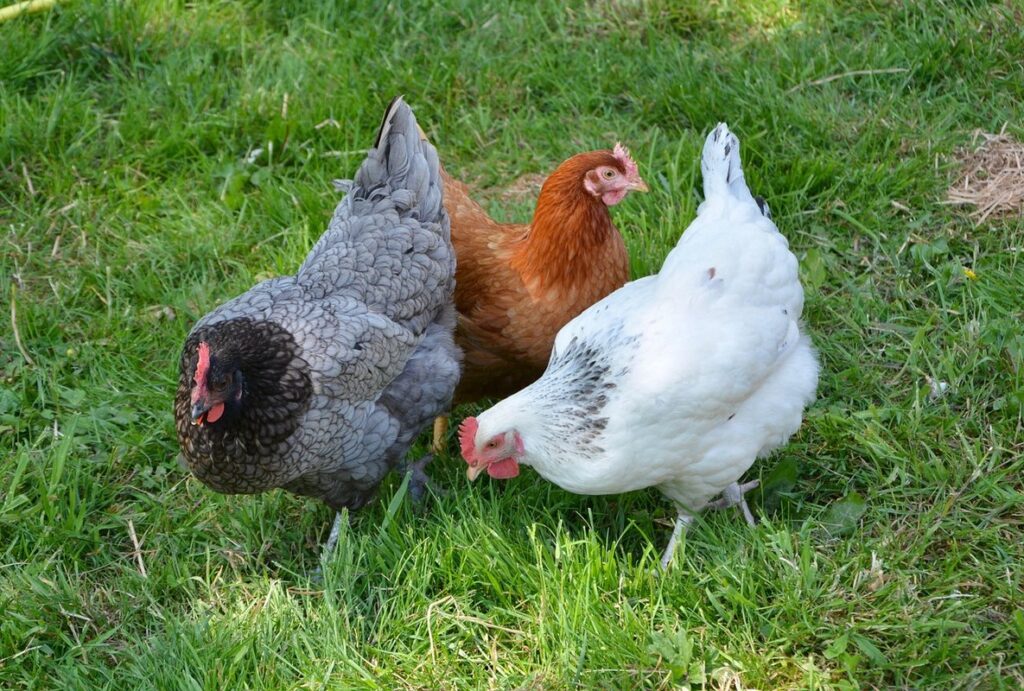
Factors That Influence Egg Laying Age
When it comes to egg laying age, several key factors come into play that can significantly impact how old your hen will be when she starts and stops laying eggs. These influencing factors are crucial to understanding the process.
Breeding and Genetics Impact on Egg Production
When it comes to egg laying age, breeding and genetics play a significant role in determining a hen’s overall productivity. Heritage breeds, for example, are often prized for their unique characteristics and robust health, which can impact their egg-laying abilities. Some heritage breeds, such as the Leghorn, have been bred specifically for their high egg production, while others like the Orpington are known for their gentle nature and slower egg production.
Commercial strains, on the other hand, have been selectively bred to maximize egg output and efficiency. These birds can start laying eggs at a younger age than heritage breeds and may produce more eggs throughout their lifetime. However, they often come with trade-offs in terms of health and fertility. If you’re looking to raise hens for egg production, understanding the genetic factors that influence their egg-laying abilities is crucial.
Some key takeaways when it comes to breeding and genetics include:
* Researching the breed’s original purpose and characteristics
* Considering the pros and cons of heritage breeds versus commercial strains
* Understanding the impact of selective breeding on a hen’s overall health and fertility
Nutritional and Environmental Factors that Affect Egg Laying
When it comes to egg laying age, many factors come into play beyond genetics and breed. Two crucial aspects that significantly impact a hen’s ability to lay eggs at optimal levels are nutritional and environmental factors.
A well-balanced diet rich in essential nutrients such as protein, calcium, and vitamins is vital for maintaining healthy egg production. For instance, a lack of calcium can lead to brittle eggshells, causing them to crack or break easily during laying. Similarly, inadequate vitamin D3 can cause problems with calcium absorption, further reducing eggshell quality.
Beyond diet, living conditions also play a significant role in a hen’s overall health and egg-laying capacity. Factors such as space, lighting, and air quality all contribute to the hens’ well-being. For example, overcrowding can lead to stress, which can cause a range of issues including reduced egg production, feather pecking, and even cannibalism.
To optimize your hens’ nutritional and environmental conditions, ensure they have access to:
* A high-quality layer feed that meets their nutritional needs
* Adequate space (at least 2-4 square feet per bird) for movement and exercise
* Fresh water and a balanced diet of fruits and vegetables
* A clean and well-ventilated coop with adequate lighting
What is the Average Age for Hens to Start Laying Eggs?
As you plan your backyard flock, one of the first questions you’ll likely have is when exactly your hens will start laying eggs. This section provides an overview of what to expect.
Hormonal Changes and Physical Development in Young Chicks
As young chicks grow into pullets, their bodies undergo significant hormonal changes that ultimately lead to egg laying. Around 16-24 weeks of age, hens experience a surge in reproductive hormones, including estrogen and progesterone. These hormone levels rise dramatically as the hen approaches sexual maturity.
At this stage, the ovaries begin to mature, producing yolks that will eventually become eggs. The pituitary gland stimulates the production of follicle-stimulating hormone (FSH), which regulates the growth and maturation of egg yolks in the ovaries. As FSH levels peak, the hen’s reproductive system is ready for ovulation.
Reproductive maturity typically occurs between 18-24 weeks of age, although some breeds may reach this milestone earlier or later. Factors such as genetics, nutrition, and environment can influence a hen’s individual development timeline. Keep in mind that every hen is different, and egg laying age may vary depending on these factors. By understanding the hormonal changes that occur during adolescence, you’ll be better equipped to support your hens’ reproductive health and encourage successful egg production.
Breed-Specific Egg-Laying Ages: A Guide to Expectations
When it comes to egg-laying ages, different breeds have varying expectations. Some start laying eggs at an impressively young age, while others take a bit longer. Let’s take a look at some popular breeds and their average egg-laying ages.
* Leghorns are known for starting to lay eggs as early as 16-18 weeks of age. They can produce around 280-300 brown eggs per year.
* Rhode Island Reds typically start laying eggs between 20-24 weeks old. They’re a prolific breed, producing around 200-220 brown eggs per year.
* Barred Rocks usually start laying eggs at around 22-26 weeks old. They lay around 200-220 brown eggs per year.
* Plymouth Rock hens tend to start laying eggs a bit later, between 24-28 weeks old. They produce around 200-220 brown eggs per year.
Keep in mind that these are just averages, and individual birds may vary. Factors like nutrition, health, and living conditions can all impact egg production. Make sure your girls have a balanced diet, plenty of space to roam, and regular veterinary care to ensure they’re laying their best.
It’s also essential to remember that some breeds are naturally more prolific than others. If you’re looking for a breed that will give you an abundance of eggs, consider the following:
* Choose a breed known for its high egg production.
* Ensure your girls have access to plenty of sunlight and fresh air.
* Provide them with a nutritious diet rich in calcium and other essential minerals.
By understanding which breeds are more likely to lay eggs at specific ages, you can better plan your flock’s needs.
How Long Do Hens Typically Lay Eggs? The Average Lifespan of Egg Production
Now that you know when your hens start laying eggs, let’s dive into how long they’ll keep producing them over their lifetime. This section explores the average lifespan of egg production in hens.
Factors that Contribute to Declining Egg Laying in Older Hens
As hens approach their senior years, it’s not uncommon for egg production to slow down. However, some older hens may experience a more significant decline due to various factors. Nutrition plays a crucial role in maintaining egg-laying ability. A diet that is inadequate in calcium, protein, or other essential nutrients can lead to weaker eggshells and a reduction in egg production.
Health issues are another major contributor to declining egg laying in older hens. Respiratory problems, such as bronchitis or pneumonia, can cause hens to become lethargic and reduce their egg-laying ability. Obesity is also a common issue in older hens, which can lead to health complications that affect egg production.
Regular monitoring of your hen’s diet and overall health can help identify potential issues before they impact egg laying. A balanced diet rich in calcium and other essential nutrients will support optimal egg production. It’s also crucial to maintain a clean and healthy living environment for your hens, as this will reduce the risk of respiratory problems and other health issues that may affect their egg-laying ability.
Identifying Signs That Your Hen is No Longer Productive
As you continue to care for your flock, it’s essential to recognize the signs that indicate your hen is nearing the end of her productive years. Keep a close eye on her egg-laying habits and watch out for these telltale indicators.
* A significant decrease in egg production: If you’ve noticed a substantial drop in the number of eggs laid by your hen, it may be a sign that she’s approaching the end of her laying years.
* Changes in egg quality or size: As hens age, their egg quality and size may begin to decline. Look for cracks, soft shells, or eggs that are significantly smaller than usual.
Keep a close eye on your hen’s behavior and watch out for signs of stress or discomfort, such as labored breathing or difficulty walking. If you notice any of these symptoms, it may be time to consider retiring her from the flock.
By paying attention to these subtle changes, you can ensure your aging hen gets the care and attention she needs during this transition period.
Managing Egg Laying Age: Tips for Flock Management
As your hens approach their prime egg-laying years, it’s essential to consider factors that can affect their productivity and longevity in the flock. Effective management of your girls’ egg laying age can boost overall health and efficiency.
Strategies for Maximizing Egg Production Throughout a Hen’s Life Cycle
To maximize egg production throughout a hen’s life cycle, it’s essential to create optimal conditions that support their reproductive health. As hens age, their egg-laying capacity naturally declines. However, with proper management and care, you can extend the productive years of your flock.
Start by ensuring access to nutritious feed and fresh water at all times. A balanced diet rich in calcium and protein will help maintain strong bones and reproductive organs. Regular health checks and vaccinations will also prevent diseases that can impact egg production.
Provide a comfortable living environment with adequate space, ventilation, and lighting. Hens need about 2-4 square feet of floor space per bird to move around comfortably. Consider introducing nesting boxes at the age of 18-24 weeks when hens begin laying eggs, as this will encourage them to lay eggs in one designated area.
Regular flock rotation and rest days can also help maintain egg production levels. By rotating birds every few months, you’ll prevent over-stressing your flock and give each bird a chance to recover. This simple practice can increase egg production by up to 20%.
Monitor your flock’s performance regularly and adjust feeding, lighting, and living conditions accordingly. Consider keeping a record of egg production, weight gain, and overall health to identify any patterns or trends that may require attention. By providing the right care and attention throughout their lives, you’ll be able to maximize egg production from your hens for an extended period.
Replacing Old Hens with New Ones: A Guide to Integrating Young Birds into the Flock
When it’s time to replace old hens with new ones, integrating young birds into an existing flock can be a delicate process. To ensure a smooth transition, introduce the new hens gradually, allowing them to get used to their surroundings and each other. Start by keeping the young birds in a separate enclosure for a few days before introducing them to the main flock.
As you bring the new hens into the coop, make sure they have their own food and water sources, as well as nesting boxes if necessary. This will prevent competition and aggression from existing birds towards the newcomers. Monitor your flock’s behavior closely, intervening if you notice any signs of stress or aggression.
During this transition period, provide a safe space for the new hens to escape to if needed, such as a separate enclosure or a covered area. Keep an eye on egg production as well – it may take some time for the new birds to get settled and start laying eggs regularly.
When introducing young hens to your flock, consider their age: younger birds (around 16-18 weeks) tend to be more energetic and may disturb older hens. Make sure to introduce them during a quiet period of the day when tensions are low, such as late evening or early morning.
Common Health Issues Associated With Egg Laying Age in Hens
As hens enter their egg laying prime, they’re prone to certain health issues that can impact their overall well-being and egg production. Let’s take a closer look at these common problems.
Managing Heat Stress and Its Impact on Older Hens’ Productivity
As hens age, they become more susceptible to heat stress, which can significantly impact their productivity. Heat stress occurs when a hen’s body temperature rises above its normal range, causing discomfort, fatigue, and reduced egg production. Older hens are particularly vulnerable due to declining immune function, reduced sweat gland efficiency, and decreased ability to regulate body temperature.
Signs of heat stress in older hens include lethargy, loss of appetite, and decrease in egg production. To mitigate this issue, provide your aging hens with a cool, well-ventilated environment. Ensure adequate shade, misting systems, or fans can be used to lower temperatures. Offer plenty of fresh water and electrolyte-rich feed to help them stay hydrated. Provide nesting boxes that are out of direct sunlight, ideally shaded by trees or a roof.
In extreme heat, reduce the flock’s activity levels by providing access to air-conditioned areas or cooler parts of the coop during peak hours. Monitor your hens closely for signs of heat stress and take immediate action if you notice any adverse symptoms. By implementing these measures, you can help minimize the impact of heat stress on your aging hens’ productivity and ensure they remain healthy throughout their egg-laying cycle.
Identifying Early Signs of Other Age-Related Health Concerns
As your hens approach egg laying age, it’s essential to keep an eye out for early warning signs of other age-related health concerns that can impact their overall well-being and egg production. One common issue is decreased mobility, which can be a sign of arthritis or joint pain in older hens. Look for changes in behavior, such as difficulty walking or standing, stiffness after exercise, or reluctance to move around the coop.
Another concern is feather loss, which can be caused by nutritional deficiencies or skin conditions that become more prevalent with age. Check your hens regularly for excessive feather shedding, bare patches, or signs of scratching and pecking at their own feathers. In addition, watch for changes in appetite, weight loss, or digestive issues, as these can indicate underlying health problems.
If you notice any of these early warning signs, consult with a veterinarian to rule out any underlying conditions that may require attention. Regular check-ups can help identify potential issues before they become more severe, allowing you to take preventative measures and ensure the overall health and happiness of your hens.
Conclusion: Balancing Egg Laying Age with Flock Management Goals
Now that you’ve learned how to determine your hens’ egg laying age, let’s discuss how to balance their production with overall flock management goals for a healthy and thriving farm.
Recap of Key Takeaways from the Article
To conclude our comprehensive guide to egg laying age in hens, let’s recap the key takeaways that will help you effectively manage your flock. By now, you should have a solid understanding of when hens start and stop laying eggs.
Firstly, it’s essential to acknowledge that egg laying age varies depending on factors such as breed, nutrition, and overall health. With proper care and management, most hens will begin laying eggs between 16 to 24 weeks of age. However, some breeds can start as early as 18 weeks or as late as 30 weeks.
To optimize your flock’s egg production, it’s crucial to monitor their behavior and adjust feeding schedules accordingly. Providing a balanced diet rich in protein and calcium will support the development of healthy eggs. Aiming for about 15-20% protein content in layer feed can help promote optimal egg production.
Another vital aspect to consider is knowing when your hens’ laying cycle starts to slow down. This usually occurs around 3-5 years after initial peak production, but some breeds may start declining as early as two years or later than five years.
To extend the productive lifespan of your flock, focus on providing a stress-free environment with adequate space and proper ventilation. Regular health checks and maintaining optimal living conditions can significantly contribute to extending their egg-laying period.
In summary, understanding the intricacies of egg laying age is crucial for effective flock management. By implementing these practical tips and guidelines, you’ll be well-equipped to make informed decisions about your hens’ care and ensure they continue producing eggs for years to come.
Frequently Asked Questions
How do I know if my hen’s declining egg production is due to age or another health issue?
If you notice a significant drop in egg laying, it’s essential to monitor your hen’s behavior, diet, and environment. Check for signs of physical distress, such as labored breathing or lethargy, and ensure she has access to fresh water, nutritious feed, and adequate space. Consult with a veterinarian if you suspect health issues are affecting her productivity.
Can I expect heritage breeds to lay eggs at the same age as commercial hens?
Heritage breeds may have different egg-laying ages due to their unique genetic characteristics. Some heritage breeds, like Leghorns, can start laying eggs at around 16-18 weeks, while others, such as Orpingtons, might take longer (20-24 weeks). Research the specific breed you’re raising to understand its expected egg-laying age.
How do I identify signs that my hen is no longer productive?
Monitor your hen’s behavior and productivity levels. Look for decreased egg laying, changes in appetite or water intake, and visible physical symptoms such as feather loss or labored breathing. Regularly inspect her living conditions and adjust them as needed to ensure optimal health.
What are some strategies for maximizing egg production throughout a hen’s life cycle?
Maintain a balanced diet that includes essential nutrients for egg production, such as calcium and protein. Ensure your hens have access to adequate light, ventilation, and space. Implement practices like layer feeding, where you provide extra nutrition during peak laying periods.
Can I integrate young birds into an existing flock without disrupting the older hens’ productivity?
Yes, introducing new birds at a young age can be done successfully with proper management. Ensure a smooth transition by introducing them gradually, monitoring their behavior and productivity, and adjusting feeding schedules accordingly to avoid competition for resources.