
Geese are often misunderstood creatures, but these magnificent birds have so much more to offer than just their distinctive honks and majestic wingspans. With their complex social structures, unique communication methods, and incredible migration patterns, it’s time to delve into the fascinating world of geese behavior.
As human populations continue to expand, conflicts between humans and geese are becoming increasingly common. From crop damage to noise complaints, it’s essential that we understand how to conserve these remarkable birds while also mitigating these conflicts. In this article, we’ll take a closer look at the unique characteristics of geese, exploring their social habits, communication methods, and migration patterns. By doing so, we can gain a deeper appreciation for these incredible creatures and work towards a more harmonious coexistence.
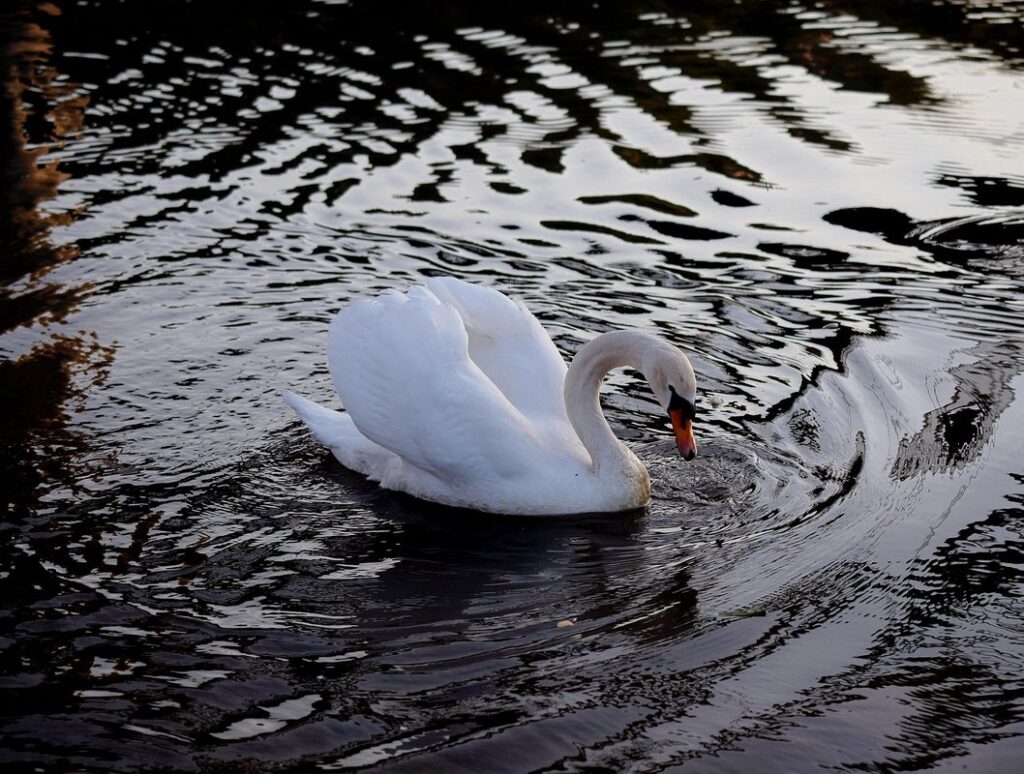
Introduction to Goose Behavior
When it comes to understanding geese, knowing their basic behavior is essential for interacting with them safely and effectively. Let’s dive into some of the key characteristics that define goose behavior.
What is Unique About Geese?
Geese are often considered to be one of the most fascinating and unique bird species when it comes to their behavior. One distinctive characteristic that sets them apart from other birds is their monogamous nature. Unlike many other bird species, geese form long-lasting pair bonds, with some couples staying together for over 20 years in the wild.
This strong attachment is not limited to just the adults; geese also exhibit a remarkable display of family bonding. They are known to be devoted parents, taking turns to incubate their eggs and care for their goslings. In fact, some goose species have even been observed adopting orphaned goslings as their own.
What’s more, geese are highly territorial animals, with pairs often defending their territory against other geese. This strong sense of ownership and loyalty is a testament to the deep-seated family bonds that exist within these remarkable birds. By understanding and appreciating these unique characteristics, we can gain a deeper insight into the complex social dynamics at play in goose behavior.
Importance of Studying Goose Behavior
Studying goose behavior may seem like a niche interest to some, but its importance cannot be overstated. For wildlife managers, conservationists, and animal welfare advocates, understanding goose behavior is crucial for developing effective strategies and policies that protect both humans and geese.
One of the most significant reasons to study goose behavior is to prevent conflicts between humans and geese. As urban areas expand, encounters between people and geese are becoming more common, leading to damage to property, crops, and even threats to human safety. By understanding why geese behave in certain ways – for instance, their migratory patterns or habitat preferences – wildlife managers can implement measures such as non-lethal deterrents, fencing, or habitat modification to minimize these conflicts.
Moreover, studying goose behavior is vital for conservation efforts. As we continue to lose habitats and ecosystems due to human activities, geese are facing numerous threats, including climate change, hunting, and pollution. By analyzing goose behavior, researchers can identify key areas for conservation focus, such as protecting migratory routes or preserving critical stopover sites.
In addition, understanding goose behavior has significant implications for animal welfare. Geese are highly social animals that often live in complex societies with established hierarchies. By studying their behavior, we can gain insights into their social structures and develop more effective ways to manage populations humanely.
By delving deeper into the world of goose behavior, we can unlock new avenues for conflict resolution, conservation, and animal welfare. Whether you’re a seasoned wildlife professional or simply an enthusiast, there’s much to be learned from these fascinating creatures.
Brief Overview of Geese
Geese are fascinating birds that can thrive in various environments, from their natural habitats to human-dominated landscapes. To understand goose behavior, it’s essential to know the different types of geese and where they reside.
Domesticated geese are often kept on farms or in backyards for their eggs, meat, and feathers. They are typically smaller than wild geese and have a more docile temperament. Domesticated geese can adapt well to human care, but they still require regular exercise and attention to maintain their health and well-being.
Wild geese, on the other hand, live in natural environments such as wetlands, grasslands, and forests. They migrate across continents each year, traveling long distances to reach their breeding and wintering grounds. Wild geese are highly social birds that live in large flocks, led by a dominant pair. Understanding their natural habitats is crucial for appreciating their behavior and habitat requirements.
In human-dominated landscapes, such as urban parks or agricultural fields, geese may adapt to living alongside humans. However, this can lead to conflicts with humans due to competition for resources or perceived threats to property.
Social Structure of Geese
When it comes to geese, their social structure is just as fascinating as their honking calls. In a typical flock, you’ll find distinct hierarchies and relationships between individual birds that play out on a daily basis.
Dominance Hierarchy in Flocks
In a goose flock, a dominant individual plays a crucial role in maintaining order and ensuring cooperation among group members. This leader is usually an older, more experienced bird that has earned respect from the rest of the flock through its assertiveness, strength, and decision-making skills.
Through vocalizations, such as honking and hissing, dominant geese communicate their intentions and boundaries to other members of the flock. They also use body language to signal dominance, including raised hackles, puffed out chest, and direct stares. Submissive birds will often display subordinate behavior by lowering their heads, spreading their wings, or backing away from the dominant individual.
As a goose owner, you can recognize and respect your bird’s dominance hierarchy by observing its vocalizations and body language. For example, if your flock has a clear leader that takes charge during feeding times, it’s essential to let them do so, as they will help maintain order and prevent conflicts among birds. By understanding and acknowledging the dominant individual in your flock, you can create a more harmonious and balanced social environment for all members.
Pair Bonding and Mate Selection
In many bird species, pair bonding is a vital aspect of their social structure. For geese, however, it plays an even more critical role during the breeding season. These birds form strong pair bonds with their mates, which are influenced by various key factors. One of the primary considerations for mate selection in geese is genetic diversity. In order to maximize reproductive success and increase their chances of survival, they seek out partners that bring unique genetic traits.
During the breeding season, geese are known to engage in complex courtship rituals, showcasing their physical strength, agility, and vocal prowess to attract a potential mate. Once paired, these relationships become crucial for the geese’s survival, as they work together to build nests, protect their young from predators, and forage for food.
It is estimated that 70-80% of goose pairs remain monogamous throughout their lives, highlighting the significance of pair bonding in these birds. Geese that form strong pair bonds tend to have better reproductive success rates, higher chick survival rates, and reduced stress levels compared to those without such relationships.
Group Size and Composition
Goose flocks are highly adaptable creatures that can quickly adjust their group size and composition in response to changing environments and social situations. One of the most significant factors influencing group dynamics is predation pressure. For instance, when a predator is present, geese may split into smaller groups to reduce vulnerability or even form loose “sentries” to warn others of potential threats.
Disease outbreaks can also impact flock composition, as sick birds are often shunned by their peers and may eventually leave the group. Similarly, human activity such as hunting or disturbance can cause geese to reorganize their social structure, sometimes leading to the formation of new sub-groups or even solo individuals. When faced with these challenges, geese have been observed exhibiting creative problem-solving skills, like adapting their migratory routes or adjusting their feeding habits.
To observe and appreciate this remarkable adaptability in your own backyard, try keeping a journal to record changes in local goose populations over time. By doing so, you’ll gain valuable insights into the dynamic social structures of geese and how they respond to environmental pressures.
Communication Methods of Geese
When it comes to conveying messages, geese rely on a variety of vocalizations and visual displays that are unique to their species. Let’s explore these fascinating communication methods up close.
Vocalizations: Warning Calls and Contact Cries
Geese use an array of vocalizations to communicate essential information about their environment and each other. Warning calls are a crucial aspect of this communication, alerting the flock to potential predators such as hawks, owls, or foxes. When geese detect danger, they emit loud, high-pitched cries that can be heard for miles. These warning calls serve as a rapid alarm system, prompting the flock to take evasive action and maintain vigilance.
On the other hand, contact cries are used to maintain flock cohesion during flight and when members become separated. Geese in close proximity will vocalize softly to one another, facilitating navigation and reunification within the group. These gentle calls also enable geese to locate lost individuals or young birds that may have wandered away from the main flock.
To recognize these vital vocalizations, observe geese closely during flight and foraging activities. Listen attentively for changes in pitch and tone that indicate alertness or alarm. By learning to distinguish between warning calls and contact cries, you can better understand goose behavior and develop a deeper appreciation for their complex communication strategies.
Visual Displays: Postures and Facial Expressions
When interacting with each other, geese use a variety of visual displays to convey important information about their intentions, status, and emotions. These displays are crucial for maintaining social order within the group and can be easily observed by paying attention to postures and facial expressions.
Posture plays a significant role in conveying dominance or submission. A goose’s height and wing position can indicate its level of aggression or fear. For instance, a dominant goose will stand tall with an open stance, while a subordinate goose may crouch lower or even back away. Facial expressions also provide valuable information about a goose’s emotional state. A tense, raised beak can signal aggression, whereas a relaxed, lowered beak indicates calmness.
Recognizing these visual cues is essential for effective communication with geese. By paying attention to postures and facial expressions, you can better understand their intentions and respond accordingly. For example, if a goose appears aggressive due to its posture or facial expression, it’s best to maintain a safe distance until the situation deescalates.
Other Forms of Communication: Preening and Grooming
When it comes to geese, preening and grooming behaviors may seem like mundane activities, but they play a vital role in their communication, social bonding, and stress relief. In fact, these behaviors are essential for maintaining their physical and mental well-being.
You can observe geese engaging in preening by watching them smooth out their feathers, remove dirt or debris, and distribute oils throughout their plumage. This behavior serves multiple purposes: it maintains the integrity of their feathers, helps regulate body temperature, and even aids in social bonding through mutual grooming. For instance, you may see a pair of geese gazing into each other’s eyes while preening, reinforcing their bond.
In addition to its physical benefits, preening can also serve as a calming mechanism for geese. When they’re feeling stressed or anxious, they’ll often engage in preening to relax and soothe themselves. By observing these behaviors, you can gain insight into your geese’s emotional states and well-being. If you notice changes in their preening habits, it may be an indication that something is amiss.
By recognizing the importance of preening and grooming in geese communication, you can take steps to create a more nurturing environment for them. Provide plenty of space for your geese to engage in these activities, and ensure they have access to fresh water and clean living areas to maintain their physical health.
Foraging and Feeding Behavior
When it comes to understanding goose behavior, knowing how they forage and feed is essential, as these habits reveal much about their natural instincts and adaptations. Let’s dive into the fascinating world of goose foraging and feeding behaviors.
Dietary Preferences and Adaptations
Geese are highly adaptable when it comes to their diet, and this adaptability is key to their ability to thrive in a wide range of ecosystems. In general, geese are herbivores, which means they feed on plants and plant-based materials. However, the specific types of plants they eat can vary greatly depending on what’s available in their environment.
In aquatic environments, such as wetlands and marshes, geese tend to feed on aquatic plants like algae, water lilies, and cattails. They’ll often wade into shallow waters with their heads down, using their sensitive beaks to probe for food in the murky depths. On land, grasses and grains are staples of a goose’s diet. In agricultural areas, geese have been known to raid fields of crops like wheat, oats, and barley.
In addition to these plant-based foods, geese will also eat insects and small invertebrates if they come across them. This opportunistic behavior allows them to take advantage of whatever food sources are available in their environment.
Foraging Strategies: Solitary vs. Group Foraging
When foraging, geese exhibit two primary strategies: solitary and group foraging. Solitary foraging allows individual birds to focus on specific food sources, often those that are abundant and easy to access. This approach is ideal when food availability is high, and habitat quality is excellent.
However, in areas with limited resources or where predators are present, geese shift towards group foraging. By congregating in larger numbers, they can better monitor potential threats while also exploiting a wider range of food sources. For example, if waterfowl are aware that an area contains a high concentration of aquatic plants and is frequented by predators, they may choose to forage in groups.
In areas with fluctuating resources or changing environmental conditions, geese exhibit adaptability in their foraging strategies. By adopting group foraging in response to these challenges, individual birds can reduce the risks associated with solitary foraging while still accessing food sources that would be difficult to exploit alone.
When observing goose behavior, consider these adaptations and adjust your approach accordingly. If you notice a flock of geese foraging together, it may indicate that they are responding to environmental pressures or predator avoidance.
Interaction with Other Species: Competition and Mutualism
Geese are highly social birds that interact with various species during feeding activities. While they can be fiercely competitive, especially when it comes to food resources, geese also form mutually beneficial relationships with other birds and mammals.
One common example of competition is between geese and other waterfowl, such as ducks and swans. During peak feeding times, these species may engage in aggressive behavior, chasing each other away from prime foraging areas. However, this aggression often subsides once food sources are plentiful, allowing the different species to coexist peacefully.
In contrast, geese have been known to form close bonds with certain mammalian species, like deer and even domestic livestock. For instance, some farmers report that geese help control insect populations, protecting crops from damage. By understanding these complex interactions, you can better appreciate the intricate social dynamics of goose behavior and even learn how to peacefully coexist with them in your own environment.
To foster a harmonious relationship with geese during feeding activities, try introducing other species gradually, allowing them to become familiar with each other’s presence. Providing ample food resources can also help reduce competition among different species.
Migration Patterns and Navigation
When it comes to understanding goose behavior, being aware of their migration patterns and navigation methods is crucial for any wildlife enthusiast. Let’s dive into how geese migrate and find their way home each year.
Routes and Timing of Migration
Goose migration patterns are complex and influenced by various factors, including climate change. For instance, Canada geese have been observed migrating to new areas due to warmer temperatures and altered food availability. In North America, a significant portion of Canada geese migrate from their summer habitats in the northern United States and Canada to wintering grounds in the southern states.
The Great Migration route, spanning over 1,000 miles, is one of the most notable migration routes for snow geese. They travel from their breeding grounds in the Arctic tundra to the Gulf Coast of North America. However, recent studies indicate that these birds are arriving at their wintering grounds earlier than usual, likely due to changing temperature patterns.
It’s essential for birdwatchers and nature enthusiasts to be aware of these changes, as they can significantly impact goose behavior. By monitoring migration routes and timing, individuals can better understand the effects of climate change on geese populations. This knowledge can also inform conservation efforts aimed at protecting these remarkable birds.
Navigation Mechanisms: Celestial and Magnetic Cues
As geese embark on their incredible long-distance migrations, they employ an impressive array of navigational strategies to ensure they reach their destinations safely. One of the most intriguing aspects of goose navigation is their reliance on celestial cues. These birds use the position of the stars to determine their direction and location. In fact, research has shown that some geese can even recognize specific constellations, such as the Big Dipper, which helps them orient themselves during migration.
Geese also utilize magnetic fields to aid in navigation. This is achieved through specialized cells in their beaks called magnetoreceptors, which detect the Earth’s magnetic field and provide the bird with directional information. For example, when a goose is traveling south for winter, it will use the position of the constellations combined with its innate sense of magnetism to adjust its course as needed.
It’s fascinating to note that geese also exhibit an inherited component to their navigation abilities. Studies have demonstrated that young geese can follow the same migration routes as their parents without prior experience, suggesting a strong genetic component to their navigational instincts.
Role of Experience and Tradition in Migration Behavior
As geese migrate across continents, it’s remarkable to observe how experienced individuals pass down knowledge to younger generations. This phenomenon is not unique to geese; many bird species exhibit similar behavior. The process of migration knowledge transmission occurs through behavioral traditions and learning mechanisms.
For instance, young geese learn essential navigation skills by observing their elders. They watch as they use landmarks, celestial bodies, and even magnetic fields to chart their course. This hands-on learning experience is crucial for the younger birds’ survival. Geese also inherit migration routes through cultural transmission, where they acquire this information from their parents or family members.
Interestingly, studies have shown that geese learn migration patterns by associating specific locations with food sources and shelter. By following experienced individuals, young geese develop a mental map of these essential resources. This complex process highlights the intricate social dynamics within goose populations and how experience plays a significant role in shaping their migratory behavior.
Conservation Status and Threats
Gooses face numerous threats, including habitat destruction, hunting, and climate change, which can significantly impact their populations. Let’s explore these pressing issues in more detail.
Impact of Habitat Loss and Fragmentation
Goose habitats are under threat from human activities such as deforestation, urbanization, and infrastructure development. As forests shrink due to deforestation, geese lose their natural breeding grounds and feeding areas. This not only affects the quantity of goose populations but also alters the quality of available habitat. For example, in the Amazon rainforest, it’s estimated that over 17% of forest cover has been lost since the 1970s. Urbanization further exacerbates this issue by fragmenting habitats into isolated patches.
As a result, geese face difficulties adapting to these fragmented environments. They have limited space for migration and may become trapped between urban areas or along newly constructed roads and highways. In some cases, habitat loss can lead to behavioral changes in geese, such as altered migration patterns or reduced reproduction rates. To mitigate these effects, conservation efforts should prioritize protecting natural habitats and promoting sustainable land-use practices. This might involve creating corridors for goose migration or establishing protected areas for breeding and nesting.
Climate Change: Impacts on Goose Migration and Distribution
Climate change is significantly altering goose migration patterns and distribution, posing substantial challenges to their survival. Rising temperatures are causing shifts in traditional habitats, forcing geese to adapt to new environments. A study on the Snow Goose population found that these birds are migrating earlier than usual, which can disrupt the synchronization of their arrival with available food resources.
Changes in precipitation patterns also affect goose migration and distribution. Heavy rainfall events can destroy vegetation, while droughts can reduce water availability, leading to a decrease in food sources. The Western Canada Goose population has shown significant declines due to these changes, highlighting the urgent need for conservation efforts. To mitigate the effects of climate change on goose populations, it’s essential to establish flexible management strategies that account for shifting migration patterns and changing environmental conditions.
In practical terms, understanding these impacts can inform conservation decisions. Land managers and wildlife experts must monitor climate-driven changes in goose behavior and adjust management practices accordingly. This might involve relocating feeding areas or protecting habitats from human development, ultimately ensuring the long-term survival of goose populations.
Human-Goose Conflicts: Prevention and Mitigation Strategies
Human-goose conflicts can be a significant issue in urban and rural areas, leading to property damage, noise pollution, and even safety concerns. To mitigate these conflicts, it’s essential to adopt non-lethal deterrents that respect both human and goose well-being.
One effective approach is to use visual deterrents such as balloons or reflective tape to scare geese away from specific areas. For instance, the city of Ottawa implemented a balloon-based system to deter Canada Geese from parks and green spaces, resulting in a significant reduction in conflicts.
Education initiatives can also play a crucial role in preventing human-goose conflicts. By raising awareness about goose behavior, habitats, and needs, individuals can take steps to peacefully coexist with geese. For example, the New York City Parks Department offers educational programs to teach visitors about geese biology, habitat requirements, and ways to safely interact with them.
Habitat restoration efforts are another vital strategy in mitigating human-goose conflicts. By restoring natural habitats and providing alternative foraging areas, humans can reduce competition for resources between themselves and geese. In Chicago’s Lincoln Park, a comprehensive habitat restoration project has successfully reduced goose populations through the creation of artificial wetlands and native plantings.
Effective communication is key to resolving human-goose conflicts. Community-based initiatives that bring together local authorities, residents, and wildlife experts can help develop targeted solutions tailored to specific areas. By adopting a multi-faceted approach incorporating non-lethal deterrents, education initiatives, and habitat restoration efforts, we can peacefully coexist with geese while preserving their natural habitats.
Frequently Asked Questions
How Can I Apply My Newfound Understanding of Goose Behavior to Improve Human-Goose Conflicts?
Understanding goose behavior can help you identify potential areas for conflict, such as crop damage or noise complaints. By recognizing the importance of pair bonding and social structures, you can develop targeted solutions to mitigate these issues. For example, you could work with local farmers to create geese-friendly habitats or implement noise-reducing measures in residential areas.
What Are Some Common Mistakes People Make When Trying to Understand Goose Behavior?
A common mistake is assuming that all geese are the same. In reality, different species and populations have unique characteristics. It’s also essential to recognize that geese can be unpredictable and may not always behave as expected. To avoid confusion, it’s crucial to consult reputable sources and consider multiple perspectives when studying goose behavior.
Can You Provide Examples of Successful Conservation Efforts That Have Improved Goose Migration Patterns?
Yes. Successful conservation efforts have been implemented in various regions to protect geese during migration. For instance, habitat restoration projects in the United States have helped restore wetlands that provide essential stopover sites for migratory geese. Additionally, organizations have worked with farmers and local communities to develop sustainable agriculture practices that reduce conflict between humans and geese.
How Can I Differentiate Between Warning Calls and Contact Cries in Geese?
Warning calls are typically loud, high-pitched sounds used by geese to alert others to potential threats. In contrast, contact cries are softer, more gentle vocalizations used for communication within the flock. By paying attention to these differences, you can better understand the social dynamics of goose behavior and develop a deeper appreciation for their unique forms of communication.
What Are Some Effective Strategies for Preventing Human-Goose Conflicts in Urban Areas?
Effective strategies include implementing noise-reducing measures, such as sound-absorbing barriers or noise-cancelling windows. Additionally, communities can work with local wildlife experts to develop geese-friendly habitats and provide education on how to peacefully coexist with these remarkable birds. By taking a proactive approach, you can reduce the likelihood of conflicts between humans and geese in urban areas.