
As a waterfowl enthusiast or proud owner of geese, you’re likely no stranger to the sight of your feathered friends shedding their beautiful plumage. But have you ever wondered why geese molt? It’s not just a matter of aesthetics; goose molt is a crucial process that helps them stay healthy and thrive in changing environments. In this article, we’ll delve into the purpose of goose molt, its different types, common causes, and signs to look out for. We’ll also provide expert tips on how to manage this natural process and support your molting goose through the transition. Whether you’re a seasoned bird owner or just curious about geese, our guide will give you a comprehensive understanding of goose molt, helping you care for these amazing birds like a pro.
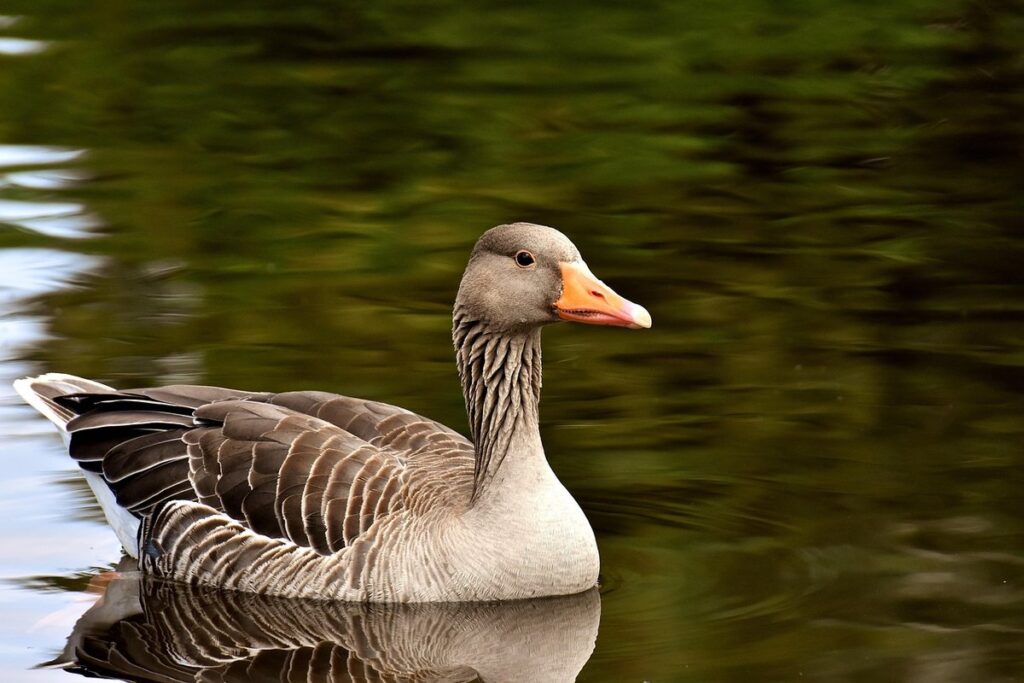
What is a Goose Molt?
So, you’re wondering what exactly happens during a goose molt and why it’s such an essential part of your feathered friend’s life cycle. Let’s break down this natural process step by step.
Definition and Purpose of Molting in Geese
Molting is a vital process that geese undergo to replace their old feathers with new ones. This natural process allows them to maintain their insulating layer and keep warm during cold months. Unlike other birds, which molt gradually over time, geese typically shed their feathers all at once in a process called “complete molt.” This can occur once or twice a year, depending on factors like age, nutrition, and climate.
During molting, geese may appear disheveled, with exposed skin and missing feathers. However, this is a normal part of the process and doesn’t indicate any underlying health issues. In fact, a goose’s ability to molt successfully depends on access to nutritious food, clean water, and suitable shelter. If you’re a goose owner or caretaker, it’s essential to provide your geese with optimal living conditions during molting to ensure their success.
By understanding the purpose and importance of molting in geese, you can better support these magnificent birds through this natural process.
Types of Molts in Geese
Geese undergo various types of molts throughout their lives, each serving a distinct purpose. The summer molt, which typically takes place between May and July, is one such type. During this period, geese shed and replace worn-out feathers with new ones to maintain their insulation and waterproofing properties. This process allows them to stay warm during cooler months and prevents water from seeping into their plumage.
The winter molt, on the other hand, occurs between October and December, enabling geese to acquire a layer of extra insulation for the harsher winter conditions. Pre-breeding molts, which usually happen in February or March, prepare geese for the upcoming breeding season by enhancing their courtship displays and territorial behavior.
It’s worth noting that some geese species may exhibit multiple molts within a single year, whereas others might only experience one or two significant molting events annually. Understanding these variations is essential for accurate identification and management of goose populations in your area.
Causes and Triggers of Goose Molt
You’re probably wondering what sets off a goose molt, and understanding these triggers can help you better manage your flock’s natural shedding process. Let’s explore some common causes together!
Seasonal Changes and Day Length
As the seasons change and day length shortens, many goose species are triggered to begin their annual molt. This phenomenon is closely linked to the geese’s internal clock, which responds to the decreasing daylight hours and cooler temperatures of autumn and winter. In fact, research has shown that some goose populations will start molting as early as September or October, when day lengths are around 10-12 hours.
This process is particularly notable in temperate regions where geese have adapted to take advantage of the changing seasons. For example, Canada Geese in North America typically begin their molt in late summer, coinciding with the onset of shorter days and cooler temperatures. By initiating their molt at this time, these geese can replace their worn feathers before the harsh winter months arrive.
If you’re a goose owner or manager, understanding how seasonal changes affect your birds’ molting cycle is crucial for providing optimal care during this period.
Nutrition and Health Factors
A balanced diet rich in essential nutrients is crucial for healthy feather growth during the molting process. A goose’s nutritional intake can significantly impact its ability to produce high-quality feathers and maintain overall health. For instance, a lack of protein or amino acids in the diet can lead to weakened feathers, making them more susceptible to breakage and damage.
On the other hand, certain health issues can disrupt the molting cycle. Respiratory problems, such as pneumonia, can cause stress and lead to incomplete molt. Similarly, parasites like lice or mites can also affect feather growth by causing discomfort and stress.
To support your goose’s nutritional needs during molt, consider providing a high-quality feed rich in protein, vitamins, and minerals. You can also supplement with calcium to promote strong beak and bone development, which is essential for healthy feather growth. Additionally, ensure access to clean water and maintain good hygiene practices to prevent the spread of diseases.
Signs and Stages of Goose Molt
As you wait for your goose to complete their molt, it’s essential to be able to recognize the different stages and signs that indicate progress. This includes changes in feather appearance, loss of feathers, and new growth.
Early Warning Signs
As you observe your goose’s behavior and physical condition, there are several early warning signs that indicate it’s about to molt. One of the most noticeable changes is a decrease in appetite. This can be due to the immense energy required for feather growth, causing your goose to need more time to digest its food. You might also notice increased restlessness or agitation, as geese often feel uneasy before shedding their old feathers.
Other telltale signs include changes in plumage appearance, such as dullness or a lack of luster, and the presence of loose or missing feathers. In some cases, you may even see your goose pecking at its own feathers or engaging in excessive preening behavior. If you notice these warning signs, it’s essential to provide your goose with extra nutrients and a stress-free environment to help it transition smoothly through this natural process.
The duration of the molting process varies among different goose species, but generally lasts between 30 to 60 days for most breeds. During this time, your goose will lose its old feathers and grow new ones, which can be a challenging period for both you and your bird.
Physical Changes During Molting
As geese undergo molting, they go through significant physical changes. One of the most noticeable signs is the loss of feathers. During this period, geese may appear almost bare, with only a few fluffy down feathers covering their bodies. This is because old feathers are shed to make way for new ones.
The growth of new feathers is a slow process that can take several weeks. As new feathers emerge, they may be soft and brittle at first, but will eventually grow strong and replace the lost feathers. It’s not uncommon for geese to lose 50-75% of their original plumage during this time.
While molting is a natural process, it can also lead to some health risks. For example, geese that are underweight or malnourished may be more susceptible to predators and harsh weather conditions. Moreover, the stress of molting can weaken their immune system, making them more vulnerable to diseases.
To minimize potential health risks during this period, provide your geese with a balanced diet rich in protein and nutrients. Also, ensure they have access to clean water and shelter from extreme temperatures. By taking these precautions, you can help your geese navigate the molting process safely and successfully.
Managing Goose Molt
As you navigate the goose molt process, managing this natural phase is crucial for maintaining your bird’s health and well-being. In this section, we’ll explore practical tips to make this transition as smooth as possible.
Providing Adequate Nutrition
During molting, geese require more nutrients than usual to support the growth of new feathers, skin, and underlying tissues. A balanced diet is essential to ensure they stay healthy and energized throughout this process. You can achieve this by adjusting their regular feed or adding supplements specifically designed for molting geese.
One key aspect to consider is protein content. Geese need a significant amount of protein to produce new feathers, which are made up of a hard, keratin-based material. Offer high-quality pellets that contain at least 16% protein, and supplement with mealworms or crickets to boost their intake. You can also provide chopped greens like kale or spinach, rich in iron and other essential minerals.
Keep an eye on your goose’s weight, as molting can be a stressful time for them. Monitor their food intake closely and adjust the quantities accordingly. A general rule of thumb is to increase their feed by 10-20% during molting. Also, make sure they have access to fresh water at all times to stay hydrated.
Avoid overfeeding, as this can lead to weight gain and potentially exacerbate health issues. Keep your goose active through regular exercise, such as walking or swimming, to maintain muscle mass and overall fitness. By following these tips, you’ll be able to provide your molting goose with the necessary nutrients for a smooth transition into their new plumage.
Maintaining Clean Living Conditions
During the molting process, geese are more vulnerable to diseases due to their weakened state. To minimize the risk of infection, it’s essential to maintain clean and dry living conditions for your geese. A dirty environment can harbor bacteria, fungi, and other pathogens that can quickly spread among stressed birds.
Clean the coops regularly by removing soiled bedding, disinfecting surfaces, and replacing them with fresh material. Ensure good ventilation to prevent moisture buildup, which can lead to fungal growths like aspergillosis. Keep an eye out for signs of illness in your geese, such as discharge around the eyes or nostrils, loss of appetite, or lethargy.
Consider implementing a daily routine that includes inspecting the coop and removing any debris or droppings. You can also use disinfectants specifically designed to target avian pathogens. By maintaining a clean environment, you’ll reduce the risk of disease transmission among your geese during this critical period.
Health Risks Associated with Goose Molt
While molt can be a natural and normal process for geese, it’s also associated with some potential health risks that you should know about. Let’s take a closer look at what these are.
Feathers and Eye Problems
During the goose molt, birds may experience health issues related to their feathers becoming entangled or stuck together. This can lead to vision problems, as the eyes are positioned on either side of the beak and can become affected by the tangled feathers. In severe cases, the entanglement can cause the bird’s eyelids to close partially or even completely, obstructing the line of sight.
As a goose owner, it’s essential to monitor your birds closely during this time for any signs of vision problems caused by molting. Keep an eye out for changes in behavior, such as difficulty seeing food or water, bumping into objects, or seeming disoriented. If you notice these symptoms, consult with a veterinarian experienced in caring for waterfowl.
Your vet may recommend cleaning the affected feathers to restore your goose’s vision and ensure their overall well-being. This can be done by gently teasing apart the tangled feathers or using a specialized tool designed specifically for this purpose. With proper care and attention, most geese can safely navigate the molting process without significant health complications.
Nutritional Deficiencies
During molting, geese may experience nutritional deficiencies due to changes in their eating habits and nutrient requirements. A lack of protein is a common issue, as geese require a diet rich in high-quality protein sources to support feather growth and regeneration. For example, if a goose is not receiving enough protein from its food, it may start to break down muscle tissue to meet its nutritional needs, leading to weight loss and decreased overall health.
Other essential vitamins and minerals that geese may be deficient in during molting include vitamin A, calcium, and phosphorus. Vitamin A is crucial for healthy skin and mucous membranes, while calcium and phosphorus are necessary for strong bone growth and development. Geese that are not receiving adequate amounts of these nutrients may exhibit symptoms such as rough or brittle feathers, weak legs, and even cracked beaks.
To prevent nutritional deficiencies during molting, it’s essential to provide geese with a balanced diet rich in protein, vitamins, and minerals.
Tips for Supporting Your Molting Goose
As you care for your molting goose, it’s essential to provide a nutritious diet and comfortable environment to support their physical and emotional well-being during this critical phase. A little extra attention can make all the difference in their recovery.
Keeping Them Active
As your goose begins its molting process, it’s essential to keep them active and engaged. Molting can be a frustrating time for both you and your bird, but with the right approach, you can help minimize stress and ensure your goose stays healthy.
Provide mental stimulation through activities that challenge their problem-solving skills. Try hiding treats or toys around the enclosure, forcing your goose to search and figure out how to access them. You can also rotate toys regularly to keep things interesting and prevent boredom. For example, you could place a puzzle feeder filled with their favorite food in a hard-to-reach spot, encouraging your goose to use its beak and brain to get it.
Physical exercise is also crucial during molting. Geese need regular walks outside the enclosure to stay active and maintain muscle mass. Aim for at least 30 minutes of supervised outdoor time per day, making sure your goose has enough space to roam and exercise safely. Consider incorporating playtime in a fenced area or on a leash, allowing your goose to explore and engage with its surroundings.
Handling and Grooming
When your goose begins molting, it’s essential to handle and groom them with care. Their sensitive feathers and skin make them prone to irritation and damage during this process.
Start by gently examining their plumage for any matted or tangled areas. Use a soft-bristled brush or your fingers to carefully tease out these knots, taking care not to pull on the feathers too hard. This will prevent discomfort and even injury to your goose.
When bathing your goose, use lukewarm water and a mild detergent specifically designed for birds. Avoid getting water in their eyes, ears, or nostrils, as this can cause distress. After the bath, gently pat them dry with a towel, paying extra attention to areas where they may be most sensitive.
It’s also crucial to keep your goose’s living environment clean during molting. Remove any loose feathers and debris from their enclosure to prevent stress and discomfort. By being mindful of your goose’s needs during this time, you can help ensure a smooth and successful molt.
Frequently Asked Questions
Can I prevent my goose from going through complete molting?
No, complete molting is a natural process that geese undergo to replace their old feathers with new ones. It’s essential for maintaining their insulating layer and overall health. However, by providing a balanced diet, keeping them active, and ensuring clean living conditions, you can support your goose during this transition.
How long does it take for my molting goose to regain its full plumage?
The duration of the molting process varies depending on factors like age, nutrition, and climate. On average, geese complete their molt in 2-4 weeks, after which they’ll start growing new feathers that will be fully grown within 6-8 weeks.
Are there any health risks associated with goose molting?
Yes, nutritional deficiencies during molting can lead to health issues like feather loss, eye problems, and weakened immune systems. Ensure your goose has access to a balanced diet rich in nutrients, especially protein, vitamins, and minerals.
Can I bathe my molting goose to help with shedding old feathers?
No, bathing your goose during the molting process is not recommended. This can cause stress and potentially lead to skin irritation or other health issues. Instead, maintain clean living conditions by changing bedding regularly and providing a dust-free environment.
How can I tell if my goose is experiencing stress due to molting?
Monitor your goose’s behavior for signs of stress, such as aggression, loss of appetite, or excessive feather pecking. Ensure they have adequate space, social interaction, and proper care during this time to minimize stress levels.