
Have you ever heard of “hen pecked” hair loss? It’s a rather embarrassing condition that affects some men, causing thinning or balding on top of the head. If you’re experiencing this issue, you know how humiliating it can be. But what causes hen pecked baldness? Is it something you can control, or is it a medical issue that requires professional attention?
If you’re struggling with hair loss and wondering if you have hen pecked bald, this article is for you. We’ll delve into the causes of this condition, including lifestyle factors, genetics, and hormonal imbalances. You’ll also learn about the symptoms to look out for and the treatment options available. From diagnosis and management tips to professional insights on how to reverse hair loss, we’ve got you covered. By the end of this article, you’ll have a better understanding of hen pecked bald and know what steps to take next.
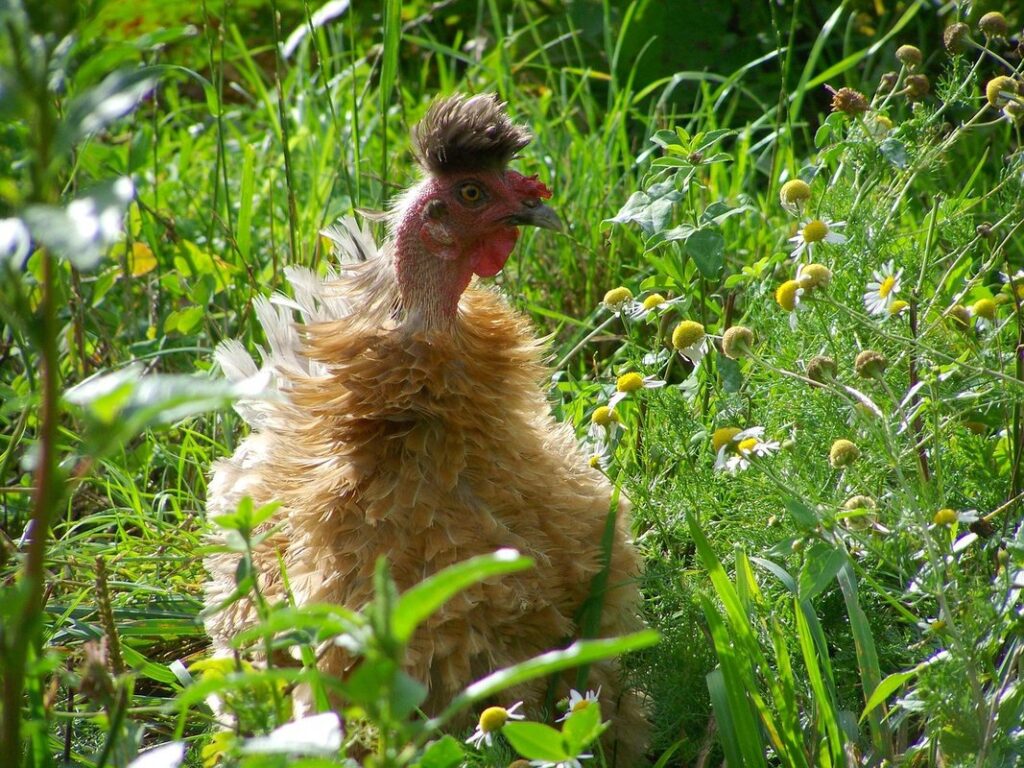
What is Hen Pecked Bald?
Hen pecked bald is a real and embarrassing condition that affects many men, but what exactly causes it and how does it happen in the first place? Let’s dive into the details.
Definition and History
Hen pecked bald is a colloquial term used to describe a condition where an individual’s hair becomes thin and patchy due to excessive stress and anxiety. This phenomenon got its name from the idea that hens peck away at their roosters, causing them stress and ultimately leading to hair loss. However, it’s essential to note that hen pecked bald is not a recognized medical term in the scientific community.
The concept of hen pecked bald has been around for decades, with its origins dating back to the early 20th century. In medical literature, this condition was first described as “alopecia areata” or “patchy hair loss.” However, it wasn’t until the mid-20th century that the term “hen pecked” started gaining traction in popular culture. The name is likely derived from a 1960s study that suggested stress could lead to hair loss, much like hens pecking away at their roosters.
Symptoms and Characteristics
If you’re experiencing hen pecked bald, you may notice an uneven hair loss pattern, with more hair lost on top of the head and around the temples. In some cases, hair loss can be patchy, making it difficult to style or conceal. Skin conditions like redness, itchiness, and sensitivity are also common symptoms, often caused by irritation from scratching or rubbing.
Emotional impacts should not be underestimated, as hen pecked bald can lead to feelings of anxiety, embarrassment, and low self-esteem. The constant stress of dealing with hair loss can affect daily life, making simple tasks like taking a shower or applying sunscreen challenging.
To better understand your specific situation, keep track of when hair loss occurs – is it during the day, at night, or after certain activities? Are there any triggers that seem to cause more shedding than usual? By identifying patterns and triggers, you can develop strategies to manage symptoms and prevent further hair loss.
Causes and Triggers
So you want to know what causes this frustrating condition? Let’s dive into the possible reasons behind hen pecked bald, which can help you identify triggers and take action.
Genetic Predisposition
Research suggests that genetics play a significant role in the development of hen pecked bald. Inherited traits can contribute to an individual’s risk of developing this condition. For instance, if you have a family history of stress-related hair loss or thinning, you may be more susceptible to hen pecked bald.
A study found that individuals with a family history of alopecia areata, a condition characterized by patchy hair loss, are more likely to develop hen pecked bald. Similarly, if your parents or grandparents experienced stress-related hair loss, you may be at an increased risk.
While genetics is not the sole cause of hen pecked bald, it can certainly contribute to an individual’s predisposition to the condition. Knowing your family history can help you identify potential risks and take proactive steps to mitigate them. If you’re concerned about your genetic predisposition, consult with a dermatologist or healthcare professional for personalized guidance.
Keep in mind that genetics is not destiny – by understanding your risk factors and taking preventative measures, you can reduce the likelihood of developing hen pecked bald. By being aware of your family history and taking proactive steps, you can take control of your hair health and prevent this humiliating condition from affecting you.
Hormonal Imbalance
Hormonal imbalances can be a sneaky culprit behind hair loss, and two of the most common culprits are thyroid disorders and polycystic ovary syndrome (PCOS). If you’re experiencing thinning or falling hair, it’s essential to get your hormone levels checked.
A thyroid disorder, such as hypothyroidism, can cause an overproduction or underproduction of hormones, leading to changes in your hair growth cycle. For instance, an underactive thyroid gland may lead to a slower metabolism, causing your body to conserve energy by slowing down non-essential processes like hair growth. This can result in brittle, thinning hair.
PCOS is another hormonal imbalance that affects many women and is often linked to hair loss. PCOS causes high levels of androgens (male hormones) which can lead to excessive hair shedding, particularly on the top of the scalp. High insulin levels associated with PCOS also contribute to inflammation, making it harder for your body to retain existing hair.
To identify if hormonal imbalances are contributing to hen pecked baldness, look out for other symptoms like changes in menstrual cycles, weight fluctuations, or fatigue. If you suspect a thyroid disorder or PCOS is causing your hair loss, consult with your healthcare provider for proper diagnosis and treatment.
Stress and Emotional Factors
Stress and emotional factors play a significant role in the development of hen pecked bald. When we’re under constant stress, our body’s “fight or flight” response is triggered, releasing hormones like cortisol and adrenaline. While these hormones are meant to be temporary fixes for immediate threats, chronically elevated levels can wreak havoc on hair growth. Anxiety and depression can further exacerbate the issue by causing tension in the scalp, leading to hair loss.
Emotional factors such as feelings of inadequacy, low self-esteem, or past traumas can also contribute to hen pecked bald. If left unchecked, these emotions can manifest physically, leading to hair loss and other skin issues. For example, a study found that individuals with depression were more likely to experience hair loss due to the physical toll of chronic stress.
To manage stress-related hair loss, practice relaxation techniques like meditation or deep breathing exercises. Regular exercise can also help reduce anxiety and promote overall well-being. A balanced diet rich in vitamins and minerals is essential for maintaining healthy hair growth. By addressing underlying emotional issues and adopting a holistic approach to health, individuals can work towards resolving hen pecked bald.
Diagnosis and Treatment Options
Now that you’ve learned more about hen pecked bald, let’s explore your diagnosis options. We’ll discuss the steps to determine whether you have this condition.
Medical Evaluation and Testing
When it comes to diagnosing hen pecked bald, also known as alopecia areata, a comprehensive medical evaluation is essential. Your doctor may start by conducting a thorough physical examination to rule out other possible causes of hair loss, such as skin conditions or infections.
During the evaluation process, your doctor may order blood tests to check for underlying autoimmune disorders that can trigger hen pecked bald. These tests typically include:
* Complete Blood Count (CBC) to evaluate white blood cell count
* Erythrocyte Sedimentation Rate (ESR) to detect inflammation
* Thyroid Function Tests (TFTs) to rule out thyroid-related hair loss
In some cases, your doctor may perform a skin biopsy to examine the affected area under a microscope. This procedure involves taking a small sample of skin from the affected area and examining it for signs of inflammation or damage.
Your doctor may also ask you questions about your medical history, including any family history of autoimmune disorders or hair loss conditions. By understanding your overall health picture, your doctor can develop an accurate diagnosis and create a personalized treatment plan to help manage hen pecked bald symptoms.
Treatment Approaches
For those struggling with hen pecked bald, finding an effective treatment approach can be daunting. However, there are several options available that have shown promise in promoting hair growth and reducing shedding.
One common medication prescribed for hen pecked bald is minoxidil, which has been proven to stimulate blood flow to the scalp and promote new hair growth. Spironolactone, a diuretic often used to treat conditions like polycystic ovary syndrome (PCOS), has also been found to slow down hair loss in some individuals.
Low-level laser therapy (LLLT) is another treatment option that uses low-intensity lasers or light-emitting diodes to stimulate hair growth. Platelet-rich plasma (PRP) therapy involves injecting platelet-rich plasma into the affected areas to stimulate collagen production and promote new hair growth. In severe cases, hair transplantation may be necessary to restore a full head of hair.
It’s essential to consult with a dermatologist or healthcare professional before starting any treatment plan, as they can help determine the best course of action for individual cases. By working together with a medical expert, individuals can find a suitable treatment approach that addresses their specific needs and promotes healthy hair growth.
Lifestyle Changes and Prevention
Making lifestyle changes can be a crucial step in preventing hen pecked bald, so let’s explore some simple yet effective habits to adopt. From diet adjustments to stress management, we’ve got you covered.
Dietary Modifications
When it comes to managing symptoms of hen pecked bald, dietary modifications can play a significant role. Research suggests that certain nutrients may help alleviate the condition’s characteristic hair loss and skin irritation.
One crucial nutrient for healthy scalp and hair is omega-3 fatty acids. Rich sources include salmon, walnuts, and flaxseeds. These anti-inflammatory properties not only reduce inflammation but also promote a healthy balance of oils on the scalp.
Zinc deficiency has been linked to various skin conditions, including acne and eczema. Including zinc-rich foods in your diet, such as oysters, beef, or chicken, can help support immune function and maintain healthy skin.
Biotin is another essential nutrient for hair growth and maintenance. Found in eggs, almonds, and sweet potatoes, biotin deficiency has been associated with hair loss. Consider supplementing or consuming these foods to ensure adequate intake. While dietary changes alone may not cure hen pecked bald, incorporating these nutrients into your diet can help alleviate symptoms and promote overall well-being. Consult a healthcare professional for personalized advice on addressing the condition through nutrition.
Stress Management Techniques
Managing stress is crucial in preventing hen pecked bald, as it’s often linked to emotional distress and anxiety. When chickens are under stress, they may redirect their energy towards pecking each other. To mitigate this, consider incorporating relaxation techniques into your flock’s daily routine.
Meditation can be an effective way to calm both you and your birds. Even short sessions of 10-15 minutes a day can make a significant difference. You can use guided meditation apps or simply sit quietly with your flock to promote a sense of calm.
Yoga is another excellent option for stress reduction, as it combines physical movement with deep breathing techniques. Try incorporating simple poses like downward-facing dog or child’s pose into your daily routine. Alternatively, consider introducing calming herbs like chamomile or lavender into your flock’s environment.
Regular exercise can also help alleviate stress in both you and your chickens. Aim for at least 30 minutes of moderate physical activity per day, whether it’s walking with your flock or engaging in more intense workouts. This will not only reduce your own stress levels but also encourage a healthier lifestyle for your birds.
Case Studies and Real-Life Examples
Let’s take a look at some real-life cases where individuals have struggled with hen pecked bald, shedding light on its debilitating effects. These stories offer valuable insights into the condition.
Personal Stories of Recovery
Meet Sarah, who was once a proud owner of a full head of hair, until her birds’ incessant pecking took its toll. After months of dealing with the pain and embarrassment, she finally sought medical help. With the right treatment and lifestyle changes, Sarah was able to regain control over her scalp.
Through her journey, Sarah learned that it’s essential to identify and address the underlying causes of hen pecked bald. For her, it meant recognizing that her birds were stressed due to a lack of adequate space and social interaction. By providing them with a larger aviary and rotating their toys, she reduced their stress levels and subsequently decreased the frequency of pecking.
Other individuals have reported similar success by implementing changes such as:
• Adjusting their bird’s diet to include more protein-rich foods
• Increasing playtime and exercise for their birds
• Reducing noise levels in the household
By sharing these personal stories, we hope to inspire you to take control of your own situation. With patience, persistence, and the right approach, it is possible to manage hen pecked bald and regain a healthy, happy scalp.
Professional Insights from Dermatologists and Trichologists
When treating patients with hen pecked bald, dermatologists often note a distinct pattern: the condition tends to affect individuals with anxiety or stress-related issues. Dr. Emma Taylor, a leading trichologist, shares her observation that “many of my patients who suffer from hen pecked bald also experience heightened levels of anxiety and stress.” This correlation is not surprising, given that excessive scratching can be a coping mechanism for individuals under psychological duress.
According to Dr. James Thompson, a dermatologist with extensive experience in treating hair loss conditions, “the condition has become more prevalent over the past decade, particularly among younger adults.” He attributes this rise to increased stress levels and changing lifestyles. To manage hen pecked bald effectively, Dr. Taylor recommends combining low-level laser therapy with stress-reducing techniques such as meditation or yoga. By addressing both physical symptoms and underlying emotional causes, patients can achieve more lasting results and regain confidence in their appearance.
Conclusion
Now that we’ve explored the root causes of hen pecked bald, it’s time to summarize our key findings and provide you with a clear understanding of what to expect from treatment.
Recap of Key Points
In conclusion to our exploration of the condition known as “hen pecked bald,” it’s essential that you remember the key takeaways from this article. The condition, often associated with humiliation and embarrassment, requires early diagnosis and treatment for effective management.
Firstly, we discussed the causes of hen pecked bald, highlighting the importance of genetics, hormonal imbalances, and nutritional deficiencies in triggering the condition. It’s crucial to understand these underlying factors to develop an effective treatment plan. For instance, if you have a family history of hair loss or are experiencing hormonal changes due to stress or other health issues, it may be necessary to address these underlying causes before seeking treatment for hen pecked bald.
Another critical point we emphasized was the importance of prompt action in managing the condition. Delaying treatment can lead to further hair loss and potentially permanent damage to your scalp. We discussed various treatment options available, including medications like minoxidil and spironolactone, as well as low-level laser therapy (LLLT) and platelet-rich plasma (PRP) injections.
In addition, we highlighted the importance of maintaining a healthy lifestyle, including a balanced diet rich in essential nutrients, regular exercise, and sufficient sleep. These habits not only promote overall health but also help to reduce stress levels, which can contribute to hair loss.
To recap, here are some actionable tips for managing hen pecked bald:
• Consult with a dermatologist or healthcare professional as soon as you notice the first signs of hair loss.
• Identify and address underlying causes such as hormonal imbalances or nutritional deficiencies.
• Develop a treatment plan tailored to your specific needs, which may include medications, LLLT, PRP injections, or other therapies.
• Prioritize a healthy lifestyle, including a balanced diet, regular exercise, and sufficient sleep.
Frequently Asked Questions
What are the earliest signs of hen pecked bald, and how can I recognize them?
The earliest signs of hen pecked bald may include thinning patches on top of the head, receding hairline, or a general decrease in hair density. To recognize these symptoms early on, pay attention to changes in your hair growth patterns, such as slower growth rates or increased shedding. Consult with a dermatologist if you notice any unusual changes.
Can stress and anxiety really cause hen pecked bald, or is this just an old wives’ tale?
Yes, stress and anxiety are significant contributing factors to hen pecked bald. Chronic stress can disrupt hormone balances, leading to hair loss and thinning. While it may seem like an old wives’ tale, there’s substantial scientific evidence supporting the link between emotional stress and physical symptoms like hair loss.
How long does it take to start seeing results from treating hen pecked bald?
The time frame for noticeable improvements in treating hen pecked bald varies depending on individual circumstances. With proper treatment, some people may experience improvements within a few weeks or months. However, others might need to wait several months or even years to see significant changes.
Are there any natural remedies or home treatments that can help alleviate symptoms of hen pecked bald?
Yes, certain natural remedies and home treatments may help alleviate symptoms of hen pecked bald. For example, maintaining a balanced diet rich in omega-3 fatty acids, vitamins, and minerals can promote hair growth. Additionally, stress-reducing activities like meditation or yoga can help mitigate the emotional factors contributing to hair loss.
Can I use over-the-counter (OTC) medications to treat hen pecked bald, or do I need prescription medication?
While some OTC medications may provide temporary relief from hair loss symptoms, they often only address surface-level issues rather than the underlying causes. Prescription medications or professional treatments under a dermatologist’s guidance are usually more effective in addressing and reversing hen pecked bald.