
If you’re considering raising chickens in your backyard, understanding the difference between hens and pullets is crucial for their growth and overall health. Many beginners often confuse these terms, but knowing the distinction can make all the difference in creating a happy and thriving flock.
Pullets and hens are not just age labels; they signify specific stages of development that impact their behavior, physical characteristics, and even health considerations. As a chicken owner, you’ll want to know how to care for your birds during these critical growth phases, from their initial introduction to full maturity. In this article, we’ll delve into the key differences between pullets and hens, including their growth stages, physical characteristics, behavior, and health considerations to ensure you’re raising healthy birds that will bring joy to your family for years to come.
Understanding the Basics of Chicken Life Stages
Let’s start by understanding the different stages of a chicken’s life, from chicks to hens, as it will help us grasp the pullet and hen distinction more easily. Understanding these life stages is crucial for raising healthy backyard chickens.
What is a Chick?
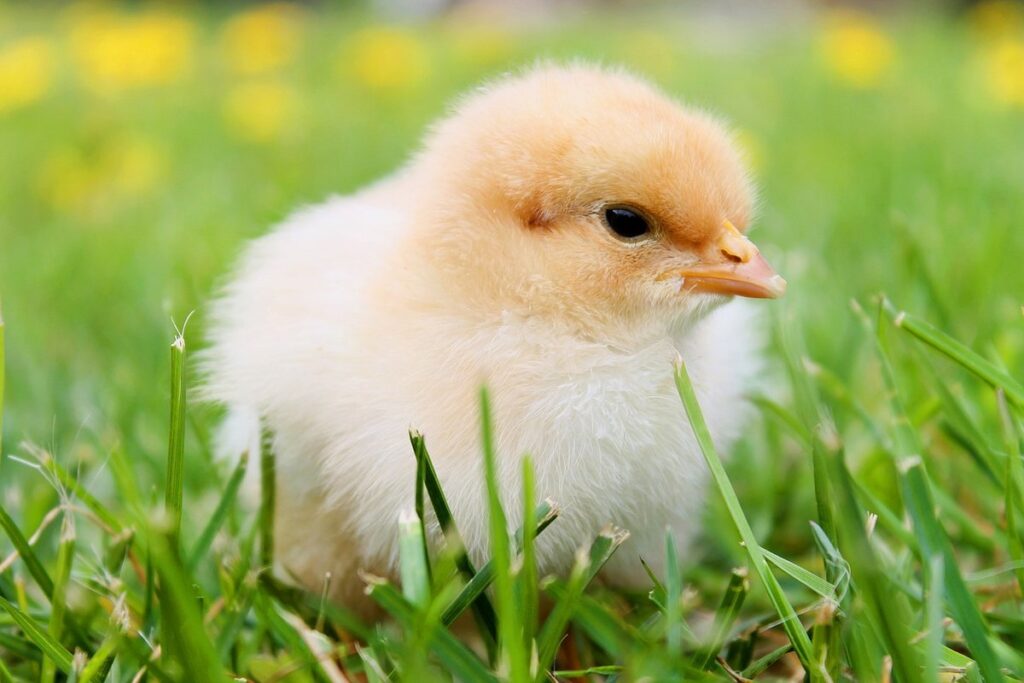
A chick is the earliest stage of a chicken’s life cycle. It’s born from an egg that has been incubated for 21 days, typically at a hatchery or in a backyard setting. A chick’s characteristics are distinct and essential to understanding their development into hens or roosters.
Newly hatched chicks have soft, downy feathers instead of the adult plumage you’re familiar with. Their eyes are closed initially but open within 24-48 hours after hatching. Chicks start pecking at feed and water shortly after birth, demonstrating an innate ability to find nourishment.
As a chick grows, it develops into a poult. During this phase, the young chicken starts to molt, shedding its downy feathers for more substantial ones. This transformation occurs around 6-8 weeks of age. Chickens grow rapidly during their first few months, with some breeds maturing faster than others.
To care for chicks effectively, it’s crucial to provide a warm and safe environment. A brooder or incubator is essential for maintaining the right temperature, usually around 90-100°F (32-38°C), until they’re about 6 weeks old.
From Chicks to Pullets: Growth and Development
As chicks grow into pullets, they undergo significant development. At around 4-6 weeks old, chicks will begin to develop their adult feathers, a process called molting. This is an essential milestone as it helps the bird regulate its body temperature and protect itself from the elements.
Feathering continues until the chick reaches maturity at around 16-20 weeks. During this time, you’ll notice significant changes in your chick’s appearance. Beak color will deepen, and feathers will become more vibrant. It’s not uncommon for chicks to shed their juvenile feathers before growing new ones, but this is a natural part of their growth.
Another crucial aspect of pullet development is reproductive maturation. Female chicks will start to produce eggs, albeit small and soft-shelled, around 18-24 weeks old. However, it may take several more months for them to reach full egg-laying capacity. Keep in mind that individual birds develop at different rates, so be patient and monitor their progress closely.
By understanding these growth stages, you’ll better appreciate the differences between hens and pullets and make informed decisions about your flock’s care and management.
Pullets vs. Hens: Key Differences
When it comes to starting your flock, understanding the difference between pullets and hens is crucial for their health and well-being in the long run. Let’s break down these key differences together.
What is a Pullet?
A pullet is essentially a young female chicken that has yet to reach its full maturity. While it may seem like an obvious distinction, many backyard chicken keepers and even seasoned farmers often confuse pullets with hens. This confusion can be attributed to the fact that both terms are often used interchangeably in everyday conversation.
However, there’s a crucial difference between the two. Hens are fully grown adult female chickens, whereas pullets are essentially chicks or juvenile chickens that have not yet reached their prime laying years. On average, a pullet will typically take around 16 to 18 weeks to mature and start producing eggs. This can vary depending on factors such as breed, nutrition, and overall health.
To differentiate between the two, look for physical characteristics like size, feather development, and behavioral traits. Pullets are generally smaller than hens and have a more immature appearance, whereas hens are larger, more robust, and display more assertive behavior.
The Transition from Pullet to Hen
As your pullet matures into a hen, you’ll start noticing significant physical changes. One of the most noticeable differences is the development of egg-laying abilities. Pullets typically begin laying eggs at around 18-24 weeks of age, but this can vary depending on breed and genetics.
In the first year, hens will produce smaller eggs with thinner shells than older hens. As they mature, their eggs will become larger and more abundant, reaching a peak production between 2-3 years of age. During this transition period, you may notice changes in your hen’s physical appearance as well, including a fluffier or smoother plumage.
To support your pullet’s transition into adulthood, make sure to provide adequate nutrition and care. This includes a balanced diet rich in calcium and protein, as well as regular exercise and access to fresh water. By providing the right environment and resources, you can help ensure a smooth transition from pullet to hen and encourage optimal egg production.
In general, hens will reach their full egg-laying potential within 3-5 years of age, after which production may slow down.
Physical Characteristics: Hens vs. Pullets
When it comes to identifying hens versus pullets, one key factor is their physical characteristics – but what are the main differences you should look for?
Body Size and Weight Differences
One of the most noticeable differences between hens and pullets is their body size and weight. Hens are typically larger than pullets due to their advanced age and breeding history. On average, a mature hen can weigh anywhere from 3 to 5 pounds (1.4 to 2.3 kilograms), depending on the breed and genetics.
In contrast, pullets usually weigh between 2 and 3 pounds (0.9 to 1.4 kilograms) at around six months of age. This significant weight difference is largely due to the hen’s increased muscle mass and body fat stores, which are necessary for egg production and overall health.
It’s essential to consider these differences in body size and weight when caring for your hens and pullets. For example, hens require more space and a balanced diet that meets their high energy needs. Additionally, hens may be more prone to health issues such as obesity and mobility problems due to their larger size, so regular monitoring of their weight and overall health is crucial.
By understanding these physical differences between hens and pullets, you can provide the best possible care for your flock and ensure they thrive throughout their lives.
Plumage and Feathers: A Visual Guide
When it comes to plumage and feathers, you’ll notice distinct differences between hens and pullets. One of the most noticeable variations is the color and intensity of their feathers. Hens tend to have more vibrant and saturated colors, while pullets often display duller, less intense hues.
For example, a Rhode Island Red hen will have rich, deep red plumage, whereas her younger counterpart, a pullet, may have a paler, more washed-out version of the same color. This is because hens’ feathers undergo changes as they mature, becoming more brilliant and radiant over time.
Variations in feather length are also evident between hens and pullets. Hens tend to have longer, more flowing feathers around their necks and rumps, whereas pullets often display shorter, more compact plumage. This is partly due to the fact that as hens mature, they develop a greater ability to fluff out their feathers for warmth and insulation.
As you’re selecting chickens for your flock, keep these differences in mind. If you’re looking for a bird with vibrant coloration or impressive feather length, it’s best to choose an established hen rather than a younger pullet.
Behavior and Temperament: Hens vs. Pullets
When it comes to behavior, you’ll notice distinct differences between hens and pullets as they mature – from aggression to friendly interactions. We’ll explore these behavioral shifts in more detail below.
Understanding Pullet Behavior
When it comes to pullet behavior, there are several unique characteristics that set them apart from hens. One key aspect of pullet behavior is their social interactions. Unlike hens, which often establish a pecking order and can be quite assertive, pullets tend to be more curious and playful. They love to explore their surroundings, investigating every nook and cranny of the coop or run.
In fact, studies have shown that pullets spend up to 50% of their time foraging for food and exploring their environment, compared to hens which focus more on establishing dominance hierarchies. As a result, it’s essential to provide pullets with plenty of opportunities for socialization and exploration. This can be achieved by introducing them to new birds, toys, or even simply rearranging the layout of the coop.
By understanding these unique behaviors, you can create an environment that encourages healthy growth and development in your pullet flock.
The Calm and Productive Hen
When it comes to the temperament of hens compared to pullets, you’ll notice a distinct difference. Hens are generally more laid-back and calm, making them an excellent choice as pets for families with children. They’re also less prone to stress and anxiety, which means they’re better suited for backyard flocks where noise levels can be a concern.
In contrast, pullets tend to be more energetic and skittish, especially during the initial stages of their development. This high-strung behavior is often due to their age and growth rate, as they navigate from being young birds into maturity. However, as they mature into hens, this energy typically subsides.
If you’re looking for a low-maintenance pet or egg producer that won’t stress easily under pressure, hens are the way to go. But if you prefer a more interactive and lively flock, pullets might be the better choice – just keep in mind their high energy levels during growth spurts.
Health Considerations: Hens vs. Pullets
When it comes to choosing the right birds for your backyard flock, understanding the differences between hens and pullets is crucial in ensuring their overall health and well-being, especially when it comes to nutrition and disease resistance.
Vaccinations and Disease Prevention
When it comes to keeping hens and pullets healthy, vaccinations and disease prevention are crucial. Vaccinations protect against serious diseases such as Marek’s disease, infectious bronchitis, and Newcastle disease. These diseases can be devastating for a flock, so it’s essential to take proactive measures.
For hens, the most common vaccinations include:
* Marek’s disease vaccination: This is usually given at 1-2 days old and provides protection against Marek’s disease virus.
* Infectious bronchitis vaccination: This is typically given at 5-7 days old and protects against infectious bronchitis virus.
Nutritional considerations also play a vital role in disease prevention. A balanced diet that includes essential vitamins, minerals, and proteins can help boost the immune system of your hens and pullets. Consider adding supplements such as probiotics or vitamin E to their feed to promote digestive health and immunity.
For new owners, it’s recommended to consult with a veterinarian to determine the best vaccination schedule for your flock based on factors like climate, age, and location.
Age-Specific Health Issues in Chickens
As chickens grow older, they become more prone to certain health issues that can affect their quality of life. Hens, in particular, may experience reproductive problems as they age. One common issue is ovary exhaustion, where the hen’s ovaries become overworked and eventually shut down, leading to a decline in egg production.
Another problem that affects hens is egg yolk peritonitis, an infection that occurs when bacteria from the hen’s digestive tract enter her reproductive system through the oviduct. This condition can be painful for the hen and may require veterinary attention.
Pullets, on the other hand, are more susceptible to feather pecking disorder, a behavioral problem where young birds peck at each other’s feathers, leading to stress, injury, and even death. To prevent this issue, it’s essential to provide pullets with adequate space, social interaction, and mental stimulation.
By recognizing these age-specific health issues, you can take proactive steps to ensure the well-being of your flock and address any problems early on.
Managing Your Flock: Tips for Raising Hens and Pullets
As a seasoned chicken owner, you know that raising healthy hens and pullets requires more than just providing food and shelter. In this section, we’ll share essential tips for managing your flock effectively.
Integrating New Birds into the Flock
When integrating new birds into an existing flock, it’s essential to do so with care and patience. This process is often referred to as “stocking” or “flock integration.” To minimize stress on both the new arrivals and the established hens, start by introducing them in a separate enclosure or run for several days before releasing them together.
This gradual introduction allows your birds to become familiar with each other’s scents, sounds, and visual cues without the pressure of direct interaction. Once they seem comfortable, you can transfer them to the main coop or shared space.
When initially bringing new hens or pullets into the flock, consider a few factors: age, temperament, and previous socialization experience. Pair birds with similar characteristics to ensure compatibility. Also, introduce multiple birds at once rather than individually – this helps spread out attention and reduces conflict.
Creating a Suitable Environment for Hens and Pullets
When it comes to creating a suitable environment for your hens and pullets, there are several essential factors to consider. The space you provide will have a significant impact on the health and happiness of your flock.
Firstly, ensure that your coop or enclosure provides enough room for all birds to move around comfortably. A general rule of thumb is to provide at least 3-4 square feet of space per bird inside the coop, and an additional 8-10 square feet per bird in the run area. This will allow them to stretch their wings and engage in natural behaviors like dust bathing and foraging.
Proper lighting is also crucial for your hens’ and pullets’ well-being. Ensure that the coop receives adequate natural light during the day, or consider supplementing with artificial lighting if necessary. Aim for a balanced spectrum of UVA and UVB rays to promote calcium metabolism and prevent conditions like vitamin D deficiency.
Ventilation is another vital aspect to consider when designing your coop or enclosure. Adequate airflow will help keep your birds cool in hot weather and dry in humid environments, reducing the risk of respiratory issues. Consider installing windows, vents, or fans to maintain a healthy air circulation.
Frequently Asked Questions
How long does it take for a pullet to mature into a hen?
A pullet typically takes around 18-24 weeks (4.5-6 months) to fully mature into a productive hen, depending on breed and individual growth rates. Keep in mind that some breeds may mature faster or slower than others.
What’s the best time to introduce new pullets to an existing flock?
When introducing new pullets to your established flock, it’s recommended to do so when they’re around 12-16 weeks old. This allows them to bond with their new companions and reduces stress on both the newcomers and the resident birds.
How can I determine if my pullet has become a hen?
A key indicator of maturity is the production of eggs. If your bird starts laying eggs regularly, it’s likely reached full maturity and should be considered a hen. Be sure to also monitor her plumage, body size, and overall behavior for signs of adulthood.
What are some common health issues specific to young pullets?
Young pullets are prone to diseases such as Marek’s and Avian Influenza, which can be prevented with proper vaccinations and biosecurity measures. Ensure your birds receive regular check-ups from a veterinarian and maintain good hygiene practices around the coop.
Can I keep both hens and roosters together in my backyard flock?
While some chicken owners successfully integrate roosters into their flocks, it’s essential to consider local ordinances and ensure that you have enough space for all birds. Roosters can be dominant and may stress or even injure your hens if not managed properly.