
Poultry biology is an often-overlooked yet fascinating field that holds the key to understanding the intricacies of domesticated birds. As we delve into the world of chicken and other bird species, it’s astonishing how much goes on beneath the surface. From the intricate details of avian anatomy and physiology to the complex reproductive systems, there’s a wealth of information waiting to be uncovered.
But why is poultry biology so crucial? For one, understanding the biology of domesticated birds is essential for improving their welfare, productivity, and health. By grasping the intricacies of avian reproduction, stress factors, and common diseases, we can make informed decisions about how to raise these animals humanely and sustainably.
This article aims to explore the fascinating realm of poultry biology, covering key aspects such as avian anatomy and physiology, reproductive systems, stress factors, and common diseases affecting chicken and other domesticated birds.
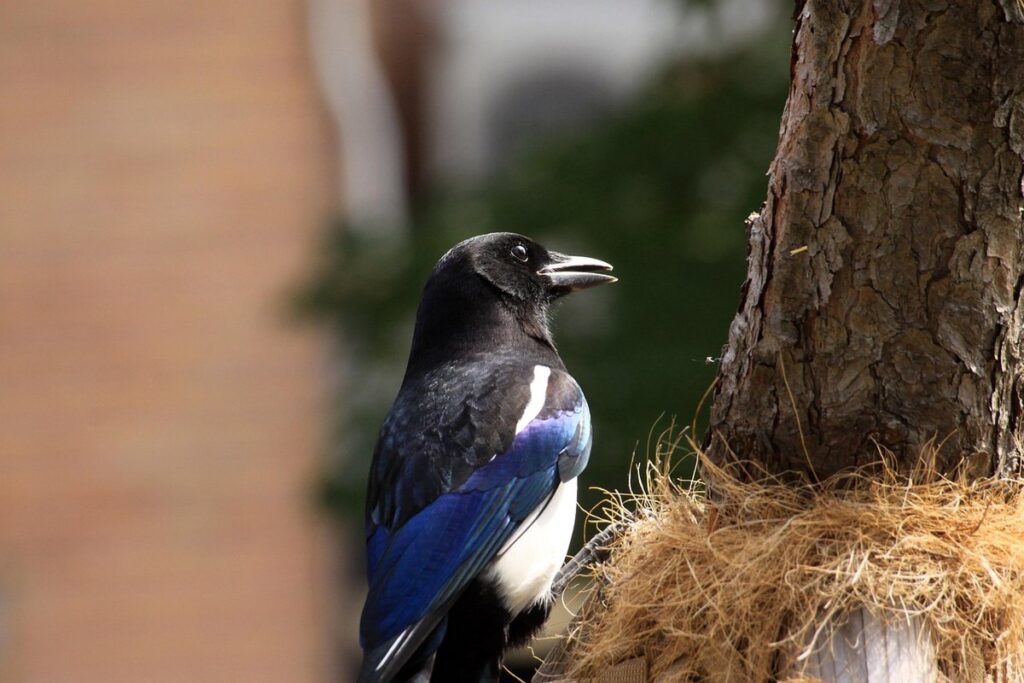
Introduction to Poultry Biology
Welcome to the world of poultry biology, where we’ll delve into the fascinating realm of avian anatomy and physiology. In this section, you’ll discover the intricacies of a bird’s body.
Importance of Studying Poultry Biology
Understanding poultry biology is crucial for various industries that rely on animal husbandry, agriculture, and food production. When you grasp the intricacies of avian anatomy and physiology, you can better manage and care for poultry, leading to increased productivity, efficiency, and profitability.
For instance, understanding the reproductive cycle of hens can help you optimize egg-laying rates, while knowledge about broiler growth patterns enables more accurate feeding schedules and housing conditions. Moreover, recognizing the symptoms of common diseases like avian influenza or Newcastle disease allows prompt intervention, reducing losses and the spread of infection.
Studying poultry biology also equips you with a deeper appreciation for animal welfare and environmental sustainability. By understanding how to maintain optimal living conditions, reduce waste, and implement efficient feeding practices, you can contribute to a more responsible and eco-friendly food production system. Whether you’re an aspiring farmer, a seasoned veterinarian, or simply a curious individual interested in poultry care, grasping the biology of these fascinating birds will open doors to new knowledge, insights, and opportunities for improvement.
Brief Overview of Poultry Species
Poultry species are incredibly diverse, with various breeds developed for distinct characteristics. Domesticated chickens (Gallus gallus domesticus) are one of the most widely kept birds globally, with over 100 recognized breeds differing in size, plumage, and egg-laying abilities. Turkeys (Meleagris gallopavo), on the other hand, are prized for their rich flavor and large size, while ducks (Anas platyrhynchos) and geese (Anser anser) offer a range of flavors and textures.
Game birds like quails, pheasants, and partridges are also popular among poultry enthusiasts. Each species has unique requirements and adaptations that make them suited to specific climates and purposes. For instance, ducks are excellent foragers and can thrive in wet environments, while geese are known for their impressive migratory abilities.
Understanding the differences between these species is crucial when considering poultry farming or backyard keeping. By choosing breeds that fit your climate, available space, and desired outcomes, you can create a successful and sustainable poultry operation. When selecting breeds, consider factors like egg production, meat quality, feathering, and adaptability to ensure the best possible outcome for your specific needs.
Avian Anatomy
Let’s dive into the fascinating world of avian anatomy, where you’ll learn about the unique skeletal and muscular systems that make up a bird’s body. We’ll explore their feathers, beaks, and other distinctive features.
Skeletal System of Birds
The avian skeletal system is one of the most fascinating and unique features of birds. Unlike mammals, whose bones are dense and solid, bird skeletons are made up of hollow bones that provide several advantages. These lightweight yet strong bones allow for greater mobility and flexibility, enabling birds to fly with incredible agility and precision.
One distinctive feature of the avian skeletal system is the keel bone, also known as the sternum. This flat, fused bone serves as an anchor point for the powerful pectoral muscles that facilitate flight. In fact, the size and shape of the keel bone can be a good indicator of a bird’s flying ability and endurance.
The wing bones themselves are another remarkable aspect of avian anatomy. Comprising three long bones – the humerus, radius, and ulna – they form a lightweight yet robust framework that enables birds to soar through the skies with ease. The unique structure of these bones allows for a wide range of motion, permitting birds to flap their wings and generate lift.
Understanding the skeletal system of birds can be beneficial in various contexts, such as improving poultry breeding programs or designing more effective bird enclosures. By recognizing the importance of lightweight yet strong skeletons, farmers and conservationists can work towards creating healthier and more resilient bird populations.
Respiratory System in Poultry
Birds breathe in a unique way that is different from mammals. To understand this process, let’s start with the respiratory tract. The trachea (windpipe) is the tube that carries air from the lungs to the mouth and nostrils. However, unlike mammals, birds have a syrinx, which is a vocal organ located at the base of the trachea. This allows them to produce their distinctive sounds.
The lungs themselves are also different from those found in mammals. They are more compact and consist of two primary bronchi that branch out into smaller airways. The most significant difference between avian and mammalian respiratory systems is the presence of air sacs. These are paired organs located throughout the bird’s body, including the head, neck, and abdomen. Air sacs help reduce the bird’s weight by storing oxygen, allowing for lighter skeletons and more efficient flight.
Understanding how birds breathe can be crucial in managing poultry health.
Circulatory System in Birds
When it comes to understanding the biology of poultry, delving into the circulatory system is essential. Birds, being a unique group, exhibit distinct differences from both mammals and reptiles when it comes to their cardiovascular system.
One key difference lies in the absence of a diaphragm in birds. This means that their respiratory and circulatory systems work together closely to ensure efficient oxygenation of blood. The heart itself is also modified, with four chambers instead of three, allowing for more efficient pumping of blood throughout the body.
In contrast to mammals, where arteries branch off directly from the heart, birds have a single main artery that branches into smaller vessels. This allows for increased flexibility and ease in movement, as well as reduced energy expenditure during flight. The circulatory system’s efficiency is also enhanced by the use of air sacs, which provide oxygenation to the blood before it reaches the lungs.
Understanding these differences can help poultry farmers optimize breeding programs to improve overall health and productivity in their flocks.
Avian Digestive System
Let’s take a closer look at how birds process food, as their unique digestive system plays a crucial role in their survival and overall health. From beaks to intestines, we’ll explore it all.
Mouth, Throat, and Esophagus
The avian mouth, throat, and esophagus are unique structures that play crucial roles in the digestion of food in poultry. The beak, a hard, keratin-based structure, serves as a vital tool for foraging, eating, and manipulating food. In birds, the beak is shaped to suit their specific dietary needs; for example, seed-eating birds have strong, pointed beaks, while grain-eating birds have broader, more rounded beaks.
The throat, or pharynx, is a narrow passageway that connects the mouth to the esophagus. It’s lined with smooth muscles and connective tissue, allowing it to constrict and relax during swallowing. This ensures that food passes efficiently into the esophagus without entering the lungs.
The crop, a pouch-like structure located at the base of the throat, stores and softens food before passing it to the gizzard for grinding. In some bird species, the crop can expand significantly to accommodate large meals or store food overnight. Understanding these intricate structures is essential for providing optimal care and nutrition for your poultry flock.
Gastrointestinal Tract in Poultry
Birds have evolved a unique digestive system that allows them to efficiently break down and extract nutrients from their diet. The gastrointestinal tract plays a crucial role in this process, starting with the stomach. Located just below the gizzard, the stomach is a muscular sac that secretes digestive enzymes to break down proteins and fats. In poultry, the stomach is divided into two compartments: the proventriculus and the ventriculus.
The small intestine, also known as the duodenum, jejunum, and ileum, is where most of our nutrient absorption takes place. The walls of the small intestine are lined with finger-like projections called villi, which increase the surface area for absorption. In poultry, the small intestine is longer than in mammals, allowing for greater exposure to digestive enzymes.
The large intestine, or caecum, is responsible for absorbing water and electrolytes from undigested food matter. It’s also where gut flora play a crucial role in fermenting certain nutrients. Understanding how birds digest their food can help poultry farmers optimize feeding practices, improving overall health and productivity of their flocks. By providing the right balance of nutrients and maintaining a healthy gut microbiome, farmers can reduce stress on the digestive system and promote efficient nutrient utilization.
Pancreas and Liver Function in Birds
When it comes to avian digestion and metabolism, two vital organs play crucial roles: the pancreas and liver. These organs work together to break down nutrients, regulate blood sugar levels, and support overall health in birds.
The pancreas is responsible for producing digestive enzymes that help break down carbohydrates, proteins, and fats into smaller molecules that can be absorbed by the body. In birds, these enzymes are secreted into the small intestine, where they play a critical role in nutrient absorption. For example, amylase breaks down starches from grains into simple sugars, while lipase helps to emulsify fats from seeds and nuts.
The liver, on the other hand, filters toxins from the blood and regulates metabolism by storing glycogen (a complex carbohydrate) for energy release. In birds, the liver is also responsible for processing bilirubin, a pigment produced during hemoglobin breakdown. A malfunctioning liver can lead to problems such as jaundice or fatty liver disease.
Maintaining healthy pancreas and liver function in poultry requires a balanced diet rich in essential nutrients, regular veterinary check-ups, and a clean living environment.
Avian Nervous System
The avian nervous system is a highly specialized and efficient network that allows birds to react quickly and adapt to their environment. In this section, we’ll delve into its unique features and functions.
Brain Structure and Function
The avian brain is a remarkable organ that enables poultry to adapt, learn, and navigate their environment with incredible agility. One of the most distinctive features of the avian brain is its relatively small size compared to body weight, yet it’s packed with complex neural networks and intricate structures. The cerebrum, which accounts for 40% of the total brain mass, is divided into distinct regions responsible for different functions.
The telencephalon, a part of the cerebrum, plays a crucial role in processing sensory information and controlling movements. It contains two hemispheres that work together to integrate information from various senses, such as vision, hearing, and smell. The thalamus acts as a relay station, transmitting sensory data to the appropriate regions for further processing.
In addition to the cerebrum, the cerebellum is located at the base of the brain and coordinates motor movements, balance, and posture. It’s particularly well-developed in birds that require precise flight control and agility, such as songbirds and raptors. The brainstem connects the cerebrum to the spinal cord, regulating basic functions like breathing, heart rate, and blood pressure.
Understanding these unique features of the avian brain is essential for poultry enthusiasts and researchers alike, providing valuable insights into the cognitive abilities, behavioral patterns, and physiological responses of birds.
Spinal Cord and Peripheral Nerves in Poultry
In poultry, nerve signals are transmitted through the nervous system, which consists of both central and peripheral components. The spinal cord acts as a critical relay station for these signals, facilitating communication between the brain and various parts of the body. Similar to humans, birds have a complex network of peripheral nerves that branch out from the spinal cord, connecting with sensory receptors and muscles.
These peripheral nerves enable birds to respond to their environment through reflex actions, such as withdrawing a leg when it’s threatened or stimulated. The sciatic nerve, for example, is responsible for controlling movement in the legs. In terms of poultry production, understanding the function of the peripheral nervous system can inform practices related to bird handling and husbandry.
The autonomic nervous system also plays a role in regulating various bodily functions, including heart rate and digestion, ensuring that birds’ physiological needs are met efficiently. By grasping how nerve signals are transmitted within the avian body, poultry professionals can better appreciate the intricate mechanisms at play, leading to more informed decision-making in their work.
Avian Reproductive System
Let’s dive into the fascinating world of avian reproduction, where birds develop and lay eggs through a unique and complex process. This system is crucial for poultry species to thrive.
Male and Female Reproductive Organs
When it comes to avian reproductive anatomy, both males and females have unique organs that play crucial roles in egg production and fertilization. In male birds, the testes are responsible for producing sperm cells, which then travel through the vas deferens to the cloaca, where they can be stored or released during mating.
Female birds, on the other hand, have ovaries that produce eggs, which then pass through the oviducts. The oviduct is a muscular tube that stretches from the ovary to the vent (cloaca), and it’s here that the egg undergoes further development and maturation. The infundibulum, a funnel-shaped section of the oviduct, collects the eggs from the ovaries.
The magnum, another part of the oviduct, is responsible for adding the outer layer to the egg, while the uterus or shell gland produces the eggshell. Finally, the vagina or vent canal stores the fully formed egg until it’s laid. Understanding these reproductive organs and their functions can help poultry breeders and owners better care for their birds.
Breeding and Fertility in Poultry
When it comes to poultry breeding, fertility, and hatchability, several factors come into play. Genetics is a crucial aspect, with breed selection being a deliberate process aimed at improving desirable traits such as egg production, meat quality, or growth rate.
Nutrition plays a vital role in maintaining optimal reproductive health. A well-balanced diet rich in energy, protein, and essential micronutrients supports hormone regulation and overall bodily functions necessary for successful breeding. For instance, adequate levels of vitamin E have been shown to enhance fertility in broiler breeders.
Environmental conditions also significantly impact poultry reproduction. Temperature extremes can negatively affect fertility, with optimal ranges typically between 64°F and 75°F (18°C and 24°C). Light exposure is another critical factor; a photoperiod of 14 hours of light and 10 hours of darkness promotes breeding activity in many bird species.
Poor management practices, such as inadequate ventilation or overcrowding, can also compromise reproductive success. In contrast, well-managed facilities with attention to these key factors contribute to improved fertility rates, better hatchability, and ultimately healthier birds.
Stress and Disease in Poultry
When it comes to poultry health, stress can have a significant impact on an animal’s susceptibility to disease. Let’s explore how stress affects disease in poultry and what factors contribute to this delicate balance.
Stress Factors in Poultry Production
Stress is a significant factor influencing poultry health, affecting their immune system, growth rate, and overall well-being. Environmental stressors such as temperature fluctuations, humidity, and noise levels can cause birds to become anxious and stressed. For instance, sudden changes in temperature can lead to heat stress, which can be fatal if not managed properly.
Social stress is also a concern in poultry production, particularly when it comes to overcrowding, competition for resources, and hierarchy establishment among birds. Some breeds are more prone to social stress due to their aggressive nature or dominance behaviors.
Nutritional stressors include inadequate feed quality, nutritional deficiencies, and food scarcity. Birds may experience stress if they don’t have access to a balanced diet that meets their nutritional requirements. Factors like feed composition, water availability, and sanitation can also contribute to nutritional stress in poultry. To mitigate these factors, producers should ensure birds are provided with clean water, adequate shelter, and a well-formulated feed.
Proper ventilation systems, temperature control, and adequate space per bird can help minimize environmental stress. Implementing enrichment activities, managing social hierarchy through selective breeding or behavioral modification techniques, and monitoring nutritional intake can also help reduce social and nutritional stressors in poultry production.
Common Diseases Affecting Poultry
Poultry production is susceptible to various diseases that can have significant economic impacts on farms. Infectious conditions such as Newcastle disease and avian influenza are major concerns due to their high mortality rates and potential for rapid spread among flocks. These viral diseases often require immediate attention from veterinarians, emphasizing the importance of vaccination programs.
Non-infectious conditions also pose significant challenges in poultry production. For instance, ascites is a condition caused by pulmonary hypertension that affects broilers under stressful conditions. Other non-infectious issues include nutritional deficiencies and imbalances, which can lead to problems such as leg disorders or reproductive issues. Regular monitoring of flock health, proper sanitation practices, and adherence to biosecurity protocols are essential for mitigating disease risk.
To maintain optimal poultry health, producers should implement integrated management strategies that address the physical and biological factors influencing animal welfare and productivity. This includes providing adequate housing conditions, ensuring nutritionally balanced diets, and controlling stress through proper handling and management techniques. By acknowledging the complexities of avian diseases, farmers can develop targeted interventions to safeguard their flock’s well-being.
Conclusion: Applying Poultry Biology Knowledge
In conclusion, understanding poultry biology is essential for anyone involved in the poultry industry. By grasping the intricacies of avian anatomy and physiology, you can make informed decisions that impact animal welfare, productivity, and sustainability. For example, knowing how to recognize signs of heat stress or respiratory problems can help you take proactive measures to prevent disease outbreaks. Similarly, understanding the digestive system of poultry can inform better feeding strategies, leading to improved growth rates and reduced environmental impact.
As you continue on your journey in poultry biology, remember that practical application is key. Take the knowledge you’ve gained and apply it to real-world scenarios – whether it’s a small backyard flock or a large commercial operation. By doing so, you’ll be better equipped to make decisions that benefit both the birds and the environment.
Frequently Asked Questions
How do I apply the knowledge of poultry biology to improve my farm’s productivity?
By understanding avian anatomy, physiology, and reproductive systems, you can optimize breeding programs, reduce stress factors, and prevent common diseases. For example, identifying optimal feeding schedules and environmental conditions based on your flock’s specific needs can boost egg production or meat quality.
What are some common challenges poultry farmers face when introducing new breeds or species to their flocks?
Introducing new breeds or species can be challenging due to differences in reproductive systems, disease susceptibility, or nutritional requirements. To minimize risks, conduct thorough research on the target breed’s specific needs and adapt your farm’s management practices accordingly.
How do I identify stress factors in my poultry operation that might impact animal welfare and productivity?
Stress factors can be subtle but critical to address. Look for signs of stress such as changes in behavior, appetite, or production rates. Identify potential sources like overcrowding, poor ventilation, or inadequate lighting, and implement measures to mitigate these issues.
Can I use poultry biology knowledge to develop targeted health programs for specific bird species?
Yes, understanding the unique health needs of different bird species can inform the development of tailored health programs. By recognizing the distinct disease profiles and susceptibility patterns of various breeds, you can create effective vaccination schedules, monitoring systems, and treatment protocols.
How do I balance the need for data-driven decision-making with the complexity of avian biology?
While poultry biology is a rich field, it’s not necessary to become an expert in every area. Focus on identifying key metrics that indicate animal health and productivity, such as egg weight, feed conversion ratios, or mortality rates. Use these indicators to inform your management decisions, rather than trying to understand the intricacies of avian physiology.