
Hamburg chickens have been a staple in poultry farming for centuries, but have you ever wondered where they came from? These iconic birds have a rich history that spans over 200 years, originating from Germany and making their way around the world. As demand for affordable meat continues to rise, large-scale poultry production has become a major industry. But at what cost? From farm to table, the journey of hamburg chicken is complex, involving intricate networks of supply chains, environmental concerns, and animal welfare debates. In this article, we’ll delve into the fascinating world of poultry farming, exploring the past, present, and future of hamburg chickens and their place in modern agriculture. By examining both sides of the story, we’ll uncover the truth behind large-scale production methods and what they mean for our environment, animals, and food system.
What is Poultry?
So, what exactly does the term “poultry” refer to? In simple terms, poultry encompasses a wide range of domesticated birds raised for meat and eggs.
Definition and Scope
Poultry refers to domesticated birds raised for their meat, eggs, and feathers. This broad category encompasses various types of birds, including chickens, turkeys, ducks, geese, and even quails and pigeons. These birds play a vital role in the food industry, providing a significant source of protein for human consumption.
In fact, poultry is one of the largest segments of the meat industry globally, accounting for nearly 30% of total meat production. According to the Food and Agriculture Organization (FAO), over 1.4 billion people worldwide rely on poultry as their primary source of animal protein. The importance of poultry in the food industry lies not only in its nutritional value but also in its versatility.
Poultry is used in a wide range of products, from whole birds and processed meats to eggs and dairy alternatives. Its use extends beyond traditional meat dishes, with many modern recipes incorporating chicken or turkey as a key ingredient. The rise of plant-based diets has also led to an increased demand for poultry-free alternatives, but conventionally raised poultry remains a staple in the global food landscape.
The industry is constantly evolving, driven by consumer preferences and changing environmental regulations. As a result, many producers are shifting towards more sustainable practices, such as free-range or organic farming methods. For consumers, understanding where their meat comes from is crucial to making informed choices about their health and the environment.
History of Poultry Farming
Poultry farming has a rich history that spans thousands of years. The origins of poultry farming date back to ancient civilizations in Egypt, China, and Greece, where chickens were domesticated for their meat, eggs, and feathers. In these early societies, poultry was considered a luxury food item due to its high nutritional value and ease of production.
As agriculture evolved over time, so did the methods of poultry farming. In the 19th century, the industrial revolution brought significant changes to the industry with the introduction of mechanized farming equipment, improved breeds, and specialized feed. This led to an increase in poultry production, making meat and eggs more accessible to the general population.
Some key milestones in the history of poultry production include:
• The development of modern chicken breeds such as Leghorns and Plymouth Rock
• The invention of battery cages in the early 20th century, which enabled mass-scale egg production
• The introduction of broiler chickens for meat production, leading to a significant increase in global poultry consumption
Today, poultry farming is a multi-billion dollar industry worldwide, with various countries specializing in different types of poultry products.
Hamburg Poultry: Origins and Characteristics
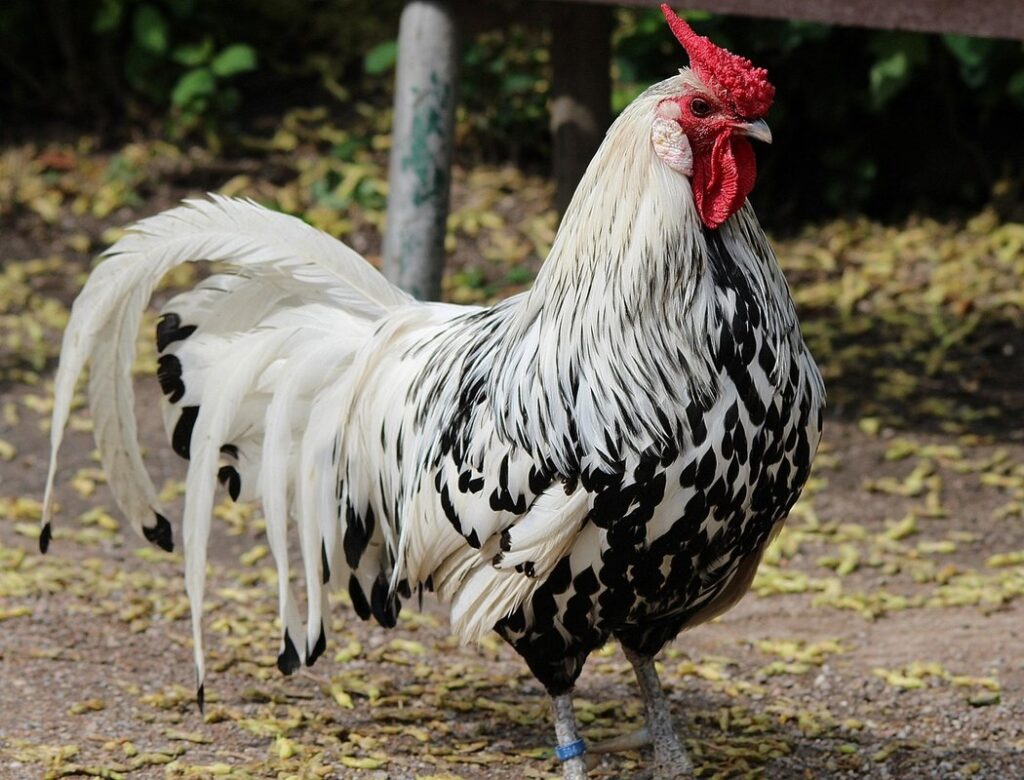
Hamburg poultry, a unique breed from Germany, has a fascinating history and distinctive characteristics that set it apart from other types of chicken. Let’s explore its origins and traits in more detail.
The Story of Hamburg Chicken
The story of Hamburg chicken begins in 19th-century Germany, where it was first bred as a workhorse for small farms. Developed from a mix of other breeds, the Hamburg’s distinctive appearance and robust constitution made it an ideal choice for farmers who needed a reliable layer that could thrive on limited resources.
One of the most notable characteristics of the Hamburg breed is its egg-laying ability. Hens can produce up to 200 large, brown eggs per year, making them a popular choice for backyard poultry keepers. In commercial settings, their reliability and moderate production rates make them an attractive option for small-scale egg farms.
In terms of uses, the Hamburg’s versatility shines. They’re well-suited for both free-range and confinement systems, making them adaptable to various farm management practices. Their compact size also makes them a great choice for smaller properties or those with limited space. Whether you’re a seasoned farmer or just starting out, understanding the unique qualities of the Hamburg chicken breed can help you make informed decisions about your poultry operation.
If you’re considering adding Hamburg chickens to your flock, be sure to research reputable breeders and ensure you’re purchasing birds from a healthy stock. With proper care and management, these hardy hens will reward you with years of reliable egg production and enjoyment.
Advantages and Disadvantages
Raising Hamburg chickens can be a rewarding experience for backyard farmers and small-scale producers. On the one hand, these birds are known for their friendly temperament, making them an excellent choice for families with children or for those who want to integrate their poultry into their daily lives.
Their egg-laying abilities are another significant advantage. Hamburg hens are prolific layers, producing an average of 280-300 large brown eggs per year. This is particularly beneficial for households that rely on their own eggs as a primary source of nutrition.
However, one potential drawback is their disease susceptibility. Hamburg chickens can be more prone to certain health issues compared to other breeds, such as Marek’s disease and avian influenza. To mitigate this risk, regular vaccinations and strict biosecurity measures are essential.
It’s also worth noting that Hamburg roosters can be quite vocal, so if you live in a residential area or have noise restrictions, this might not be the best choice for you. On balance, however, the benefits of raising Hamburg chickens often outweigh the drawbacks, particularly for those who value their friendly nature and high egg production.
Understanding Poultry Production
Poultry production involves raising and caring for chickens, turkeys, ducks, and other birds for meat, eggs, and feathers. Let’s dive into the details of how these birds are raised and what it takes to get them from farm to table.
Large-Scale vs Small-Scale Production
When it comes to poultry production, two main approaches exist: large-scale industrial farming and small-scale backyard farming. While both methods have their advantages, they also come with significant differences.
Large-scale industrial poultry production is often associated with high efficiency and low costs. These farms can produce hundreds of thousands of birds per day, making them a significant contributor to the global food supply. However, this approach comes with its own set of drawbacks. For instance, industrial farms are often linked to animal welfare concerns, environmental degradation, and public health risks due to antibiotic overuse.
On the other hand, small-scale backyard farming offers a more sustainable alternative. These farms prioritize animal welfare, use natural methods for pest control and disease prevention, and promote biodiversity. While production volumes may be lower, the benefits to the environment and local communities are substantial. If you’re considering starting your own small-scale poultry farm, research local regulations regarding chicken keeping and start with a few birds to test your skills before scaling up.
In many developing countries, large-scale industrial farms are becoming increasingly common due to their ability to provide cheap protein for growing populations. However, small-scale farming remains an essential part of rural economies, providing food security and income opportunities for families.
Key Factors in Poultry Production
When it comes to successful poultry production, several key factors come into play. Nutrition is one of the most critical aspects, as a balanced diet can significantly impact the health and productivity of your birds. Ensure that you provide high-quality feed that meets the nutritional needs of your flock, taking into account factors such as age, breed, and climate.
Proper health management is also vital to maintaining a healthy flock. This includes regular vaccinations, monitoring for diseases, and implementing biosecurity measures to prevent the spread of illness. Additionally, providing a clean and hygienic living environment can help reduce the risk of disease and promote overall well-being.
Environmental considerations are also essential in poultry production. Factors such as temperature, humidity, and air quality can all impact the health and productivity of your birds. Providing adequate ventilation, maintaining optimal temperatures, and ensuring access to fresh water are all crucial aspects of environmental management. By paying attention to these key factors, you can help ensure a successful and sustainable poultry operation.
Chicken: The Most Widely Consumed Poultry Meat
When it comes to poultry meat, there’s one star that shines brighter than all others – chicken. Let’s take a closer look at why this bird is the most widely consumed poultry meat globally.
Global Consumption Patterns
When it comes to global consumption patterns of chicken meat, there’s a fascinating diversity that showcases the complexities of culinary cultures. Regional variations play a significant role in shaping eating habits, with different parts of the world having their unique preferences.
For instance, in Asia, countries like China and Japan have a distinct fondness for chicken-based dishes such as Kung Pao chicken and teriyaki chicken respectively. In Europe, particularly in Mediterranean countries like Greece and Italy, grilled chicken is a staple often paired with local herbs and spices. The cultural influence on eating habits can be seen in how different societies prepare and consume chicken.
Interestingly, the global average for per capita consumption of poultry meat has been steadily increasing over the years. According to data from the Food and Agriculture Organization (FAO), this rise is attributed largely to the growth in demand for chicken in emerging markets like Brazil, India, and Southeast Asia. These countries have witnessed significant shifts towards more processed and convenient food options, including ready-to-cook chicken dishes.
Understanding these global consumption patterns can help poultry producers tailor their products to local tastes while also providing valuable insights for chefs and cooks looking to incorporate international flavors into their recipes.
Nutrition and Health Considerations
When it comes to nutrition and health considerations with chicken meat, there’s both good news and cautionary tales. Let’s start with the benefits: lean protein, vitamins B6 and niacin, and minerals like phosphorus and selenium are all found in higher concentrations in poultry than in red meats. A 3-ounce serving of cooked chicken provides about 26 grams of protein, making it an excellent choice for those looking to boost their protein intake.
However, there’s also been research linking high consumption of processed and cooked chicken to increased risk of certain health conditions, such as colorectal cancer and type 2 diabetes. Studies have found that cooking methods like frying or grilling can lead to the formation of potentially carcinogenic compounds. The American Cancer Society recommends avoiding or limiting processed meats, including poultry products that contain added preservatives.
To balance the benefits with potential risks, consider these guidelines: opt for organic, free-range, and pasture-raised chicken when possible; cook methods like roasting, steaming, or poaching are healthier than frying; and limit portion sizes to avoid overconsumption. By making informed choices about how you consume chicken, you can enjoy the nutritional benefits while minimizing potential risks.
The Role of Antibiotics in Poultry Production
Antibiotics play a crucial role in poultry production, and their use has significant implications for both human health and the environment. Let’s explore how antibiotics are used in chicken farming.
Controversy Surrounding Antibiotic Use
The use of antibiotics in poultry production has been a topic of controversy for years. As consumers become increasingly aware of the potential risks associated with antibiotic-resistant bacteria, many are calling for stricter regulations on their use in agriculture. But what exactly is the issue?
One major concern is the development of antibiotic resistance. When antibiotics are used extensively in animal feed, it can lead to the growth of resistant bacteria that can be transferred to humans through contaminated food or water. This has serious implications for public health, as antibiotic-resistant infections can be much harder to treat and may even require new, more expensive treatments.
Additionally, some argue that the widespread use of antibiotics in poultry production is also a welfare issue. By masking illness rather than addressing it, farmers may inadvertently perpetuate poor living conditions and promote disease susceptibility among their birds. As consumers, we have the power to demand better from our food system – by choosing antibiotic-free or organic options whenever possible, we can help drive change towards more sustainable and responsible agricultural practices.
Alternative Methods for Disease Prevention
Disease prevention is a critical aspect of poultry production, and antibiotics are often over-relied upon. However, there are alternative methods that can be just as effective. Vaccination, for instance, has become increasingly popular among poultry farmers. By introducing vaccines to the flock at a young age, farmers can boost their immune systems and prevent diseases from taking hold.
Biosecurity measures also play a crucial role in disease prevention. This includes everything from regular cleaning and disinfection of coops to implementing strict visitor protocols. Some farms have even gone so far as to install air filtration systems that remove pathogens from the air. Improved ventilation, on the other hand, can help reduce ammonia levels and create an overall healthier environment for the birds.
In addition to these measures, many farmers are now incorporating probiotics into their feeding regimens. These beneficial bacteria can help promote a healthy gut microbiome in the birds, reducing the risk of disease and improving overall health. By adopting these alternative methods, poultry farmers can reduce their reliance on antibiotics and create a healthier environment for their flocks.
Environmental Impact of Poultry Farming
As we explore the world of poultry, it’s essential to consider the environmental impact of large-scale farming operations and how they affect our planet. From water pollution to greenhouse gas emissions, we’ll examine the effects in this section.
Greenhouse Gas Emissions
Poultry farming is a significant contributor to greenhouse gas emissions, water pollution, and land use changes. It’s estimated that livestock agriculture, including poultry, accounts for around 14.5% of global GHG emissions, with the majority coming from the production of beef and lamb.
The main source of emissions in poultry farming comes from manure decomposition, which releases methane, a potent greenhouse gas. In addition, the energy required to power farms, transport feed and animals, and process meat also contributes to emissions. Water pollution is another major concern, as large quantities of manure can contaminate nearby water sources.
To reduce these impacts, many farmers are adopting more sustainable practices, such as using renewable energy sources and implementing efficient irrigation systems. Some farms are also exploring alternative uses for manure, like biogas production or nutrient-rich fertilizers. Consumers can also play a role by choosing chicken from producers who prioritize environmental stewardship and purchasing meat that is certified to have lower carbon footprints.
When shopping for chicken, look for labels like “Animal Welfare Approved” or “Certified Humane,” which often indicate better treatment of animals and more sustainable farming practices. By supporting environmentally conscious poultry farmers, consumers can help mitigate the negative impacts of the industry while still enjoying their favorite protein source.
Sustainable Practices in Poultry Production
As we explore the environmental impact of poultry farming, it’s essential to discuss sustainable practices that can make a significant difference. Organic and free-range farming methods are gaining popularity due to their potential to reduce the industry’s ecological footprint.
Organic farming involves avoiding synthetic fertilizers and pesticides in feed and using natural methods to control pests. This approach not only reduces chemical usage but also promotes soil health, biodiversity, and efficient water use. For instance, organic farms often use crop rotation techniques that improve nutrient cycling and reduce erosion. The resulting products are healthier for consumers, as they contain fewer antibiotics and no added growth hormones.
Free-range farming is another sustainable practice where birds have access to the outdoors, allowing them to engage in natural behaviors like foraging and exercise. This reduces stress and promotes better health, leading to lower mortality rates and reduced antibiotic use. Some farmers implement rotational grazing systems that mimic wild bird behavior, enhancing pasture biodiversity and soil fertility.
By incorporating these practices into their operations, poultry producers can contribute to a more sustainable future for the industry. Consumers also play a crucial role by choosing products from farms that adopt environmentally friendly methods. When shopping for poultry, look for labels like “Certified Organic” or “Free-Range” to support sustainable farming practices.
Frequently Asked Questions
What are the biggest environmental concerns associated with large-scale poultry production?
Large-scale poultry farming is a significant contributor to greenhouse gas emissions, deforestation, water pollution, and habitat destruction. The use of fossil fuels for heating and transportation, as well as the release of methane from manure, contribute to climate change. Moreover, the clearing of land for feed crops and pastures can lead to soil erosion and loss of biodiversity.
Can small-scale poultry farming be more sustainable than large-scale production?
Yes, small-scale poultry farming can be more environmentally friendly due to lower energy consumption, reduced waste generation, and better animal welfare conditions. However, it often relies on intensive methods to maintain efficiency, which may not completely offset the environmental impact.
How can I ensure humane treatment of chickens in my own backyard flock or farm?
To prioritize chicken welfare, provide a stress-free environment with adequate space, clean water, and nutritious feed. Ensure regular veterinary check-ups and implement biosecurity measures to prevent disease. Also, promote slow-growth breeds that mature at a slower rate, reducing the need for antibiotics.
What are some alternative methods for preventing disease in poultry?
Alternative methods include using probiotics, prebiotics, and essential oils to boost immune systems and reduce antibiotic use. Vaccination programs can also be implemented under the guidance of a veterinarian. Moreover, improving farm hygiene, ventilation, and biosecurity measures can help prevent disease outbreaks.
Can I still raise hamburg chickens for meat if I’m concerned about antibiotics in poultry production?
Yes, you can opt for antibiotic-free or low-antibiotic farming methods by using alternative treatments like phytobiotics (plant-based compounds) to promote health. Research local farms that adopt these practices and consider supporting them to encourage more sustainable agriculture.