
As a backyard poultry enthusiast or seasoned farmer, you’re likely familiar with the term “poults” but may not be entirely sure what sets them apart from chicks. While both terms refer to young birds raised for meat or egg production, there are distinct differences in their growth rates, nutritional needs, behavior, and health considerations. Understanding these key differences is crucial for providing optimal care and development for your poultry. In this article, we’ll delve into the specifics of poults vs chicks, exploring how they compare in terms of feeding requirements, growth potential, and overall well-being. By learning more about the unique needs of each stage of development, you’ll be better equipped to raise healthy, happy birds that thrive under your care.
What are Poults and Chicks?
Let’s start by defining these two terms: poults and chicks, which can be a bit confusing for beginners in raising young poultry. We’ll break down the key differences between them.
Definition and Purpose
When it comes to poultry farming, you may have come across terms like “poults” and “chicks,” but do you know what they mean? In simple terms, poults and chicks are both young birds, but they belong to different stages of development.
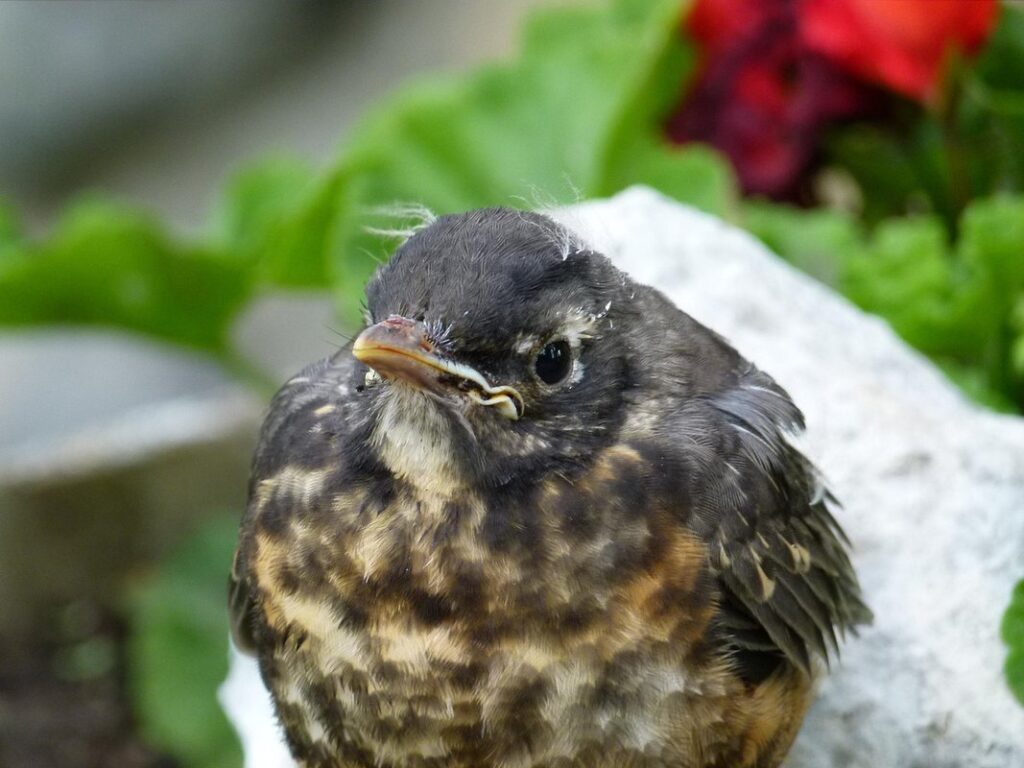
A chick is a young bird that has just hatched from an egg. Chicks are typically between 0-8 weeks old and are characterized by their soft, downy feathers, beak, and legs. They rely heavily on their mother for warmth, food, and protection during this critical stage of growth. As chicks grow, they begin to lose their baby feathers and develop adult plumage.
Poults, on the other hand, are young turkeys that have hatched from eggs. Poults are similar to chicks in terms of age (0-8 weeks old) but belong to a different species. Like chicks, poults also rely on their mother for care and protection during this vulnerable stage of development. However, it’s worth noting that some farms may refer to young turkeys as “poults” even after they’ve left the nest.
It’s essential to understand the difference between poults and chicks when raising poultry, as each species has unique needs and requirements for growth and development.
Types of Chickens that Hatch as Poults or Chicks
When it comes to choosing the right chicken breed for your farm or backyard, understanding whether they hatch as poults or chicks is crucial. Not all breeds are created equal when it comes to their developmental stages. Let’s take a look at some popular breeds that fall into each category.
Breeders who hatch poults, such as those from turkey and guinea fowl families, typically grow faster than chickens hatched as chicks. For example, Heritage breed turkeys can reach maturity in just 20-24 weeks, whereas commercial chicken breeds may take around 18-20 weeks to mature. However, poults often require more specialized care due to their larger size and increased nutritional needs.
On the other hand, some popular backyard chicken breeds like Leghorns, Rhode Island Reds, and Plymouth Rocks hatch as chicks. These birds tend to have a slower growth rate than their poult counterparts but are still relatively fast-growing. Keep in mind that some breeds may overlap between the two categories or exhibit unique characteristics depending on the specific line or breeding. Researching your chosen breed is essential to determine whether they fall into one category or the other.
When selecting chicken breeds, it’s vital to consider factors like growth rate, egg production, and temperament to ensure you’re getting a bird that meets your needs and lifestyle. Always consult with reputable breeders and experts to get accurate information about specific breeds.
Physical Differences Between Poults and Chicks
When it comes to baby chickens, you might’ve noticed that poults and chicks look slightly different from one another, especially at a young age. Let’s take a closer look at their physical differences.
Size and Weight at Hatching
When it comes to size and weight at hatching, poults tend to be larger than chicks. On average, a newly hatched poult can weigh around 3-4 ounces (80-120 grams) compared to the chick’s 2-3 ounces (50-80 grams). In terms of length, poults are also slightly longer, measuring about 6-8 inches (15-20 cm) from beak to tail versus the chick’s 5-7 inches (12-18 cm).
These differences may seem minor, but they can have significant implications for brooding and care. For example, poults require more space to move around and exercise, so it’s essential to ensure their enclosure is large enough to accommodate their growing needs. Additionally, poults tend to be more aggressive at hatching, which means they may compete more intensely with their siblings for food and resources.
When caring for poults or chicks, it’s crucial to monitor their growth closely and adjust your brooding strategy accordingly. Keep in mind that larger birds require more nutrients and calories to sustain their development, so be sure to provide a balanced diet rich in protein and energy. By understanding the unique characteristics of each species at hatching, you can better support their early development and set them up for success in the long run.
Feathers and Plumage
When it comes to poults and chicks, one of the most noticeable differences lies in their feathering and plumage development. While both young birds start out looking relatively alike, poults tend to develop feathers more quickly and with greater density than chicks.
In fact, many breeds of chicken are able to grow a decent amount of fluff or soft feathers within the first few weeks of life, while chicks may still be nearly bald by this point. This difference in feathering can have significant implications for their comfort levels – poults will often be less sensitive to cold temperatures and drafts than chicks, who may struggle to regulate their body temperature.
As a result, if you’re raising either poults or chicks, it’s essential to consider their individual needs when it comes to housing and care. For example, poults can usually thrive in slightly cooler environments with adequate ventilation, while chicks will require warmer conditions with extra heat sources to stay cozy.
Nutritional Requirements of Poults vs Chicks
When it comes to feeding your young birds, their nutritional needs are crucial for healthy growth and development. Here’s a breakdown of the key differences between poults and chicks in terms of nutritional requirements.
Dietary Differences Based on Age and Development Stage
As poults transition from chick stage to adolescence, their nutritional requirements change significantly. This period of rapid growth requires a tailored diet that addresses specific nutrient needs for optimal development. One key difference is the increased demand for protein and energy. Poults require around 18-20% crude protein in their diet compared to chicks which can thrive on 15-17%. This higher protein content supports muscle growth, feather development, and bone maturation.
Additionally, poults need more calories due to their increasing body mass. Their dietary fat content should be adjusted accordingly to ensure adequate energy supply. A balanced ration for poults typically includes around 2-3% fat compared to chicks which require about 1.5-2%. Adequate calcium and phosphorus are also crucial during this period as they support bone growth and development.
As a poultry farmer or breeder, it’s essential to provide the right nutrient mix for your poults at different stages of their growth. A general rule of thumb is to adjust feed formulation every 4-6 weeks based on growth rates and age milestones. This allows you to meet their evolving nutritional needs effectively.
Water Intake and Hydration Needs
Maintaining optimal hydration levels is crucial for both poults and chicks to ensure their overall health and well-being. Adequate water intake supports digestion, waste elimination, and temperature regulation, all of which are essential for growth and development.
Chicks need access to clean drinking water at all times, especially during the first few weeks when they’re adjusting to their new environment. A good rule of thumb is to provide one chick per gallon of water in the initial stages. As poults grow and mature, they’ll require slightly less water per capita, but still a sufficient amount.
Tips for maintaining optimal hydration levels include:
• Ensuring multiple watering sources are available to prevent overcrowding
• Changing the water frequently to maintain quality and cleanliness
• Providing a shallow dish or plate for chicks to access water easily
• Offering electrolyte-rich feeds or supplements in severe cases of dehydration
Monitor your poults’ and chicks’ behavior closely, as changes in drinking habits can be an early indicator of hydration issues. By prioritizing adequate water intake and following these guidelines, you’ll help ensure a healthy start for your young birds.
Behavioral Differences Between Poults and Chicks
One of the most noticeable differences between poults and chicks is their behavior, which can vary significantly as they grow and develop. Let’s explore some of these key behavioral differences you need to know.
Broodiness in Poults vs Chicks
When it comes to behavior, one notable difference between poults and chicks is their approach to broodiness. Broodiness refers to the instinct to sit on eggs, a behavior that’s crucial for many bird species to incubate and hatch their young. However, this instinct can manifest differently in both poults and chicks.
Poults are more likely to exhibit intense broodiness from an early age, often starting as soon as they’re around 3-4 weeks old. This is because, unlike chicks, poults have been bred specifically for their egg-laying abilities. As a result, they develop strong maternal instincts much earlier in life. If left unattended, a broody pullet may stop eating and drinking, focusing solely on incubating eggs. To manage this behavior, it’s essential to provide a safe and suitable environment for your poults.
Chicks, on the other hand, tend to display broodiness later in their development, usually after they’ve reached maturity. While some breeds are more prone to broodiness than others, most chicks will begin to exhibit these behaviors when they’re around 20-24 weeks old.
Social Interaction Needs
When it comes to social interaction needs, poults and chicks exhibit distinct differences that can significantly impact flock dynamics. One notable difference is that poults tend to be more aggressive and dominant than chicks from a young age. This means they may establish themselves as leaders within the group earlier on.
As poults develop, their assertive nature often translates into a need for less direct social interaction with other birds. They prefer to observe and learn from others rather than engaging in constant socializing. On the other hand, chicks tend to be more curious and outgoing, requiring regular social interaction to feel comfortable and thrive.
In managed environments, it’s essential to recognize these differences when introducing poults or chicks to a flock. For example, it’s recommended to introduce poults to a mature flock gradually, allowing them time to establish their dominance without causing unnecessary stress or conflict. This approach can help minimize aggression and promote harmonious relationships within the group.
By understanding and catering to the unique social interaction needs of both poults and chicks, poultry farmers and breeders can create more balanced and stable flocks that result in improved overall health and productivity.
Health Considerations for Poults vs Chicks
When it comes to raising young poultry, understanding their unique health needs is crucial. Let’s dive into the key differences in health considerations between poults and chicks.
Disease Risks and Prevalence
When it comes to disease risks and prevalence, there are distinct differences between poults and chicks. Poults, being young turkeys, are more susceptible to diseases such as Blackhead Disease, which is a major concern in the turkey industry. This disease affects the intestinal tract and can be fatal if left untreated.
Chicks, on the other hand, are more prone to issues like coccidiosis, a parasitic infection that can cause diarrhea and weight loss. Both poults and chicks need to be vaccinated against these diseases, but it’s essential to administer the right vaccines at the correct age. A study by the USDA found that vaccination programs can reduce disease incidence by up to 90%.
To mitigate the risk of disease in your flock, make sure to maintain proper biosecurity measures, such as disinfecting equipment and separating new birds from existing ones. Monitor your birds’ health closely and consult a veterinarian if you notice any unusual behavior or symptoms. Regular vaccinations and health checks can go a long way in preventing disease outbreaks.
Vaccination Schedules
When it comes to vaccination schedules for poults versus chicks, there are key differences that need consideration. Poults, being day-old turkeys raised on farms, often receive a modified schedule due to their specific needs and health risks. For instance, they may require an initial vaccination against Marek’s disease at 0-1 days of age, followed by boosters at 14 and 28 days.
Chicks, on the other hand, typically follow a standard vaccination protocol that starts with an initial series of vaccinations including infectious bronchitis, Newcastle disease, and Mycoplasma gallisepticum. Timing is crucial; for example, vaccinating against infectious bronchitis before the birds reach 1-2 weeks of age helps prevent severe illness.
Key considerations when developing a vaccination schedule include the farm’s specific disease risk factors, the flock’s age and health status, and environmental conditions such as temperature and humidity. To optimize outcomes, it’s essential to work closely with your veterinarian or poultry specialist who can tailor the schedule to meet the unique needs of your operation. A well-structured vaccine program is vital for preventing and controlling common diseases in poults and chicks alike.
Frequently Asked Questions
What are the key differences between poults and chicks in terms of disease risks and prevalence?
While it’s true that young birds are more susceptible to diseases, poults tend to be more resistant to certain health issues due to their faster growth rate. However, this doesn’t mean they’re immune to all diseases. As a poultry owner, it’s essential to be aware of common health concerns specific to your flock and implement measures to prevent the spread of disease.
Can I raise poults and chicks together, or do they require separate care?
While it may seem convenient to keep both stages together, it’s recommended to separate them for optimal growth and development. Poults have different nutritional requirements than chicks, and their behavior and social interaction needs are distinct. By keeping them apart, you can ensure each group receives the best possible care.
How often should I check the water intake and hydration levels of my poults versus chicks?
Yes, it’s crucial to monitor the water intake and hydration levels of both poults and chicks regularly. Young birds need access to clean drinking water at all times, especially during hot weather or when they’re transitioning from a liquid diet to dry feed. Check water levels daily and ensure that your flock always has a source of fresh water.
Can I use the same vaccination schedule for both poults and chicks?
No, it’s not recommended to follow the same vaccination schedule for both stages. While some vaccinations may overlap, others are specific to certain age groups or development stages. Consult with a veterinarian to determine the most effective and safe vaccination plan for your flock.
How can I ensure my poults and chicks receive adequate nutrition during critical growth periods?
To provide optimal nutrition for your poults and chicks, consider consulting with a poultry nutritionist or using high-quality feed specifically formulated for each stage of development. Keep accurate records of feeding schedules and adjust as needed to accommodate changes in growth rate or nutritional needs.