
As any chicken owner can attest, a healthy flock is essential to a happy household. But did you know that your feathered friends have their own way of maintaining their well-being? It’s all about preening behavior – those seemingly endless hours spent tidying up and grooming their plumage. Not only does it keep them looking their best, but it also plays a crucial role in overall health. From preventing pest infestations to keeping feathers clean and shiny, preening is an essential habit that can often be overlooked by chicken enthusiasts. In this article, we’ll delve into the importance of preening behavior in chickens, explore common issues related to poor feather care, and provide expert tips on how to encourage healthy preening habits in your flock.
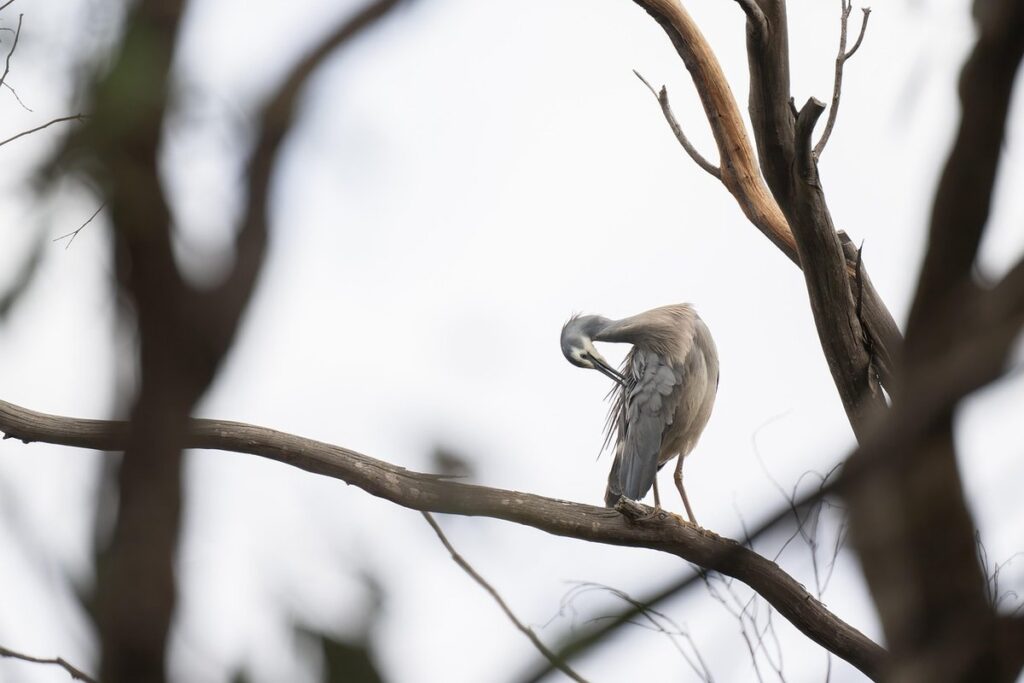
What is Preening in Chickens?
Preening in chickens is a vital behavior that keeps them clean and healthy, involving a range of actions from dust bathing to oil gland application. Let’s dive into what preening entails.
Definition and Purpose of Preening
Preening is an essential behavior in chickens that plays a crucial role in maintaining their overall health and well-being. At its core, preening refers to the various activities chickens engage in to clean, groom, and maintain their feathers, beaks, and other bodily features. This includes picking at loose or damaged feathers, oiling their feathers with special glands located near their tails, and using their beaks to tidy up any dirt or debris that may have accumulated.
Importantly, preening is not just about aesthetics; it serves a vital function in the chicken’s life cycle. By maintaining their plumage, chickens are able to stay warm, regulate their body temperature, and even communicate with other flock members through visual cues. In fact, research has shown that chickens spend up to 30% of their day preening, making it one of the most time-consuming yet essential activities in their daily routine.
By recognizing the importance of preening, chicken owners can take steps to create an environment that encourages this behavior. This includes providing a balanced diet rich in omega-3 fatty acids, keeping their coop clean and well-ventilated, and allowing them sufficient space to move around and engage in natural behaviors.
Why Do Chickens Preen?
So why do chickens preen? It’s not just for show – although it can be quite entertaining to watch a chicken primp and preen. Preening is an essential behavior that serves several purposes, driven by instinctual drives, social habits, and environmental factors.
On the instinctual side, preening is a leftover from our feathered friends’ wild ancestors. In the wild, birds would preen their feathers to keep them clean, shiny, and free of parasites like mites and lice. Even though domesticated chickens don’t face these same threats, they still have this innate drive to engage in preening behavior. Think of it as a way for your chicken to groom themselves, just like we brush our teeth or wash our hair.
Socially, preening can also be a sign of stress relief and relaxation. Chickens will often preen each other’s feathers as a way of showing affection and bonding – much like how humans give each other hugs. In fact, many backyard chicken keepers have observed that their chickens engage in more preening behavior when they’re feeling content and happy.
To encourage healthy preening habits in your flock, make sure to provide them with plenty of space to move around and exercise. A balanced diet rich in omega-3 fatty acids will also help promote shiny, healthy feathers – which can reduce the need for excessive preening. By understanding these underlying reasons behind chickens’ preening behavior, you’ll be better equipped to care for your flock’s overall well-being.
Physical Signs of Preening in Chickens
When observing chickens, you may notice certain physical behaviors that indicate they’re engaged in preening. This includes specific postures and actions that reveal their grooming habits up close.
Inspecting Feathers for Health
Inspecting feathers for signs of health is an essential part of monitoring your flock’s overall well-being. A healthy chicken’s feathers should have a vibrant sheen to them, and their texture should be smooth and flexible. Check for uniformity in color, as uneven tones can indicate stress or nutritional deficiencies.
Mites, lice, and feather plucking disorders are common issues that can affect the appearance of your flock’s feathers. To detect mites, look for fine powdery debris on the chicken’s feathers, which is a result of their feeding activity. Mites tend to congregate around the eyes, nostrils, and vent area.
Lice, on the other hand, leave behind a sticky substance that can be seen as dark spots or streaks on the feathers. Feather plucking disorders, often caused by stress or nutritional deficiencies, can lead to bare patches of skin on the chicken’s body.
When inspecting your flock’s feathers, take note of any irregularities and address them promptly. Keep in mind that a balanced diet, adequate nutrition, and proper living conditions are key to maintaining healthy feathers. Regularly monitoring your chickens’ feather health will help you identify potential issues early on, allowing for timely interventions and preventing the spread of parasites or diseases.
Beak Care Through Preening
Maintaining a healthy beak is crucial for chickens to eat, drink, and even socialize with their flock members. During preening, chickens use their beaks to clean and maintain their feathers, as well as their own beaks. The importance of beak care cannot be overstated, as overgrown or improperly cared-for beaks can lead to a range of problems.
Factors that may contribute to overgrown beaks include genetics, age, diet, and lack of regular beak maintenance. For instance, chickens with naturally longer beaks may require more frequent trimming to prevent overgrowth. Similarly, older chickens may experience wear and tear on their beaks due to years of use, leading to cracks or breaks.
To promote healthy beak care through preening, owners can encourage regular beak maintenance by providing a balanced diet rich in calcium and phosphorus, which are essential for strong beak growth. Additionally, offering a variety of toys and scratching posts can help keep chickens’ beaks exercised and stimulated.
Preening Behaviors Observed in Chickens
When observing chickens, you’ll notice they spend a significant amount of time preening their feathers, using their beaks to smooth and fluff out their plumage. Let’s take a closer look at these behaviors in more detail.
Dust Bathing and Its Benefits
Dust bathing is an essential component of preening behavior in chickens, playing a vital role in their overall health and well-being. This natural behavior allows hens to maintain clean feathers, remove parasites, and regulate their body temperature.
When chickens engage in dust bathing, they cover themselves in fine powdery soil or sand, creating a barrier between their skin and the elements. The dust helps to absorb excess oils from their feathers, keeping them clean and dry. Regular dust baths can also help alleviate issues such as feather mites, lice, and fleas.
A well-maintained dust bathing area is crucial for your flock’s health. Provide your chickens with a dedicated dust bath area filled with a deep layer of sand or fine soil. Ensure the surface is smooth and free from sharp objects that could cause injury. Monitor your birds’ behavior to determine if they’re using the dust bath regularly, as this will indicate their level of comfort and satisfaction.
By allowing your flock to engage in regular dust bathing, you’ll be supporting their natural preening behavior and promoting a healthier, happier group.
Sun Basking and Its Effects on Feathers
When it comes to sun basking and its effects on feathers, chickens are surprisingly adept at regulating their exposure. While some sunlight is essential for vitamin D production – a crucial nutrient for maintaining strong bones and immune function – excessive sun exposure can have detrimental effects on their plumage.
For instance, prolonged sun exposure can cause feather fading or drying, particularly around the head, neck, and wing areas. This is because the intense UV radiation can break down the protein bonds in keratin, leading to a loss of luster and shine. To minimize these risks, provide your flock with shaded areas where they can retreat from the direct sun.
On the other hand, moderate sun exposure can stimulate melanin production, resulting in a more vibrant and healthy appearance. If you’re looking to encourage this natural process, consider introducing short periods of controlled sun exposure under close supervision. This will allow your chickens to bask safely while reaping the benefits of vitamin D synthesis.
How to Encourage Healthy Preening in Chickens
Encouraging healthy preening habits is essential for your chicken’s overall well-being, so let’s dive into some practical tips to promote this vital behavior. With a few simple strategies, you can help keep their feathers clean and shiny.
Environmental Enrichment for Optimal Health
When it comes to encouraging healthy preening behavior in chickens, providing an environment that supports their natural instincts is crucial. Chickens need space to roam and forage, which allows them to engage in natural behaviors like dust bathing, scratching, and pecking at the ground.
Adequate ventilation and access to natural light are also essential components of a balanced environment. Fresh air helps to maintain a healthy respiratory system, while sunlight exposure supports calcium absorption, crucial for maintaining strong beaks and claws. Consider installing windows or skylights in your coop to maximize natural light intake.
Additionally, incorporating features like perches, nesting boxes, and dust baths will encourage chickens to engage in preening behaviors naturally. Make sure these areas are well-maintained and accessible at all times. By creating a balanced environment that meets their physical and psychological needs, you’ll be supporting your flock’s overall health and well-being.
Nutritional Aspects of Feeding for Healthy Feathers
Maintaining healthy feathers is crucial for a chicken’s overall well-being and preening behavior. A balanced diet rich in essential nutrients supports feather health. Vitamins A, E, and B complex play significant roles in maintaining feather structure and function. Vitamin A, for instance, helps regulate keratin production, the protein that makes up feathers.
Minerals like zinc, iron, and copper also contribute to healthy feathers. Zinc aids in skin and hair growth, while iron supports oxygen delivery to cells, including those responsible for feather growth. Copper is essential for melanin production, which influences feather coloration and texture.
To ensure your flock receives adequate nutrients for healthy feathers, consider adding supplements or adjusting their feed accordingly. Consult with a veterinarian or poultry expert to determine the best approach for your specific flock’s needs. Additionally, provide access to fresh water, calcium, and a balanced layer feed that meets nutritional requirements for laying hens.
Common Preening-Related Health Issues in Chickens
As you’ve learned about the importance of preening, it’s essential to recognize that neglecting your chicken’s grooming needs can lead to a range of health problems.
Recognizing Signs of Feather Plucking Disorder
Feather plucking disorder is a common preening-related health issue in chickens that can be distressing to witness. It’s essential to recognize the signs of this condition early on to provide your flock with the necessary care and treatment.
If you notice your chicken excessively plucking its own feathers, often resulting in bare patches or skin irritation, it may be a sign of feather plucking disorder. This behavior is usually accompanied by other symptoms such as restlessness, lethargy, or changes in appetite. Other causes can include stress, anxiety, boredom, or even underlying medical issues like mites, lice, or nutritional deficiencies.
To address the issue, it’s crucial to identify and manage any potential causes of stress or discomfort. This may involve providing a safe and stimulating environment, ensuring proper nutrition, and practicing good flock management. In severe cases, your veterinarian may recommend medication or supplements to help alleviate symptoms. By recognizing the signs of feather plucking disorder early on and taking prompt action, you can help your chicken recover and maintain its overall health and well-being.
Managing Mites and Lice Infestations
Managing mites and lice infestations can be a challenging task for chicken owners. These external parasites thrive on the warmth and moisture of your flock’s skin and feathers, leading to excessive preening behavior as chickens try to alleviate discomfort and itchiness.
Mites are tiny, eight-legged insects that feed on blood, causing anemia, weight loss, and even death in severe cases. They’re often most active at night, which is why you might notice your chickens pacing and scratching more during this time. Lice, on the other hand, are wingless parasites that attach to feathers, sucking out nourishment and contributing to feather pecking and damage.
To prevent infestations, maintain a clean coop with dry bedding, ensure good ventilation, and monitor for signs of mites and lice regularly. If an infestation occurs, treat your flock promptly with the recommended insecticide. For example, permethrin sprays or powders can be applied to roosts, nesting boxes, and anywhere else mites are known to congregate.
When treating, make sure to follow safety guidelines carefully: always wear protective gear, avoid applying chemicals near food or water sources, and ensure all birds have adequate ventilation during treatment. Regular cleaning and disinfecting will also help prevent re-infestation.
Tips for Handling Chickens During Preening
When chickens are in a preening state, it’s essential to handle them gently and patiently, as sudden movements can startle them. This section will offer practical tips for interacting with your flock during this sensitive time.
Approaching Chickens During Preening Sessions
When approaching chickens during preening sessions, it’s essential to prioritize their comfort and minimize stress. These gentle birds can be easily startled, so move slowly and deliberately when interacting with them. Sudden movements or loud noises can cause a preening chicken to freeze or even fly away in alarm.
To ensure a smooth interaction, start by observing your chicken from a safe distance. Watch for signs of relaxation, such as soft clucking or gentle head bobbing. Once you’ve determined they’re comfortable with your presence, slowly extend your hand towards them, allowing them to become familiar with your scent and touch.
When handling a preening chicken, use gentle, soothing strokes to calm any nervousness. Support their body weight by lifting under their wings and tail feathers, rather than grabbing or holding them tightly. This will help prevent any accidental injury and allow your chicken to maintain control over its own movements. By moving slowly, speaking softly, and handling with care, you can minimize stress during interactions and create a peaceful experience for both you and your feathered friend.
Recognizing Boundaries and Personal Space
When interacting with chickens that are preening or engaging in other behaviors, it’s essential to respect their personal space and boundaries. Chickens value their alone time just as much as humans do, and interrupting them during these moments can be stressful for both parties.
Preening is a crucial self-maintenance activity that helps chickens clean and maintain their feathers, but it also signals to others that they’re not interested in being approached or handled. If you notice your chicken is preening, give them space and let them complete the process without interruption. This allows them to focus on their grooming and reduces stress.
To recognize boundaries, observe your chicken’s body language: if they’re tucking their head under their wing, puffing out their feathers, or avoiding eye contact, it’s a sign that they need some alone time. Be mindful of these cues and respect their space, even if it means waiting patiently for them to finish preening or engaging in another activity. By doing so, you’ll help your chickens feel more at ease and develop trust with each other.
Conclusion: Promoting Healthy Preening Behavior
Now that you’ve learned how to recognize and encourage preening behavior, let’s talk about promoting a healthy and balanced routine for your feathered friends.
Recap of Key Points Covered
In conclusion to our exploration of preening behavior in chickens, it’s essential to recap the key points that emphasize the significance of understanding and supporting this natural behavior. By doing so, you’ll be better equipped to provide a healthy and happy environment for your feathered friends.
As we discussed earlier, preening is an essential aspect of a chicken’s daily routine, playing a vital role in maintaining their overall health and well-being. It not only helps them maintain their plumage but also stimulates blood circulation, reduces stress, and even aids in removing parasites. By understanding the reasons behind your chickens’ preening behavior, you can identify potential issues and take corrective measures to ensure they’re getting the care they need.
Some key takeaways from our exploration include:
* The importance of a balanced diet that includes essential nutrients for maintaining healthy feathers
* The role of social interaction in promoting stress-free environments and encouraging natural behaviors like preening
* How to create a safe and comfortable space for your chickens to engage in their natural behaviors without distractions or interruptions
To put these takeaways into practice, consider the following tips:
* Provide a varied diet rich in omega-3 fatty acids, vitamins, and minerals that promote healthy feathers
* Ensure adequate space and social interaction by keeping a small flock size or rotating pasture access
* Create a peaceful environment free from noise pollution and other stressors
By putting these recommendations into action, you’ll be well on your way to supporting your chickens’ natural preening behavior and contributing to their overall health and happiness.
Frequently Asked Questions
How Long Does it Take for Chickens to Develop Healthy Preening Habits?
Chickens typically take several weeks to develop healthy preening habits after introduction to a new environment. During this time, they may exhibit irregularities in their preening behavior due to stress and adjustment periods.
To encourage optimal health and development, ensure your flock has access to adequate dust baths, sunlight, and nutrition-rich food sources. This will help them establish consistent and effective preening routines.
Can All Chickens Preen Effectively Without Human Intervention?
While some chickens may develop healthy preening habits naturally, many can benefit from gentle guidance or monitoring by their human caregivers. Observe your flock for signs of stress, poor feather care, or other issues that could indicate the need for additional support or enrichment activities.
What Can I Do if I Notice My Chickens Engaging in Aggressive Preening Behaviors?
Aggressive preening behaviors can be a sign of underlying health issues, stress, or boredom. If you notice your chickens exhibiting such behavior, ensure they have access to ample food, water, and dust baths. You may also consider providing toys, scratching posts, or other enrichment activities to keep them stimulated.
How Do I Know if My Chickens are Getting Enough Vitamin A for Healthy Feathers?
Vitamin A plays a crucial role in maintaining healthy feathers and preventing related issues like feather plucking disorder. Provide your chickens with balanced feed that includes adequate amounts of vitamin-rich ingredients such as leafy greens, carrots, or sweet potatoes.
Monitor their overall health and watch for signs of deficiency, including dull plumage, weight loss, or lackluster preening habits. Consider consulting a veterinarian for personalized advice on maintaining optimal nutrient levels in your flock.
Can I Use Human Shampoo or Conditioner on My Chickens?
No, it’s not recommended to use human shampoo or conditioner on chickens as their skin and feather types are different from those of humans. Chicken-specific cleaners or preening oils can be purchased at most pet stores or online marketplaces to help maintain healthy feathers and prevent issues like mites and lice infestations.
When choosing a cleaner, look for products specifically designed for poultry with ingredients that complement your flock’s natural oil production. Always follow the manufacturer’s instructions for application and dosage recommendations.