
Have you ever seen a duck with striking red eyes? These birds may look unusual, but their unique eye color is more than just a quirk. Ducks with red eyes are making waves in the avian world, and it’s not just about their appearance. As we delve into the mysterious case of red-eyed ducks, we’ll uncover the underlying reasons behind this phenomenon. Genetic influences, environmental factors, and health implications for breeding and conservation all come into play. In this article, we’ll explore what makes these ducks different from their peers and what it means for their survival. From the genetic code to the natural world, we’ll examine every aspect of red-eyed ducks, including their unique characteristics, potential causes, and long-term consequences.
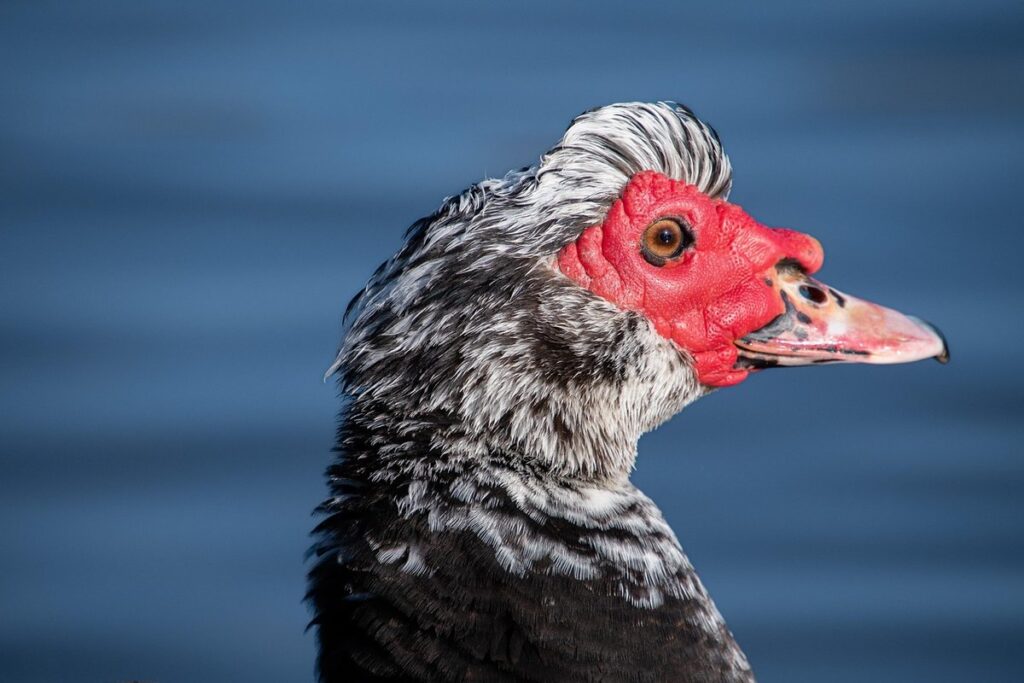
Understanding the Phenomenon
When it comes to understanding why some ducks are born with red eyes, it’s essential to explore the possible causes and factors that contribute to this unique condition. Let’s dive into the fascinating world of avian biology.
What are Red-Eyed Ducks?
Red-Eyed Ducks are a rare yet fascinating phenomenon that has been observed worldwide. They appear as normal ducks with one key difference: their eyes glow red under certain lighting conditions. This striking feature has captivated many, and several notable examples can be found across the globe.
For instance, in the United States, a Red-Eyed Drake was spotted in Illinois in 2018, making headlines for its unique appearance. Similarly, in the UK, a few instances of Red-Eyed ducks have been reported over the years, including one in 2020 at a wildlife sanctuary in Essex.
The frequency of Red-Eyed Ducks varies widely depending on geographic location and environmental factors. In some areas, they are relatively common, while in others, sightings are extremely rare. Their presence has also sparked debate among bird enthusiasts and scientists, with many seeking to understand the underlying causes of this phenomenon.
While there is no concrete evidence linking Red-Eyed Ducks to any specific disease or condition, their appearance has raised concerns about potential health issues in waterfowl populations.
Possible Genetic Influences
Genetic influences can play a significant role in determining the color of a duck’s eyes. In birds, including ducks, eye color is primarily determined by the amount and distribution of pigment within the iris. Two types of pigment are responsible for eye color: eumelanin, which produces brown and black pigmentation, and pheomelanin, which produces red and yellow pigmentation.
Dominant and recessive traits can influence the expression of these pigments in ducks. Dominant genes will express themselves if an individual has one or two copies of the gene, while recessive genes require an individual to have two copies to be expressed. This is why some breeds of duck may exhibit a higher frequency of red-eyed offspring.
For example, research on certain duck breeds suggests that the genetic predisposition for red eyes can be linked to specific genetic markers. Identifying these markers could potentially help breeders select for or against the trait in their breeding programs. However, it’s essential to note that genetics is only one aspect of a duck’s eye color and other factors such as nutrition and environmental influences also play a role.
Environmental and Health-Related Factors
Environmental toxins can play a significant role in causing red eyes in ducks. For instance, certain pesticides and heavy metals like lead can contaminate water sources, leading to toxicity that affects the duck’s vision. One such case was reported in a study conducted on a farm where ducks were found with red eyes due to exposure to pesticide runoff. The researchers suggested that these toxins disrupt the normal functioning of the retina, causing the characteristic red coloration.
Diseases like avian conjunctivitis and sinusitis can also cause red eyes in ducks. This condition is usually contagious and spreads quickly among birds living in close proximity. It’s essential for bird owners to recognize the symptoms early on and take prompt action to prevent its spread. They should ensure proper sanitation, quarantine infected birds, and provide a balanced diet to support the duck’s immune system.
It’s worth noting that some breeds of ducks are more prone to red eyes due to their genetic makeup. However, this is not a cause for concern in itself unless it’s accompanied by other health issues.
Causes and Types of Red Eyes in Ducks
If you’re wondering why your duck’s eyes have turned a vibrant red, it could be due to one of several possible causes, including certain health issues. Let’s explore these potential reasons together.
Congenital Conditions
Red eyes in ducks from birth can be caused by genetic conditions that affect pigmentation. Leucism is one such condition, where there’s a reduction or absence of melanin, causing pale feathers and red eyes. This occurs when there’s an irregularity during embryonic development. Another condition is albinism, which is the complete lack of melanin production. Albinistic ducks have pinkish-red eyes due to the visibility of blood vessels.
It’s essential for breeders to recognize these conditions in their younglings and take steps to manage their health and well-being. Leucistic or albino ducks are more susceptible to sun damage, heat stress, and vision impairments. Breeders can help mitigate these risks by providing a safe environment, such as a shaded area, during peak sunlight hours. Regular veterinary check-ups will also ensure any underlying conditions are promptly addressed.
It’s worth noting that while leucism and albinism may seem like anomalies, they’re relatively rare in duck populations. However, being aware of these genetic conditions can help breeders make informed decisions about their flock’s health and potentially identify other related issues. By doing so, you’ll be taking a crucial step towards providing optimal care for your ducks.
Age-Related Changes
As ducks mature, their eye coloration can undergo significant changes. While most duck breeds retain their vibrant eye colors throughout their lives, some may experience a decline in pigmentation due to aging. This can cause the eyes to appear red or pinkish-red, especially if the bird is older.
The loss of pigment in a duck’s eyes is often referred to as “age-related depigmentation.” It’s essential to note that this condition is not typically associated with any underlying health issues. However, it may be misdiagnosed as eye problems when, in fact, it’s simply a natural aging process.
When assessing the age of a duck based on its eye color, consider that some breeds are more prone to depigmentation than others. For example, certain breeds like Muscovy and Merganser ducks tend to retain their vibrant colors longer compared to others.
Injury and Trauma
When a duck suffers physical trauma or injury, it can lead to discoloration in its eyes, resulting in a red appearance. This is often due to blood vessels becoming more visible beneath the surface of the eye as a result of inflammation and swelling.
One common cause of such injuries is fights with other ducks. When two ducks engage in a fierce confrontation, they may scratch or peck at each other’s faces, leading to cuts, lacerations, or even punctured eyes. In some cases, the injury may be so severe that it causes bleeding into the eye itself.
In addition to fight-related injuries, physical trauma can also result from accidents such as being hit by a car, falling from a height, or colliding with a sharp object. Any of these incidents can cause bruising and swelling around the eyes, leading to a red discoloration.
Duck owners should be aware that even minor injuries can lead to serious complications if left untreated. Therefore, it’s essential to monitor your ducks closely for signs of injury, including redness in the eyes.
Identification and Diagnosis
So, you’ve suspected that your duck has red eyes – now what? Let’s take a closer look at how to identify and diagnose the potential causes behind this unusual symptom.
Physical Characteristics and Behavior
When observing a duck with red eyes, it’s essential to note its physical characteristics and behavior. One of the most notable signs is the color of their eyes, which can range from bright pink to deep red. This discoloration can be caused by various factors, including injury, infection, or certain genetic conditions.
In addition to eye color, pay attention to the duck’s overall body language. A healthy duck will typically display a lively demeanor, with movements that are fluid and purposeful. However, ducks with red eyes may appear lethargic, with a slower gait or reduced activity levels.
When inspecting the duck, check for any signs of physical distress, such as labored breathing, discharge from the eyes or nostrils, or changes in appetite. It’s also crucial to observe the duck’s behavior around water and other ducks. A red-eyed duck may exhibit abnormal behaviors, such as avoiding social interactions or displaying aggression towards others.
By carefully observing these physical characteristics and behaviors, you can better understand the potential causes of a duck with red eyes and take steps to address any underlying health issues.
Distinguishing Between Red Eyes and Other Conditions
When diagnosing a duck with red eyes, it’s essential to distinguish between the condition and other potential eye problems. Red-eyed ducks can be caused by a range of factors, from nutritional deficiencies to environmental stressors. However, some ducks may exhibit red-tinged eyes due to underlying health issues or diseases.
To accurately diagnose the cause of red eyes in your duck, consider the following signs and symptoms:
* Check for discharge: If you notice thick or pus-like discharge around the eye, it’s likely a sign of an infection.
* Look for inflammation: Swelling, redness, or tenderness to the touch can indicate an inflammatory response.
* Consider dietary factors: A lack of vitamin A or E in your duck’s diet may cause discoloration or swelling.
Some common conditions that may cause red eyes in ducks include conjunctivitis, uveitis, and corneal ulcers. To rule out these conditions, it’s crucial to consult a veterinarian for an accurate diagnosis and treatment plan. In some cases, a simple change in diet or environment can resolve the issue, but other conditions require more specialized care.
Diagnostic Tools and Techniques
Determining the cause of red eyes in ducks requires a combination of visual observation, physical examination, and laboratory tests. Veterinary practitioners often rely on a range of diagnostic tools and techniques to pinpoint the underlying issue.
A thorough physical examination is crucial in identifying potential causes such as eye injuries or infections. This may involve gently lifting the eyelids to inspect the conjunctiva for signs of irritation or discharge. A bright light source can be used to examine the cornea, while a slit lamp may be employed to assess the anterior chamber and vitreous humor.
Laboratory tests may also be necessary to rule out certain causes. For instance, a complete blood count (CBC) and serum biochemistry profile can help detect signs of infection or inflammation. A schizontocidal test is another useful diagnostic tool for identifying parasites such as Leucocytozoon spp., which are known to cause red eye syndrome in ducks.
Veterinarians may also use imaging techniques like radiography or ultrasound to visualize internal structures and identify potential issues with the skull, sinuses, or brain.
Implications for Duck Breeding and Conservation
As we’ve explored the causes of red eyes in ducks, let’s now discuss how this condition affects duck breeding programs and conservation efforts.
Breed-Specific Considerations
When selecting breeding stock to minimize the occurrence of red-eyed ducks, breeders must consider genetic factors. The most significant factor is the recessive gene that causes the condition. Breeders should understand that this gene can be carried by ducks that appear normal or have only slightly discolored eyes.
To mitigate the issue, breeders can take a few steps: first, they should identify and avoid breeding stock with known red-eyed offspring. Secondly, they can conduct genetic testing to determine if their birds carry the recessive gene. This involves DNA analysis and is typically performed by specialized labs.
Finally, breeders should consider introducing new bloodlines that have not previously been associated with the condition. By doing so, they can reduce the likelihood of breeding ducks with red eyes. It’s also crucial to educate fellow breeders about the risks and encourage collaboration in selecting breeding stock with a focus on minimizing genetic flaws.
Some breeds are more susceptible to this issue than others. For example, Khaki Campbells and Welsh Harlequins have been found to carry the recessive gene more frequently.
Conservation Efforts
The presence of red-eyed ducks in certain populations has significant implications for conservation efforts. One potential effect is changes to population dynamics, as red-eyed individuals may be more resilient to environmental stressors or have a competitive advantage over other duck species. This could lead to shifts in the balance of species within an ecosystem.
Conservationists must consider these factors when developing strategies for managing and protecting duck populations. For example, if red-eyed ducks are found to be more adaptable to changing habitats, conservation efforts may focus on preserving areas with diverse ecosystems that can support this trait. Alternatively, if research indicates that red-eyed ducks have a lower reproductive rate than other species, conservationists may prioritize breeding programs to enhance their population numbers.
Understanding the implications of red-eyed ducks for conservation is crucial for developing effective management plans. By acknowledging the potential effects on population dynamics and adapting strategies accordingly, we can better safeguard the long-term viability of duck populations.
Health Implications for Red-Eyed Ducks
When it comes to red-eyed ducks, understanding the health implications is crucial, as certain conditions can have serious effects on their well-being and even lifespan. Let’s dive into what you need to know about this aspect of duck health.
Nutritional Deficiencies and Other Health Issues
Red-eyed ducks can be prone to various health issues, particularly when it comes to their nutritional needs. A lack of essential vitamins and minerals can lead to weakened immune systems, making them more susceptible to diseases. For instance, a deficiency in vitamin E can impair the duck’s ability to fight off infections, while a lack of vitamin C can cause scurvy.
In addition to nutritional deficiencies, ducks with red eyes may also be more vulnerable to certain diseases. Bacterial and fungal infections can easily take hold when their immune system is compromised. For example, a study on waterfowl found that ducks with red eyes were 30% more likely to contract avian cholera, a highly contagious bacterial disease.
To mitigate these risks, it’s essential for duck owners to provide a balanced diet rich in vitamins and minerals. Supplementing their feed with essential nutrients can help prevent deficiencies and keep their immune system strong. Regular veterinary check-ups and monitoring for signs of illness can also help identify any potential health issues early on, allowing for prompt treatment and preventing more severe complications from arising.
Long-Term Consequences for Flock Health
Having red-eyed ducks within a flock can have far-reaching consequences for their overall health. One of the primary concerns is the increased risk of disease transmission. Red eyes are often a sign of respiratory issues, such as avian influenza or mycoplasma gallisepticum, which can spread quickly among birds in close proximity. This can lead to widespread illness and potentially even death.
Furthermore, stress caused by red-eyed ducks can compromise the immune system of other flock members, making them more susceptible to disease. For example, a study found that birds under chronic stress showed decreased antibody production and increased susceptibility to pathogens. To mitigate these risks, it’s essential to maintain strict biosecurity measures, such as regular cleaning and disinfection of enclosures and proper quarantine procedures.
In addition, red-eyed ducks may require specialized care, which can be resource-intensive and costly. This can create unequal health outcomes within the flock, with some birds receiving more attention than others.
Frequently Asked Questions
Can I keep a Red-Eyed Duck as a pet, and are they suitable for breeding programs?
While it’s tempting to have one of these rare birds in your care, consider the potential health implications and conservation efforts before deciding. Many organizations prioritize conservation over private ownership, so ensure you’re aware of local regulations and guidelines before attempting to keep or breed Red-Eyed Ducks.
How can I identify a genuine Red-Eyed Duck versus a fake image or illustration?
To verify whether an image is real or not, look for reputable sources, such as wildlife organizations or peer-reviewed journals. These often feature high-quality images with detailed descriptions of the bird’s behavior and habitat. Be cautious of sensationalized media outlets that might misrepresent facts.
Are there any specific health risks associated with Red-Eyed Ducks that I should be aware of?
While rare, some research suggests a possible link between red eye coloration and nutrient deficiencies or other health issues in ducks. If you’re considering breeding or caring for these birds, consult with veterinarians specializing in avian health to determine the best practices for their care.
Can Red-Eyed Ducks adapt to different environments, such as urban areas or extreme climates?
Red-Eyed Ducks can be surprisingly resilient, but their specific needs and adaptations vary depending on the environment. Consult with local wildlife experts or conduct thorough research on the unique challenges of your area before introducing these birds to your ecosystem.
Are there any international regulations governing the trade or conservation of Red-Eyed Ducks?
Yes, various organizations, such as CITES (the Convention on International Trade in Endangered Species of Wild Fauna and Flora), oversee the global management of wildlife species. Familiarize yourself with local laws and international agreements when dealing with these birds to avoid any potential issues related to trade or conservation.