
If you’re a backyard chicken owner or just considering bringing home your first flock, you’ve probably encountered the occasional scathing stare from a rooster. Those beady eyes can give even the most seasoned chicken enthusiast pause, especially if you’re not prepared for their aggression towards humans. But don’t worry – with some knowledge and expert-approved strategies, you can identify, prevent, and manage rooster aggression like a pro. In this article, we’ll dive into the causes of rooster aggression, the telltale signs to look out for, and provide actionable tips on how to prevent these unwanted behaviors in the first place. Whether you’re dealing with an aggressive rooster or just want to raise friendly birds, our expert-approved prevention strategies will give you the confidence to create a harmonious backyard coop.
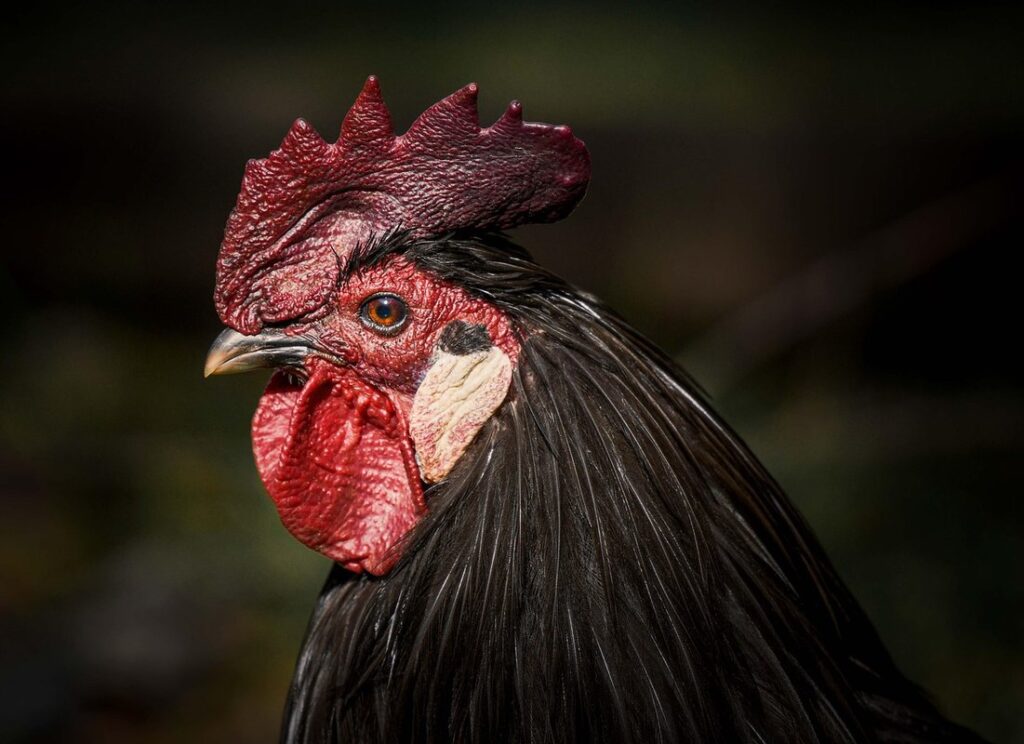
Understanding Rooster Behavior and Aggression
Understanding rooster behavior is crucial in identifying potential aggression triggers, so let’s dive into common patterns of rooster behavior that might indicate an increased risk.
The Role of Dominance in Rooster Aggression
In a flock of roosters, dominance hierarchy plays a significant role in shaping their behavior towards each other and, more importantly, towards humans. The pecking order establishes clear rules and boundaries among roosters, determining who has priority access to food, water, and mating opportunities. When it comes to human interaction, dominant roosters tend to assert their authority by displaying aggressive behavior, such as crowing loudly, flapping wings, or even attacking.
However, dominance isn’t the only factor at play. Some roosters may become aggressive due to perceived threats or competition for resources, which can lead to a more complex behavioral issue. For instance, if multiple roosters are vying for dominance within the same enclosure, tensions rise, and aggression ensues. Similarly, introducing new animals, such as chickens or predators, can trigger defensive behavior in dominant roosters.
To manage aggression stemming from dominance hierarchy, prioritize establishing clear pecking order through gentle introduction of new birds and separating aggressive individuals. Ensure each rooster has its own space to feed, nest, and engage in natural behaviors without interference from others.
Factors Contributing to Rooster Aggression
Genetics can play a significant role in shaping a rooster’s behavior towards humans. Some breeds are naturally more aggressive than others, while individual birds may inherit temperament traits from their parents. However, genetics is not the sole contributing factor to rooster aggression.
Environmental factors such as overcrowding, inadequate space, and lack of stimulation can also contribute to aggression. For example, a rooster that’s been kept in a small enclosure with limited opportunities for exercise and socialization may become irritable and territorial.
Nutritional deficiencies or health issues can also trigger aggressive behavior in roosters. A balanced diet rich in nutrients is essential for maintaining good health and reducing the likelihood of aggression.
Socialization is crucial in shaping a rooster’s behavior towards humans. Roosters that are handled gently from an early age, exposed to various people and environments, and rewarded with positive reinforcement tend to be less aggressive than those that are neglected or mistreated. By investing time in socializing your rooster, you can reduce the risk of aggression and strengthen your bond.
Providing adequate space, stimulation, and a nutritious diet will also help mitigate aggression in roosters.
Signs of Aggressive Behavior in Roosters
When interacting with your rooster, it’s crucial to recognize early warning signs of aggression, such as sudden hissing, raised hackles, and aggressive posturing. These subtle cues can indicate a potentially volatile situation.
Physical Indicators of Aggression
When it comes to detecting aggressive behavior in roosters, physical indicators can be just as telling as vocal or behavioral signs. One of the most common physical signs of aggression is feather plucking. If you notice a rooster excessively plucking its own feathers, particularly around the neck, shoulders, and back, it may be a sign that the bird is feeling anxious or stressed.
Another telltale sign is wing flapping. When a rooster becomes agitated, it will often flap its wings vigorously, creating a loud noise. This behavior can escalate quickly if not addressed, leading to increased aggression towards humans. Aggressive posturing is also a clear indication of a rooster’s heightened emotions, including raised hackles, forward-pointing feathers on the neck and shoulders, and puffed-out chest.
In some cases, you may even notice physical injuries or wounds caused by excessive aggression. Keep an eye out for these signs to identify potential aggression issues early on. To manage your rooster’s aggression, it’s essential to create a safe and stress-free environment, providing adequate space, nutrition, and social interaction. Regular handling and training can also help build trust and reduce aggressive behavior over time.
Vocal and Behavioral Cues
When interacting with a rooster, it’s essential to be aware of the vocal and behavioral cues that may signal aggression. These signs can range from subtle to overt and may not always be immediately apparent.
Some common vocalizations indicative of aggression in roosters include loud crowing, hissing, or even a low, guttural growl. While crowing is typically a normal behavior for roosters, an aggressive bird may crow persistently or at unusual times of the day. Hissing, on the other hand, can be a clear warning sign that the rooster feels threatened or territorial.
In terms of behavior, look out for chasing or pecking at people. A rooster exhibiting these behaviors is likely feeling protective or defensive about its territory or flock. Another indication of aggression may be when a rooster puffs out his chest, spreads his wings, or takes on a more aggressive posture. If you notice any of these signs in your rooster, it’s crucial to take steps to calm the bird and address the underlying causes of its behavior.
Causes of Rooster Aggression Towards Humans
Roosters can become aggressive towards humans due to various reasons, including genetic predisposition and learned behavior from their environment. Understanding these causes is crucial for developing effective prevention strategies.
Fear-Induced Aggression
When it comes to understanding why roosters become aggressive towards humans, fear plays a significant role. It’s essential to recognize that roosters, like any other animal, can feel threatened and defend themselves when they perceive danger or uncertainty.
During breeding season, for instance, roosters may become increasingly protective of their hens. Even the slightest perceived threat can trigger an aggressive response, such as attacking anyone who approaches them. This heightened sense of awareness is a natural instinct that helps ensure the survival of their species.
Similarly, loud noises can startle roosters and lead to aggression. Approaching people with sudden or startling sounds can cause them to feel threatened, leading to aggressive behavior. To mitigate this risk, it’s crucial to approach roosters calmly and quietly, allowing them time to adjust to your presence. If you notice signs of fear or aggression in your rooster, such as raised hackles or aggressive posturing, take a step back and let the situation calm down before proceeding.
Some practical tips for minimizing fear-induced aggression include:
* Gradual introductions: Introduce new people or objects gradually, allowing the rooster to become familiar with them.
* Minimal handling during breeding season: Avoid excessive handling of your rooster during breeding season to prevent stress and maintain a sense of security.
* Quiet approach: Approach your rooster calmly and quietly to avoid startling it.
Territorialism and Resource Competition
When it comes to rooster aggression towards humans, territorialism and resource competition play significant roles. Roosters have a natural instinct to defend their territory, which includes their coop, surroundings, and resources such as food and water. If they perceive an intruder, whether it’s a person or another animal, they may become aggressive to protect what they consider theirs.
For instance, if you’re approaching the rooster’s feeding area, he might view you as a threat and attack. Similarly, if there are other animals in the vicinity, such as dogs or cats, the rooster may feel the need to defend his territory from these perceived intruders.
To manage territorialism-related aggression, it’s essential to establish clear boundaries. When interacting with your rooster, enter his space calmly and confidently, avoiding sudden movements that might be misinterpreted as threats. You can also try placing food or treats near areas where you want the rooster to focus on rather than defending. By taking these steps, you can help minimize territorialism-related aggression and create a more peaceful coexistence with your feathered friends.
Preventing Rooster Aggression: Strategies for Rooster Owners
If you’re experiencing rooster aggression towards humans, there are effective strategies to prevent it and ensure a harmonious relationship between your bird and household members. Let’s explore some essential prevention techniques together.
Early Socialization and Training
Early socialization is critical in shaping a rooster’s behavior towards humans. It lays the foundation for their confidence and calmness around people. When introducing a young rooster to new environments and people, start with gradual exposure. Begin by allowing them to become familiar with their surroundings, sights, and sounds before gradually introducing new individuals.
When meeting new people, it’s essential to supervise interactions closely. Start with short introductions in a controlled environment, allowing the rooster to become comfortable with each person separately. Reward calm behavior with treats to associate pleasant experiences with humans. As they mature, introduce them to various settings, such as farms, shows, or social gatherings, to build their confidence and adaptability.
It’s also crucial to monitor your rooster’s body language during these interactions. Watch for signs of stress or aggression, such as raised hackles, aggressive posturing, or vocalization. Be prepared to intervene early if you notice any adverse reactions. By prioritizing early socialization and training, you can help prevent rooster aggression towards humans and create a more harmonious relationship between your birds and family members.
Environmental Enrichment and Management
Providing an environment that’s stimulating and engaging can work wonders in reducing rooster aggression. This is because when a rooster feels bored, frustrated, or stressed due to lack of mental and physical stimulation, it tends to direct its energy towards humans. To prevent this from happening, you must enrich their surroundings.
Start by giving your roosters enough space to move around. A minimum of 10 square feet per bird is essential for a healthy and stress-free life. Also, provide them with adequate hiding places like bushes or small enclosures where they can retreat when feeling overwhelmed. Add some vertical space too – roosters love to perch! Make sure you have sturdy, secure perches installed at varying heights.
During critical periods such as breeding season, minimize human interaction as much as possible. Roosters are naturally protective of their mates and territories during this time, making them more aggressive towards humans. Give them some space, let them focus on their natural behaviors, and come back when they seem calmer. By doing so, you’ll be creating a more peaceful environment for both your roosters and yourself.
Managing Aggressive Roosters: Safety Precautions and Interventions
If you’re dealing with an aggressive rooster, it’s essential to prioritize your safety and learn how to manage its behavior. This section provides practical guidance on taking necessary precautions.
Creating a Safe Environment for Humans
Creating a safe environment for both humans and roosters is crucial when dealing with aggressive behavior. One of the key factors to consider is removing potential triggers that can spark aggression. For instance, competition for food or attention often fuels rooster aggression towards humans.
When it comes to food, ensure that each bird has its own feeding area to prevent overcrowding and pecking order conflicts. Consider implementing a rooster-free zone in the feeding area to give them some space. Moreover, avoid overfeeding as this can lead to aggressive behavior when competing for resources. In terms of attention, establish clear boundaries by giving equal time to each bird, but avoid excessive interaction that may encourage dominance behaviors.
By eliminating these common triggers, you’ll be creating a more harmonious environment where roosters feel secure and less inclined to attack humans. To further ensure safety, keep an eye out for early warning signs of aggression, such as raised hackles or hissing sounds, and intervene promptly if necessary. By taking proactive steps to create a safe space, you can minimize the risk of aggressive behavior and foster a healthier relationship between roosters and their human caregivers.
Desensitization and Counterconditioning Techniques
Desensitization and counterconditioning are two powerful techniques that can help reduce a rooster’s aggression levels over time. The goal is to associate the presence of humans with positive experiences, rather than threats. By implementing these methods gradually and consistently, you can help your rooster become more comfortable around people.
Here’s a step-by-step guide on how to implement desensitization and counterconditioning techniques:
Start by allowing your rooster to become accustomed to your presence at a safe distance. This means standing near the enclosure without interacting with him. If he appears stressed or aggressive, return to a safer distance. As he becomes more relaxed, begin to take small steps closer while maintaining a calm demeanor.
Once your rooster is comfortable with your proximity, it’s time to introduce positive reinforcement. Offer treats and praise when he remains calm in your presence. Gradually increase the frequency of interactions, always rewarding good behavior. With patience and consistency, you can help your rooster develop a more positive association with humans, reducing aggression levels over time.
Additional Considerations: Breed-Specific Traits and Local Regulations
When it comes to rooster aggression, breed-specific traits and local regulations can play a significant role in determining what’s acceptable behavior. Let’s take a closer look at these factors together.
Understanding Breed Characteristics
When it comes to understanding breed-specific traits that may influence a rooster’s aggression level, it’s essential to consider their original purpose. Breeds developed for fighting, such as the English Gamecock and the Malay Gamecock, are naturally more aggressive due to selective breeding for fierce behavior. These breeds were often used in cockfighting, which is now banned in many countries.
In contrast, breeds like the Silkie and the Polish are known for their gentle temperament and laid-back nature. However, even within these breeds, individual personalities can vary greatly.
When choosing a breed, it’s crucial to research their specific characteristics and consider whether they’ll be a good fit for your lifestyle. If you’re new to raising roosters, it’s often best to start with a docile breed and gradually introduce more aggressive ones as you gain experience.
Some breeds are naturally more prone to aggression than others, so it’s essential to understand their specific needs and temperaments before bringing them home. By doing your research and choosing the right breed for you, you can minimize the risk of rooster aggression and create a harmonious relationship between you and your birds.
Compliance with Local Laws and Regulations
When introducing roosters into your flock, it’s essential to consider local laws and regulations that may impact their presence. Noise ordinances are a common concern, as loud crowing can be a problem for nearby residents. Zoning restrictions also come into play, as some areas prohibit backyard chickens altogether.
Before bringing home a rooster, research the specific laws in your area. For example, some cities have designated “chicken zones” where keeping backyard chickens is allowed, but others strictly prohibit it. Even if you’re unsure about local regulations, it’s always better to err on the side of caution and check with your local authorities.
Some breeds are inherently noisier than others, so it’s crucial to consider this factor when choosing a rooster. Researching the specific breed characteristics will help you make an informed decision. If you do decide to bring home a rooster, take steps to minimize noise disruption by providing adequate space and engaging activities for your birds.
Ultimately, compliance with local laws and regulations is not only essential but also respectful of your neighbors. By doing your due diligence, you can enjoy the benefits of keeping backyard chickens while maintaining good relationships with those around you.
Frequently Asked Questions
What are some common mistakes that can exacerbate rooster aggression towards humans?
Many backyard chicken owners unintentionally contribute to their roosters’ aggressive behavior by neglecting early socialization, failing to provide adequate environmental enrichment, or introducing new birds without proper integration. To mitigate these risks, ensure your flock is well-socialized from an early age and provide a balanced environment with sufficient space for movement and exploration.
Can any breed of rooster be considered “aggressive”?
While certain breeds are more prone to aggression due to their genetic makeup, it’s essential to remember that individual personalities can vary greatly. Factors like environment, socialization, and training play significant roles in shaping a rooster’s behavior towards humans. Don’t dismiss the potential of a rooster based on breed alone; instead, focus on its specific characteristics and needs.
How do I know if my rooster is experiencing fear-induced aggression versus territorialism?
Identifying the root cause of your rooster’s aggression can be challenging but crucial for effective management. Fear-induced aggression often manifests as sudden outbursts or retreats when humans approach, whereas territorialism involves more consistent guarding behaviors around perceived threats (e.g., other animals). Observe your rooster’s behavior over time to better understand its motivations and respond accordingly.
Are there any specific safety precautions I should take when managing aggressive roosters?
Safety is paramount when dealing with aggressive birds. Ensure you’re properly equipped with protective gear, including gloves and eye protection. Establish a clear plan for emergency situations, such as having a secure area for the rooster to retreat to if it becomes too aggressive. Consult local experts or experienced breeders for tailored advice on managing your specific situation.
Can I use desensitization and counterconditioning techniques to train an adult rooster that’s already developed aggression issues?
While early socialization is ideal, these techniques can be effective in modifying the behavior of adult roosters. Gradually exposing your bird to positive associations with humans (e.g., treats, gentle petting) while avoiding triggers for aggression can lead to improved interactions over time. Be patient and consistent, as this process may take several weeks or even months to yield noticeable results.