
If you’re like many backyard chicken enthusiasts, you’ve probably heard about the risks of salmonella in your flock. But do you know how to identify, prevent, and manage outbreaks? Salmonella is a highly contagious bacterial disease that can have devastating effects on your chickens’ health and your family’s well-being. It’s not just a minor issue; it’s a serious concern for any backyard chicken owner.
In this article, we’ll explore the ins and outs of salmonella in backyard chickens. We’ll delve into safe handling practices to prevent cross-contamination, discuss essential biosecurity measures to keep your flock healthy, and walk you through testing protocols to detect potential outbreaks early on. By the end of this post, you’ll have a solid understanding of how to protect your birds and your family from salmonella. So let’s get started!
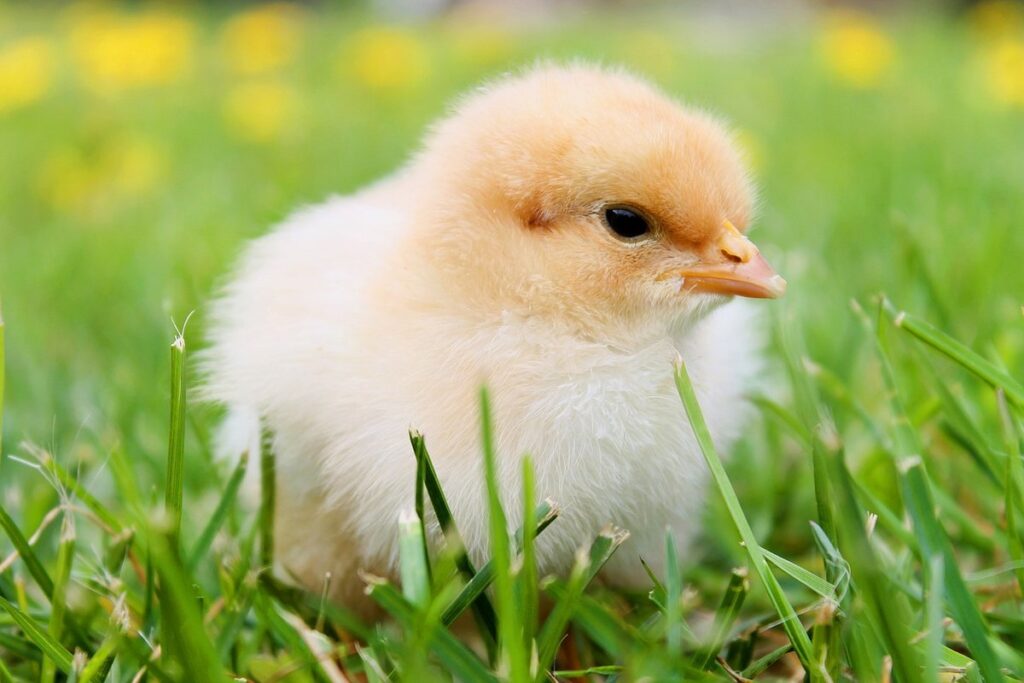
The Risks of Salmonella in Backyard Flocks
When it comes to raising backyard chickens, there’s a silent but deadly threat lurking in the shadows: salmonella. This potentially life-threatening bacteria can strike at any time.
In this section we’ll explore some of the most common ways that salmonella can affect your flock and what you can do to minimize its impact.
What is Salmonella?
Salmonella is a type of bacteria that’s commonly found in food and water, but also poses a significant risk to backyard flocks. It’s classified as a Gram-negative bacterium, which means it doesn’t retain the crystal violet stain used during laboratory testing. This characteristic makes it harder to identify under a microscope.
There are over 2,500 known serotypes of Salmonella, with new ones emerging regularly. The Centers for Disease Control and Prevention (CDC) estimates that each year, 1 in 25 raw chicken breasts contain Salmonella. In backyard flocks, the bacteria can be spread through contaminated feed, water, and even human contact.
It’s essential to understand that Salmonella doesn’t always cause symptoms immediately. According to the CDC, it can take anywhere from 6 hours to 6 days for symptoms to appear after exposure. This delay makes it crucial to monitor your flock regularly for signs of illness and maintain strict hygiene practices when handling chickens.
Transmission Routes in Backyard Chicken Flocks
Salmonella can spread within backyard chicken flocks through several transmission routes. Contaminated feed and water are two of the most common sources of infection. When chickens eat or drink from contaminated sources, they ingest the bacteria, which can then multiply inside their bodies. This is particularly concerning if the feed or water contains Salmonella-infected manure, as the bacteria can be present in high concentrations.
In addition to contaminated feed and water, chicken manure itself can also harbor Salmonella. When chickens produce droppings, they can pick up the bacteria from their surroundings, including the ground, feeders, and litter boxes. This means that even if you’re feeding your flock fresh food or using clean water, salmonella can still be present in their environment.
To minimize the risk of infection, make sure to keep your chickens’ living areas spotless. Clean and disinfect feeders, waterers, and litter boxes regularly, and change the litter completely every few months.
Prevalence of Salmonella in Backyard Chickens
Unfortunately, backyard chickens are not immune to salmonella contamination. In fact, numerous studies have shown that a significant portion of backyard flocks harbor this bacteria. According to the Centers for Disease Control and Prevention (CDC), it’s estimated that 30-40% of backyard chicken owners will test positive for salmonella at some point.
A study published in the Journal of Applied Poultry Research found that 61% of 1,500 backyard chickens tested positive for Salmonella enterica. Another study by the University of California, Davis, discovered that 71% of samples from backyard flocks contained Salmonella species. These findings suggest that even with proper husbandry and biosecurity measures in place, salmonella can still be present in backyard chicken environments.
The presence of salmonella in backyard chickens poses a risk not only to human health but also to the birds themselves. When left unchecked, it can lead to serious illness and even death among flock members. As a responsible backyard chicken owner, it’s essential to be aware of these statistics and take proactive measures to prevent salmonella contamination in your flock. This includes regular cleaning and disinfection, proper handling practices, and maintaining a balanced and nutritious diet for your birds.
Safe Handling and Biosecurity Practices
When handling your backyard chickens, it’s essential to follow strict safe handling practices to prevent the spread of salmonella. Proper biosecurity measures are crucial for maintaining a healthy flock.
Proper Cleaning and Disinfection Techniques
When it comes to keeping your backyard chickens safe from salmonella, proper cleaning and disinfection of their living quarters is crucial. To prevent the spread of this bacteria, you need to adopt a regular cleaning routine that includes coops, feeders, and waterers.
First, start by removing all soiled bedding materials such as straw or pine shavings. Disinfect any surfaces with a solution of one part bleach to nine parts water. Let it sit for 10 minutes before rinsing thoroughly. For more stubborn stains, use a disinfectant specifically designed for animal enclosures.
For coops and nesting boxes, scrub all surfaces with a stiff brush and allow the disinfectant to air dry. Don’t forget to clean feeders and waterers regularly as bacteria can multiply rapidly in these areas. Disinfecting these items at least once a week is recommended.
It’s also essential to establish a regular cleaning schedule for your coop, which should include daily removal of soiled bedding, weekly disinfection, and monthly deep cleaning with a scrub brush. This will help prevent the buildup of bacteria and reduce the risk of salmonella contamination in your backyard flock.
Personal Protective Equipment (PPE) for Chicken Handlers
When handling chickens, it’s essential to take measures that prevent the spread of salmonella. Personal Protective Equipment (PPE) plays a vital role in minimizing exposure to this bacteria. To start with, wearing gloves is crucial when interacting with birds or their surroundings. Opt for disposable gloves made from waterproof materials like nitrile or latex to ensure they can withstand contact with chicken droppings and dust.
In addition to gloves, wearing a mask can significantly reduce the risk of salmonella transmission through airborne pathogens. Opt for masks that cover both your nose and mouth, ensuring they fit snugly over your face. A simple cotton mask may not provide adequate protection against salmonella; look for ones specifically designed for working with animals or in agricultural settings.
Eye protection is also vital when handling chickens. Consider wearing safety glasses or goggles to shield your eyes from potential splashes of chicken droppings, which can contain bacteria and other pathogens. By donning PPE, you’ll be able to confidently handle your flock without compromising your health or the integrity of your backyard operation.
Biosecurity Measures for Backyard Flocks
As a backyard chicken owner, it’s essential to take biosecurity measures seriously to protect not only your flock but also your family and community from the risks associated with salmonella. To minimize the risk of contamination, consider implementing the following isolation procedures and visitor protocols:
When introducing new birds to your flock, make sure to keep them isolated for at least 30 days to allow their immune system to adjust. This will reduce the likelihood of disease transmission. It’s also crucial to maintain a safe distance between your chicken coop and other animals on your property, such as dogs or cats.
Visitor protocols are equally important. Before allowing visitors into your backyard, ensure they understand the importance of washing their hands thoroughly with soap and warm water for at least 20 seconds before handling birds or equipment. Provide hand sanitizer dispensers strategically located near entry points to encourage frequent handwashing.
To further minimize risk, consider limiting the number of visitors, especially if you have a large flock. If someone does fall ill, make sure to take precautions immediately by quarantining the affected individual and disinfecting any contact areas.
Testing and Diagnosis of Salmonella in Chickens
If you suspect your backyard chickens have a salmonella infection, it’s essential to understand how to test for it properly. We’ll walk you through the process of testing and diagnosing salmonella in your flock.
Types of Tests Used to Detect Salmonella
When it comes to detecting salmonella in chickens, several types of tests are used. Fecal culture is one of the most common methods. This process involves collecting a sample from the chicken’s droppings and then growing the bacteria on a special medium. If the medium turns positive for salmonella, the test result is confirmed.
Another crucial method is PCR (polymerase chain reaction) testing. This technique is more specific and sensitive than fecal culture, allowing for faster results. PCR detects the genetic material of the bacteria, making it a valuable tool in diagnosing infections.
Both tests have their own advantages and disadvantages. Fecal culture can be more accurate if done correctly, but it requires time to grow the bacteria. On the other hand, PCR is quicker, but may produce false negatives or positives if not performed by an expert.
To determine which test is best for your flock, consult with a veterinarian. They will assess your chicken’s health and recommend the most suitable method based on their experience and the specific situation.
Interpreting Test Results and Next Steps
Once you’ve collected samples from your flock and sent them off for testing, the waiting game begins. But what happens when those test results come back positive for Salmonella? Don’t panic – it’s not the end of the world, but it does require some careful consideration.
Firstly, if Salmonella is detected in your backyard flock, it’s essential to take immediate action to prevent further spread and protect human health. This may involve isolating infected birds, cleaning and disinfecting all areas where they came into contact with, and thoroughly washing your hands after handling them. You should also notify local authorities, as they may require you to report the incident.
Next steps will depend on various factors, including the severity of the infection and the size of your flock. In some cases, it may be necessary to cull infected birds or take other measures to contain the outbreak. It’s crucial to work closely with a veterinarian or poultry expert to determine the best course of action for your specific situation.
Remember that preventing Salmonella in the first place is always better than dealing with an outbreak. Practice good biosecurity habits, such as regular cleaning and disinfection, proper hand hygiene, and maintaining a healthy flock through balanced nutrition and stress management.
Managing Salmonella Outbreaks in Backyard Flocks
When managing backyard flocks, one of the biggest challenges is identifying and containing salmonella outbreaks before they spread to humans. Here’s how to take control of the situation.
Identifying and Isolating Infected Birds
Identifying infected birds is crucial to prevent the spread of Salmonella within your backyard flock. To do this, monitor your chickens for signs of illness such as diarrhea, lethargy, and labored breathing. You can also inspect their droppings for blood or mucus, which are indicators of a potential infection.
Quarantine protocols should be implemented immediately upon suspicion of an outbreak. Move the infected bird to a separate enclosure with adequate ventilation, away from other birds in the flock. This will prevent cross-contamination and allow you to focus on treating the infected bird without putting others at risk.
To further minimize the spread of Salmonella, ensure that all equipment used for cleaning and disinfecting is sanitized regularly. Cleaning and disinfecting all surfaces and equipment with a solution of 1 part bleach to 10 parts water is also essential.
It’s worth noting that even healthy-looking birds can carry Salmonella bacteria without showing symptoms. Therefore, regular testing may be necessary to detect asymptomatic carriers within your flock.
Treatment Options for Affected Chickens
When it comes to treating affected chickens, it’s essential to have a clear understanding of the options available. Antibiotics are commonly used to treat bacterial infections caused by Salmonella, but their use can be complicated by the risk of antibiotic resistance and the potential for creating resistant strains.
In mild cases, supportive care may be sufficient to help your chicken recover. This includes providing plenty of fresh water, a balanced diet, and ensuring access to clean shelter. For more severe cases, antibiotics may be prescribed by a veterinarian. However, it’s crucial to follow their instructions carefully, as overuse or misuse can exacerbate the problem.
In addition to antibiotics and supportive care, some holistic treatments have gained popularity among backyard chicken keepers. These include probiotics, which aim to restore the balance of gut bacteria, and supplements that promote immune system function. While these alternatives may be appealing, it’s essential to consult with a veterinarian before making any changes to your treatment plan.
In all cases, early detection is key. Regular monitoring for signs of illness, such as diarrhea, lethargy, or weight loss, can help you catch the problem before it becomes severe and prevent the spread of Salmonella within your flock.
Preventing Future Outbreaks
Preventing future outbreaks requires a multi-faceted approach that includes improving biosecurity measures and exploring vaccination strategies. To start, it’s essential to establish a robust biosecurity protocol for your backyard flock. This means maintaining clean living quarters, providing regular sanitation of equipment and feeders, and limiting human interaction with the birds.
For example, make sure to wash your hands thoroughly after handling your chickens, their droppings, or their surroundings. It’s also crucial to prevent rodents and other wildlife from accessing your coop by sealing any holes or gaps. Additionally, consider implementing a strict “shoe-off” policy at the coop entrance to minimize the spread of pathogens.
As for vaccination strategies, there are several options available, including live attenuated vaccines and inactivated vaccines. However, it’s essential to consult with a veterinarian before introducing any new vaccinations into your flock. They can help you determine the best course of action based on factors such as your region’s specific Salmonella strains and your flock’s health status.
In conclusion, preventing future outbreaks requires a proactive approach that combines improved biosecurity measures with informed vaccination decisions. By following these guidelines, you’ll be better equipped to protect your backyard flock from the dangers of Salmonella.
Legal Implications and Liability Concerns
As you consider keeping backyard chickens, it’s essential to understand the potential legal implications and liability concerns that come with raising them, especially when it comes to salmonella risks. We’ll explore these important considerations next.
Zoning Laws and Regulations Governing Backyard Chickens
Before you start keeping backyard chickens, it’s essential to familiarize yourself with zoning laws and regulations governing these feathered friends. Zoning laws vary by state and even municipality, but most require a permit or license to keep backyard chickens.
Typically, homeowners must comply with minimum setbacks from property lines, maximum number of birds allowed, and specific enclosure requirements. Some areas also mandate regular inspections to ensure compliance. For instance, in California, you’ll need to obtain a permit through the county’s agriculture department, which may require submitting plans for your coop and run.
You’re also responsible for reporting any salmonella outbreaks associated with your flock to local authorities. This can be done anonymously if needed. To avoid this situation altogether, it’s crucial to maintain good biosecurity practices, such as regularly cleaning coops and runs, washing hands thoroughly after handling birds or their waste, and keeping visitors away from the flock.
By understanding and adhering to zoning regulations and maintaining proper hygiene standards, you can minimize the risk of salmonella outbreaks and enjoy a safe and happy backyard chicken-keeping experience.
Liability Concerns for Backyard Chicken Owners
As a backyard chicken owner, you’re likely aware of the joys and benefits of raising chickens for eggs and companionship. However, with these benefits come potential risks, including liability concerns that can arise from salmonella contamination.
The risk of being sued by neighbors or visitors who contract salmonella from your backyard flock is real. In fact, a study found that nearly 1 in 5 people who own backyard chickens have been visited by someone who contracted salmonella from their flock. This not only puts the visitor at risk but also exposes you to potential lawsuits and financial losses.
Insurance implications are another concern for backyard chicken owners. Many homeowners’ insurance policies exclude coverage for damages or injuries related to backyard animals, including chickens. If you’re sued due to salmonella contamination, your personal assets could be at risk unless you have specialized insurance coverage.
To mitigate these risks, it’s essential to take proactive steps in maintaining a clean and safe backyard flock. This includes regular cleaning and disinfection of coops and runs, proper handling and cooking of eggs, and educating visitors about the importance of hygiene when interacting with your chickens.
Conclusion: Protecting Your Backyard Flock from Salmonella
Now that you’re armed with knowledge on how salmonella can affect your backyard chickens, let’s discuss practical ways to safeguard their health.
Recap of Key Takeaways
In conclusion, protecting your backyard flock from salmonella requires a multi-faceted approach that incorporates safe handling practices, robust biosecurity measures, and regular testing protocols. To recap, here are the key takeaways:
Make hand-washing with soap and water an essential part of your routine when interacting with chickens or their living areas. Change clothes after visiting the coop to prevent cross-contamination. Use separate equipment for cleaning and disinfecting.
Implement a robust biosecurity plan by establishing clear boundaries between your backyard flock and wild birds, minimizing visitors, and controlling rodents through humane trapping and removal methods.
Test your flock regularly using accredited testing services, focusing on environmental samples (droppings, feed, or water) to identify potential salmonella hotspots. Use these findings to inform targeted interventions and refine your biosecurity measures over time.
By prioritizing these safe handling practices, biosecurity measures, and testing protocols, you can significantly reduce the risk of salmonella outbreaks in your backyard flock.
Final Thoughts on the Importance of Salmonella Prevention
As we conclude our exploration of salmonella and backyard chickens, it’s essential to reflect on the importance of preventing these outbreaks. The potential consequences for human health are a stark reminder that taking proactive measures is crucial.
Salmonella can cause severe illness in people who handle infected birds or come into contact with contaminated environments. In fact, according to the Centers for Disease Control and Prevention (CDC), an estimated 1.2 million people contract salmonellosis each year in the United States alone. The consequences of a salmonella outbreak in your backyard flock can be severe: not only will you risk getting sick yourself, but you’ll also put others at risk who come into contact with your birds or their living environment.
To mitigate this risk, make sure to regularly clean and disinfect all areas where your chickens live, including coops, runs, and feeding equipment. Wash your hands thoroughly after handling the birds, and consider wearing gloves as an added precaution. By prioritizing salmonella prevention, you can enjoy a healthy and happy flock while also protecting yourself and others from the risks associated with this potentially deadly bacteria.
Frequently Asked Questions
Can I still keep my backyard flock if I live in a densely populated area?
Even in areas with strict zoning laws, you can still raise backyard chickens while minimizing the risk of salmonella transmission. By implementing rigorous biosecurity measures, such as regular cleaning and disinfection, and separating your birds from wild animals, you can enjoy the benefits of backyard chicken-keeping despite urban density.
What should I do if I suspect a salmonella outbreak in my flock?
If you notice any symptoms like diarrhea, lethargy, or loss of appetite in your chickens, test them immediately for salmonella. Keep infected birds isolated and provide a safe environment to prevent further transmission. If the outbreak spreads beyond initial measures, consider consulting with a veterinarian experienced in poultry health.
How often should I test my flock for salmonella?
Regular testing is crucial to detect potential outbreaks early on. Schedule tests every 6-12 months depending on your flock’s age and size. For younger flocks or those in high-risk areas, bi-monthly testing may be necessary to ensure the health of both birds and owners.
What are some signs that my chickens have been exposed to salmonella?
Chickens infected with salmonella will exhibit a range of symptoms including diarrhea, lethargy, loss of appetite, and changes in droppings. Be aware of these early warning signs to prevent further spread of the disease within your flock.
Can I use homemade solutions for cleaning and disinfection instead of commercial products?
While homemade cleaning solutions can be effective against salmonella, they may not provide the same level of protection as commercial products specifically designed for poultry health. To minimize risks, opt for proven commercial disinfectants and follow instructions carefully to avoid cross-contamination.