
Are you an egg-cellent cook or just curious about these incredible little packages? Either way, you’re in for a treat! Chick eggs are more than just a staple in our kitchens; they’re packed with nutrients and offer endless possibilities for creative uses. From scrambled breakfasts to decadent desserts, eggs have been a cornerstone of cuisine for centuries.
But there’s more to chick eggs than meets the eye. Not only do they provide a boost of protein and vitamins, but they also play a vital role in sustainable farming practices. With growing concerns about animal welfare and environmental impact, many are turning to egg farms that prioritize humane treatment and eco-friendly methods. In this ultimate guide, we’ll crack open the world of chick eggs, exploring types, benefits, and creative uses, while shedding light on the latest developments in sustainable egg farming.
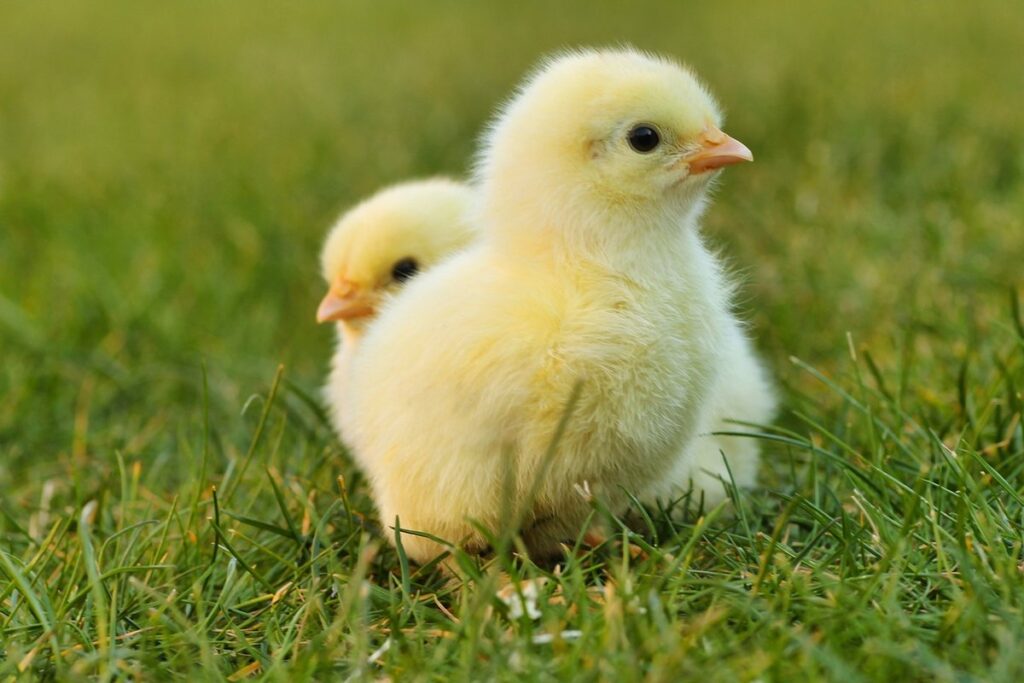
History and Significance of Chick Eggs
Chick eggs have been a staple food source for centuries, holding significant cultural and nutritional value across various societies around the world. Let’s delve into their rich history and importance.
Overview of Egg Production in Poultry Industry
Egg production has been an integral part of human sustenance for thousands of years. The history of egg production dates back to ancient civilizations where chickens were domesticated primarily for their meat and eggs. As agriculture evolved, so did the methods of raising poultry, leading to a significant increase in egg production.
Today, the global poultry industry is a multi-billion-dollar market, with egg production being a major contributor. According to the Food and Agriculture Organization (FAO) of the United Nations, over 1.4 trillion eggs were produced worldwide in 2020 alone. The US, China, India, Brazil, and Germany are among the top five countries in terms of egg production.
Egg production has far-reaching economic benefits for farmers, with many considering it a lucrative business venture. However, large-scale industrial farming has raised concerns about animal welfare and environmental sustainability. In recent years, there has been a growing trend towards adopting more humane and environmentally friendly practices in egg production.
It’s essential to understand the complexities surrounding egg production to make informed choices when selecting eggs for consumption or choosing sustainable sources for your farm. By examining the history and significance of egg production, you can better appreciate the importance of responsible farming practices that prioritize both animal welfare and environmental stewardship.
Types of Chick Eggs and Their Characteristics
Chick eggs come in various types, each with its unique characteristics that set them apart from one another. Heritage chicken eggs, for instance, are laid by breeds that have been preserved and maintained over time to maintain their original traits. These eggs often possess a richer flavor profile compared to their commercial counterparts.
Free-range eggs, on the other hand, come from hens allowed to roam freely outdoors. This freedom exposes them to various natural elements like sunlight and fresh air, which can positively impact egg quality and nutritional value.
Omega-3 enriched eggs are another popular type of chick egg. These eggs contain higher levels of omega-3 fatty acids due to the feeding regimen provided to the chickens. The inclusion of flaxseeds or algae meal in their diet increases the production of these beneficial fatty acids, potentially contributing to improved heart health and brain function.
Organic and pasture-raised eggs are also gaining attention for their emphasis on natural living conditions and more humane treatment of hens. While they may be pricier than regular store-bought eggs, proponents argue that such practices lead to superior taste and overall well-being.
Nutrition and Health Benefits of Chick Eggs
Chick eggs are a nutrient-rich superfood, packed with vitamins, minerals, and antioxidants that can have a significant impact on our overall health and wellbeing. Let’s dive into the amazing benefits of incorporating chick eggs into your diet.
Nutritional Content of Chick Eggs
Chick eggs are an excellent source of essential nutrients for humans. When it comes to their nutritional content, protein is a standout component, making up around 6-7 grams per large egg. This high-quality protein is made up of amino acids like lysine and leucine, crucial for muscle growth and repair.
In terms of fat, chick eggs are relatively low in calories but contain essential fatty acids like omega-3 and omega-6. A single large egg provides about 5 grams of fat, with most of it coming from the yolk. The yolk is also rich in vitamins A and E, which play significant roles in eye health and immune function.
Mineral-wise, chick eggs are a good source of iron, zinc, and selenium. These micronutrients contribute to healthy red blood cells, enzyme function, and antioxidant defenses in the body. Vitamin B12 is another key nutrient present in chick eggs, supporting nerve function and DNA synthesis.
It’s worth noting that the nutritional profile may vary depending on the chicken breed, feed, and living conditions. To get the most out of your chick eggs, consider choosing organic or pasture-raised options whenever possible. These tend to have better fatty acid profiles and higher levels of certain vitamins and minerals compared to conventionally raised chickens.
Health Benefits of Eating Chick Eggs
Consuming chick eggs has been associated with numerous health benefits that can impact various aspects of one’s well-being. Research suggests that chick eggs are a rich source of essential nutrients such as protein, vitamins B12 and D, and minerals like zinc and iron.
For instance, the high levels of choline found in chick eggs play a crucial role in brain development, particularly during pregnancy and early childhood. Choline is converted into acetylcholine in the brain, which helps in memory formation and neural communication. A study published in the Journal of Pediatrics found that children who consumed egg yolks rich in choline had better cognitive function compared to those who did not.
Moreover, chick eggs are also beneficial for eye health due to their high content of lutein and zeaxanthin. These antioxidants help protect the eyes against damage from blue light and reduce the risk of age-related macular degeneration (AMD). A study published in the journal Ophthalmology found that consuming egg yolks rich in these carotenoids reduced the risk of AMD by 36%.
Raising Chickens for Egg Production: A Beginner’s Guide
If you’re new to raising backyard chickens, we’ll cover the basics of creating a successful flock that will provide fresh eggs for months to come. This includes choosing breeds and setting up your coop.
Setting Up a Backyard Chicken Coop
Setting up a backyard chicken coop is an exciting step towards raising chickens for egg production. Before bringing home those adorable chicks, it’s essential to create a safe and healthy environment for them to thrive. Here are the essential steps to set up a backyard chicken coop:
First, choose a location for your coop that receives partial shade and is close to your kitchen or garden for easy egg collection. Ensure the area is well-ventilated and protected from strong winds and predators. Next, select a suitable coop design and size based on the number of chickens you plan to raise. A general rule of thumb is to provide at least 3-4 square feet of space per chicken inside the coop.
Consider investing in a predator-proof coop with secure doors and windows. Line the coop floor with easy-to-clean materials like wood shavings or straw, and add nesting boxes (about one box per three chickens) equipped with soft bedding like hay or pine shavings. Don’t forget to install a roost bar for your chickens to perch on at night.
When choosing the location for your coop, remember that it’s essential to be mindful of local regulations regarding backyard chickens. Some municipalities may have specific requirements or restrictions, so be sure to check with your local authorities before starting your project.
Feeding and Care of Laying Hens
Laying hens require a balanced diet rich in protein, calcium, and vitamins to produce high-quality eggs. A good laying hen feed should contain at least 16% protein, with a mix of grains like oats, corn, and barley. Supplementing with fresh fruits and vegetables is also beneficial, but avoid giving too many treats as this can lead to obesity.
Provide your hens with access to clean water at all times, changing it daily to prevent bacterial growth. A minimum of 10 square feet per hen should be allocated for movement, including space for nesting boxes and perches. The nesting box itself should have a minimum height of 2 inches to accommodate the hens comfortably.
Regular health checks are crucial in identifying potential issues early on. Monitor your hens’ droppings, behavior, and egg production closely. Keep an eye out for signs of illness or stress, such as lethargy, weight loss, or changes in eggshell quality.
Maintain a balanced feeding schedule to avoid overfeeding, which can lead to health problems. Feed your hens at the same time every day, and adjust their diet according to their age, breed, and season. By following these guidelines, you’ll be well on your way to raising healthy laying hens that produce high-quality eggs.
Common Health Issues in Chickens and Their Prevention
As you venture into raising chickens for egg production, it’s essential to be aware of common health issues that can affect their well-being and ultimately impact the quality of eggs they produce. Some common health problems in chickens include respiratory infections, internal parasites, mites, lice, and fungal diseases.
Respiratory issues are often caused by poor ventilation or unsanitary living conditions, so ensure good airflow in your coop and clean out manure regularly to prevent ammonia buildup. Internal parasites can be prevented with a balanced diet that includes probiotics and regular deworming. Mites and lice infestations can be controlled using powders or sprays specifically designed for poultry.
To prevent fungal diseases, maintain a dry environment by removing damp bedding and ensuring adequate ventilation. Monitor your flock regularly for signs of illness, such as lethargy, loss of appetite, or changes in egg production. If you notice any of these symptoms, consult with a veterinarian to identify the issue and develop an effective treatment plan.
Maintaining good hygiene practices and providing regular health checks will help minimize the risk of common health issues in your flock and keep them healthy for years to come. By being proactive about chicken health, you’ll be rewarded with high-quality eggs that are perfect for cooking and baking.
Uses of Chick Eggs Beyond Cooking
You might be surprised at just how versatile chick eggs are, and we’re not just talking about cracking them into an omelette. From skincare to craft projects, these little wonders have a multitude of uses beyond the kitchen.
Cosmetic and Skincare Applications
Chick eggs have been a treasure trove of uses beyond cooking for centuries. One lesser-known yet remarkable application is in the realm of cosmetics and skincare. The proteins, vitamins, and minerals present in chick eggs make them an excellent ingredient in various face masks and hair treatments.
One popular use is as a face mask to nourish and moisturize the skin. Mix one tablespoon of chick egg white with one teaspoon of honey and apply it to your face for 15-20 minutes. The protein in the egg helps tighten pores, while the honey hydrates the skin, leaving you with a radiant glow.
Another use is as a hair treatment. Whip up an egg yolk with olive oil and lemon juice to create a deep conditioning mask. Apply it to your hair, leave it on for 30 minutes, and rinse for soft, silky locks. The omega-3 fatty acids in the egg yolk help repair damaged hair cuticles, leaving your tresses looking healthy and vibrant.
When using chick eggs in cosmetics and skincare, make sure to sanitize the eggs thoroughly before application. Simply dip them in boiling water for 30 seconds or use a sanitizing solution to kill any bacteria that may be present.
Artistic and Crafting Uses
Chick eggs offer a world of creative possibilities beyond cooking. Many artists and crafters are discovering the joy of working with these versatile materials. One popular use is egg decorating, where you can transform plain eggs into stunning works of art using dyes, paints, and other mediums.
For jewelry making, chick eggs provide a unique and sustainable material for creating pendants, earrings, and other adornments. You can dye them in various colors or leave them natural to create interesting textures. Consider pairing the egg with wire wrapping techniques or combining it with other materials like beads or gemstones.
To get started, you’ll need some basic supplies like eggs, dyes or paints, a sealant to protect your artwork, and a clean workspace. Experiment with different techniques and designs to find what works best for you. You can also explore online tutorials and classes to learn new skills and stay inspired. With chick eggs, the possibilities are endless, and the creative process is as enjoyable as it is rewarding.
Environmental Impact of Chick Egg Production
When it comes to chick eggs, a crucial aspect to consider is their environmental impact. Let’s take a closer look at how their production affects our planet and ecosystems.
Sustainable Practices in Egg Farming
As consumers become increasingly aware of the environmental impact of their food choices, many are seeking out more sustainable options when it comes to egg production. This shift towards sustainability is driving innovation in the industry, with farmers adopting new practices that prioritize animal welfare and environmental stewardship.
Free-range systems are one example of a sustainable approach to egg farming. In these systems, hens have access to the outdoors, where they can forage for food and engage in natural behaviors like scratching and pecking. This type of system not only benefits the hens but also reduces the need for antibiotics and other chemicals that might be used in more intensive operations.
Permaculture is another approach being explored by some egg farmers. Permaculture involves designing farm systems to mimic the patterns and relationships found in nature, creating a diverse and resilient ecosystem. By integrating animals into the farm landscape, farmers can create nutrient-rich soil and promote biodiversity – all while producing delicious, healthy eggs for consumers.
When shopping for eggs from a sustainable source, look for labels like “free-range” or “pasture-raised.” These certifications ensure that hens have access to the outdoors and are not confined to small cages.
Environmental Benefits of Choosing Pasture-Raised Eggs
Choosing pasture-raised eggs not only benefits your health but also has a positive impact on the environment. When chickens are raised on pastures, they forage for insects and plants, reducing the need for pesticides and artificial fertilizers. This approach promotes soil health, biodiversity, and efficient water usage.
Compared to conventional egg production, pasture-raised farming systems can sequester more carbon in the soil through increased organic matter. A study by the University of California found that a pasture-based dairy farm reduced its greenhouse gas emissions by 34% compared to a conventional dairy farm. Similarly, a study on a pasture-raised chicken farm showed a significant reduction in ammonia emissions.
To reap these environmental benefits, look for eggs labeled as “pasture-raised” or “free-range.” When shopping for pasture-raised eggs, also consider the brand’s commitment to regenerative agriculture and animal welfare. By making this choice, you’re supporting sustainable farming practices that contribute to a healthier planet.
Conclusion and Final Thoughts
Now that you’ve learned everything there is to know about chick eggs, let’s recap the most important takeaways from our ultimate guide. You’ll also find some final tips for a successful egg-laying experience.
Recap of Key Takeaways
In this ultimate guide, we’ve covered the essential aspects of chick eggs, from their nutritional value to care and various uses. To recap, let’s summarize the key takeaways.
When it comes to nutrition, chick eggs are an excellent source of protein, vitamins, and minerals. They’re particularly high in vitamin A, which is crucial for eye health and immune function. We also discussed how to incorporate egg yolks into your diet, as they contain essential fatty acids and antioxidants.
For those looking to raise their own chickens, we covered the basics of chick care, including providing adequate space, nutrition, and shelter. It’s essential to create a safe and healthy environment for your chicks to grow and thrive.
In terms of uses, we explored various ways to utilize chick eggs, such as baking, cooking, and even using them in natural remedies. We also touched on the importance of proper egg handling and storage to maintain their nutritional value and safety.
By following these guidelines and taking away some practical tips, you’ll be well-equipped to handle your chick eggs with confidence and make the most out of this nutritious resource.
Future Directions for Chick Egg Production and Consumption
As we conclude our comprehensive guide to chick eggs, it’s essential to consider future directions for their production and consumption. Emerging trends suggest a growing interest in sustainable and eco-friendly practices within the egg industry. Consumers are increasingly seeking products that align with their values of animal welfare, environmental responsibility, and health-consciousness.
One promising area is regenerative agriculture, which focuses on soil health, biodiversity, and efficient water use. This approach not only benefits the environment but also enhances the nutritional profile of eggs produced using these methods. As consumers become more aware of the connection between food choices and their impact on the planet, demand for regeneratively farmed eggs will likely continue to rise.
To incorporate regenerative practices into your own backyard or farm, consider implementing techniques like rotational grazing, cover cropping, and composting. These simple yet effective strategies can significantly improve soil quality, increase biodiversity, and reduce reliance on synthetic fertilizers and pesticides. By adopting a more sustainable approach to chick egg production, we can not only produce better eggs but also contribute to a healthier planet for future generations.
Frequently Asked Questions
How can I incorporate sustainable egg farming practices in my daily life?
You can start by choosing pasture-raised eggs from local farms or switching to an online retailer that sources their eggs from environmentally-friendly producers. This decision will not only support humane treatment but also reduce your carbon footprint.
What are some common health issues in backyard chickens and how can I prevent them?
Regular check-ups, proper ventilation, and cleanliness in the coop can go a long way in preventing common health issues such as mites, respiratory problems, and bacterial infections. Keep an eye out for unusual behavior or droppings and consult with a veterinarian if you suspect any illness.
Can I use chick eggs for cosmetic and skincare applications?
Yes! Egg whites are often used in face masks due to their astringent properties, while egg yolks provide nourishing fatty acids that can moisturize skin. However, be sure to source eggs from farms that prioritize cleanliness and animal welfare to ensure the healthiest ingredients.
How do I choose between different types of chick eggs, such as brown or white?
When choosing between various types of eggs, consider your nutritional needs and personal preferences. Brown eggs tend to come from Araucana chickens, which lay eggs rich in omega-3 fatty acids, while white eggs are a result of breeding that emphasizes egg production over other traits.
Can I grow my own herbs using chick eggs’ waste?
Yes! Chicken manure is an excellent fertilizer for many plants, including herbs like basil and rosemary. By repurposing your chickens’ waste, you can create a thriving herb garden with minimal input – reducing waste and creating a sustainable ecosystem.