
Are you tired of cluttered kitchens and messy pantries? Look no further than the humble chicken box, a versatile storage solution that’s been hiding in plain sight. Not only are these cardboard containers perfect for organizing your kitchen essentials, but they can also be repurposed as quirky home decor pieces. From displaying fresh produce to adding a touch of rustic charm, the possibilities with chicken boxes are endless. But what really sets them apart is their affordability and sustainability – no need to break the bank or harm the environment.
In this article, we’ll dive into the world of chicken boxes and explore how you can transform these everyday objects into functional storage solutions and decorative accents for your home. We’ll also provide a step-by-step guide on how to make your own chicken boxes from scratch, so get ready to unleash your creativity and give your kitchen (and the planet) some TLC!
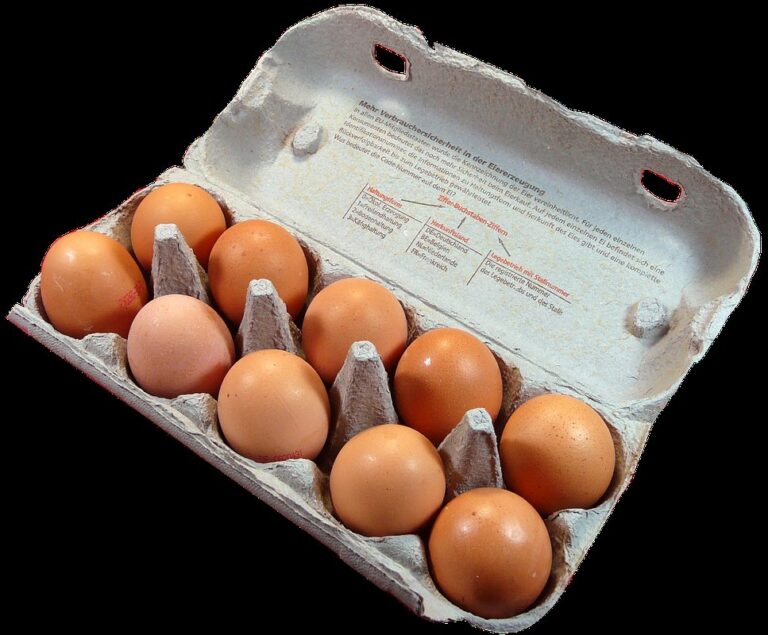
What Are Chicken Boxes?
You might be wondering what chicken boxes are and how they’re used, so let’s start with the basics: a brief overview of these versatile containers. We’ll cover their common applications and purposes.
Definition and Purpose of Chicken Boxes
A chicken box is essentially a versatile storage unit designed to hold items safely while also adding a decorative touch to any space. These boxes typically feature an open top and sturdy walls that can be made from various materials, including wood, plastic, or metal. Chicken boxes come in different shapes and sizes to suit specific needs, ranging from small decorative containers to large storage units.
Their primary purpose is to store or display items like collectibles, artwork, linens, or seasonal decorations. For instance, a chicken box with glass panels can be used to showcase figurines or vases on a shelf, while a wooden chicken box might serve as a cozy storage space for children’s toys.
When choosing a chicken box, consider the size of the items you want to store, the style of your room, and any specific requirements like ventilation or humidity control. This will help ensure that you select a chicken box that not only meets but also exceeds your needs. Some people even use chicken boxes as DIY projects by repurposing old containers or adding personal touches with paint or decorative trim.
Types of Chicken Boxes Available
When it comes to choosing the right chicken box for your needs, you’ll find that there are several types available, each with its own unique features and benefits. One popular option is a wooden chicken box, made from sustainable wood such as pine or cedar. These boxes are often preferred for their natural appearance and ability to blend in with outdoor surroundings.
Another option is a plastic chicken box, which is lightweight, easy to clean, and resistant to pests and rot. Some models even come equipped with built-in ventilation systems to keep your chickens cool and healthy. Metal chicken boxes are also available, often made from galvanized steel or aluminum. These boxes are durable and can withstand harsh weather conditions.
It’s worth considering the pros and cons of each material type before making a decision. For example, wooden boxes may require more maintenance than plastic or metal options, but they can be repurposed as garden planters once your chickens have outgrown them. Plastic boxes, on the other hand, are often less expensive upfront but may not last as long as their metal counterparts. Ultimately, the right chicken box for you will depend on your specific needs and preferences.
Benefits of Using Chicken Boxes
Using chicken boxes can bring numerous benefits to your home organization system. One of the primary advantages is that they provide a designated space for storing and organizing items such as toys, books, linens, and cleaning supplies. This not only keeps your living spaces clutter-free but also makes it easier to locate what you need when you need it.
In addition to their functional benefits, chicken boxes can also add an aesthetic touch to your home decor. They come in a variety of shapes, sizes, and materials, allowing you to choose the perfect fit for your space and personal style. For example, you could use a decorative chicken box as a coffee table storage unit or as a stylish side table.
Another benefit of using chicken boxes is that they can help maximize your storage capacity. By utilizing vertical space, these containers make it easy to store bulky items such as out-of-season clothing or luggage without taking up too much floor space. This is particularly useful in small homes or apartments where storage room is limited.
By incorporating chicken boxes into your home organization system, you’ll be able to enjoy a more organized and clutter-free living environment that also looks great.
Choosing the Right Chicken Box for Your Needs
When selecting a chicken box, it’s essential to consider your specific needs and goals, whether you’re raising chickens for eggs, meat, or as pets. This section will guide you through the process of choosing the right one.
Factors to Consider When Selecting a Chicken Box
When selecting a chicken box, there are several key factors to consider to ensure it meets your needs and provides a safe and healthy environment for your flock. The size of the box is crucial, as it should be large enough to accommodate your chickens comfortably without overcrowding. A general rule of thumb is to provide at least 2-4 square feet of space per chicken inside the box.
The material used to construct the chicken box is also important. You’ll want a durable and weather-resistant material that can withstand the elements, such as metal or plastic. Wooden boxes are also a popular option, but they may require more maintenance to prevent rot and pest damage. Consider the climate in your area and choose a material that can handle extreme temperatures and weather conditions.
In addition to size and material, the design of the chicken box is also important. Look for features such as ventilation, easy cleaning access, and secure entry/exit points. Some boxes may come with built-in nesting boxes or roosts, which can be beneficial for egg-laying and perching needs. Consider your chickens’ specific needs and choose a box that meets those requirements.
Popular Uses for Chicken Boxes
Chicken boxes are incredibly versatile storage solutions that can be used in various aspects of our lives. Let’s take a look at some popular uses for chicken boxes.
One of the most obvious uses for a chicken box is storing toys and games. Perfect for playrooms, nurseries, or living areas, these containers keep clutter at bay while keeping your space organized. For instance, you can store board games, puzzles, or stuffed animals in one large box and label it accordingly. This way, kids (and adults!) can easily find what they need without having to dig through the mess.
You can also use chicken boxes to store linens such as blankets, pillows, and even out-of-season bedding. Label each compartment so you can quickly locate what you’re looking for. Furthermore, chicken boxes are great for storing household items like cleaning supplies, tools, or hardware accessories. Consider dividing a large box into smaller compartments to maximize storage space.
By utilizing chicken boxes in these creative ways, you’ll save time searching for lost items and maintain a tidy environment that promotes productivity.
DIY vs. Store-Bought Chicken Boxes
When it comes to choosing a chicken box for your needs, one of the most important decisions you’ll make is whether to go with a DIY project or purchase a pre-made store-bought option. Both paths have their advantages and disadvantages.
Making your own chicken box can be a cost-effective solution, especially if you’re already familiar with carpentry and woodworking skills. You can choose the exact size and design that fits your specific needs, and use reclaimed or sustainable materials to create an eco-friendly coop. However, this route requires time and effort, and may not yield the desired results if you’re not experienced in building.
On the other hand, store-bought chicken boxes are often more convenient and easier to assemble. They come with pre-made plans and instructions, making it a great option for beginners or those short on time. However, they can be more expensive than making your own, and may lack the customization options that you need.
Ultimately, whether to choose DIY or store-bought will depend on your specific needs, skills, and preferences. Consider factors such as budget, space constraints, and personal creativity before making a decision.
Benefits of Using Chicken Boxes in Home Decor
Adding a chicken box to your home decor can not only add a rustic touch but also create a unique conversation starter for guests. Let’s dive into its benefits and uses!
Adding a Touch of Rustic Charm to Your Home
Adding a touch of rustic charm to your home is easier than you think, and it all starts with repurposing old chicken boxes. These utilitarian containers are often overlooked, but they hold a unique charm that can be transformed into a beautiful decorative piece. One way to achieve this look is by leaving the original finish intact and adding some distressed accents through paint or stenciling. This will give your chicken box a worn, vintage appearance that’s perfect for a rustic-themed room.
Consider decorating your chicken box with natural elements like burlap, twine, or pinecones to bring in a sense of outdoorsy charm. You can also add a touch of whimsy by incorporating metal lanterns, mason jars, or other vintage items. To create a focal point, group several chicken boxes together and display them as a collection on a shelf or wall. Alternatively, you could use one large box as a planter for small plants or herbs, adding a pop of greenery to your space.
When decorating your chicken box, don’t be afraid to think outside the box – literally! Add a personal touch by incorporating items that reflect your personality or interests. For example, if you’re an avid gardener, consider displaying vintage gardening tools or a collection of potted plants inside the box.
Creating Storage Solutions with Chicken Boxes
If you’re looking for creative ways to utilize chicken boxes beyond their original purpose as storage units for poultry, consider repurposing them into storage solutions that can be incorporated seamlessly into your home decor. One such example is using a chicken box as an under-bed storage container. Clean and paint the box to match your bedroom’s aesthetic, then slide it under your bed for storing out-of-season clothing or linens.
Another innovative use for a chicken box is transforming it into a coffee table decor piece. Place two chicken boxes side by side on a coffee table or console table and fill them with decorative items like vases, candles, or books to add visual interest to the space. You can also place a small potted plant in one of the boxes to bring some greenery to your living room.
To take this idea further, get creative with your chicken box decor by adding personal touches such as monogrammed labels or paint, and experiment with different arrangements until you find a style that suits your taste. By repurposing chicken boxes into functional storage solutions, you can breathe new life into your home while reducing clutter and maximizing space.
Using Chicken Boxes in Small Spaces
When it comes to small spaces like apartments or condos, maximizing storage and utilizing every nook and cranny is crucial. Chicken boxes can be a game-changer in these situations, providing a versatile and compact storage solution that’s perfect for tight spaces.
One of the best ways to use chicken boxes in small spaces is to repurpose them as a coffee station or bar area. For example, you could place a small chicken box under your kitchen counter and fill it with coffee beans, creamers, and sugar. This not only keeps your countertops clear but also adds a touch of whimsy to the space.
Another idea is to use chicken boxes as bookshelves or display cases for decorative items. You can stack them on top of each other to create a tiered shelving unit that’s both functional and visually appealing. To make it even more interesting, you could add some decorative trim or paint the chicken box in a bold color.
When choosing a chicken box for small spaces, consider one with a compact design or a narrow profile to save on floor space. You can also opt for a chicken box with wheels or casters, making it easier to move around and reconfigure your storage setup as needed. By thinking outside the box – literally! – you can turn chicken boxes into must-have items in even the smallest of spaces.
DIY Chicken Box Ideas and Plans
Whether you’re a seasoned homesteader or a beginner looking for a creative project, this section will show you how to build a functional chicken box from scratch using simple materials. We’ll share DIY plans and ideas to get you started!
Step-by-Step Instructions for Building a Chicken Box
To build a chicken box from scratch, start by gathering the necessary materials. You’ll need 2×4 lumber for the frame, 1×6 boards for the floor and walls, roofing felt, shingles, and hardware cloth to protect against predators. Don’t forget a waterproof coating and a door latch.
Begin by constructing the frame using 2×4 lumber. Cut four pieces for the corners and two for the sides, then attach them together with screws. Next, add the floor and walls using 1×6 boards, making sure to secure them tightly with nails or screws. Cover the roof with roofing felt and shingles, overlapping each course by six inches.
Add a layer of hardware cloth around the bottom half of the box to keep out predators. Attach it to the frame using wire or staples. Finally, apply a waterproof coating to protect the wood from moisture. Hang your door latch securely and attach any additional features you like, such as nesting boxes or perches. This should give you a sturdy chicken box to house your flock safely.
Creative Upcycling Ideas for Old Chicken Boxes
When you’re done using old chicken boxes for their original purpose, there are plenty of creative ways to upcycle them. You can breathe new life into these discarded containers and turn them into functional pieces that add a touch of personality to your home.
One idea is to convert the chicken box into a planter. Simply clean it thoroughly, then fill it with soil and plant your favorite flowers or herbs. This not only adds color and vibrancy to your yard but also reduces waste by reusing an old container. Another creative use for old chicken boxes is turning them into shelves. Attach small brackets or hooks to the inside of the box and hang it on a wall, perfect for storing small items like books, decorative trinkets, or kitchen utensils.
You can also repurpose the chicken box as a storage unit by attaching casters or legs to the bottom and using it as an additional shelf in your pantry or garage. Alternatively, you could add some decorative paint or stickers to give it a personalized touch. The possibilities are endless when it comes to upcycling old chicken boxes – get creative and find a new use for these versatile containers!
Tips and Tricks for Painting and Decorating Your Chicken Box
When it comes to painting and decorating your chicken box, the possibilities are endless. But before you start getting creative, there are a few things to keep in mind.
First, make sure to choose a paint that’s specifically designed for outdoor use and can withstand the elements. You don’t want your beautiful design to fade or chip away after just a few months.
Consider using a water-resistant coating or primer to protect the wood and prevent warping or rotting. This will also help extend the life of your chicken box and keep it looking its best.
In terms of decoration, think about adding some personality to your chicken box with colorful trim or decorative accents. You can use materials like metal, stone, or even reclaimed wood to add a unique touch.
Some popular designs include adding a small roof extension or creating a cozy nook for your chickens to roost in. Whatever you choose, make sure it’s safe and secure for your feathered friends.
Remember to always follow proper safety precautions when painting and decorating your chicken box, and don’t hesitate to get creative with your design – after all, this is your chance to add some personality to your backyard!
Safety Precautions When Using Chicken Boxes
When using chicken boxes, it’s essential to take certain precautions to avoid accidents and injuries. This includes proper handling, storage, and maintenance of your chicken box.
Avoiding Hazards and Injuries
When handling chicken boxes, it’s essential to be aware of potential hazards and take preventive measures to avoid injuries. One common risk is slipping on droppings or debris that may accumulate at the base of the box. To mitigate this, ensure good ventilation by providing adequate air circulation around the coop or enclosure.
Another hazard is electrical shock from exposed wiring or malfunctioning equipment. Always inspect your chicken box before use and replace any damaged components. Regularly clean the area to prevent slipping hazards.
Additionally, be mindful of sharp edges or corners on the box itself. Use protective covers or padding to minimize the risk of injury. Teach children and visitors to handle the box with care, avoiding sudden movements that could lead to accidents.
By being aware of these potential hazards and taking proactive steps, you can ensure a safe and enjoyable experience when using your chicken box. Always prioritize caution and common sense when interacting with any equipment or structure related to your poultry keeping activities.
Proper Use and Maintenance of Chicken Boxes
To get the most out of your chicken box, it’s essential to use and maintain it correctly. First, ensure you’re using the right size for your chickens; a box that’s too small can lead to overcrowding, while one that’s too large might be wasteful. Next, place the box in an area with adequate ventilation and shelter from harsh weather conditions.
Cleanliness is also crucial. Remove soiled bedding material regularly, replacing it with fresh sawdust or straw. This will help keep your chickens healthy and prevent the buildup of diseases. For maintenance, inspect the box’s structural integrity periodically, checking for any signs of damage or wear.
To extend its lifespan, avoid overloading the box, as this can put excessive pressure on the structure. You should also regularly check for pests like mites and lice that can cause harm to your chickens. By following these guidelines, you’ll be able to enjoy a long-lasting chicken box that meets your flock’s needs while keeping them safe and healthy.
Conclusion: The Versatility and Practicality of Chicken Boxes
In conclusion, chicken boxes have proven to be an incredibly versatile and practical solution for various purposes. Whether you’re looking for a creative way to store small items in your garage or need a temporary shelter for your chickens, these boxes can fit the bill. By incorporating DIY ideas and repurposing materials, you can create custom chicken boxes that meet your specific needs and save money in the process. For instance, you could use old pallets or crates to build a chicken box with easy-to-clean surfaces and adequate ventilation. With a little creativity, the possibilities are endless, making chicken boxes an excellent addition to any backyard or storage space. By embracing the flexibility of chicken boxes, you can maximize your storage potential and enhance your outdoor living experience.
Frequently Asked Questions
Can I use chicken boxes with varying sizes to create a uniform look?
Yes, using chicken boxes of different sizes can add visual interest to your space, but it’s essential to maintain a cohesive aesthetic by choosing containers that complement each other in terms of style and material. Consider grouping similar-sized boxes together or balancing large ones with smaller ones to achieve a harmonious display.
How do I ensure my DIY chicken box is sturdy enough for heavy items?
To guarantee the stability of your homemade chicken box, use sturdy materials such as reclaimed wood or thick cardboard, and reinforce the structure with additional supports if necessary. You can also add a layer of protection by lining the box with a waterproof material to prevent damage from moisture.
What’s the best way to decorate my chicken boxes without compromising their functionality?
When decorating your chicken boxes, prioritize a design that complements their original purpose as storage containers. Consider adding labels or signs to clearly identify contents, and choose decorations that are easy to remove or replace if needed. This will ensure your chicken boxes remain functional while still making a stylish statement.
Can I use chicken boxes in areas with high humidity, such as bathrooms or kitchens?
Yes, but it’s crucial to take extra precautions to prevent water damage and mold growth. Use waterproof linings or coatings on the interior of the box, and ensure good ventilation around the area where you’ll be placing the box. Regularly inspect your chicken boxes for signs of moisture damage and address any issues promptly.
How do I clean and maintain my chicken boxes over time?
Regular maintenance is key to extending the lifespan of your chicken boxes. Clean them gently with mild soap and water, and avoid using harsh chemicals that can damage materials or compromise structural integrity. Inspect your containers regularly for signs of wear and tear, making any necessary repairs promptly to prevent further damage.