
Are you tired of relying on synthetic fertilizers for your garden or farm? You’re not alone. As concern about environmental sustainability grows, farmers and gardeners are seeking natural alternatives that won’t harm the planet. One untapped resource holds great promise: chicken manure nitrogen content. This often-overlooked byproduct is teeming with nitrogen, a crucial nutrient for plant growth. But what exactly does this mean for you? In this article, we’ll explore the benefits of using chicken manure as a fertilizer alternative, its various applications, and the environmental impact it can have when used responsibly. By the end of this post, you’ll understand why chicken manure nitrogen content is an exciting development in sustainable agriculture and how you can harness its potential for your own gardening or farming needs.
Introduction to Chicken Manure Nitrogen
Let’s start by understanding the basics of chicken manure nitrogen, its composition, and why it’s an essential nutrient for plant growth. This fundamental knowledge sets the stage for exploring its various applications.
Importance of Nitrogen in Agriculture
Nitrogen is often referred to as the backbone of plant growth. It’s an essential element that plays a vital role in photosynthesis, protein synthesis, and overall crop health. Without sufficient nitrogen, plants struggle to produce amino acids, which are the building blocks of proteins.
During photosynthesis, plants use nitrogen to create chlorophyll, which helps them absorb sunlight and convert it into energy. This process is critical for plant growth, as it allows plants to grow taller, stronger, and more resilient. Moreover, nitrogen is a key component in protein synthesis, helping plants repair damaged tissues, produce new cells, and maintain overall health.
Agricultural crops require nitrogen-rich fertilizers to thrive. However, excessive use of synthetic nitrogen-based fertilizers can lead to environmental degradation and harm the ecosystem. Chicken manure nitrogen content offers an attractive alternative for farmers looking to reduce their reliance on chemical fertilizers while maintaining crop yields. By harnessing the natural potential of chicken manure as a nutrient-rich fertilizer, farmers can promote sustainable agriculture practices that prioritize soil health and environmental conservation.
Overview of Chicken Manure as a Nitrogen Source
Chicken manure is a nutrient-rich byproduct of poultry farming that has gained attention in recent years as a potential nitrogen source for agricultural applications. One of the primary benefits of utilizing chicken manure as a fertilizer is its high nitrogen content, which can help to promote plant growth and improve soil fertility.
However, there are also challenges associated with using chicken manure as a nitrogen-rich fertilizer. For instance, it may contain pathogens such as E. coli and Salmonella, which can pose health risks if not properly treated or composted. Additionally, the nutrient content of chicken manure can be highly variable depending on factors such as diet, age, and breed of the chickens.
Despite these challenges, chicken manure has several applications in agriculture. It can be used to improve soil structure, increase crop yields, and reduce synthetic fertilizer use. In many countries, including China and India, chicken manure is already being utilized as a sustainable fertilizer source. To tap into this potential, farmers and gardeners should focus on proper collection, storage, and treatment of the manure to minimize pathogens and maximize nutrient availability.
Nitrogen Content in Chicken Manure: A Comprehensive Analysis
Now that we’ve explored the basics of chicken manure nitrogen content, let’s dive deeper into its composition and how it affects various applications.
Measuring Nitrogen Content in Chicken Manure
Determining the nitrogen content in chicken manure is crucial for understanding its fertilizer value and potential environmental impact. Several methods are employed to measure nitrogen levels, each with its own strengths and limitations.
Wet chemistry techniques involve dissolving the sample in a solvent, which can be time-consuming and labor-intensive. Dry ashing, on the other hand, involves heating the sample to high temperatures until only ashes remain, leaving behind the nitrogen content. This method is more efficient but requires specialized equipment.
Other methods include distillation, where volatile compounds are separated from the manure, and spectroscopy, which uses light to measure the nitrogen levels. Each of these techniques has its own advantages and disadvantages, making it essential to choose the most suitable one for your specific needs.
When selecting a method, consider factors such as sample size, equipment availability, and desired level of accuracy. For example, if you’re working with a small-scale farm, wet chemistry might be more practical due to its lower equipment requirements. However, if you need precise measurements, dry ashing or spectroscopy may be more suitable.
Ultimately, the choice of method will depend on your specific goals and resources. By understanding the various techniques for measuring nitrogen content in chicken manure, you can make informed decisions about its use as a fertilizer and minimize any potential environmental impacts.
Factors Influencing Nitrogen Content
The nitrogen content of chicken manure is significantly influenced by several factors. Breed is one such factor; for instance, Leghorns are known to have higher nitrogen levels than Rhode Island Reds. The diet of the chickens also plays a crucial role; feeding them high-protein feed can lead to increased nitrogen excretion in their manure.
The age of the chicken at slaughter affects nitrogen content as well; research suggests that younger birds tend to produce manure with lower nitrogen levels. Environmental conditions such as temperature, humidity, and even the specific microorganisms present in the farm’s ecosystem all contribute to variations in nitrogen content.
For example, a study found that chicken manure from farms in tropical regions had higher nitrogen levels than those from cooler climates. Understanding these factors can help farmers and waste management professionals optimize their handling of chicken manure for fertilization purposes or other applications.
Environmental Impact of Using Chicken Manure Fertilizer
When it comes to using chicken manure fertilizer, understanding its environmental impact is crucial. Let’s take a closer look at how this natural resource affects our soil and waterways.
Soil Pollution Concerns
Using chicken manure fertilizer can have unintended consequences on soil quality, posing significant concerns for environmental health. One of the primary issues is nutrient imbalance, where excessive nitrogen application leads to an overabundance of nutrients in the soil. This can cause eutrophication, where excess nutrients stimulate an explosive growth of algae, depleting oxygen and harming aquatic life. A study by the Environmental Protection Agency (EPA) found that agricultural runoff contributes significantly to water pollution, with chicken manure being a major contributor.
Furthermore, using untreated or unsterilized chicken manure can lead to pathogen transmission, contaminating soil and groundwater. Pathogens like E. coli, Salmonella, and Campylobacter pose serious health risks to humans and animals. To mitigate these risks, farmers should adopt best management practices (BMPs) such as composting, sterilization, or proper storage of chicken manure to reduce the risk of nutrient imbalance and pathogen transmission. Farmers can also implement cover cropping, rotational grazing, or integrating chicken manure with other organic amendments to minimize negative impacts on soil quality and ensure a more sustainable agricultural practice.
Best Management Practices for Safe Use
To minimize environmental impacts associated with chicken manure fertilizer use, it’s essential to implement best management practices for safe handling and application. When storing chicken manure fertilizer, ensure that containers are airtight and kept away from direct sunlight, heat sources, or flammable materials.
Before applying the fertilizer, test its nitrogen content and pH levels to avoid over-fertilization and potential damage to crops. Use a 10:1 ratio of water to dry chicken manure when mixing for application. Apply it in moderation, ideally during the growing season, to minimize leaching into groundwater.
To further prevent environmental harm, consider incorporating cover crops that help stabilize soil nitrogen levels. Crop rotation is also essential to maintain soil fertility and reduce the risk of nutrient depletion. Regular monitoring of soil moisture levels can also help mitigate runoff risks associated with heavy rainfall events.
Chicken Manure Nitrogen Applications in Agriculture
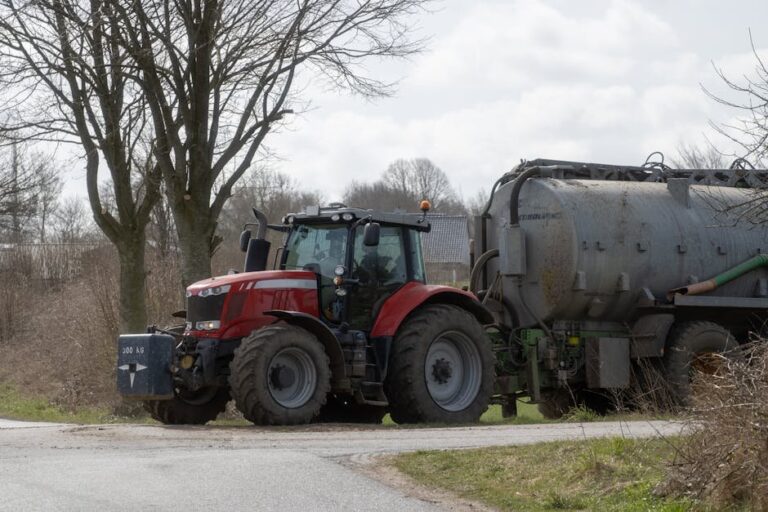
When it comes to utilizing chicken manure as a nitrogen source, one of the most promising applications is directly injecting it into agricultural fields. This method can significantly boost crop yields and reduce fertilizer reliance.
Crop Selection and Fertilizer Timing
When selecting crops for chicken manure fertilizer application, it’s essential to consider the nutrient demand of each crop. Nutrient-rich crops like corn and soybeans require higher nitrogen levels than others. These crops should be fertilized with chicken manure during the growth stage when they are most responsive to nitrogen.
Vegetables like lettuce and spinach have lower nitrogen requirements but still benefit from nitrogen-rich fertilizer like chicken manure. Apply it during the early stages of growth, when these plants need a boost to establish themselves. Fruit trees and vines also require consistent nutrient supply throughout their growing season.
The climate and region-specific conditions should also be taken into consideration while selecting crops for chicken manure application. For example, warm-season crops like corn and soybeans perform well in regions with hot summers. In contrast, cool-season crops like broccoli and cauliflower do better in cooler temperatures. By matching the crop type to the regional climate, you can maximize the benefits of using chicken manure fertilizer.
Benefits of Using Chicken Manure Fertilizer
Using chicken manure fertilizer offers numerous benefits for agricultural practices. One significant advantage is the reduced reliance on synthetic fertilizers. By utilizing natural and organic sources like chicken manure, farmers can minimize their environmental footprint while maintaining soil fertility. This shift towards sustainable farming not only preserves natural resources but also reduces the financial burden associated with purchasing synthetic fertilizers.
Another key benefit of using chicken manure fertilizer is its ability to improve soil health. Chicken manure contains essential nutrients such as nitrogen, phosphorus, and potassium that are crucial for plant growth. When incorporated into the soil, these nutrients help create a balanced ecosystem, promoting beneficial microbial activity and overall soil fertility. This improvement in soil health leads to increased crop yields and better disease resistance.
In addition to the above benefits, using chicken manure fertilizer can also increase crop yields. The nitrogen content in chicken manure is particularly valuable for plant growth, allowing crops to thrive with reduced reliance on external fertilizers. Farmers can reap these benefits by implementing integrated nutrient management practices that combine natural sources like chicken manure with proper soil testing and application methods.
Economic Viability of Chicken Manure Nitrogen Use
Let’s explore the economic viability of using chicken manure nitrogen, a crucial aspect to consider when evaluating its potential applications and uses. Can it be a cost-effective solution?
Cost-Benefit Analysis
When evaluating the economic feasibility of using chicken manure fertilizer in agriculture, it’s essential to conduct a cost-benefit analysis. This involves weighing the costs associated with collecting and processing the manure against its potential benefits.
The primary cost factor is the time and resources required for collection and transportation, which can range from $5 to $20 per ton depending on the distance and method of transport. However, this pales in comparison to the average price of synthetic nitrogen fertilizers, which can exceed $300 per ton. Moreover, chicken manure fertilizer contains a mix of nutrients that can replace multiple types of synthetic fertilizers.
To maximize benefits, consider implementing a farm-scale composting system or partnering with local farms to reduce transportation costs. By doing so, you can save up to 50% on processing costs and increase the nitrogen content in your soil by approximately 20-30%. For instance, if you’re applying 1 ton of chicken manure fertilizer per acre, you could potentially save around $150-$300 annually compared to using synthetic alternatives.
In summary, when conducted correctly, a cost-benefit analysis reveals that utilizing chicken manure fertilizer can be an economical solution for farmers seeking sustainable nitrogen-rich soil amendments.
Policy and Regulatory Considerations
The use of chicken manure fertilizer is heavily influenced by existing policies and regulations. In many countries, the application of nitrogen-rich fertilizers like chicken manure is subject to strict guidelines aimed at minimizing environmental impact. For instance, in the European Union, the Nitrates Directive regulates the use of organic fertilizers, including chicken manure, to prevent water pollution.
Despite these regulatory challenges, there are opportunities for innovation in the policy landscape. Governments and industry leaders can work together to develop more sustainable practices, such as anaerobic digestion or composting, which not only reduce environmental harm but also generate energy. In some regions, tax incentives or subsidies are offered to encourage farmers to adopt these alternative methods.
To navigate these policies effectively, it’s essential for farmers and businesses to stay informed about local regulations and potential opportunities for innovation. By doing so, they can minimize risks and maximize the economic benefits of using chicken manure nitrogen content as a fertilizer.
Conclusion: Harnessing Chicken Manure Nitrogen Potential
As we’ve explored the importance of chicken manure nitrogen content, let’s now discuss how to harness its potential for sustainable farming practices.
Recap of Key Findings
In conclusion to our discussion on chicken manure nitrogen content, it’s essential to recap the key findings and emphasize the importance of responsible management. As we’ve explored throughout this article, chicken manure is a rich source of nitrogen, a crucial nutrient for plant growth.
We’ve highlighted that proper storage and handling can significantly increase nitrogen retention in chicken manure. For instance, using covered storage facilities or incorporating cover crops into your rotation can help minimize ammonia volatilization. This approach not only optimizes fertilizer potential but also reduces the environmental impact of excessive nitrogen release.
Furthermore, our analysis has shown that converting chicken manure into a more stable form, such as compost or anaerobic digestate, can significantly enhance its nitrogen availability for plants. By adopting these best management practices, farmers and producers can unlock the full nitrogen potential of their chicken manure while minimizing waste and environmental degradation. This responsible approach will not only improve crop yields but also contribute to a more sustainable agricultural system.
Future Directions for Research and Application
As we conclude our exploration of chicken manure nitrogen content, it’s essential to consider future directions for research and development. To improve the utilization of this valuable resource in agriculture, several areas warrant further investigation.
One promising avenue is optimizing the conversion process of chicken manure into biofertilizers or other value-added products. Research has shown that using enzymes or microorganisms can enhance nitrogen release from chicken manure by up to 30%. However, more studies are needed to scale up this technology and make it economically viable for farmers.
Another area of focus should be on developing more efficient methods for nitrogen extraction and purification. For instance, a recent study demonstrated the effectiveness of using advanced membrane technologies to recover nitrogen from chicken manure with minimal energy input. By investing in this research, we can create sustainable solutions that minimize waste and maximize fertilizer production.
Ultimately, collaboration between scientists, farmers, and industry experts will be crucial in unlocking the full potential of chicken manure nitrogen content.
Frequently Asked Questions
Can I use chicken manure nitrogen content immediately after collecting it from my farm or backyard?
Yes, but it’s essential to properly process and dry the manure to reduce its moisture content and prevent pathogens. This will help you store it safely and efficiently for later use as a fertilizer.
How do I ensure that my soil is not too saturated with chicken manure nitrogen, causing potential pollution concerns?
Regularly testing your soil pH and nutrient levels can help you determine if the chicken manure has reached toxic levels. You should also follow best management practices (BMPs) for storing and applying the fertilizer to minimize risks.
What are some common mistakes beginners make when using chicken manure as a nitrogen source, and how can I avoid them?
Common mistakes include overapplication, incorrect storage, and inadequate testing. To avoid these pitfalls, consult with experts or online resources, follow established guidelines, and test your soil regularly to adjust application rates accordingly.
How long does it take for chicken manure to break down in the soil, releasing its nitrogen content?
The breakdown process typically occurs within 1-3 months after application, depending on factors like temperature, moisture, and microbial activity. You can speed up this process by incorporating other organic matter or using cover crops that promote nutrient cycling.
Are there any specific crop selection guidelines for maximizing the benefits of chicken manure nitrogen content?
Yes, choose crops with high nitrogen requirements, such as corn, soybeans, and wheat. You should also consider factors like soil type, climate, and available water when selecting the most suitable crops for your farm or garden.