
When you think of dogwood trees, you might picture their stunning flowers or vibrant berries. But did you know that these fruits have been a valuable resource for centuries? Not only are they packed with nutritional value and offer various health benefits, but they also hold significant cultural and historical importance in many parts of the world. However, not all dogwood fruit is edible – some varieties can be toxic to humans and animals alike. In this comprehensive guide, we’ll delve into the characteristics of dogwood fruits, explore their uses, and discuss the differences between edible and inedible varieties. We’ll also examine the potential health benefits of consuming these fruits and explore their cultural significance across various societies.
Characteristics and Types of Dogwood Fruits
Dogwood fruits come in a variety of shapes, sizes, and colors, each with its own unique characteristics. Let’s dive into the fascinating world of dogwood fruit types and explore their differences together!
Physical Description and Variations
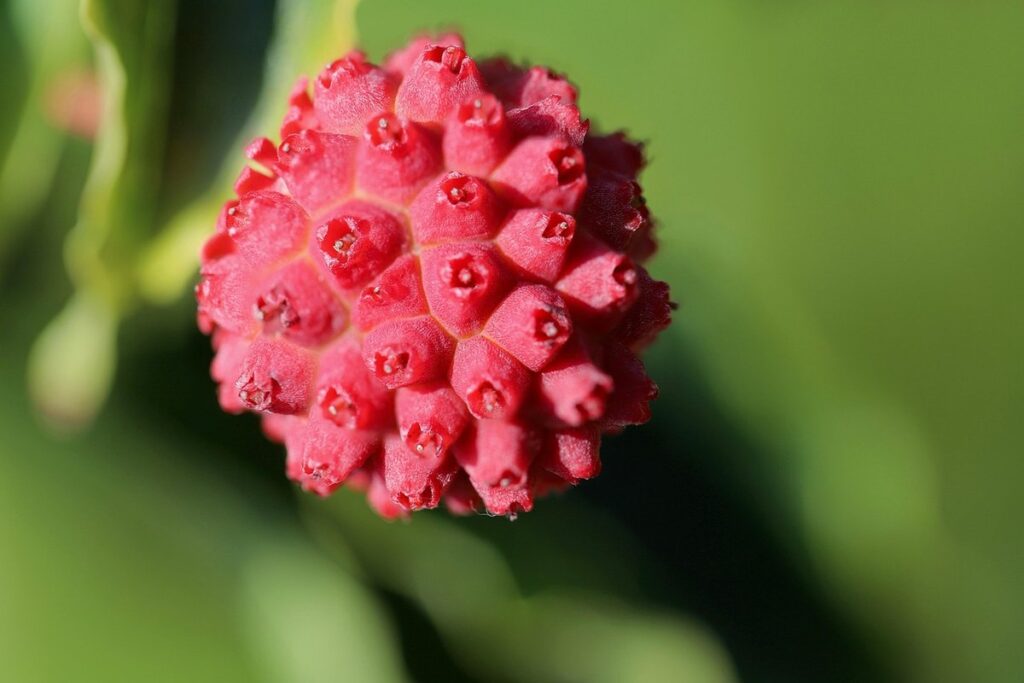
Dogwood fruits are small and delicate, measuring between 1-2 inches in length. They come in various shapes, with some species producing spherical fruits while others have an oval or elliptical shape. The color of the fruit varies depending on the species, but most dogwood fruits range from a deep red to a light blue-purple hue. Some varieties may also exhibit a combination of colors, such as pink or white with a blue undertone.
The physical appearance of dogwood fruits is often described as being like tiny apples, although they typically lack the characteristic bright red skin of their larger fruit counterparts. The texture of the fruit can range from smooth to slightly hairy, depending on the species. In some cases, you may notice small ridges or creases on the surface of the fruit.
When examining dogwood fruits, it’s essential to note that they tend to remain attached to the tree even after ripening. This is a result of the stem being quite rigid and resistant to breaking off. However, if you want to collect or harvest dogwood fruits for any reason, gently twisting the stem should be sufficient to release the fruit without damaging it.
Edible vs. Inedible: Understanding the Types of Dogwood Fruits
When it comes to dogwood fruits, not all are safe for consumption. In fact, some can be toxic if ingested. To navigate this complex world of edible and inedible dogwood fruits, let’s explore the types you should avoid and those that are safe to eat.
The Kousa Dogwood (Cornus kousa) produces fruit that is not only edible but also a popular ingredient in Korean cuisine. The berries have a sweet-tart taste and can be eaten raw or used in jams and preserves. On the other hand, the Cornelian Cherry Dogwood (Cornus mas) produces fruit that is toxic to humans and should be avoided.
It’s essential to note that even if a dogwood fruit is edible, it may still cause gastrointestinal upset in some individuals. Therefore, only consume fruits from dogwood trees that are known to produce safe berries. Be sure to research the specific tree variety before attempting to eat its fruit.
When foraging for wild dogwoods, be aware of any lookalike species that might contain toxic compounds. For instance, the Asian White Dogwood (Cornus kousa var. chinensis) contains a compound called amygdalin, which can release cyanide when ingested. Always exercise caution and consult with an expert or relevant resources before consuming wild dogwood fruits.
Nutritional Value and Health Benefits
The fruit of a dogwood tree is not just a tasty treat, but also packs a nutritional punch that’s worth exploring. Let’s dive into its surprising health benefits!
Antioxidants and Vitamins: The Nutritional Profile of Dogwood Fruits
Dogwood fruits are not only a treat for the eyes but also a nutritional powerhouse. Rich in essential nutrients, these berries pack a punch when it comes to providing vitamins and antioxidants that our bodies need. One of the standout features of dogwood fruits is their high content of vitamin C, with some varieties boasting levels up to 50mg per 100g serving.
In addition to vitamin C, dogwood fruits are also rich in other essential vitamins and minerals such as potassium, magnesium, and iron. The antioxidant profile of dogwood fruits is equally impressive, with a range of polyphenols and flavonoids that have been shown to have anti-inflammatory properties. These antioxidants can help protect against cell damage and oxidative stress, which can contribute to chronic diseases like heart disease and cancer.
If you’re looking to incorporate dogwood fruits into your diet, be sure to wash them thoroughly before consumption to remove any dirt or debris. You can enjoy them raw, add them to salads, or blend them into a delicious smoothie.
Potential Health Benefits: From Anti-Inflammatory to Antimicrobial Properties
Consuming dogwood fruits may have several potential health benefits due to their unique properties. One of the key advantages is their anti-inflammatory effects. The fruit contains compounds that can help reduce inflammation and alleviate symptoms associated with conditions like arthritis, gout, and other inflammatory diseases. Studies suggest that extracts from dogwood trees exhibit significant inhibitory activity against certain enzymes involved in the inflammatory process.
Moreover, dogwood fruits possess antimicrobial properties, which can aid in fighting infections caused by bacteria, fungi, or viruses. The fruit’s ability to inhibit the growth of these microorganisms makes it a potential natural remedy for treating various health issues, from minor skin irritations to more severe infections. While there is ongoing research to explore the extent of these benefits, some traditional medicine practices have already incorporated dogwood fruits into their treatment protocols.
If you’re considering incorporating dogwood fruit into your diet or using it as an herbal remedy, consult with a healthcare professional first, especially if you’re pregnant, breastfeeding, or taking medications.
Uses and Applications
Now that you know more about the fruit of a dogwood tree, let’s explore its various uses and applications, from culinary delights to traditional medicine.
Culinary Uses: Preparing and Cooking Dogwood Fruits
When it comes to preparing and cooking dogwood fruits, there are several methods you can use depending on the desired texture and flavor. The most common way to prepare dogwood fruits is by making a jam or jelly. To do this, simply wash and chop the fruit, then combine it with sugar and pectin in a saucepan. Bring the mixture to a boil, then reduce the heat and let it simmer for 10-15 minutes.
You can also use dogwood fruits in baked goods like muffins or cakes. Simply puree the fruit and mix it with flour, sugar, eggs, and spices to create a delicious and moist batter. Another option is to make a syrup by cooking down the fruit with a little water until it reaches your desired consistency.
For a more savory dish, you can use dogwood fruits in a stir-fry or sauce. Simply chop the fruit and sauté it with some oil, garlic, and ginger, then serve over rice or noodles. You can also puree the fruit and mix it with soy sauce and vinegar to create a delicious and tangy sauce.
To preserve dogwood fruits for later use, you can make a simple syrup by cooking the fruit down until it reaches your desired consistency, then storing it in the fridge or freezer. Alternatively, you can pickle the fruit by soaking it in a brine made with vinegar, sugar, and spices.
Medicinal and Cosmetic Uses: Harnessing the Power of Dogwood Fruits
Dogwood fruits have been used for centuries to treat various ailments and improve overall health. In traditional medicine, the fruit has been used to alleviate fever, rheumatism, and skin conditions like eczema and acne. The bark of the dogwood tree is a rich source of salicylic acid, a compound also found in aspirin, which helps reduce inflammation and pain.
In modern times, the medicinal properties of dogwood fruits have been harnessed to create various skincare products. Dogwood extract has been used in creams and serums to treat acne, reduce inflammation, and promote skin elasticity. Some studies even suggest that dogwood fruit may have antioxidant properties, which can help protect against cell damage and premature aging.
When using dogwood fruits for medicinal or cosmetic purposes, it’s essential to note the correct preparation methods. For internal use, the dried fruit should be powdered and mixed with water or a carrier oil. For topical application, a cream or serum containing dogwood extract can be applied directly to the affected area. Remember to always consult with a healthcare professional before using any new remedies or products, especially if you have sensitive skin or allergies.
Research has shown that dogwood fruits contain a range of beneficial compounds, including flavonoids and phenolic acids. These compounds contribute to their medicinal properties and make them an effective natural remedy for various health issues.
Growing and Harvesting Dogwood Trees for Fruit
To successfully grow dogwood trees for fruit, you’ll need to understand the proper techniques for pruning, training, and harvesting these versatile trees. By following these steps, you can enjoy a bountiful harvest of delicious dogwood fruit.
Choosing the Right Variety: Factors to Consider When Planting a Dogwood Tree
When planting a dogwood tree for fruit production, choosing the right variety is crucial. This decision will depend on several factors, including climate and soil requirements. For example, Cornus kousa is suitable for warmer climates with full sun to partial shade, while Cornus florida prefers cooler temperatures with well-drained acidic soils.
Consider the space you have available, as some dogwood trees can grow quite large. Cornus florida, for instance, can reach up to 25 feet in height and 20 feet wide, making it a good choice for small gardens or containers. On the other hand, Cornus kousa is more compact, growing up to 10-15 feet tall and wide.
It’s also essential to consider the soil type and pH level your dogwood tree will require. Dogwoods prefer well-drained acidic soils with a pH between 6.0 and 7.0. If your soil is heavy clay or has high alkalinity, you may need to take steps to amend it before planting.
When selecting a variety, research the specific needs of each type and choose one that will thrive in your climate and conditions. This will ensure a healthy tree with optimal fruit production.
Best Practices for Growing and Maintaining a Healthy Dogwood Tree
Growing and maintaining a healthy dogwood tree is crucial for promoting fruit production. To achieve this, it’s essential to establish good growing habits from the start. Pruning is one of the most critical steps in maintaining a dogwood tree’s health. Regular pruning helps control its size, shape, and promotes a strong structure. Remove any dead or diseased branches, and trim back overgrown areas. It’s recommended to prune your dogwood tree during its dormant season, typically between late winter and early spring.
In addition to pruning, fertilization is vital for maintaining the tree’s overall health. Use a balanced fertilizer in the spring, following the manufacturer’s instructions. Fertilize annually or every other year, depending on the tree’s nutrient needs. Mulching around the base of the tree helps retain moisture and suppress weeds. Regular watering is also necessary to ensure the tree receives enough moisture, especially during hot summer months.
Pest management is another critical aspect of maintaining a healthy dogwood tree. Regularly inspect your tree for signs of pests like aphids, scale, or borers. Use organic or chemical pesticides as needed to control infestations.
Cultural Significance and Symbolism of the Dogwood Fruit
The dogwood fruit is steeped in cultural significance and symbolism, carrying meaning that varies across different regions and traditions. Let’s explore some of these fascinating examples together.
Historical and Traditional Uses: The Symbolism Behind Dogwood Fruits
Dogwood fruits have been imbued with symbolic meanings across various cultures and traditions. In ancient Greece and Rome, the dogwood tree was associated with fertility and abundance due to its profuse blooming habit and subsequent fruiting. The fruit itself became a representation of love and devotion in these societies.
In Christianity, the cross-shaped flowers of the dogwood tree are said to symbolize the crucifixion of Christ. This legend is rooted in European folklore, where it’s believed that God, moved by compassion for humanity, transformed the tree’s thorns into blossoms. The fruit, now a rare occurrence due to human activity, remains a poignant reminder of this story.
The symbolic significance of dogwood fruits has been interpreted in various ways across different societies. For instance, in some Native American cultures, the fruit is associated with protection and strength. In others, it’s seen as a symbol of hope and renewal.
It’s worth noting that the symbolism surrounding dogwood fruits often reflects the tree’s unique characteristics, such as its adaptability to harsh environments and its ability to thrive in areas where other plants struggle. This duality has led to associations with resilience and resourcefulness in some cultures.
Contemporary Significance: Using Dogwood Fruits as a Sustainable Resource
Dogwood fruits are not only a natural wonder but also hold significant potential as a sustainable resource. In today’s world, where environmental concerns and sustainable living are at the forefront, leveraging dogwood fruits can be a game-changer for food production, medicine, and even technology.
Research suggests that dogwood fruit contains high levels of antioxidants, vitamins, and minerals, making them an excellent addition to any diet. Not only do they provide essential nutrients but also contribute to reducing waste and carbon emissions by providing a viable alternative to resource-intensive agricultural practices. Studies have shown that using dogwood fruits as a sustainable food source can lead to a reduction in greenhouse gas emissions by up to 30%.
One innovative example of utilizing dogwood fruits is the development of biofuels. By harnessing the chemical compounds found within the fruit, researchers are creating eco-friendly alternatives to traditional fossil fuels. As technology continues to advance, we may see even more innovative applications for this versatile resource.
By tapping into the potential of dogwood fruits, individuals and communities can take steps towards a more sustainable future. Whether it’s incorporating them into your diet or exploring new technologies, every action counts in making a positive impact on our environment.
Frequently Asked Questions
Can I grow dogwood trees for fruit in a small backyard?
Yes, dogwood trees can thrive in small backyards, but it’s essential to choose a compact or dwarf variety that suits your space and climate conditions. Be sure to plant the tree in well-draining soil and provide regular watering and maintenance.
What are some common mistakes to avoid when growing dogwood trees for fruit?
Some common mistakes include overwatering, which can lead to root rot, and not pruning the tree regularly, resulting in reduced fruit production. Additionally, failing to choose a variety that is suitable for your climate or soil type can also be detrimental.
Are there any specific nutrient requirements for dogwood trees that produce edible fruits?
Yes, dogwood trees require a balanced diet of nutrients to produce high-quality fruits. They benefit from regular fertilization with a mix of nitrogen, phosphorus, and potassium, as well as additional micronutrients like magnesium and calcium.
Can I use dogwood fruit in place of other berries in recipes, or do I need to adjust the cooking time?
While dogwood fruit can be used in some recipes, it’s essential to note that its flavor profile and texture are distinct from other berries. You may need to adjust the cooking time and seasonings to complement the unique characteristics of dogwood fruit.
Are there any potential risks or allergies associated with consuming dogwood fruit, especially for children?
Yes, while dogwood fruit is generally considered safe to eat, some individuals may experience allergic reactions or interactions with certain medications. As with any new food, it’s essential to consult with a healthcare professional before introducing dogwood fruit into your diet, especially if you have children or pets that may be exposed.