
When you’re raising chickens for eggs, one of the most exciting milestones is the moment your young hens, or pullets, lay their first egg. This marks not only a significant achievement but also a crucial step in optimizing your flock’s overall egg production. But have you ever wondered what influences a pullet’s age when she lays her very first egg? From genetics and nutrition to environment and management, a combination of factors plays a role in determining how quickly your girls will start laying eggs. In this article, we’ll explore the complexities behind first egg pullet age, examining how these key elements impact your flock’s development and providing you with actionable tips for optimizing egg production.
Understanding Pullet Development
Understanding pullet development is crucial for breeders and owners who want to maximize egg production, so let’s dive into the details of this critical stage. We’ll explore what it takes to raise healthy and productive pullets.
What is a Pullet?
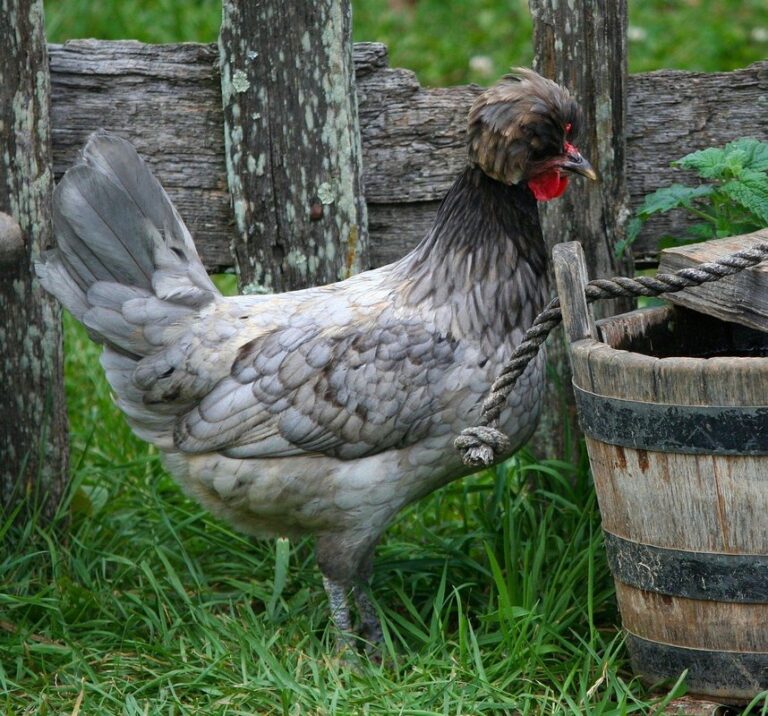
A pullet is essentially a young female chicken that has reached sexual maturity and is capable of laying eggs. It’s essential to understand what constitutes a pullet and its significance in egg production, as it directly impacts the overall performance and efficiency of your flock.
When discussing pullets, we often refer to them as chickens or hens. However, technically speaking, a chicken refers to any female bird that has not yet reached reproductive maturity, while a hen is specifically an adult laying chicken. A pullet, on the other hand, falls somewhere in between – it’s young enough to still be considered immature but old enough to start laying eggs.
The significance of understanding what constitutes a pullet lies in its impact on egg production and management strategies. For example, knowing when your flock reaches the first egg pullet age can help you make informed decisions about feeding, breeding, and space allocation.
Growth Stages of Pullets
As you begin to understand the developmental stages of your pullets, it’s essential to recognize that their growth is a gradual process. The journey from hatch to lay encompasses several distinct stages, each with its unique milestones and requirements.
At 0-4 weeks, also known as the starter phase, chicks are entirely dependent on feed and water provided by their owners. They grow rapidly during this period, consuming more nutrients than they do at any other time in their lives.
From week five to eight, pullets enter the grower phase, where their energy needs continue to increase significantly. At this stage, they begin to develop feathers and experience rapid growth spurts.
As they approach 16-20 weeks of age, pullets transition into the point-of-lay (POL) period, which marks the end of their growing phase and the start of egg production. Nutritionally, it’s crucial during this time to provide a balanced diet that supports the onset of ovulation and subsequent egg laying.
It’s vital to understand these growth stages and milestones to ensure you’re meeting your pullets’ needs at each stage, thereby promoting optimal health and productivity when they reach maturity.
Factors Influencing First Egg Age
So, what affects how old your pullet will be when she lays her first egg? Let’s dive into the key factors that influence first egg age.
Genetics and Breed Influence
When it comes to determining when a pullet will lay her first egg, genetics and breed play a significant role. Some breeds are naturally inclined to start laying earlier than others. For instance, Leghorns are known for their prolificacy and often begin laying eggs at around 18 weeks of age, while Rhode Island Reds typically take a bit longer, starting to lay at about 20 weeks.
Other factors such as lineage, nutrition, and overall health can also impact first egg age. However, breed alone can make up a significant portion of this variability. If you’re looking to raise birds that will start laying early, it’s essential to research the characteristics of different breeds and choose ones that are known for their precocity.
In addition to Leghorns and Rhode Island Reds, other popular breeds for early lay include Barred Rocks and Plymouth Rock chickens. These breeds have been selectively bred over generations to produce high numbers of eggs per year, often starting at a young age.
Nutrition and Diet Importance
Proper nutrition plays a vital role in determining the first egg age of a pullet. A balanced diet is essential for promoting healthy growth and development, which directly affects when she will lay her first egg.
When it comes to nutrition, protein is a top priority for young chickens. They require about 16-18% protein in their feed during the starter phase (0-8 weeks), and around 14-15% during the grower phase (8-20 weeks). A good quality layer feed that contains around 17-18% protein will also provide them with essential amino acids, vitamins, and minerals.
To boost your pullet’s nutritional intake, consider providing her with a variety of treats like leafy greens, fruits, and mealworms. For example, offering dark leafy greens like kale or spinach can help increase her calcium levels, which is crucial for strong eggshell production. Similarly, providing a source of omega-3 fatty acids through flaxseeds or fish oil can improve the overall quality of her eggs.
By ensuring your pullet gets the right nutrients, you’re setting her up for optimal health and a successful laying career. So, focus on providing a balanced diet that meets her nutritional needs, and you’ll be rewarded with healthier, more productive hens in the long run.
Environmental Factors Affecting First Egg Age
Let’s take a closer look at how environmental factors can impact your pullet’s first egg age, from climate to nutrition.
Temperature and Climate Effects
Temperature and climate play a crucial role in determining the growth rate and development of pullets. Optimal temperatures for laying birds range from 60°F to 80°F (15°C to 27°C), with an ideal temperature of around 70°F (21°C) for optimal egg production. However, it’s essential to note that excessive heat can lead to stress and decreased egg production.
Prolonged exposure to high temperatures can cause pullets to grow at a slower rate, affecting their overall health. In contrast, extreme cold temperatures can also have a detrimental effect on growth, increasing the risk of disease and mortality. Therefore, it’s vital to provide a comfortable environment for your pullets by ensuring adequate ventilation, shade, and access to cool water.
When managing temperature fluctuations, consider implementing strategies such as providing sheltered areas or using evaporative cooling systems to maintain a consistent temperature range.
Light Exposure and Photoperiodism
Light exposure plays a crucial role in regulating egg production in pullets. Photoperiodism is the phenomenon where birds adjust their reproductive cycles according to day length. This natural process helps pullets synchronize their breeding cycle with the changing seasons, ensuring optimal egg production.
Research has shown that photoperiodism can influence the age at which pullets begin laying eggs. For example, studies on broiler breeders have demonstrated that a decrease in daylight hours can trigger egg production as early as 21 weeks of age, whereas birds kept under longer photoperiods may not start laying until after 26 weeks.
In practice, farmers often manipulate light exposure to optimize egg production. This includes using specialized lighting systems or adjusting the duration and intensity of artificial lighting. By controlling light exposure, breeders can influence the onset of egg-laying in pullets.
Managing Pullets for Early Lay
As you prepare to collect eggs from your pullet flock, it’s essential to understand how to manage them effectively, ensuring a steady supply of fresh eggs from day one. This section covers strategies for optimal pullet care during the transition to early lay.
Best Practices for Brooder Management
Proper management of brooders is crucial for promoting healthy growth and early lay in pullets. A well-managed brooder ensures that your birds have a safe, comfortable, and nutritious environment to grow and thrive. Here are some best practices to follow:
Firstly, ensure the brooder is draft-free and protected from extreme temperatures. Prolonged exposure to cold or heat stress can impact growth rates and increase mortality rates. Provide adequate ventilation by installing windows, vents, or fans that direct airflow away from the birds.
Maintain a temperature range of 90-100°F (32-38°C) for the first week, gradually decreasing it by 5°F (3°C) every week thereafter until you reach 60-70°F (15-21°C). Ensure adequate lighting by providing 14 hours of artificial light per day. This promotes growth and development.
Keep brooder floors clean and dry to prevent ammonia buildup from droppings. Remove soiled bedding materials daily, replacing them with fresh ones. Use a deep litter system or a slat floor to facilitate easy cleaning and reduce the risk of diseases. By implementing these best practices, you’ll be well on your way to raising healthy pullets that will reach their lay potential in due course.
Health Considerations for Pullets
As you manage your pullets towards early lay, it’s essential to be aware of potential health issues that can impact their productivity and overall well-being. Common health concerns affecting pullets include respiratory problems, such as bronchitis and pneumonia, which can be caused by poor ventilation or damp litter.
Another issue is parasites like lice, mites, and worms, which can lead to anemia, stress, and decreased egg production. To prevent these issues, maintain clean living conditions with regular litter changes and proper ventilation. Ensure access to fresh water at all times, and consider implementing a dust bath area for your pullets.
Vaccination is also crucial in preventing diseases like Marek’s disease and infectious bronchitis. Consult a veterinarian to determine the best vaccination schedule for your flock based on factors such as age, breed, and region.
Regular health checks can help identify potential issues early on. Monitor your pullets’ behavior, appetite, and egg production closely, and keep an eye out for signs of illness like lethargy, labored breathing, or changes in droppings.
Determining First Egg Age
To accurately determine your pullet’s first egg age, you need to know when she begins laying eggs and how her growth compares to breed standards.
Visual Cues for Detecting Lay
When observing pullets approaching lay, it’s essential to recognize visual cues that indicate they’re about to produce their first egg. One of the most noticeable signs is a slight increase in vent size. As the reproductive system matures, the vent area will begin to swell, becoming slightly larger and more prominent. This swelling can be accompanied by a subtle reddening of the surrounding skin.
Another indicator is changes in plumage condition. Pullet feathers may appear duller or more ruffled as they prepare for lay. In some cases, you might notice slight balding around the vent area due to pre-laying molting.
A less noticeable but significant sign is an increase in restlessness and pacing behavior. As the pullet approaches lay, she’ll often become more agitated, strutting back and forth in her enclosure or showing a heightened sense of alertness.
It’s also worth noting that some breeds are more prone to exhibiting certain visual cues than others. For example, some heritage breeds may display a more pronounced increase in vent size or plumage changes. Being familiar with your specific breed’s characteristics will help you better identify the visual cues indicating a pullet is about to lay its first egg.
Measuring Pullet Growth and Development
Measuring pullet growth and development is crucial to determining when they’ll reach first egg age. One effective method is tracking their weight using a weight chart specifically designed for pullets. These charts typically show a range of weights corresponding to different ages, allowing you to identify any deviations from the norm.
You can also monitor height as an indicator of growth. A commonly used measure is the breast angle test, which involves gently feeling along the keel bone (the upper border of the sternum) and counting the number of feathers above it. The breast angle increases with age, making this a useful tool for gauging development.
Weight and height charts are essential tools in monitoring pullet growth. Regularly tracking these metrics will help you identify any potential issues early on. It’s also worth noting that individual breeds can vary significantly in terms of growth rate, so it’s vital to consult breed-specific guidelines when assessing your flock’s progress.
Some breeders use a combination of both weight and height charts to get an accurate picture of their pullets’ development. By doing so, they can more effectively identify when their birds are ready for breeding or egg production.
Conclusion and Future Considerations
Now that you’ve learned the ins and outs of the first egg pullet age, let’s take a step back to summarize what we’ve covered so far.
Implications for Egg Production
Understanding the first egg age of pullets has significant implications for commercial egg production and farm management. By recognizing when a pullet reaches maturity, farmers can optimize breeding programs, improve reproductive performance, and increase overall efficiency. This knowledge allows them to identify potential genetic issues or health problems earlier on, leading to better decision-making and resource allocation.
Farmers can also use this information to make informed decisions about pullet rearing and management strategies. For instance, knowing the first egg age helps determine ideal growth rates and nutritional requirements for optimal development. This enables farmers to tailor their feeding programs and environmental conditions to meet the specific needs of young hens.
Ultimately, a better understanding of first egg age can lead to improved reproductive efficiency, increased production rates, and enhanced overall farm productivity. By applying this knowledge in practice, farmers can optimize their operations and contribute to more sustainable and efficient commercial egg production systems.
Areas for Further Research
While we’ve made significant progress in understanding the first egg pullet age, there’s still much to be discovered. Further research is needed to refine our knowledge and optimize pullet development. One area worth exploring is the impact of different lighting regimes on reproductive maturity. Studies have shown that varying light intensities can influence growth rates, but more research is required to determine optimal lighting schedules for early-laying breeds.
Another potential avenue for investigation lies in nutritional optimization during the first egg pullet age. Current feeding strategies may not be tailored to meet the specific needs of young hens transitioning from growth to production phases. Examining the effects of various nutrient profiles on reproductive efficiency and overall bird health could lead to improved welfare and productivity outcomes.
Additionally, exploring the interplay between genetics, environment, and management practices will help us better understand the complex factors influencing pullet development. By delving into these areas, we can gain a deeper understanding of the first egg pullet age and make informed decisions to enhance flock performance and bird well-being.
Frequently Asked Questions
Can I delay the pullets’ first egg lay to optimize their overall productivity?
Yes, with proper management and nutrition, you can influence when your pullets reach reproductive maturity. This might involve adjusting their diet, ensuring adequate light exposure, or providing a stress-free environment. However, delaying the onset of laying may also impact their overall egg production in later stages. Monitor your flock’s growth and adjust strategies accordingly.
How do I know if my pullet is healthy enough to start laying eggs?
Look for visual cues such as a well-rounded body shape, shiny feathers, and active behavior. A healthy pullet will typically exhibit increased activity levels, engage in foraging, and display curiosity about their surroundings. If you notice any signs of illness or stress, consult with your veterinarian to ensure your flock’s overall health.
What are some common mistakes I should avoid when managing my pullets’ growth?
One critical mistake is neglecting adequate nutrition during the pullet stage. Ensure a balanced diet rich in essential nutrients, especially calcium for strong eggshell production. Another oversight is inadequate light exposure, which can delay reproductive maturity or impact overall health.
How do environmental factors like temperature and climate affect first egg age?
Temperature extremes can significantly influence your pullets’ growth rate and reproductive development. Optimal temperatures between 40°F to 80°F (4°C to 27°C) support healthy growth and egg production. Avoid exposing your flock to extreme heat or cold, as this may delay the onset of laying.
Can I use a specific breed’s average first egg age as a benchmark for my own pullets?
While breed characteristics can provide general guidelines, it’s essential to remember that individual pullet development is influenced by a combination of genetics, nutrition, and environment. Focus on monitoring your flock’s growth and adjusting strategies based on their unique needs rather than relying solely on breed averages.