
Eggs blue chicken is gaining popularity among backyard farmers and health-conscious consumers alike, and for good reason. Not only do these remarkable birds produce eggs with unique, striking shells, but they also offer numerous nutritional benefits and advantages over traditional breeds. If you’re thinking of raising eggs blue chickens in your own yard, or simply looking to incorporate more of their delicious eggs into your diet, this guide is for you. In the following pages, we’ll delve into the world of eggs blue chicken, exploring the ins and outs of these incredible birds. From their rich nutritional profile to expert advice on raising them successfully at home, we’ll cover it all – including cooking tips, health benefits, and more. Whether you’re a seasoned farmer or just starting out, this ultimate guide will have you egg-static in no time!
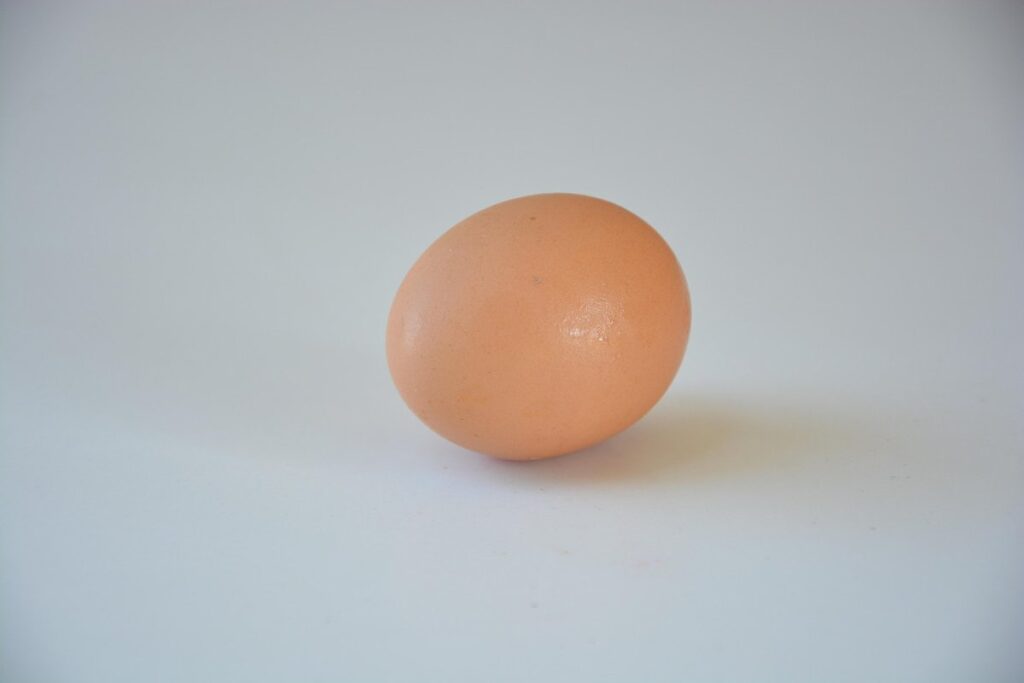
What are Eggs Blue Chicken?
If you’re still wondering what eggs blue chicken actually is, don’t worry – we’ve got a simple explanation and some surprising facts to share. Let’s break down this unique dish together!
Definition and History
Eggs blue chicken has gained popularity in recent years due to its unique flavor profile and impressive nutritional benefits. But what exactly is eggs blue chicken? In simple terms, it’s a style of cooking where chicken is poached in a flavorful liquid made with eggs, resulting in tender and juicy meat.
The concept of eggs blue chicken has its roots in ancient Chinese cuisine, specifically in the Hunan province. However, modern-day recipes have evolved to incorporate various ingredients and techniques from around the world. One of the most distinctive features of eggs blue chicken is the use of a combination of aromatics such as ginger, garlic, and shallots, which infuse the dish with an aromatic flavor.
To make eggs blue chicken at home, you’ll need a few key ingredients, including chicken breast or thighs, eggs, aromatics, and a flavorful liquid like stock or soy sauce. Experimenting with different combinations of spices and seasonings can help create unique flavor profiles. Some popular variations include adding chili peppers for an extra kick or using coconut milk for a creamy twist.
Types of Eggs Blue Chicken
If you’re interested in trying out eggs from blue chicken breeds, you have several options to consider. One popular breed is the Araucana, which lays blue eggs due to a genetic trait that causes the pigmentation of the eggshell to be blue. However, not all Araucanas will necessarily lay blue eggs – only those with the specific gene responsible for the characteristic.
Another breed worth mentioning is the Ameraucana. Similar to the Araucana, these birds also carry the gene that produces blue eggs. They are known for their friendly and curious nature, making them a great choice for backyard chicken keepers.
If you’re looking for a more traditional egg-laying bird with a blue twist, consider the Easter Egger. These birds don’t have blue feathers or any other distinct physical characteristic, but they do lay blue eggs due to their genetic makeup. They are also known for their high-quality eggs and can be a great choice for those who want a mix of blue eggs and traditional laying hens.
When choosing blue chicken breeds, consider factors such as egg-laying ability, temperament, and space requirements. Each breed has its unique characteristics, so it’s essential to do your research before making a decision.
Nutritional Value of Eggs Blue Chicken
Let’s take a closer look at the nutritional value of eggs blue chicken, a crucial aspect to consider when incorporating it into your diet. This section will break down its key nutrients and benefits for overall health.
Protein Content and Quality
When it comes to the nutritional value of eggs blue chicken, one key aspect is its protein content and quality. Eggs from blue chicken breeds are renowned for their rich protein profile, making them a top choice for health-conscious consumers.
Compared to other egg-laying breeds, blue chickens tend to produce eggs with higher protein concentrations. A study revealed that eggs from blue chickens contain approximately 12-13% more protein than those from Rhode Island Reds or Leghorns. This increased protein content is largely due to the breed’s genetic makeup and their natural diet.
In terms of protein quality, eggs blue chicken eggs are an excellent source of essential amino acids (EAAs) necessary for human growth and maintenance. The EAA profile in blue chicken eggs closely resembles that found in lean meats, such as chicken breast. This similarity makes blue chicken eggs a valuable addition to any fitness or nutrition regimen.
To maximize the protein benefits from your blue chicken eggs, try pairing them with whole-grain toast or vegetables for a balanced snack or breakfast.
Vitamin and Mineral Richness
Eggs blue chicken are an excellent source of essential vitamins and minerals that support overall health and well-being. One of the standout nutritional benefits is their richness in omega-3 fatty acids, specifically DHA (docosahexaenoic acid) and EPA (eicosapentaenoic acid). These healthy fats play a vital role in heart health, brain function, and inflammation reduction. A 100g serving of eggs blue chicken contains around 0.35 grams of omega-3s.
In addition to omega-3s, eggs blue chicken are also an excellent source of vitamin D, with one large egg providing approximately 10% of the recommended daily intake. Vitamin D is crucial for bone health, immune function, and mood regulation. They’re also a good source of B vitamins, including riboflavin (B2), niacin (B3), and vitamin B12.
To maximize the nutritional benefits of eggs blue chicken, it’s essential to choose pasture-raised or free-range options whenever possible. These birds are more likely to have access to a diverse range of insects, plants, and microbes that enhance their nutrient profile. When cooking with eggs blue chicken, be sure to avoid overcooking, as this can lead to a loss of nutrients. Instead, aim for a medium-cooked yolk and white for optimal flavor and nutrition.
Health Benefits of Eggs Blue Chicken
When it comes to reaping the rewards of your egg blue chicken, let’s dive into the impressive health benefits that make it a nutritious addition to any diet. You’ll be surprised at just how much good this dish can do!
Weight Management and Satiety
Eating eggs blue chicken can be an effective way to support weight management goals. One of the key reasons for this is its high satiety factor, which means it keeps you feeling full for longer periods. A study published in the Journal of Nutrition found that participants who consumed a breakfast rich in protein and fat experienced increased feelings of fullness compared to those consuming a carbohydrate-rich meal.
Eggs blue chicken is an excellent source of protein, which plays a crucial role in weight management by reducing hunger and increasing metabolism. In addition, it’s also high in healthy fats like omega-3 fatty acids, which can further enhance satiety. When combined with vegetables or whole grains, eggs blue chicken makes for a nutritious meal that keeps you feeling satisfied.
To maximize the satiety benefits of eggs blue chicken, try pairing it with other weight-friendly foods such as spinach, bell peppers, or quinoa. Cooking methods like poaching or baking can also help retain the nutrient profile and make the dish feel lighter and more filling. By incorporating eggs blue chicken into your diet, you’ll be well on your way to achieving a healthy balance between taste and nutrition.
Anti-Inflammatory Effects
Eggs blue chicken is not only a flavorful and versatile protein source but also boasts impressive anti-inflammatory properties. The omega-3 fatty acids present in eggs blue chicken, particularly EPA and DHA, have been shown to reduce inflammation in the body.
Studies have demonstrated that consuming foods rich in omega-3s can lower triglyceride levels and blood pressure, both of which are risk factors for cardiovascular disease. In fact, a 2019 meta-analysis published in the Journal of Nutrition found that moderate egg consumption (up to one egg per day) was associated with a reduced risk of stroke and heart attack.
To reap the anti-inflammatory benefits of eggs blue chicken, focus on incorporating them into your diet as part of a balanced meal. For example, try pairing poached or scrambled eggs blue chicken with leafy greens like spinach or kale, which are rich in antioxidants and other anti-inflammatory compounds. This combination can help maximize the anti-inflammatory effects of the eggs blue chicken while also providing essential nutrients for overall health.
When selecting eggs blue chicken for their anti-inflammatory properties, choose those from pasture-raised hens whenever possible. These hens tend to produce eggs with a more favorable fatty acid profile and higher antioxidant content compared to conventionally raised hens.
Cooking with Eggs Blue Chicken: Tips and Recipes
Whether you’re a seasoned chef or a culinary newbie, mastering the art of cooking with eggs blue chicken is easier than you think. Get ready for simple tips and mouthwatering recipes to elevate your game!
Basic Cooking Techniques
Cooking eggs blue chicken requires mastering basic cooking techniques to bring out its rich flavor and texture. To start, you’ll need to learn how to boil eggs blue chicken safely. This involves placing the eggs in a single layer at the bottom of a saucepan, covering them with cold water, and bringing it to a boil. Once boiling, reduce the heat to a simmer and cook for 10-12 minutes.
Frying is another popular method for preparing eggs blue chicken. To do this, preheat a non-stick pan over medium-high heat, add a small amount of oil, and cook the eggs until they’re golden brown on both sides. This should take about 4-5 minutes per side.
Baking is also an excellent way to prepare eggs blue chicken with minimal effort. Preheat your oven to 400°F (200°C), place the eggs on a baking sheet lined with parchment paper, and bake for 15-20 minutes or until cooked through. Whichever method you choose, make sure to cook the eggs blue chicken to an internal temperature of 165°F (74°C) to ensure food safety.
To achieve perfectly cooked eggs blue chicken every time, it’s essential to understand how to cook them evenly. Here are some tips:
• Use a thermometer to check for doneness
• Don’t overcrowd the pan or baking sheet
• Cook the eggs at room temperature before cooking
• Let the eggs rest for a few minutes after cooking
Creative Recipe Ideas
When it comes to cooking with eggs blue chicken, the possibilities are endless. One of the best ways to showcase its versatility is through creative recipe ideas that blend traditional flavors with modern twists.
From Korean-Style Fried Chicken and Eggs Blue to Indian-Inspired Masala Curry, eggs blue chicken can be adapted to suit various cuisines. Try making Mexican-inspired tacos by marinating eggs blue in lime juice, cumin, and chili powder before grilling them. For a Japanese-style teriyaki dish, marinate eggs blue in a mixture of soy sauce, sake, and mirin, then grill until caramelized.
In the Middle East, eggs blue chicken is often served with a side of tangy sumac and creamy tahini sauce. To create this fusion dish at home, simply toss diced eggs blue in olive oil, lemon juice, garlic, and sumac, then serve over a bed of fluffy rice. These unique recipes not only highlight the versatility of eggs blue chicken but also offer a chance to experiment with new flavors and techniques in your kitchen.
To make these creative recipe ideas shine, remember to season generously with salt, pepper, and herbs like parsley or cilantro. Don’t be afraid to get experimental and try pairing eggs blue chicken with unexpected ingredients like kimchi or pickled ginger.
Raising Eggs Blue Chicken: Tips for Backyard Farmers
If you’re eager to start raising your own eggs blue chicken, here are some valuable tips to get you started on a successful backyard farming journey. We’ll walk you through each step of the way.
Housing and Nutrition Requirements
When it comes to raising eggs blue chicken in your backyard, providing suitable housing and nutrition is crucial for their overall health and well-being. A safe and comfortable living space is essential for these birds, as they require room to roam and exercise.
For housing, consider a coop that provides approximately 3-4 square feet of space per bird inside the enclosure, with an additional 2-3 square feet of outdoor run area. This will allow your eggs blue chicken to move around freely and engage in natural behaviors like foraging and dust bathing. Make sure the coop is well-ventilated, predator-proof, and protected from harsh weather conditions.
In terms of nutrition, eggs blue chicken are omnivores and require a balanced diet that includes protein-rich foods, fruits, vegetables, and grains. Provide them with high-quality layer feed as their main staple, supplemented with treats like mealworms, sunflower seeds, and fresh veggies daily. Fresh water should be available at all times. Consider adding calcium supplements to promote strong eggshell development.
Remember to also provide your eggs blue chicken with a source of grit or oyster shells to help with digestion. With proper housing and nutrition, you’ll be rewarded with happy, healthy birds that produce delicious eggs for months to come.
Health Considerations and Biosecurity
When raising eggs blue chicken, it’s essential to prioritize their health and well-being to ensure you produce high-quality eggs. A clean living environment is crucial for maintaining the overall health of your flock. Regular cleaning and disinfecting of coop and run areas will help prevent the spread of diseases.
Parasite management is also vital for maintaining a healthy flock. Intestinal worms, lice, and mites can wreak havoc on your chickens’ health if left unchecked. Monitor your flock regularly and use preventative measures such as deworming medication and dust baths to keep parasites under control.
Biosecurity measures should be in place at all times to prevent disease outbreaks. This includes isolating new birds for 30 days before introducing them to the main flock, keeping predators out of the coop and run, and limiting human interaction with the chickens. Proper sanitation, ventilation, and nutrition will also go a long way in maintaining a healthy flock.
By prioritizing your eggs blue chicken’s health and implementing these measures, you’ll be well on your way to raising a thriving and productive flock.
Egg Blue Chicken vs. Other Egg-Laying Breeds: Comparison
When it comes to choosing the perfect breed for your backyard flock, you might be wondering how eggs blue chicken stacks up against other popular egg-laying breeds. Let’s take a closer look at some key comparisons.
Laying Rate and Egg Quality
When it comes to laying rate and egg quality, Eggs Blue Chicken breed stands out from other popular breeds. On average, an Egg Blue hen lays around 280-300 eggs per year, which is a decent amount compared to other heritage breeds. However, some owners have reported their hens producing up to 320 eggs annually with proper care.
One of the strengths of Egg Blue chickens is their egg quality. Their large, brown eggs are known for their rich flavor and firm texture. In comparison, Leghorn chickens lay around 300-320 eggs per year but often produce smaller, lighter-colored eggs. Orpingtons, on the other hand, lay fewer eggs (around 200-220) but their eggs have a thicker, creamier yolk.
If you’re considering raising Egg Blue chickens for egg production, it’s essential to provide them with adequate nutrition and care. A balanced diet rich in protein and calcium will help support their laying rate. Regular exercise, proper ventilation, and sufficient space are also crucial factors that can impact your hens’ overall health and productivity. By following these tips, you can maximize the potential of your Egg Blue chickens and enjoy a steady supply of delicious, high-quality eggs.
Feeding and Management Requirements
When it comes to feeding and managing your Egg Blue Chicken, you’ll want to consider their specific needs. Unlike other egg-laying breeds, Egg Blues require a balanced diet that’s rich in protein, vitamins, and minerals.
A good starting point is to provide high-quality layer feed, which should make up about 70-80% of their diet. Supplement with fresh fruits and vegetables daily, like apples, carrots, and leafy greens. Consider adding calcium-rich foods like crushed oyster shells or dark leafy greens to promote strong eggshell production.
Regular health checks are also crucial to prevent issues like mites, lice, and respiratory problems. Schedule regular vaccinations and deworming treatments as necessary. A clean living environment is essential; ensure your coop has adequate ventilation and protection from predators.
Some breeders recommend adding supplements like probiotics or omega-3 fatty acids to support overall health and egg production. However, always consult with a veterinarian before making any significant changes to your flock’s diet or management routine. By following these guidelines, you can help your Egg Blue Chicken thrive and produce high-quality eggs.
Conclusion: Why Eggs Blue Chicken Should Be on Your Radar
So, you’ve made it through our Ultimate Guide to Eggs Blue Chicken and are now ready to discover why these unique birds deserve a spot in your backyard. Let’s explore their benefits together!
Summary of Key Takeaways
In conclusion, we’ve covered everything you need to know about eggs blue chicken. This nutrient-rich superfood boasts an impressive array of benefits that make it a must-try for anyone looking to level up their health and wellness game.
Let’s recap the key takeaways: eggs blue chicken is packed with protein, vitamins, and minerals, making it an excellent addition to your diet. Its high vitamin A content supports healthy vision, immune function, and skin health. The egg itself is also rich in iron, essential for maintaining healthy red blood cells.
Incorporating eggs blue chicken into your meals can be as simple as adding them to omelets, salads, or pasta dishes. You can also use the yolks as a substitute for traditional egg yolks in recipes, boosting their nutritional value. To get the most out of these incredible eggs, look for local farms that prioritize humane treatment and sustainable farming practices.
By now, you’re probably eager to give eggs blue chicken a try. With its impressive benefits and versatility in cooking, it’s no wonder this superfood is gaining popularity. Whether you’re a seasoned chef or a culinary newbie, incorporating eggs blue chicken into your diet is a game-changer – and we’re confident that once you do, you’ll never go back to regular eggs again!
Final Thoughts and Recommendations
As you’ve learned more about eggs blue chicken, it’s time to consider incorporating this incredible bird into your daily life. Whether as a food source or backyard farm addition, eggs blue chicken has so much to offer. If you’re looking to start small, begin by trying their eggs – they’re an excellent choice for omelets, scrambled eggs, and baked goods.
Consider raising a few eggs blue chickens in your backyard for a steady supply of fresh eggs and entertainment. Not only will you save money on grocery bills, but you’ll also have the satisfaction of knowing exactly where your food comes from. If space is limited, start with a single hen or join a local community-supported agriculture (CSA) program to get involved with egg blue chicken farming.
To ensure a healthy flock, provide eggs blue chickens with adequate space, nutritious feed, and regular access to fresh water. With proper care, you can enjoy the benefits of eggs blue chicken for years to come.
Frequently Asked Questions
Can I raise Eggs Blue Chicken for profit, or are they suitable only for backyard farms?
While Eggs Blue Chicken can be a profitable venture for small-scale farmers, it’s essential to consider the initial investment and ongoing costs associated with raising these birds. Start by researching local market demand, competition, and potential revenue streams before deciding whether to pursue profit-driven egg production.
How do I ensure proper nutrition for my backyard flock of Eggs Blue Chicken?
Eggs Blue Chicken require a balanced diet rich in protein, calcium, and other essential nutrients. Consider consulting with a poultry expert or veterinarian to determine the best feed options for your specific climate and region. Additionally, provide access to fresh water, adequate shelter, and regular health checks to maintain optimal flock health.
Can I breed Eggs Blue Chicken at home, or do I need specialized equipment?
While it’s possible to raise Eggs Blue Chicken for breeding purposes, you’ll need a suitable coop, necessary equipment (e.g., incubators, brooders), and experience in poultry management. Research local regulations regarding backyard breeding operations and ensure compliance before starting your project.
What are the main differences between Eggs Blue Chicken and other egg-laying breeds?
Eggs Blue Chicken stand out due to their exceptional nutritional profile, high-quality protein content, and unique shell characteristics. Compared to other popular breeds, Eggs Blue Chicken offer a distinct advantage in terms of weight management, satiety, and anti-inflammatory effects – making them an attractive choice for health-conscious consumers.
How do I store and handle Eggs Blue Chicken eggs for optimal freshness and safety?
To maintain the quality and nutritional value of your Eggs Blue Chicken eggs, store them in a cool, dry place with minimal exposure to light. Avoid washing the eggs before refrigeration, as this can reduce their natural waxy coating (cuticle). Regularly check egg production rates and monitor flocks for signs of disease or stress to ensure ongoing freshness and safety.