
Imagine yourself standing by a serene lake on a crisp morning, surrounded by a honking chorus of geese. What draws these majestic birds together in large flocks? Geese have long been an iconic symbol of resilience and teamwork, but there’s more to their social structures than meets the eye. From intricate migration patterns that span thousands of miles to conservation efforts aimed at protecting these remarkable creatures, the world of goose flocks is full of fascinating stories waiting to be uncovered.
In this article, we’ll delve into the complex dynamics of geese social bonds and how they work together to survive. We’ll explore the incredible feats of their long-distance migrations and examine the pressing issues that threaten their populations today. By the end of this journey, you’ll have a deeper appreciation for these fascinating birds and the importance of preserving their habitats for generations to come.
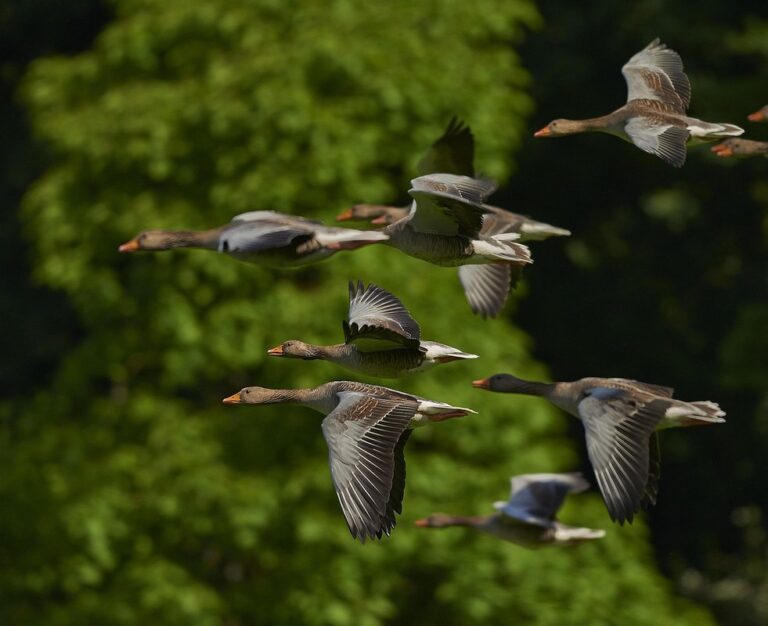
What is a Flock of Geese?
When it comes to geese, you might have heard them referred to as being part of a flock, but what does that actually mean and how do these birds interact with each other.
Definition and Characteristics
A flock of geese is a fascinating sight to behold, comprising anywhere from a few dozen to several hundred birds. Typically, a healthy and thriving goose flock consists of around 10 to 50 birds, although larger gatherings can be observed during migration periods or when foraging together in fields.
One of the most defining characteristics of geese is their strong social nature. These birds are highly dependent on each other for survival and thrive in close-knit groups. In a flock, geese engage in various social behaviors, such as honking to communicate with one another, preening each other’s feathers to strengthen bonds, and even taking turns keeping watch for predators.
Geese are also known to form long-term pair bonds, often staying with their mate for many years or even a lifetime. This loyalty is evident in the way they work together to raise their young, share food, and protect one another from potential threats. Observing a flock of geese up close can provide valuable insights into the importance of social relationships within animal societies.
Importance of Flocking Behavior
Flocking behavior is essential for geese survival and well-being. When they gather in large groups, they can protect each other from predators. This collective defense mechanism is a powerful deterrent against potential threats. A single goose may be vulnerable to an attacker, but a flock of 20 or more geese can be nearly impossible to take down.
Flocking also allows geese to forage more efficiently. By spreading out and covering a larger area, they can find more food sources and reduce competition. This is particularly important during times of scarcity when every bit of nutrition counts. In the wild, you may observe geese grazing in vast fields or along shoreline areas, taking turns to rest and forage.
Moreover, flocking behavior enables geese to communicate effectively with one another. They use a variety of vocalizations, visual cues, and even body language to convey important information about potential threats, food sources, and other critical aspects of their social structure. By paying attention to these signals, individual geese can make informed decisions that benefit the entire flock.
Types of Geese: A Guide to Common Species
Let’s dive into the wonderful world of geese, where over 10 distinct species can be found, each with its unique characteristics and habits. From the majestic Canada goose to the smaller Cackling goose.
Introduction to Different Geese Species
Geese are incredibly diverse birds with various species found on every continent except Antarctica. In North America alone, there are over a dozen distinct species of geese. Let’s take a closer look at some of the most common and fascinating geese species.
Canada Geese (Branta canadensis) are perhaps one of the most recognizable geese in North America. These birds are known for their distinctive honking calls and V-shaped formations during migration. They inhabit a wide range of habitats, from wetlands to backyards, and can often be seen waddling along sidewalks.
Snow Geese (Anser caerulescens) are smaller than Canada Geese and have a striking white coat with black wing tips. These birds migrate in massive numbers, sometimes traveling over 3,000 miles between their breeding grounds in the Arctic and wintering grounds in the southern United States.
Ross’s Geese (Anser rossii) are closely related to Snow Geese but can be identified by their more pinkish-brown plumage. They’re also smaller than Canada Geese and migrate through North America, often in large flocks. If you’re lucky enough to spot one of these birds, look for its subtle white wing patches.
Each geese species has unique characteristics that set it apart from others. By learning about the different types of geese, you’ll gain a deeper appreciation for these fascinating creatures and their intricate social structures.
Physical Characteristics and Identification
Geese come in an array of shapes and sizes, each with unique physical characteristics that make them identifiable. For instance, the Canada Goose boasts a black head, white patches on its face, and a long black neck. The Snow Goose, on the other hand, has a white head, pink bill, and legs.
To identify goose species, focus on their beak shape and size. Beaks can vary from short and broad to long and slender. Pay attention to the plumage coloration as well – many species display vibrant shades of orange, red, and yellow on their heads, necks, or breasts.
When observing geese in the wild, look for distinctive feather patterns. The Greater White-fronted Goose, for example, has a white forehead patch that sets it apart from other species. If you’re identifying geese through photographs, study the bird’s posture – some species tend to hold their necks at an angle or walk with a peculiar gait.
In addition to physical characteristics, consider the size of the goose and its wing shape when making an identification. A keen eye for detail is essential to distinguishing between these remarkable birds.
The Social Structure of Geese Flocks
When it comes to geese, their social bonds are just as fascinating as their V-formation flying. Let’s take a closer look at how they organize themselves in complex hierarchical groups.
Dominance Hierarchy
Within a flock of geese, a dominant hierarchy is established to maintain order and protect its members. This social structure is crucial for the flock’s survival and success. Dominant birds, often larger and more experienced individuals, take on leadership roles to ensure the safety and well-being of their group.
These dominant birds establish their status through assertive behavior, such as aggressive displays, vocalizations, and assertive posturing. They also prioritize feeding and breeding opportunities for their subordinates, fostering a sense of loyalty and dependence within the flock. This hierarchy is not fixed and can shift over time due to various factors like age, experience, or injury.
To recognize dominant birds in your observation, look for individuals that other geese defer to or follow closely. You may also notice dominant birds taking charge during threats or potential dangers, such as predators or severe weather conditions. By understanding the dominance hierarchy within a flock of geese, you can appreciate the intricate social dynamics at play and better comprehend their behavior in different contexts.
Communication and Cooperation
When it comes to geese flocks, communication is key. These birds have developed a complex system that involves vocalizations, visual displays, and body language to convey important information among flock members. They use a variety of calls, including honks, grunts, and whistles, to communicate with each other. For example, alarm calls alert the rest of the flock to potential predators, while contact calls help maintain social bonds between family members.
But it’s not just about vocalizations – geese also use visual displays to convey messages. They’ll often raise their heads or necks, flap their wings, or perform a “dipping” flight pattern to signal aggression or courtship. And let’s not forget body language! Geese will use postures like standing upright or lying down to indicate dominance or submission.
One remarkable example of cooperation among geese is foraging. During molting season, when they’re unable to fly, geese flocks work together to find food and protect each other from predators. As you watch a flock in action, notice how individual birds take turns scouting out safe areas and communicating their findings to the rest of the group. By working together, these amazing creatures not only survive but thrive!
Migration Patterns and Routes of Geese Flocks
As you delve into the world of geese flocks, it’s essential to understand their incredible migration patterns, which involve traversing thousands of miles across continents each year. Let’s explore these remarkable routes and behaviors together.
Understanding Geese Migration
Geese migration patterns are a testament to their remarkable adaptability and resilience. So, when do geese migrate, and why? It’s primarily driven by the availability of food, which varies greatly depending on the season and location. During the spring and summer months, geese forage for grasses, aquatic plants, and grains in temperate regions. However, as these resources dwindle with the onset of autumn, they begin their long-distance journey to warmer climates where sustenance is more abundant.
In addition to food scarcity, breeding habits also play a significant role in geese migration patterns. Many goose species are monogamous, and after mating during spring, females lay eggs in their breeding grounds. These young goslings require specialized care and feeding until they fledge at around 2-3 months old. To ensure their chicks’ survival, parents often migrate to areas with favorable weather conditions and an abundance of food.
Environmental factors like harsh winters, droughts, or extreme weather events also prompt geese migration. For instance, during severe cold snaps or prolonged dry spells, geese may abandon their usual habitats in search of more hospitable climes. Understanding these intricate relationships can help us better appreciate the complex lives of geese and their remarkable ability to thrive across diverse environments.
Major Migration Routes and Destinations
Each year, millions of geese migrate across various continents, following established routes that have been passed down through generations. These migration patterns vary depending on the species, but most goose populations follow one of two major flyways: the Atlantic Flyway or the Pacific Flyway.
The Atlantic Flyway spans from Canada to Argentina, covering over 7,000 miles. Notable stopover points along this route include the Gulf Coast, where geese feast on abundant food sources, and the Chesapeake Bay, a crucial breeding ground for many species. The Pacific Flyway stretches from Alaska to Mexico, with key destinations including the California Delta and the Salton Sea.
As you watch these magnificent creatures soar across the skies, consider the incredible journey they undertake each year. Understanding their migration patterns can help you identify potential habitats and feeding grounds, allowing you to better support these remarkable birds in their natural environments.
Conservation Status and Threats Facing Geese Flocks
As we delve deeper into the lives of these magnificent birds, it’s essential to acknowledge the challenges they face, including declining populations and habitat destruction. What are the most significant threats impacting geese flocks today?
Habitat Loss and Fragmentation
Human activities have been significantly altering geese habitats worldwide, posing a substantial threat to their survival. Urbanization is one of the primary causes of habitat loss and fragmentation for many goose populations. As cities expand, natural areas are converted into residential and commercial zones, reducing the availability of grasslands, wetlands, and other crucial habitats that geese rely on.
Agriculture is another significant contributor to habitat loss, as fields and pastures are being turned over to intensive farming practices, leaving little space for geese to graze and nest. Infrastructure development, including roads, dams, and wind farms, further fragments goose habitats by creating barriers that prevent them from migrating freely.
To mitigate these impacts, it’s essential for communities to adopt sustainable land-use practices and incorporate geese-friendly features into urban planning. For example, incorporating green roofs, parks, and community gardens can help reduce the footprint of human settlements while providing vital habitat patches for geese. By recognizing the intricate connections between geese habitats and human activities, we can work towards preserving these remarkable birds and their fascinating social structures.
Hunting and Poaching Pressures
Geese populations are facing significant threats from hunting and poaching activities. In many regions, geese are hunted for their meat, feathers, and eggs, which can lead to population declines if not managed sustainably. Hunting regulations vary by country and even within countries, with some areas having stricter guidelines than others.
For instance, in Europe, the European Union’s Wild Birds Directive regulates hunting activities, including setting quotas and closing seasons to prevent overhunting. Similarly, in North America, the Migratory Bird Treaty Act (MBTA) protects geese and other migratory bird species from overhunting. However, despite these regulations, poaching remains a significant threat, particularly in areas with weak enforcement.
Conservation efforts are underway to mitigate hunting and poaching pressures on goose populations. For example, many organizations, such as the World Wildlife Fund (WWF) and the International Union for Conservation of Nature (IUCN), work with governments and local communities to establish protected areas and implement sustainable hunting practices. Additionally, some farmers have started using non-lethal deterrents to protect their crops from geese, reducing the need for culling.
To support conservation efforts, it’s essential for individuals to be aware of local regulations and take steps to reduce demand for hunted or poached goose products. By making informed choices and advocating for sustainable practices, we can help safeguard goose populations for generations to come.
Conclusion: Preserving Geese Flocks for Future Generations
As we conclude our journey through the fascinating world of geese flocks, let’s explore how we can work together to preserve these incredible social structures for future generations.
Importance of Conservation Efforts
As we conclude our journey into the fascinating world of flocks, it’s essential to acknowledge the significance of conservation efforts in protecting geese populations and their habitats. The future of these remarkable birds depends on our collective actions today. Let’s take a closer look at why conservation is crucial and how successful initiatives can have a lasting impact.
One prime example is the efforts made by the International Crane Foundation, which focuses on preserving waterfowl habitats worldwide, including those inhabited by geese. Their conservation strategies involve collaborative work with local communities, governments, and NGOs to restore wetlands and create protected areas for migratory birds like geese. The results are impressive – a significant increase in goose populations, reduced habitat degradation, and enhanced biodiversity.
To make a positive impact, you can participate in or support organizations that promote geese conservation. Spread awareness about the importance of protecting habitats and ecosystems, volunteer with local initiatives, or contribute financially to reputable conservation groups. Every action counts, no matter how small it may seem, as collective efforts can lead to substantial improvements for geese flocks worldwide.
Call to Action: Get Involved in Geese Conservation
As you’ve learned about the intricate social structures of geese flocks and their importance to our ecosystem, we encourage you to get involved in local conservation efforts. Your participation can make a significant difference in preserving these magnificent creatures for future generations.
Start by exploring birdwatching tours in your area, which often support local conservation initiatives. These guided tours not only offer a chance to observe geese up close but also provide valuable insights into their behavior and habitats. Many organizations, such as the Audubon Society or local wildlife refuges, lead these tours and engage volunteers in habitat restoration projects.
You can also get involved through advocacy campaigns focused on protecting geese habitats and preventing human-geese conflicts. Organizations like the International Crane Foundation and the Wildlife Conservation Society often have volunteer opportunities for people passionate about bird conservation.
Some resources to consider include:
* The Audubon Society’s Bird Watching Guide
* Local wildlife refuges’ volunteer programs
* Online advocacy platforms, such as Change.org or Petition2Congress
Take the first step today by exploring these opportunities and finding ways to contribute to geese conservation in your community.
Frequently Asked Questions
How can I contribute to geese conservation efforts?
As we’ve discussed the importance of preserving geese habitats, you might be wondering how you can get involved. Start by researching local organizations focused on bird conservation and consider volunteering or donating to their causes. You can also participate in citizen science projects that help monitor and study geese populations.
What are some common threats facing geese flocks?
We’ve highlighted habitat loss and hunting/poaching as significant concerns, but what about other factors? Climate change is a pressing issue for geese, affecting their migration patterns and access to food sources. Additionally, human-geese conflicts can arise when geese become accustomed to human-provided food, leading to negative impacts on both species.
How do I identify different types of geese?
With various species found worldwide, it’s not always easy to tell them apart. Look for distinctive characteristics like plumage patterns, beak shapes, and leg colors. You can also consult field guides or online resources that provide detailed descriptions and images of each species.
Can I attract geese to my backyard for observation?
While geese flocks are often associated with natural habitats, some species may visit urban areas in search of food. To encourage these birds to visit your backyard, consider installing a water feature like a pond or birdbath, as well as planting native vegetation that provides food and shelter.
How can I support local efforts to protect geese migration routes?
As we’ve discussed the importance of preserving migration patterns, you might be wondering how you can get involved. Contact local conservation groups or park rangers to see if they have any upcoming events or initiatives related to geese migration protection. You can also spread awareness about this issue through social media and encourage others to join in supporting these efforts.