
Geese have been a part of human history for thousands of years, providing not only companionship but also a reliable source of food. From their domestication to the present day, these magnificent birds have played a significant role in many cultures around the world. But did you know that geese are more than just pretty faces? They’re also incredibly skilled at producing high-quality eggs, rich in nutrients and perfect for cooking. In this article, we’ll take a closer look at the fascinating world of geese and their eggs. We’ll explore the history of domestication, the process of egg-laying, and the nutritional benefits that make goose eggs a popular choice among health-conscious cooks. Whether you’re a seasoned poultry enthusiast or just curious about these amazing birds, keep reading to learn everything you need to know about geese and eggs!
History and Domestication of Geese
Let’s explore how geese have been a part of human history for thousands of years, from ancient farming practices to modern-day companionship. Their domestication story is a fascinating one!
Origins of Goose Domestication
Geese have been a part of human society for thousands of years, with evidence of their domestication dating back to ancient civilizations. Archaeological findings suggest that geese were first domesticated around 3000 BC in Egypt, where they were highly valued for their meat, eggs, and feathers. The Egyptians not only kept geese as pets but also used them for guarding properties and temples.
As civilizations spread throughout Europe and Asia, the practice of goose domestication followed suit. In ancient Greece, geese were considered a luxury item and were often given as gifts to royalty. The Romans, on the other hand, used geese extensively in agriculture, using their droppings as fertilizer for crops.
Interestingly, archaeological evidence has revealed that some of the oldest known breeds of domesticated geese originated from Asia Minor (modern-day Turkey) around 2000 BC. These early breeds were likely cross-bred with wild geese to create more docile and productive animals. Understanding the origins of goose domestication provides valuable insights into their evolution as a species and their development as a domesticated animal.
Breeds of Geese Suitable for Egg Production
If you’re looking to start a goose egg farm or simply want to keep geese for their eggs, there are several breeds that excel at producing high-quality eggs. One of the most popular breeds for this purpose is the Toulouse Goose. Originating from France, these birds are renowned for their white eggs and excellent laying ability. A single Toulouse hen can produce up to 300 large, light-brown eggs per year.
Another breed worth considering is the Embden Goose, which hails from Germany. These geese lay an average of 250-280 white eggs annually and are prized for their cold hardiness. Embdens are also known for being relatively low-maintenance compared to other breeds.
Other notable mentions include the Chinese and African Geese. The Chinese breed lays around 200-220 brown eggs per year, while Africans produce approximately 180-200 white eggs annually.
The Role of Geese in Agriculture Throughout History
Geese have been an integral part of agriculture for centuries, playing a vital role in farming practices. From ancient civilizations to modern-day farms, these intelligent birds have served as both a source of eggs and a means of pest control. In medieval Europe, geese were highly valued for their ability to guard against predators, particularly foxes and coyotes, which threatened valuable livestock.
Farmers would often release geese into the surrounding fields at night, where they would patrol and alert the farmer to any potential threats. This practice not only protected crops but also reduced the need for pesticides and other chemicals. In addition to their protective role, geese were also used as a means of pest control by consuming unwanted insects and weeds.
Today, many farmers still recognize the benefits of incorporating geese into their agricultural practices. By using geese for both egg production and pest control, farmers can reduce costs associated with chemical pesticides while promoting a more sustainable and environmentally friendly approach to farming.
Goose Anatomy and Egg-Laying Processes
Let’s take a closer look at how geese are structured, from their unique beak shape to their remarkable reproductive systems that produce those precious eggs. We’ll explore it all in this section.
Female Reproductive System and Its Importance
When it comes to understanding goose anatomy and their incredible egg-laying abilities, one crucial aspect is often overlooked: the female reproductive system. This intricate network of organs plays a vital role in facilitating successful breeding and egg production.
The female goose’s reproductive system consists of two ovaries, each producing ova (eggs) that travel through a pair of fallopian tubes to the uterus, where they are fertilized by sperm from the male. The clitoris and labia are external reproductive organs, while the cloaca is an opening for both reproductive and digestive systems.
A well-functioning female reproductive system is essential for optimal egg production. Factors such as age, nutrition, and overall health can significantly impact a goose’s ability to lay eggs regularly. Inadequate nutrition, stress, or poor living conditions can lead to reduced fertility and egg production. Geese breeders often monitor their birds’ reproductive cycles closely, making adjustments to ensure the females receive optimal care.
To encourage healthy egg-laying in your own flock, provide geese with a balanced diet rich in protein, calcium, and other essential nutrients. Regular veterinary check-ups will also help identify any potential issues early on, allowing for prompt intervention to maintain peak reproductive health.
Hormonal Regulation of Egg Production in Geese
Geese produce eggs through a complex interplay of hormones that regulate various stages of egg production. The key players in this process are estrogen and progesterone, with follicle-stimulating hormone (FSH) playing a crucial role in stimulating ovulation.
Estrogen promotes the growth and maturation of ovarian follicles, which contain yolk-filled eggs. As estrogen levels surge, the ovaries release a yolk sac, which contains nutrients essential for embryonic development. Meanwhile, progesterone supports the preparation of the uterus for implantation by thickening the uterine lining.
FSH, produced by the anterior pituitary gland, triggers ovulation by stimulating the release of mature eggs from the follicles. As ovulation occurs, estrogen and progesterone levels peak, preparing the body for potential fertilization and subsequent embryonic development. In geese, this intricate hormonal ballet ensures that each egg laid is a carefully crafted and nutrient-rich vessel for new life.
In practical terms, understanding these hormonal dynamics can help goose breeders optimize their flocks’ reproductive performance and increase egg production.
Factors Affecting Fertility Rates in Geese
When it comes to geese, fertility rates can be affected by several key factors. As an owner of these magnificent birds, understanding what influences their ability to produce healthy eggs is crucial for maintaining a thriving flock.
Age plays a significant role in determining fertility rates among geese. Typically, female geese reach their peak reproductive age between 2-3 years old, after which their fertility gradually declines. Younger or older birds may experience difficulties conceiving, resulting in lower egg yields.
Diet and nutrition also significantly impact fertility rates in geese. A balanced diet rich in nutrients is essential for maintaining optimal health and reproductive function. A lack of essential vitamins or minerals can lead to reduced fertility, while overfeeding can cause obesity-related issues that hinder breeding efforts.
Environmental factors like climate change, stress levels, and living conditions can also affect goose fertility. Geese require a stable and comfortable environment to thrive, with adequate space to roam and protection from predators. Extreme temperatures, overcrowding, or poor sanitation can all compromise their reproductive health.
In terms of health conditions, common issues like respiratory infections, parasites, or diseases can significantly impact fertility rates in geese. Regular check-ups and preventative measures are vital for maintaining a healthy flock and maximizing egg production.
The Nutritional Benefits of Goose Eggs
Goose eggs are not just a delicacy, but also a powerhouse of nutrients, packed with vitamins and minerals that can boost your health in amazing ways. Let’s dive into their nutritional benefits!
Protein Content and Nutrient Profile of Goose Eggs
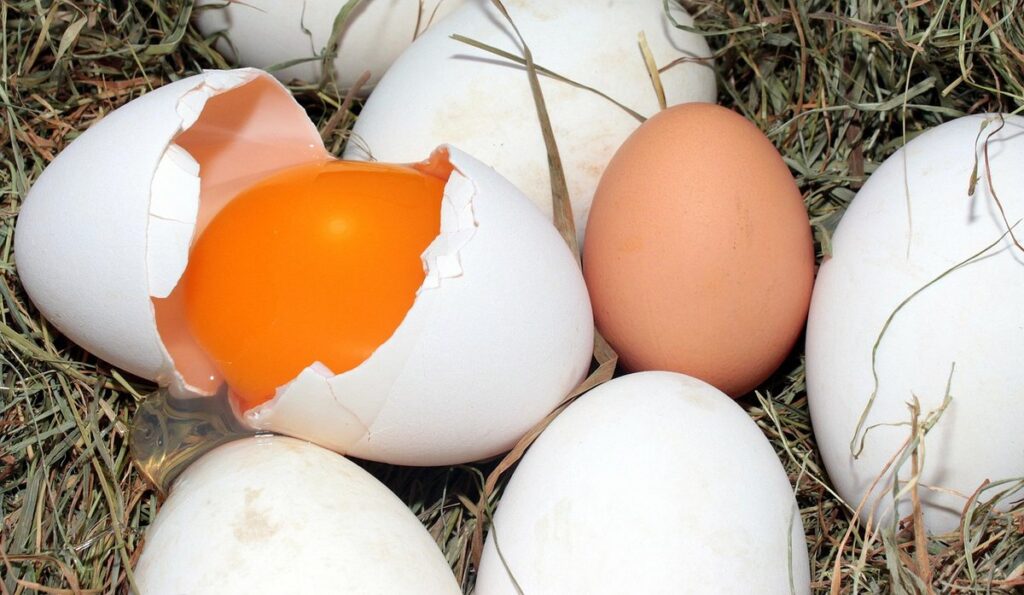
Goose eggs are renowned for their impressive nutritional profile, making them an excellent addition to a healthy diet. One of the most notable aspects of goose eggs is their high protein content. A large goose egg can contain up to 14 grams of protein, compared to around 6-7 grams found in a large chicken egg. This significant difference makes goose eggs an attractive option for fitness enthusiasts and athletes looking to boost their protein intake.
In addition to its impressive protein levels, goose eggs are also rich in various vitamins and minerals. They contain more vitamin D and B12 than chicken eggs, making them an excellent choice for individuals with dietary restrictions or preferences. Goose eggs are also a good source of iron, zinc, and selenium, essential micronutrients that support immune function and overall health.
To incorporate goose eggs into your diet, try substituting them for chicken eggs in omelets, frittatas, or baked goods. You can also use them as a topping for salads or toast. With their rich flavor and versatility, it’s no wonder why many people swear by the nutritional benefits of goose eggs.
Cholesterol Levels and Health Implications
When it comes to egg consumption, many people worry about cholesterol levels. However, research suggests that goose eggs have a different profile compared to chicken eggs. A large goose egg contains approximately 320 milligrams of cholesterol, which is significantly higher than the 186 milligrams found in a large chicken egg.
But here’s the important part: dietary cholesterol has a limited impact on blood cholesterol levels for most people. The biggest determinant of your overall cholesterol levels remains your diet and lifestyle. In fact, a study published in the Journal of Nutrition found that moderate egg consumption (up to 1 egg per day) did not increase the risk of cardiovascular disease.
In fact, goose eggs have been shown to provide health benefits due to their high content of omega-3 fatty acids, vitamins A and E, as well as minerals like zinc and iron. These nutrients can help reduce inflammation and improve overall heart health. So, if you’re concerned about cholesterol levels, rest assured that moderate goose egg consumption is unlikely to have a significant impact on your health.
When incorporating goose eggs into your diet, remember to balance them with other nutrient-dense foods and maintain a healthy lifestyle.
Cooking Methods and Preservation Techniques for Goose Eggs
When working with goose eggs, it’s essential to consider their larger size and thicker shell compared to chicken eggs. This difference affects cooking times and methods. To cook a goose egg, begin by boiling it for 10-12 minutes, then immediately transfer it to an ice bath to stop the cooking process.
For a more delicate approach, try poaching or soft-boiling a goose egg. Poach for 5-7 minutes in simmering water, while soft-boiling requires 6-8 minutes. Always adjust cooking times based on your desired level of doneness and personal preference.
To preserve goose eggs for an extended period without compromising nutritional value, consider refrigeration at a consistent temperature below 40°F (4°C). This will slow down bacterial growth and keep the egg safe to consume for several weeks.
When it comes to freezing, crack open the egg and separate the yolk from the white. Store each component separately in airtight containers or freezer bags. Frozen goose eggs can be safely stored for up to 12 months. When thawing, allow the egg components to thaw slowly in the refrigerator before using.
Health and Safety Considerations When Keeping Geese
When keeping geese, there are several health and safety considerations to keep in mind, from protecting yourself from their strong honks to preventing injuries from their sharp beaks. We’ll walk you through these important precautions.
Common Health Issues in Domestic Geese
As geese owners, it’s essential to be aware of common health issues that can affect their egg-laying abilities. Geese are prone to certain problems due to their genetics, diet, and living conditions.
Common health issues in domestic geese include respiratory diseases such as Avian Influenza and Newcastle Disease, which can be caused by poor ventilation or unsanitary living conditions. Gout is another issue that affects many domestic geese, particularly if they are overfed on high-protein diets. Obesity and gout go hand-in-hand, making it crucial to monitor their food intake.
In addition, goose owners should also watch out for parasite infestations such as mites, ticks, and lice, which can weaken the immune system and lead to decreased egg production. Regular vaccinations, a balanced diet, and maintaining clean living quarters can help prevent these issues.
To keep your geese healthy, ensure they have access to fresh water, exercise regularly, and monitor their weight closely. A good rule of thumb is to limit their food intake to 1-2% of their body weight per day. By taking proactive measures, you can minimize the risk of common health problems and maintain a thriving flock.
Biosecurity Measures for Preventing Disease Transmission
When keeping geese, maintaining their health is crucial to prevent disease transmission within and between flocks. A solid biosecurity plan is essential for ensuring the well-being of these magnificent birds. Start by setting up a dedicated area for your geese where they can roam freely without mixing with other animals or coming into contact with contaminated feed or water.
Regularly clean and disinfect this area, including feeding troughs, waterers, and nesting boxes, to prevent the spread of diseases. Ensure that all equipment is well-maintained and sanitized after each use. Limit access to your geese’s living quarters to reduce exposure to potential disease carriers.
Implement a strict rotation system for visitors to minimize the risk of introducing external pathogens into your flock. Wash hands thoroughly before handling your geese, and consider wearing protective gear such as gloves and masks when handling them or their eggs.
By implementing these simple yet effective biosecurity measures, you can significantly reduce the likelihood of disease transmission within your flock and keep your geese happy and healthy.
Regulations Governing the Keeping of Geese in Various Regions
When keeping geese, it’s essential to be aware of the regulations governing their care. These rules can differ significantly depending on your location, so it’s crucial to familiarize yourself with the specific laws in your area.
In urban areas, many cities have ordinances regulating backyard flocks. For instance, some municipalities limit the number of geese you can keep or require permits for owning a certain number of birds. On the other hand, rural areas often have more lenient regulations but may still have zoning restrictions or health codes to adhere to.
Large-scale producers must also comply with federal and state regulations regarding animal welfare, housing standards, and food safety. This includes adhering to guidelines set by organizations such as the USDA’s Animal Welfare Act and the National Organic Program (NOP) for organic egg production.
To ensure you’re in compliance, research your local government’s website or contact your local agricultural extension office for guidance on regulations specific to geese keeping in your area. Be sure to check for any updates, as laws can change over time.
Goose and Egg Industry Statistics and Trends
The goose and egg industry is a fascinating sector, and let’s take a closer look at some key statistics and trends that will give you a better understanding of its current state. From production numbers to market demand, we’ve got the numbers for you!
Global Production Numbers and Export/Import Data
Global goose egg production has seen significant fluctuations over the years. According to data from the Food and Agriculture Organization (FAO), global goose egg production reached 2.3 billion eggs in 2020, with a growth rate of 4% since 2015.
The top producers of goose eggs are China, France, Germany, Italy, and Poland, accounting for over 70% of global production. In terms of export volumes, the European Union (EU) is a major player, with countries like Belgium, Netherlands, and Denmark being significant exporters.
Interestingly, the demand for goose eggs has been on the rise in recent years due to their perceived health benefits. Goose eggs are said to contain higher levels of protein and healthier fats compared to chicken eggs. Moreover, they have a longer shelf life, which makes them an attractive option for food manufacturers.
Data from 2020 reveals that the top importers of goose eggs were Japan, South Korea, and China. In contrast, countries like India and Brazil are among the major exporters of goose eggs. These trends indicate shifting global demand patterns in the geese and egg industry.
Market Analysis: Demand for Geese Eggs Versus Chicken Eggs
When it comes to the demand for goose eggs versus chicken eggs, there’s a fascinating market dynamic at play. While chicken eggs dominate the global market, with over 60 billion eggs produced annually, goose eggs are gaining popularity due to their rich nutritional profile and distinct flavor.
Regional preferences significantly influence the demand for these two types of eggs. In some European countries like France and Italy, goose eggs are prized for their creamy texture and high yolk content. These countries often export goose eggs to top restaurants in major cities worldwide. On the other hand, many Asian cultures prefer chicken eggs due to their lower price point and longer shelf life.
Interestingly, urbanization and changing consumer preferences are driving the demand for specialty egg products, including goose eggs. According to a recent market study, sales of premium egg products like quail and duck eggs have increased by 15% in the past year alone. As consumers become more health-conscious and willing to pay a premium for unique products, we can expect to see further growth in the demand for goose eggs.
In practical terms, producers and sellers can capitalize on this trend by highlighting the unique characteristics of goose eggs through targeted marketing campaigns. This could involve partnering with high-end chefs to showcase the versatility of goose eggs in fine dining settings or emphasizing their potential health benefits through social media promotions. By tapping into regional preferences and changing consumer attitudes, it’s possible to carve out a niche for goose egg sales and capitalize on this rising demand.
Emerging Trends in Goose Farming and Egg Production
Geese farming is undergoing a significant transformation with the integration of modern technologies. Precision agriculture methods are becoming increasingly popular among goose farmers as they allow for data-driven decision making and optimized resource allocation. This trend not only improves farm efficiency but also contributes to environmental sustainability by reducing waste and minimizing the use of chemical pesticides and fertilizers.
One notable example of precision agriculture in goose farming is the use of drones equipped with sensors that monitor bird health, detect anomalies, and provide insights on feeding patterns. Farmers can then adjust their strategies accordingly, ensuring better bird welfare and enhanced egg production.
Innovative ways to increase egg production efficiency include adopting hydroponic systems for feed production and incorporating AI-driven egg sorting machines that eliminate human error and optimize grading processes. By embracing these cutting-edge technologies, goose farmers can boost productivity while maintaining high-quality eggs for consumers.
Conclusion
As we conclude our journey into the amazing world of geese and their eggs, it’s clear that these incredible creatures have left an indelible mark on human history. From their majestic migrations to their prized eggs, geese have been a source of fascination and wonder for centuries. If you’re inspired by what you’ve learned, consider adding a goose-friendly habitat to your backyard or supporting local conservation efforts. Not only will this help protect these magnificent birds, but it’ll also provide a unique opportunity to observe and learn from them up close.
Take the knowledge you’ve gained about geese eggs and start exploring ways to incorporate sustainable practices into your daily life. For example, consider choosing eggs from local farmers who raise their geese with care and attention to their natural habits. By making conscious choices, we can not only preserve the beauty of geese but also promote a healthier relationship between humans and nature.
Frequently Asked Questions
How do I care for goose health, especially regarding their reproductive system?
Regular check-ups with a veterinarian are essential to monitor the geese’s overall health, including their reproductive system. Provide a balanced diet, ensure access to clean water and shelter, and maintain a stress-free environment to support their well-being.
Can I keep geese in small backyards or do they require large spaces for egg production?
Yes, you can keep geese in small backyards, but it’s essential to provide enough space for them to move around comfortably. A minimum of 10 square feet per bird is recommended, and ensure access to a secure enclosure to prevent escape.
What are some common health issues I should watch out for in domestic geese?
Common health issues in domestic geese include respiratory problems, parasites, and reproductive disorders. Regular veterinary check-ups, proper nutrition, and maintaining a clean living environment can help prevent or manage these issues.
How do I preserve goose eggs safely to maintain their nutritional benefits?
To preserve goose eggs safely, it’s essential to store them in a cool, dry place at a consistent refrigerator temperature below 40°F (4°C). Use clean containers and handles when storing, and label the date of storage to ensure you use the oldest eggs first.
Can I feed my geese a varied diet that includes grains and vegetables alongside commercial pellets?
Yes, you can supplement your geese’s diet with grains and vegetables. However, it’s essential to provide a balanced mix to avoid nutrient deficiencies. Consult with a veterinarian or poultry expert to determine the best diet for your flock based on their age, breed, and climate.