
When it comes to raising healthy goslings, providing them with a high-quality feed is crucial for their growth and development. But with so many options available in the market, selecting the right Gosling Feed can be a daunting task for farmers. This is where our ultimate guide comes in – covering everything you need to know about Gosling Feed, from its benefits and formulation to implementation on your farm for optimal results.
In this article, we’ll delve into the world of Gosling Feed, exploring what makes it essential for goslings’ well-being and how to choose the best feed for your flock. You’ll learn about the key components of a good Gosling Feed, how to balance its formulation, and expert tips on implementing it successfully on your farm. Whether you’re an experienced farmer or just starting out, this comprehensive guide will help you make informed decisions and give your goslings the best possible start in life.
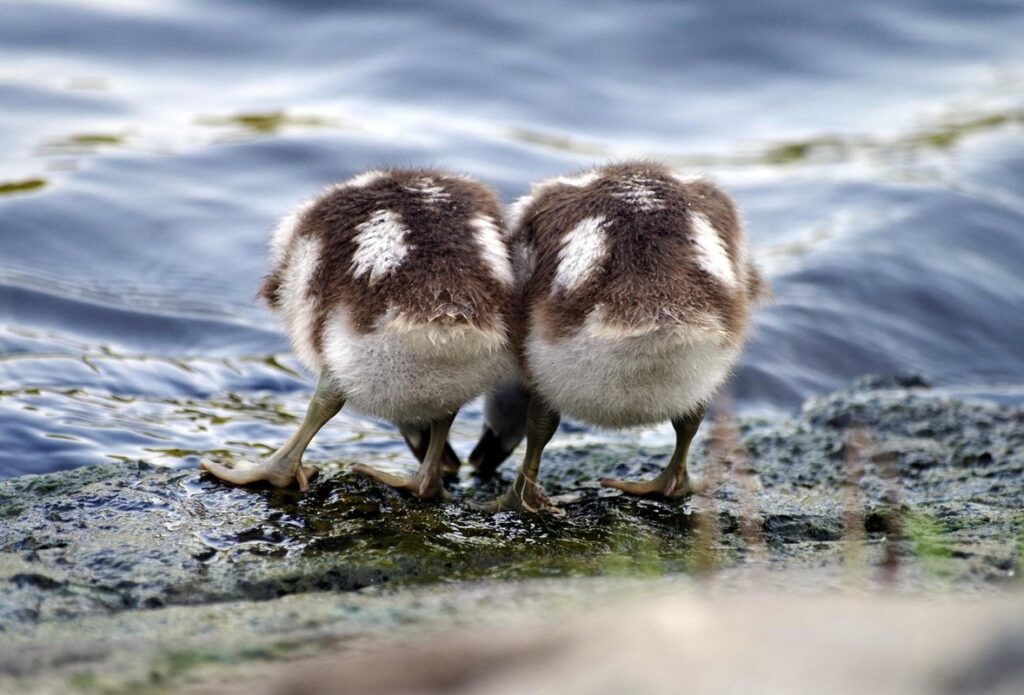
What is Gosling Feed?
Gosling feed is a specialized diet designed specifically for young geese, providing them with the essential nutrients they need to thrive during their critical growth stages. Let’s take a closer look at what makes it so unique and important for goslings.
Definition and Overview
Gosling Feed is a specialized dietary supplement designed specifically for young geese and ducks, typically between 1-12 weeks old. As these birds transition from being solely reliant on their mother’s milk to consuming solid food, they require a nutrient-rich feed that supports their rapid growth and development. Gosling Feed is formulated to meet the unique needs of young waterfowl, providing them with the energy, protein, and essential vitamins and minerals necessary for optimal health and well-being.
Poultry farmers who provide high-quality gosling feed can expect several benefits, including improved growth rates, enhanced disease resistance, and reduced mortality rates. A good gosling feed should also promote healthy feather development, strong immune systems, and a lower risk of digestive issues. By introducing a reliable gosling feed into their diet, farmers can help young waterfowl get off to a strong start and set them up for success throughout their lives.
History of Gosling Feed
Gosling Feed has a rich history that spans over 70 years. The company was founded by John Gosling in 1946 with the primary goal of providing high-quality feed to poultry farmers. Initially, Gosling Feed focused on producing basic grain mixes for chickens and turkeys. However, the company’s innovative approach to nutrition and research led to significant milestones in the industry.
One of the key innovations introduced by Gosling Feed was the concept of using a balanced diet specifically tailored to the nutritional needs of different bird species. This marked a shift away from generic feed formulas and towards customized feeding solutions that improved poultry health and productivity. In the 1970s, Gosling Feed began to expand its product line to include specialized feeds for broilers, layers, and breeders.
Throughout the years, Gosling Feed has continued to invest in research and development, ensuring that its products remain at the forefront of industry standards. Today, the company remains committed to providing poultry farmers with expert advice, tailored feeding solutions, and top-notch customer service. By combining tradition and innovation, Gosling Feed has solidified its position as a trusted leader in the feed industry.
Benefits of Using Gosling Feed
When it comes to choosing a feed for your adorable goslings, you’re likely wondering what benefits they’ll gain from specific nutrients. Let’s explore the advantages of using Gosling Feed in their diet.
Improved Growth Rates
When you feed your goslings with Gosling Feed, you can expect to see remarkable improvements in their growth rates. One of the key reasons for this is the unique formulation of the feed, which is specifically designed to support optimal development from an early age.
The feed contains a balanced mix of essential nutrients, including protein, energy-rich ingredients, and vital vitamins and minerals that help promote healthy growth. The high-quality protein content in Gosling Feed ensures that your goslings receive the necessary building blocks for muscle growth and development. Additionally, the feed’s optimal energy levels provide the necessary fuel for their rapid growth.
The result is a significant increase in growth rates compared to other feeds on the market. Farmers who have made the switch to Gosling Feed report an average of 15-20% improvement in growth rates within just a few weeks of using the feed. This can be attributed to the fact that Gosling Feed’s unique formulation helps your goslings reach their full potential, allowing them to grow stronger and healthier at an accelerated rate.
As you begin to notice these improvements, consider adjusting feeding schedules accordingly. For example, if your goslings are growing at a rate of 50-60 grams per day on the standard feed, switching to Gosling Feed may allow them to reach 70-80 grams per day in just a few weeks. By keeping a close eye on their growth rates and making adjustments as needed, you can optimize their development and ensure they’re getting everything they need to thrive.
Enhanced Nutritional Content
Using Gosling Feed ensures that your young goslings receive a balanced mix of essential nutrients for optimal growth and development. The feed is specifically formulated to provide a high-quality protein profile, which is crucial during the early stages of life when goslings are most vulnerable to nutritional deficiencies.
A well-balanced diet rich in vitamins and minerals helps support overall health, boosts energy levels, and enhances immune function. Gosling Feed addresses common nutrient deficiencies often seen in young goslings by providing adequate amounts of vitamin A, calcium, and phosphorus. These essential nutrients play a critical role in maintaining healthy bones, skin, and feathers.
To ensure your goslings receive the most benefits from the feed, it’s essential to follow proper feeding guidelines. This includes offering fresh water at all times and gradually introducing the feed to prevent digestive upset. With Gosling Feed, you can be confident that your young goslings are receiving a nutrient-dense diet that supports their overall health and well-being.
By choosing Gosling Feed, you’re giving your goslings the best possible start in life, setting them up for a healthy, happy future.
How Gosling Feed Works
Now that you’ve learned what goslings need, let’s dive into how their feed works and what to expect from a high-quality feeding system. This is where nutrition meets growth.
Key Ingredients and Formulation
Gosling Feed’s proprietary blend is carefully crafted to provide goslings with the necessary nutrients for optimal growth and development. The key ingredients include high-quality protein sources such as soybean meal and fishmeal, which are rich in amino acids essential for building strong muscles and feathers.
In addition to these protein sources, Gosling Feed also contains a unique blend of vitamins and minerals, including vitamin A, vitamin D3, and calcium carbonate. These essential nutrients support healthy bone growth, immune function, and overall gosling development.
One of the most significant advantages of Gosling Feed is its proprietary formulation, which sets it apart from other feed options on the market. This unique blend not only provides a balanced mix of nutrients but also includes specialized additives that promote gut health and reduce stress levels in young goslings. By providing this comprehensive nutrition, Gosling Feed supports optimal growth rates and helps prevent common issues such as stunted growth or weakened immune systems.
For example, many farmers have reported significant improvements in their gosling’s growth rates when switching to Gosling Feed. With its tailored blend of ingredients, it is no wonder why so many poultry producers rely on this premium feed option for their young geese.
Absorption and Digestibility
When you provide gosling feed to your young geese, it’s essential to understand how their digestive system absorbs and processes the nutrients. Goslings have a unique digestive system designed specifically for their rapid growth rate. The feed is broken down into smaller particles as they eat, and enzymes in the saliva and stomach further break down the carbohydrates, proteins, and fats.
The gosling’s small intestine is where most of the nutrient absorption takes place. The tiny finger-like projections called villi increase the surface area for absorption, allowing essential nutrients to be absorbed quickly. The feed’s nutrient profile plays a significant role in how efficiently it’s absorbed by the goslings. For instance, if the feed contains high-quality protein sources like soybean meal or fishmeal, these will be broken down and absorbed rapidly.
However, excessive intake of certain nutrients can lead to problems such as diarrhea, gas, or impaction. Monitor your goslings’ stools, behavior, and overall health closely when introducing a new feed.
Choosing the Right Gosling Feed
When it comes to selecting a gosling feed, there are several factors to consider to ensure your young geese get off to a healthy start in life. We’ll explore these key considerations next.
Factors to Consider
When choosing the right feed for your goslings, there are several key factors to consider. First and foremost, think about their dietary requirements. Goslings need a balanced diet that includes protein, carbohydrates, vitamins, and minerals to support healthy growth and development. Look for feeds that contain a minimum of 18% protein and 3% calcium, as these will provide the necessary building blocks for strong bones and muscles.
You should also consider the environmental factors on your farm. For example, if you’re raising goslings in a hot or humid climate, they’ll need access to shade and adequate ventilation to prevent heat stress. Similarly, if you’re raising them in a cold climate, you may want to choose a feed that’s formulated specifically for cold weather.
Finally, don’t forget about the economic constraints of your farm. Consider the cost per pound of the feed, as well as any additional expenses associated with storage and transportation. You’ll also want to think about the long-term benefits of investing in high-quality feed, such as improved growth rates and reduced disease susceptibility.
As you evaluate different feed options, ask yourself questions like: What are the specific needs of my goslings at this stage of development? How will this feed impact their health and productivity in the long term? And what is the cost-benefit analysis for each option?
Comparing Different Types of Feed
When it comes to choosing the right feed for your goslings, you may be considering options beyond traditional poultry feed. In this section, we’ll explore the benefits and drawbacks of various types of feed, helping you make an informed decision that meets your specific needs.
Layer Feed vs. Gosling Feed
One common misconception is that layer feed can be used as a substitute for gosling feed. However, layer feed is formulated to meet the nutritional requirements of mature hens, not young goslings. While it may provide some essential nutrients, it often lacks the critical amounts of protein and energy necessary for healthy growth and development.
Mash Feed vs. Pellet Feed
Another option is mash feed, which can be a cost-effective alternative to pellet feed. However, mash feed can be dusty and more prone to spoilage than pellet feed. If you do choose mash feed, make sure to store it in a dry location to prevent mold growth.
Natural and Organic Feed Options
For farmers looking for a more natural or organic approach, consider using local grains or supplementing with fruits and vegetables. However, be aware that these options may not provide a complete diet for your goslings, so ensure you’re providing additional nutrients as needed.
Ultimately, the best feed for your goslings will depend on their age, size, breed, and individual needs. Consult with a veterinarian or experienced poultry breeder to determine the most suitable option for your specific flock.
Implementing Gosling Feed on Your Farm
Now that you’ve decided to provide top-notch nutrition for your goslings, let’s dive into implementing our recommended feeding plan. This section will walk you through every step of integrating Gosling Feed into their daily routine.
Transitioning to a New Feed
Transitioning to Gosling Feed can be a straightforward process when done correctly. It’s essential to introduce new feed gradually to prevent digestive upset and ensure the goslings adapt smoothly. A good rule of thumb is to mix 25% of the new feed with 75% of their existing feed for the first few days, then gradually increase the proportion over several days.
Monitoring your flock’s behavior and health closely during this transition period is crucial. Keep an eye out for any signs of illness or discomfort, such as lethargy, diarrhea, or loss of appetite. If you notice any adverse reactions, it’s best to slow down the introduction process.
Maintaining accurate records throughout the transition will help you identify areas for improvement and make informed decisions about your flock’s diet in the future. Take note of the date, amount of feed introduced, and any notable changes in behavior or health. This information can also be useful if you need to consult with a veterinarian or nutritionist.
By following these steps, you’ll be able to transition your farm to using Gosling Feed efficiently and minimize the risk of disruptions to your flock’s routine.
Managing Feed Costs and Efficiency
Managing feed costs and efficiency is crucial when implementing Gosling Feed on your farm. One of the primary concerns for farmers is minimizing waste and ensuring an adequate supply to meet the growing needs of their goslings.
To start, it’s essential to calculate the exact amount of feed required per day based on the age, weight, and breed of your goslings. You can use a feeding chart or consult with a poultry expert to get an accurate estimate. This will help you avoid overfeeding or underfeeding, both of which can lead to wasted resources.
Another strategy for optimizing efficiency is to implement a feed management system that tracks consumption in real-time. This can be done using digital tools or manual logs, depending on your farm’s size and complexity. By monitoring feed usage closely, you’ll be able to identify areas where waste may be occurring and make adjustments accordingly.
Finally, consider implementing a “first-in, first-out” policy when storing Gosling Feed. This will help prevent old stock from being used before new inventory arrives, reducing the risk of spoilage and ensuring that your goslings receive fresh, high-quality feed at all times. By following these strategies, you’ll be able to manage feed costs effectively and optimize efficiency on your farm.
Conclusion
Now that we’ve walked through the ins and outs of gosling feed, it’s time to summarize our key takeaways and provide you with a clear direction for your bird-feeding journey.
Recap and Recommendations
In conclusion to our exploration of Gosling Feed, we hope that you now have a comprehensive understanding of its benefits and advantages for your farm. Let’s recap the key takeaways from this article and provide some recommendations for farmers looking to adopt this feed.
As we’ve discussed, Gosling Feed offers improved growth rates, increased egg production, and enhanced overall health in young waterfowl. Its unique formulation allows for optimal nutrient absorption, ensuring that your birds get the most out of their diet. By switching to Gosling Feed, you can expect to see significant improvements in your flock’s productivity and efficiency.
When transitioning to Gosling Feed, it’s essential to consider a few key factors. First, ensure that your waterfowl are acclimated to the new feed gradually. A sudden change in their diet can cause digestive upset, so introduce the feed in small increments over a period of 7-10 days. Next, pay close attention to the feed’s moisture levels and adjust as needed to prevent mold growth.
To maximize the benefits of Gosling Feed, we recommend following these best practices:
• Monitor your flock’s water intake regularly
• Maintain clean feeding and drinking areas
• Provide a balanced mineral supplement in addition to the feed
By implementing these recommendations, you’ll be well on your way to reaping the rewards of using Gosling Feed. Don’t hesitate to reach out to our team if you have any questions or concerns about transitioning to this innovative feed solution. With its proven track record and impressive results, we’re confident that Gosling Feed will become a valuable addition to your farm’s operation.
Frequently Asked Questions
What are the ideal storage conditions for Gosling Feed?
It’s essential to store Gosling Feed in a cool, dry place, away from direct sunlight. This will prevent spoilage and maintain its nutritional value. Store it in airtight containers or bags to preserve freshness.
Can I mix Gosling Feed with other feed types without compromising its benefits?
While mixing Gosling Feed with other feeds can be done, ensure that the formulation of the other feeds complements those found in the Gosling Feed. Overmixing can lead to imbalanced nutrition for your goslings.
How often should I monitor and adjust my Gosling Feed formulation to accommodate changing environmental conditions?
Regular monitoring is crucial when adjusting feed formulations based on changing environmental conditions, such as temperature fluctuations or variations in humidity levels. This will help you provide the optimal balance of nutrients for your goslings.
What are some common signs that indicate my goslings might not be thriving due to suboptimal Gosling Feed?
Watch out for signs like lethargy, decreased appetite, and changes in droppings quality or frequency. These can indicate issues with feed formulation or nutritional deficiencies that need immediate attention.
Can I use the same Gosling Feed recipe for both goslings and adult geese?
No, using the same feed for goslings and adults is not recommended due to differences in their nutritional needs at various life stages. Adult geese have different requirements than growing goslings, necessitating separate feeding formulations tailored to each stage.