
Sapphires have long been prized for their exceptional beauty and rarity, making them a highly sought-after gemstone among collectors and enthusiasts. But beyond its stunning appearance, there’s more to the sapphire than meets the eye. From ancient civilizations to modern-day markets, this versatile stone has a rich history that spans centuries. Whether you’re looking to identify a genuine sapphire or navigate the world of buying and selling these exquisite stones, understanding their types, care, and maintenance is crucial.
In this comprehensive guide, we’ll delve into the fascinating world of sapphires, covering everything from their historical significance and various types to expert tips on identifying, buying, and selling them. By the end of this article, you’ll be well-equipped with the knowledge to make informed decisions when it comes to these precious stones. So, let’s embark on this journey together and uncover the secrets of the sapphire gemstone.
What is a Sapphire Gemstone?
Sapphires are one of the most prized and coveted gemstones, but what exactly makes them so special? Let’s dive into the world of sapphire basics.
Definition and History
A sapphire gemstone is a type of corundum, a mineral species that is one of the hardest substances known to humans. It’s renowned for its exceptional hardness, brilliance, and vibrant colors. Sapphires owe their stunning appearance to the presence of various impurities, which alter their chemical composition and give them distinct hues.
The history of sapphire gemstones dates back thousands of years. In ancient Greece, sapphires were considered a symbol of power and nobility. The Greeks prized them for their intense blue color, often wearing them as amulets to protect themselves from harm. As civilizations rose and fell, the significance of sapphires continued to evolve.
Throughout history, sapphires have been used in various cultural and spiritual contexts. In Buddhism, they symbolize enlightenment, while in Hinduism, they represent the infinite sky. Even today, sapphire gemstones continue to captivate people worldwide with their timeless beauty and durability. With an understanding of its rich history and significance, you can begin to appreciate the true value of a sapphire gemstone.
Types of Sapphires: An Overview
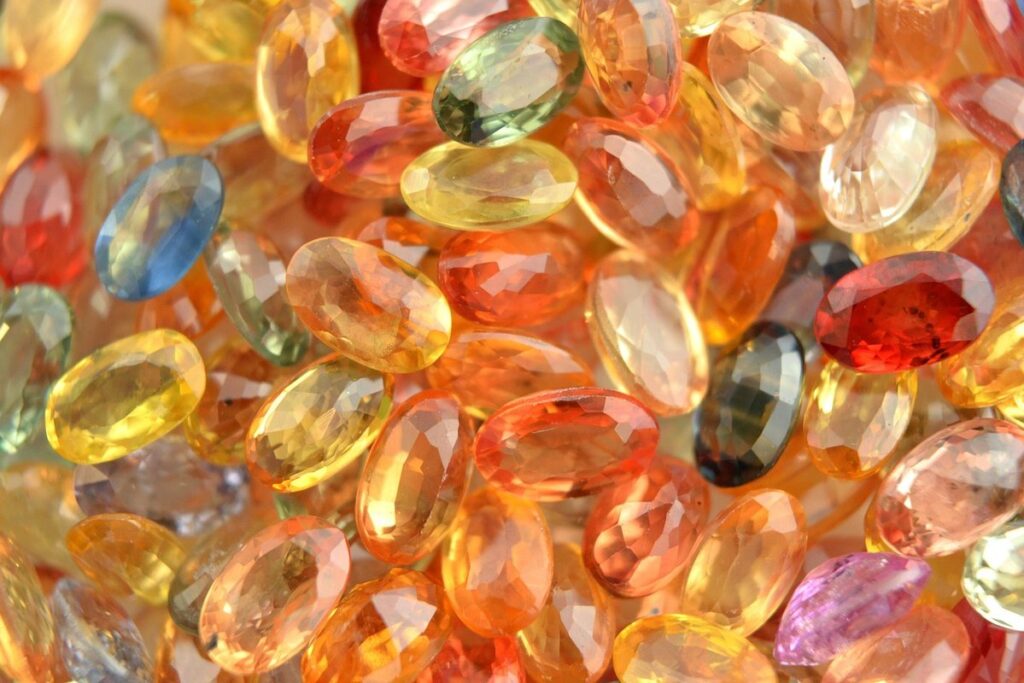
Sapphires come in a stunning array of colors and hues, each with its unique characteristics and allure. Among the most sought-after types is the blue sapphire, renowned for its rich, velvety texture and deep, vibrant hue that can range from pale sky blue to midnight navy. Pink sapphires, on the other hand, boast a delicate, feminine charm, often displaying a subtle gradient of colors that seem to shift depending on the light.
Yellow sapphires add a burst of sunshine to any jewelry piece, their bright, citrusy hue evoking feelings of optimism and joy. Green sapphirs are prized for their unique, emerald-like quality, while orange and purple sapphires possess an exotic, eye-catching appeal. These colors owe their distinctiveness to the presence or absence of certain impurities during the crystal formation process.
Whether you’re a seasoned gemstone collector or just starting your journey, understanding the different types of sapphires can help guide your choices and ensure you find the perfect stone to suit your style and preferences.
Physical Properties and Characteristics
Let’s dive into what makes sapphires so unique, exploring their physical properties such as hardness, density, and crystal structure.
Hardness and Durability
Sapphires are renowned for their exceptional hardness and durability, making them one of the most sought-after gemstones in the world. This is due to their high Mohs hardness rating of 9, which indicates that they can withstand scratches and wear with ease.
To put this into perspective, sapphire’s hardness is matched only by a few other minerals, including diamond and corundum. This exceptional durability means that sapphires are resistant to scratches, cracks, and breaks, even in the face of heavy wear and tear.
One reason why sapphires are prized for their quality is because they can be used in a variety of settings without fear of damage. For example, sapphire gemstones can be set in engagement rings or other fine jewelry pieces and will withstand everyday use with minimal maintenance. In fact, many sapphire owners wear their stones every day without worrying about scratches or chips.
When caring for your sapphire, it’s essential to follow proper handling techniques to maintain its luster and longevity. Always store your sapphire in a safe place, away from direct sunlight and extreme temperatures, and avoid exposing it to harsh chemicals. By doing so, you’ll be able to enjoy your stunning sapphire gemstone for generations to come.
Color Variations: Causes and Effects
Sapphires are renowned for their stunning array of colors, but have you ever wondered what causes these magnificent hues? The science behind sapphire coloration is quite fascinating. You see, the color of a sapphire is primarily determined by the presence or absence of certain elements such as iron, titanium, and chromium.
Inclusions play a significant role in determining a sapphire’s color. For instance, blue sapphires owe their vibrant hue to the presence of iron and titanium, while pink sapphires contain more chromium. On the other hand, treatments like heat enhancement can also alter the color of a sapphire. However, it’s essential to note that not all treated sapphires are created equal.
Geological conditions also impact the formation of sapphires. For example, high-pressure and high-temperature processes deep within the Earth’s crust contribute to the development of rare and valuable colors like padparadscha sapphire, which exhibits a delicate pink-orange hue. When it comes to selecting a sapphire, understanding its color origin can help you make an informed decision about its value and authenticity.
Gemological Properties and Identification
To truly appreciate a sapphire, you need to understand its unique characteristics. This section delves into the specific gemological properties and identification factors that make each sapphire one-of-a-kind.
Inclusions and Blemishes
Sapphires, like all natural gemstones, can exhibit various types of inclusions and blemishes that affect their value and appearance. As a buyer or collector, it’s essential to understand what these features are, how they’re identified, and their impact on the stone.
Rutile needles and jadeite inclusions are common in sapphires, especially those from certain regions like Kashmir or Madagascar. These needle-like inclusions can be present alone or in combination with other types of inclusions. To identify them, look for a network of fine lines or threads within the stone’s body. Keep in mind that rutile needles are more desirable and valuable than jadeite inclusions.
Sapphires may also exhibit blemishes such as scratches, pits, or cavities on their surface. These imperfections can be caused by natural processes like weathering or human errors during cutting and polishing. Inspect the stone under magnification to detect any blemishes.
Not all inclusions and blemishes are detrimental; some even enhance a sapphire’s value. For instance, a well-placed inclusion can create a unique pattern that adds character to the gemstone. When evaluating a sapphire, consider its overall appearance, including the type and extent of inclusions or blemishes.
When examining a sapphire, look for signs of genuine natural inclusions versus those introduced during treatment. A trained gemologist can help identify these features and provide an accurate assessment of the stone’s value.
Treatments and Enhancements: A Guide
Sapphires are one of the most sought-after gemstones in the world, prized for their exceptional beauty and rarity. However, not all sapphires on the market are natural or authentic. The gemstone industry has seen a significant rise in treatments and enhancements to improve the appearance and value of sapphires.
Heat treatment is the most common method used to enhance sapphires. It involves heating the stone to high temperatures to eliminate inclusions, remove imperfections, and improve color uniformity. This process can be repeated multiple times to achieve the desired effect. Irradiation is another technique used to create artificial blue or pink hues by bombarding the stone with ionizing radiation.
To identify treated or enhanced sapphires, look for signs of thermal shock, such as cracks or inclusions, which may indicate heat treatment. Be wary of unusually uniform color patterns or an overly vivid blue tone. Ask your jeweler about the gemstone’s history and laboratory reports to confirm its authenticity. Remember, while treatments can enhance a sapphire’s appearance, they also reduce its value and rarity.
Care and Maintenance
To keep your sapphire gemstone looking its best, it’s essential to understand how to properly clean and store it, as well as identify signs of damage. Proper care will help maintain its beauty for years to come.
Cleaning and Storage Tips
When it comes to sapphire gemstones, proper care and maintenance are crucial to preserving their beauty and longevity. To clean your sapphire gemstone effectively, avoid using harsh chemicals or abrasive materials that can scratch the stone’s surface. Instead, gently wipe the gem with a soft, dry cloth or a gentle soap solution specifically designed for cleaning jewelry.
For daily wear, consider storing your sapphire in an airtight container to prevent exposure to air and moisture. You can also store it separately from other gemstones to avoid scratching or damage. To deep clean your sapphire, mix 1 tablespoon of mild dish soap with warm water, then gently scrub the stone with a soft-bristled toothbrush. Rinse thoroughly with cold water and dry with a soft cloth.
Regularly inspecting your sapphire for signs of wear and tear can also help prevent damage. Be mindful of any inclusions or imperfections that may be prone to cracking or breaking. By following these simple tips, you’ll be able to maintain the quality and beauty of your sapphire gemstone for years to come.
Avoiding Damage: Handling and Setting Sapphires
When handling sapphire gemstones, it’s essential to take extra precautions to avoid damage. Start by gently grasping the stone with a soft cloth or tool, avoiding direct contact with your bare fingers to prevent oils from transferring and causing discoloration.
For setting sapphires, use a high-quality setting that complements their durability and hardness. A well-fitted prong setting is ideal, as it distributes the weight of the stone evenly and minimizes pressure on any one point. To ensure proper fit, measure your ring or setting carefully before selecting a sapphire to guarantee compatibility.
When working with sapphires, use tools specifically designed for handling gemstones, such as a polishing cloth or a lapidary wheel. These tools will help prevent scratches and allow for smooth polishing without compromising the stone’s clarity or luster.
Buying and Selling Sapphire Gemstones
When it comes time to purchase or sell a sapphire gemstone, understanding its market value is crucial. This section will walk you through the process of buying and selling these precious stones responsibly.
Authenticity and Certifications
When buying or selling sapphire gemstones, authenticity and certifications are crucial aspects to consider. A genuine sapphire is a rare and valuable commodity, and ensuring its legitimacy can make all the difference between a savvy purchase and a costly mistake.
The Gemological Institute of America (GIA) and the International Gemological Institute (IGI) are two reputable organizations that play a significant role in verifying the authenticity and quality of sapphire gemstones. These labs use advanced technology, including spectroscopy and microscopy, to examine the stone’s chemical composition, crystal structure, and inclusions. A GIA or IGI report provides assurance that your sapphire is genuine, and its certification can significantly impact its value.
To verify the authenticity of a sapphire, look for a report from a recognized laboratory like the GIA or IGI. Be wary of sellers who claim their stone has been certified without providing evidence. Always request a report and examine it carefully before making a purchase or sale.
Market Trends and Price Guides
When it comes to buying and selling sapphire gemstones, staying informed about current market trends and prices is crucial. The global demand for sapphires has been steadily increasing over the years, driven by their rarity, durability, and aesthetic appeal. As a result, prices have risen significantly, especially for high-quality stones.
Here are some key industry benchmarks to keep in mind:
* Fine quality sapphires with a strong market demand can fetch prices ranging from $500 to $1,000 per carat.
* High-end sapphires, particularly those featuring vibrant colors like cornflower blue or pink, can command prices up to $5,000 per carat.
* The price of sapphires also depends on factors such as their clarity, cut, and certifications (e.g., AGTA, GIA).
* Buyers should be aware that prices may fluctuate based on market conditions, and it’s essential to research reputable dealers or auction houses for accurate pricing.
When selling sapphires, understanding these price guides can help you set realistic expectations and make informed decisions about your gemstone.
Sapphires in Jewelry and Fashion
When it comes to sapphire gemstones, their stunning beauty and versatility have made them a popular choice for jewelry and fashion designers. Here, we’ll explore how sapphires are used in stunning pieces of jewelry.
History of Sapphire Jewellery
Sapphires have been a symbol of luxury and power for thousands of years, adorning the jewelry of royalty, nobility, and even gods. The earliest recorded use of sapphires dates back to ancient Mesopotamia around 3000 BCE, where they were prized by kings and queens for their exceptional hardness and vibrant blue color.
Throughout history, sapphire jewelry has been a staple in various cultures. In ancient Greece, sapphires were used to adorn the crowns of gods, while in medieval Europe, they were reserved for royalty and nobility. The famous Koh-i-Noor diamond, actually a sapphire at its core, was once the largest known gemstone in the world and is now part of the British Crown Jewels.
One notable example of sapphire-adorned jewelry from famous designers is the stunning sapphire tiara created by Cartier for Queen Marie of Romania in 1920. This exquisite piece features a large, cushion-cut sapphire surrounded by smaller diamonds and showcases the exceptional craftsmanship of French jewelers during the Art Deco era.
Today, sapphires continue to inspire jewelry designers with their rich history and timeless beauty. Whether you’re looking to own a piece of antique jewelry or create your own unique design, understanding the fascinating world of sapphires can help you make informed choices and appreciate the value behind these precious gemstones.
Modern Designs and Trends
In recent years, sapphires have taken center stage in modern jewelry design, pushing the boundaries of innovation and style. One notable trend is the use of innovative settings that enhance the gemstone’s natural beauty. For instance, “hidden halo” designs feature a delicate frame that wraps around the stone, creating an illusion of depth and adding an extra layer of visual interest.
Another trend gaining momentum is the combination of sapphires with other precious stones and metals. A classic example is the pairing of blue sapphires with diamonds or emeralds in intricate filigree patterns. This not only adds an element of surprise but also creates a unique color palette that’s both sophisticated and eye-catching.
Craftsmanship techniques have also evolved, allowing jewelers to create more intricate designs while preserving the stone’s integrity. Techniques like micro-pavé and hand engraving enable artisans to add subtle details that elevate the overall design without overpowering the sapphire.
When it comes to incorporating sapphires into your wardrobe, consider mixing and matching different colors and settings to create a personalized look. You can pair a vibrant blue sapphire with a delicate silver chain for a minimalist vibe or go bold with a bright yellow diamond surrounded by a halo of smaller stones.
Conclusion: Appreciating the Sapphire Gemstone
As we’ve explored the captivating history and characteristics of sapphires, let’s now reflect on how to truly appreciate these stunning gemstones in our everyday lives.
Final Thoughts on Sapphires
As you’ve navigated through the world of sapphire gemstones, it’s essential to take a step back and appreciate their exceptional qualities. From their rich history to their remarkable durability, sapphires have captured the hearts of many with their unparalleled beauty.
Their allure lies in part due to the unique characteristics that set them apart from other gemstones. As we’ve explored throughout this journey, sapphires come in a kaleidoscope of colors, each possessing its distinct charm and significance. Whether it’s the deep blue of a Kashmir sapphire or the vibrant pink of a Padparadscha sapphire, every hue tells a story.
Beyond their aesthetic appeal, sapphires also possess remarkable durability, ranking among the top five on the Mohs hardness scale. This innate resilience makes them an excellent choice for everyday wear, perfect for those seeking a gemstone that can withstand the test of time.
To truly appreciate the world of sapphire gemstones, it’s crucial to understand their cultural significance and historical context. By doing so, you’ll gain a deeper appreciation for these exceptional stones and their value extends far beyond mere monetary worth.
As you continue your journey in appreciating sapphires, remember that each stone is unique, with its own story and characteristics. Approach every encounter as an opportunity to learn and grow in understanding the world of sapphire gemstones.
Frequently Asked Questions
Can I use a jeweler’s loupe to verify the authenticity of a sapphire?
Yes, a jeweler’s loupe can be a useful tool for inspecting a sapphire up close, but it’s essential to remember that a loupe may not reveal all inclusions or blemishes. For accurate identification and certification, consult with a reputable gemological laboratory.
How do I properly clean a sapphire ring that has been passed down through generations?
Gently clean your sapphire ring with mild soap and lukewarm water. Avoid using harsh chemicals, ultrasonic cleaners, or steam cleaners, which can damage the stone’s surface. Dry the ring thoroughly after cleaning to prevent water spots.
What are some common signs of a sapphire being treated or enhanced?
Look for inconsistencies in color, clarity, or weight distribution. Check if the sapphire exhibits unusual fluorescence under UV light. Additionally, verify that the seller provides documentation from a reputable laboratory confirming the stone’s natural origin and any treatments applied.
Can I wear my sapphire engagement ring while doing household chores or engaging in sports?
No, it’s recommended to remove your sapphire engagement ring when participating in activities that may cause impact, abrasion, or chemicals exposure. Regularly inspect your ring for signs of damage or wear, and consider storing it separately when not worn.
How do I determine the market value of my inherited sapphire jewelry?
Consult with a reputable appraiser or gemologist to assess the stone’s quality, carat weight, and other factors influencing its value. Research similar sales data from reliable sources, such as auction houses or online marketplaces, to determine a fair market price for your sapphire jewelry piece.