
Wild ducks are a common sight in many parts of the world, but how much do we really know about these fascinating birds? Beyond their beautiful plumage and impressive flying skills, wild ducks have adapted to thrive in a wide range of habitats, from grasslands to wetlands. Unfortunately, many species of wild ducks face threats such as habitat loss and hunting, which puts their populations at risk. As outdoor enthusiasts and nature lovers, it’s essential that we understand how to coexist with these amazing birds and contribute to their protection.
In this article, we’ll take you on a journey into the world of wild ducks, exploring their habitats, behaviors, and conservation status. We’ll also provide tips on how to responsibly observe and appreciate these incredible birds in their natural habitat. Whether you’re a seasoned birder or just starting to learn about wildlife, we invite you to join us as we delve into the fascinating world of wild ducks and discover what we can do to help them thrive.
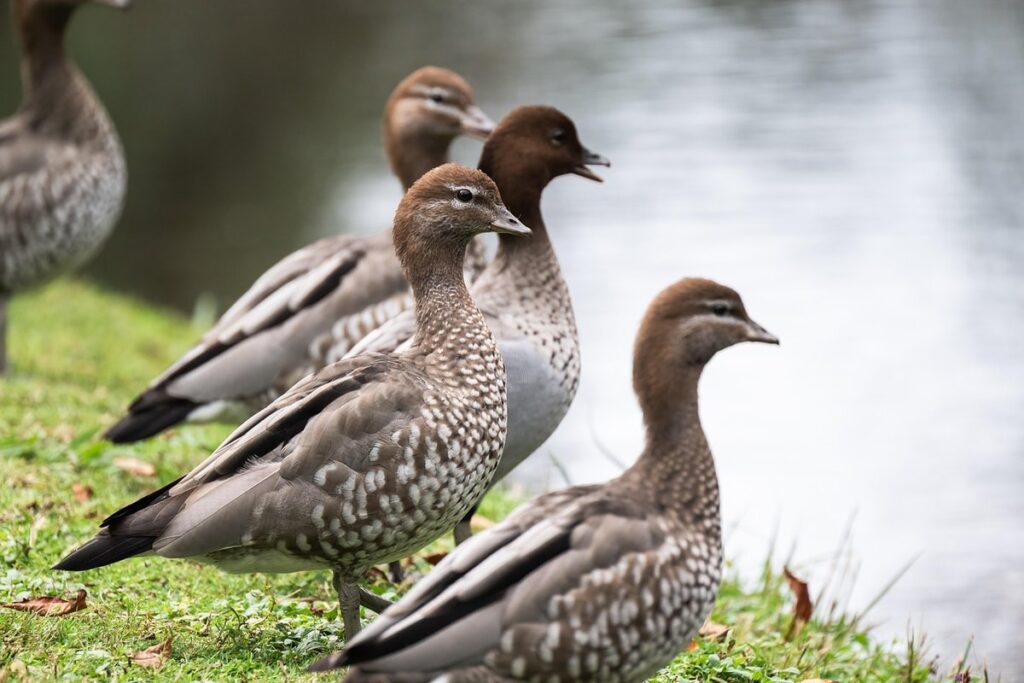
Understanding Wild Duck Species
There are over 120 species of wild ducks found around the world, each with unique characteristics and habits. In this section, we’ll delve into some of the most fascinating facts about these amazing birds.
Classification and Identification
Wild ducks are incredibly diverse, with over 120 different species found worldwide. To navigate this vast array of birds, it’s essential to understand their unique characteristics and how to identify them. Let’s start with some of the most common species.
Mallards (Anas platyrhynchos) are one of the most recognizable wild ducks, known for their green heads and yellow bills. Wood Ducks (Aix sponsa), on the other hand, have striking colors and patterns, with a distinctive white throat patch and red eye ring. Mergansers (Mergus spp.) are medium-sized ducks that specialize in catching fish underwater, using their sharp teeth to rip flesh from bones.
When trying to identify wild duck species, pay attention to their plumage, beak shape and size, and behavior. For example, Harlequin Ducks (Histrionicus histrionicus) have bright orange feet and a square-shaped tail, while Goldeneye (Bucephala spp.) have a distinctive white eye patch. To further confuse matters, some species may interbreed or exhibit varying plumage patterns depending on the season. To become proficient at identifying wild ducks, practice observing their characteristics in different environments and lighting conditions, taking note of any distinguishing features that set them apart from other species.
Habitat Requirements
Wild ducks can be found in a diverse range of environments, from wetlands to forests and grasslands. However, not all species have the same habitat requirements, making it essential for us to understand their specific needs.
Wetlands are perhaps the most obvious home for wild ducks, providing them with an abundance of food and water. Species such as the Mallard and Pekin duck thrive in these areas, feeding on aquatic plants and insects. However, some species like the Harlequin and Blue-winged Teal require more specific habitats, including shallow wetlands and grassy edges.
In contrast, forests provide a home for ducks that prefer dense vegetation, such as the Wood Duck and Merganser. These birds use their powerful beaks to feed on insects and small invertebrates living beneath tree bark and branches. Grasslands are also an important habitat for some species, like the Northern Shoveler, which feeds on aquatic plants growing in shallow pools of water.
Interestingly, urban areas have become a surprising habitat for many wild duck species, particularly those that adapt well to human-altered landscapes.
Wild Duck Behavior and Social Structure
Let’s dive into the fascinating world of wild duck behavior, where we’ll explore how these feathered friends interact with each other and their surroundings.
Migration Patterns
Wild ducks are known to be migratory birds, with different species displaying unique patterns and behaviors. For instance, wood ducks migrate from Canada and the northern United States to Mexico and Central America for the winter, while mallards fly from Siberia to Europe and North Africa.
Not all wild duck species migrate, however. Some examples include mergansers, which are found in both the Arctic and sub-Arctic regions year-round, and harlequin ducks, which remain in their mountainous habitats throughout the year.
The reasons for migration vary among species, but it generally serves to ensure a stable food supply and protection from harsh weather conditions. Migration also plays a critical role in maintaining healthy populations by allowing different species to adapt to changing environments.
For example, during their journey, wild ducks may stopover in areas with abundant food sources, such as wetlands and agricultural fields. These stops help them replenish energy reserves before continuing on to their final destinations.
It’s essential for bird enthusiasts and conservationists alike to recognize the importance of migration patterns in maintaining healthy populations. By understanding these movements, we can better preserve habitats and protect species.
Breeding and Nesting Habits
Breeding and nesting habits are crucial aspects of wild duck behavior. During courtship, male ducks engage in elaborate displays to attract females, including vocalizations, posturing, and even gift-giving. For example, Wood Ducks have been observed presenting brightly colored leaves or twigs to their mates as a token of affection.
Once paired, female wild ducks seek out suitable nesting sites, often choosing secluded areas with dense vegetation. The clutch size varies among species, but most wild ducks lay between 6-12 eggs per clutch. For instance, Mallards typically produce 9-11 eggs per brood.
However, breeding season poses significant challenges for wild ducks. Habitat loss, predation, and human disturbance can disrupt their reproductive cycles. To mitigate these risks, conservation efforts focus on protecting and restoring wetland habitats, reducing human impact during critical nesting periods, and promoting sustainable land-use practices. By supporting these initiatives, we can help ensure the long-term survival of wild duck populations.
Food Sources and Foraging Behavior
Wild ducks obtain their food from a variety of sources, including aquatic plants, insects, and small invertebrates. Understanding these foraging habits is crucial to appreciating their survival strategies.
Diet Composition
Wild ducks are opportunistic omnivores, which means their diet varies greatly depending on what’s available in their environment. A typical wild duck’s meal might consist of a mix of aquatic plants like duckweed and water lilies, insects such as mosquitoes and snails, crustaceans including crayfish and shrimp, and small fish.
Different species have adapted to exploit specific food sources based on where they live. For example, wood ducks are fond of the acorns and beechnuts found in their forest habitats, while mergansers feed almost exclusively on small fish like trout and salmon. Even within these broad categories, individual wild ducks can have unique preferences.
To understand a wild duck’s diet, consider what’s available in its habitat during different seasons. During breeding season, for instance, many species turn to more reliable food sources like aquatic plants and insects to sustain themselves while tending to their young.
Foraging Techniques
Wild ducks are incredibly resourceful when it comes to finding food, employing various foraging techniques that enable them to thrive in diverse aquatic environments. One of the most common methods is dabbling, where they wade into shallow water and sweep their bills through the surface in search of plants, insects, and small crustaceans.
Diving is another technique used by some species of wild ducks, such as mergansers and goldeneyes. These birds will plunge beneath the water’s surface with ease, using their webbed feet to propel themselves downwards. They can dive to remarkable depths in pursuit of aquatic prey like fish, frogs, and crayfish.
In addition to dabbling and diving, some wild duck species have been observed upending, or tipping over onto their sides while swimming. This unusual behavior allows them to forage for food that’s hidden beneath the water’s surface, such as submerged vegetation and invertebrates. By employing these diverse foraging techniques, wild ducks are able to adapt to their environment and exploit available resources, ensuring a steady supply of nutrients and energy.
If you’re interested in observing or participating in duck foraging behavior, try visiting shallow lakes, ponds, or marshes during early morning or late afternoon when the sun is low. Bring binoculars and remain quiet to avoid startling these birds.
Wild Duck Conservation Status
Let’s take a closer look at the conservation status of wild ducks, and what efforts are being made to protect these incredible birds from habitat loss and other threats.
Threats to Populations
Wild duck populations are facing numerous threats that impact their population sizes and distributions. Habitat loss is one of the most significant concerns, as natural habitats such as wetlands and grasslands continue to be converted into agricultural land, urban areas, and other human-dominated landscapes.
Hunting is another major threat, with many wild duck species being hunted for sport or food. Climate change also plays a critical role in reducing wild duck populations, as changing temperatures and precipitation patterns alter their breeding and migration habits. Disease is another significant factor, particularly avian cholera and botulism, which can decimate entire flocks.
These factors not only reduce population sizes but also alter the distribution of wild ducks, leading to isolation and fragmentation of remaining habitats. For example, in North America, the decline of wetlands due to habitat loss has led to a significant reduction in waterfowl populations. To mitigate these impacts, it’s essential for conservation efforts to focus on protecting and restoring natural habitats, regulating hunting practices, and addressing the effects of climate change.
Conservation Efforts
Conservation efforts are underway to protect wild duck populations, which face numerous threats such as habitat loss and fragmentation. Habitat restoration is a crucial aspect of these efforts, with organizations working to recreate natural habitats by planting native vegetation, restoring wetlands, and removing invasive species.
Regulated hunting is another key component, as it helps maintain a balance between wild duck populations and available resources. Many countries have implemented bag limits, season restrictions, and habitat closure areas to ensure sustainable hunting practices. For example, in the United States, the North American Waterfowl Management Plan has led to significant declines in waterfowl harvest rates while maintaining stable population levels.
Disease management programs also play a vital role in protecting wild duck populations. Avian cholera, avian botulism, and other diseases can have devastating impacts on duck populations. Wildlife agencies are working to monitor disease outbreaks, conduct research, and implement control measures such as vaccination programs and habitat modification. By addressing these threats through coordinated conservation efforts, we can ensure the long-term survival of wild duck species.
Human-Wild Duck Interactions
When interacting with wild ducks, it’s essential to be aware of the potential risks and benefits for both humans and these magnificent birds. Let’s explore some fascinating insights on human-wild duck interactions.
Conflicts with Agriculture
Wild ducks often find themselves at odds with agricultural lands, leading to conflicts that can have significant consequences for both parties. One of the primary issues is crop damage, as wild ducks may feed on crops like corn, soybeans, and wheat. This can result in substantial losses for farmers, particularly during peak migration seasons.
Waterfowl farming also plays a role in these conflicts. Large-scale duck farms can disrupt natural habitats and push wild ducks out of their traditional feeding grounds. For instance, a study in the United States found that an increase in commercial waterfowl production led to a decline in wild duck populations in surrounding areas.
To mitigate these conflicts, farmers and conservationists are working together to implement more sustainable practices. This includes using bird-deterrent systems like nets or balloons to protect crops, as well as creating buffer zones around agricultural lands to provide alternative food sources for wild ducks. By taking proactive steps, we can reduce the impact of human-wild duck interactions on both agriculture and conservation efforts.
Urbanization and Habitat Fragmentation
As cities expand and grow, wild duck habitats are shrinking, leading to significant impacts on their populations. Urbanization is a major driver of habitat loss, as natural areas such as wetlands, grasslands, and forests are converted into residential and commercial zones. This not only reduces the availability of food and shelter for wild ducks but also disrupts their migratory routes and breeding patterns.
Habitat fragmentation is another critical issue affecting wild duck populations. When habitats are fragmented, it becomes challenging for ducks to move between different areas in search of food, water, or mates. This can lead to population isolation, reduced genetic diversity, and increased vulnerability to disease and predation. For instance, a study on mallard ducks found that those living in fragmented habitats had lower reproductive success compared to those in contiguous habitats.
As an advocate for wild duck conservation, it’s essential to take action against habitat fragmentation. You can start by supporting organizations that work towards preserving and reconnecting habitats. Additionally, you can make conscious choices when buying products or building homes, ensuring that they are not contributing to deforestation or urban sprawl.
Conclusion: Protecting Wild Duck Populations
As we’ve learned about the fascinating world of wild ducks, it’s now time to explore practical steps for protecting these amazing birds and their habitats. Let’s discuss effective conservation strategies together!
Recommendations for Sustainable Coexistence
As we conclude our exploration of the world of wild ducks, it’s essential to consider the delicate balance between humans and these fascinating creatures. By summarizing key findings from this article and offering practical recommendations, we can work towards a harmonious coexistence.
Responsible hunting practices are crucial for maintaining healthy wild duck populations. When engaging in hunting activities, follow local regulations and guidelines to avoid overhunting and ensure that the population remains stable. Be mindful of habitat preservation and respect protected areas to prevent unnecessary disturbance. For instance, the Convention on International Trade in Endangered Species of Wild Fauna and Flora (CITES) regulates the trade of wild duck species, emphasizing the importance of sustainable hunting practices.
Conservation efforts also play a vital role in protecting wild duck populations. Support local organizations dedicated to habitat preservation, restoration, and wildlife conservation. Participate in citizen science initiatives or volunteer for guided clean-up events that contribute to maintaining healthy ecosystems. For example, the National Audubon Society’s Wetlands Program helps restore habitats and promotes sustainable land use practices.
Community engagement is another critical aspect of coexisting with wild ducks. Educate yourself and others about the importance of preserving natural habitats and respecting wildlife. Share your knowledge by participating in outreach programs or organizing workshops that promote wild duck conservation. By working together, we can create a culture of coexistence where humans and wild ducks thrive side-by-side.
In conclusion, our recommendations for sustainable coexistence with wild ducks encourage responsible hunting practices, support local conservation efforts, and foster community engagement. By embracing these principles, we can contribute to the long-term preservation of wild duck populations and ensure their continued presence in our ecosystem.
Frequently Asked Questions
Can I attract wild ducks to my backyard or garden?
Yes, you can create a duck-friendly environment by providing water sources, such as ponds or birdbaths with fresh water and shallow areas for landing. Plant native vegetation that offers berries, seeds, and aquatic plants, which are essential food sources for wild ducks. Be patient, as it may take time for the ducks to discover your new habitat.
How can I responsibly photograph wild ducks without disturbing them?
To avoid disturbing wild ducks during photography, keep a safe distance of at least 10-15 meters (30-45 feet) and use a telephoto lens or camera with good zoom capabilities. Refrain from using flash or making loud noises that might scare the birds away. Choose locations with minimal human activity and respect any protected areas or bird sanctuaries.
What are some common misconceptions about wild duck behavior?
One common misconception is that wild ducks are only found near water bodies, when in fact they can inhabit a wide range of habitats, including grasslands and agricultural fields. Another misconception is that wild ducks migrate alone; while many species do migrate in flocks, others may travel solo or in pairs.
How can I contribute to wild duck conservation efforts?
You can contribute to wild duck conservation by supporting organizations dedicated to habitat preservation and restoration, such as the World Wildlife Fund (WWF) or local wildlife trusts. Consider participating in citizen science projects that help monitor wild duck populations and their habitats. You can also spread awareness about the importance of protecting wild duck habitats through social media and community outreach.
Can I keep a wild duck as a pet?
No, it is not recommended to keep wild ducks as pets. Wild ducks are adapted to living in their natural habitats, and keeping them captive can cause stress, lead to nutritional deficiencies, and even result in disease transmission. Moreover, many species of wild ducks have specific requirements for temperature, humidity, and social interaction that cannot be replicated in a domestic setting.