
Urban living doesn’t have to mean giving up on fresh eggs from your own backyard. With more cities embracing backyard chickens, many of us are eager to join the flock. But before you start collecting eggs and entertaining the neighbors with chicken antics, it’s essential to familiarize yourself with local regulations. After all, the rules around urban chicken keeping can be complex and varied depending on where you live.
This guide is here to help you navigate these regulations and more. We’ll delve into local ordinances, coop design essentials, and health considerations specific to city chickens. From determining if your neighborhood allows backyard flocks to understanding how to keep your feathered friends safe from predators and disease, we’ve got you covered. By the end of this comprehensive guide, you’ll be well on your way to becoming a responsible urban chicken keeper.
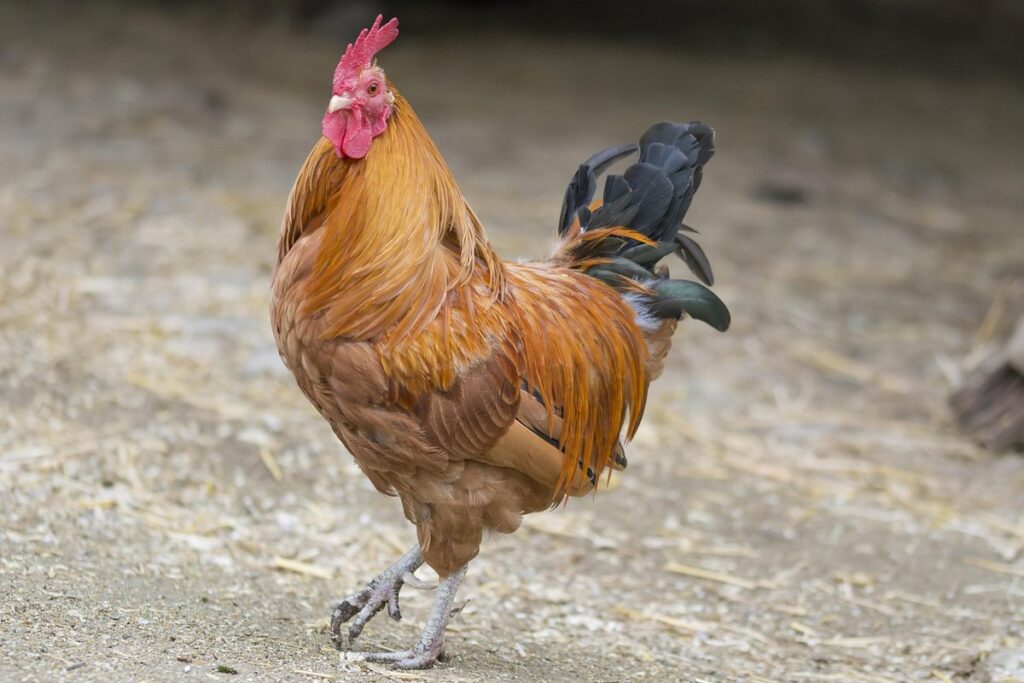
Understanding Local Regulations
Let’s dive into the specifics of urban chicken keeping rules, starting with the local regulations that may surprise you and impact your backyard flock. These laws vary significantly from place to place.
Checking with Your Local Government
Before bringing home those adorable chicks, it’s essential to check with your local government about their regulations on urban chicken keeping. You wouldn’t want to get fined for having a few feathered friends in your backyard, would you? Start by searching online for “urban chicken keeping” or “backyard chickens” along with the name of your city or county.
This should lead you to a website or department that handles zoning and land use regulations. Look for contact information such as phone numbers or email addresses to reach out to someone who can guide you through the process. You can also try visiting your local town hall or municipal office in person.
When contacting them, be prepared to ask specific questions about chicken keeping regulations in your area, such as:
* Is there a limit on the number of chickens allowed per property?
* Are there any noise restrictions or ordinances related to backyard chickens?
* Do you need a permit or license to keep chickens?
Having this information will help you avoid potential problems down the road and ensure that you can enjoy raising your own urban chickens with peace of mind.
Researching Zoning Laws and Ordinances
When it comes to urban chicken keeping, zoning laws and ordinances can be a major hurdle. That’s why understanding these regulations is crucial before bringing home those adorable feathered friends. Zoning laws dictate what activities are allowed on private property, including the type of animals you can keep.
To research and understand your local zoning laws and ordinances, start by visiting your city or county government’s website. Look for sections related to zoning, land use, or animal control. You can also contact your local planning department directly to ask about specific regulations. Be prepared to provide your address and explain your interest in keeping chickens.
It’s essential to thoroughly read and understand the language used in these documents. Pay attention to words like “permitted,” “conditional,” and “prohibited.” If you’re unsure, don’t be afraid to reach out for clarification. Remember, ignorance of the law is not an excuse! Once you have a clear understanding of your local regulations, you can determine whether keeping chickens is feasible in your area.
Some cities also offer zoning variances or special permits that allow homeowners to keep chickens despite strict regulations. Look into these options if you’re set on raising urban chickens but are facing obstacles.
Choosing a Suitable Location
When selecting a backyard chicken coop, it’s essential to consider local regulations and zoning laws that govern urban chicken keeping. Not all neighborhoods permit chickens, so make sure you’re aware of the rules in your area.
Assessing Your Property’s Suitability
Before bringing home those adorable chicks, it’s essential to assess whether your property is suitable for raising chickens. Let’s dive into the key factors to consider.
First and foremost, think about space. Chickens need room to roam, stretch their wings, and exercise. If you have a small backyard or live in a densely populated area, it might be challenging to provide enough space for your flock. Consider the size of your yard and how much land you’re willing to dedicate to your chickens’ needs.
Noise level is another crucial aspect to evaluate. Chickens can be loud, especially when they’re alerted by predators or competing with other animals in the neighborhood. If you live in a residential area with noise restrictions or have close neighbors who might be disturbed by the noise, it’s best to reconsider keeping chickens.
Lastly, think about your neighbors. While some people love having backyard chickens, others might not appreciate the sounds and smells associated with them. If you’re unsure how your neighbors will react, consider starting a conversation with them before bringing home your flock. This will help you gauge their level of acceptance and avoid potential conflicts down the line.
Remember to check local ordinances and regulations regarding backyard chickens in your area as well.
Selecting a Quiet and Private Spot
When choosing a location for your chicken coop, selecting a quiet and private spot is crucial for the well-being of your birds. Chickens are sensitive to noise and can become stressed if exposed to loud sounds, which can lead to health problems and decreased egg production.
To find an ideal quiet spot, look for areas with minimal foot traffic, such as a corner of your yard away from neighboring homes or public paths. Avoid placing the coop near roads, airports, or other noise-polluting sources.
Consider the natural surroundings too – chickens prefer a serene environment with some trees and greenery to provide shade and shelter. A spot with a southern exposure can also help regulate the internal temperature inside the coop, keeping it cooler in summer and warmer in winter.
Some specific features to look for include:
• A clear view of the surrounding area for predator detection
• Adequate ventilation to prevent ammonia buildup from droppings
• Easy access for maintenance and cleaning without disturbing the birds
By choosing a quiet and private spot, you’ll create a stress-free environment for your chickens, which will in turn promote their health and happiness.
Obtaining Permits and Licenses
Before bringing home those adorable chickens, you’ll need to navigate the sometimes confusing world of permits and licenses required by your local government. We’ll break down what you need to know step-by-step.
Understanding Permit Requirements
Before bringing home your feathered friends, it’s essential to understand the permit requirements in your area. The type of permits and licenses you’ll need can vary depending on where you live, so be sure to check with your local government for specific regulations.
Typically, urban chicken keepers will need to obtain a building permit to ensure their coop meets local safety standards and building codes. This might involve submitting plans or undergoing an inspection to verify that the structure is secure and predator-proof. You’ll also want to research zoning laws to confirm whether backyard chickens are allowed in your neighborhood.
Additionally, you may be required to obtain a health department permit to ensure that your flock is being kept in a sanitary manner. This often involves registering with local animal control or completing an inspection to verify proper waste disposal and disease prevention measures. Don’t forget to also check with your homeowner’s association (if applicable) for any specific requirements or restrictions on urban chicken keeping.
Remember, it’s always better to err on the side of caution and research these requirements thoroughly before bringing home those adorable chicks!
Applying for Permits and Licenses
Applying for permits and licenses is often one of the most daunting tasks when it comes to urban chicken keeping. However, with a clear understanding of what’s required, you can navigate this process with ease.
To start, check with your local government to determine which permits and licenses are necessary in your area. In some cities, a simple permit is all that’s needed, while others may require multiple licenses or even zoning variances.
When applying for permits and licenses, be prepared to provide documentation, such as:
* Proof of property ownership or rental agreement
* Floor plans or schematics of your coop and run
* Health certificates from a licensed veterinarian
* Photos of your coop and surrounding area
Fees will vary depending on the jurisdiction and type of permit or license required. Be sure to factor these costs into your overall budget for starting an urban chicken-keeping operation.
Typical fees range from $20 to over $100, so it’s essential to plan ahead and research what you’ll need to pay before applying.
Building or Modifying a Coop
When building or modifying a chicken coop, there are specific rules and regulations you’ll need to follow to ensure your urban backyard flock is safe and compliant. We’ll guide you through these requirements.
Designing Your Chicken Coop
When designing your chicken coop, there are several key factors to consider to ensure it’s both safe and functional for your birds. First and foremost, ventilation is crucial to prevent ammonia buildup from their droppings. You’ll want to provide adequate airflow by installing windows or vents that allow fresh air to circulate. A good rule of thumb is to aim for at least 2 square feet of ventilation per bird.
Lighting is also essential for your chickens’ health and well-being. Natural light during the day is ideal, but you may need to supplement with artificial lighting in the evening to simulate a normal day-night cycle. Consider installing LED lights or solar-powered options that are energy-efficient and won’t overheat the coop.
Predator protection is another critical consideration when designing your coop. Hardware cloth or chicken wire should cover any openings to prevent predators like raccoons, foxes, and hawks from getting in. You’ll also want to secure the coop’s doors with strong latches that can withstand attempted break-ins. Consider adding a roof overhang or extension to provide additional protection from aerial predators.
Using Pre-Fabricated Coops or Kits
Using pre-fabricated coops or kits can be a convenient and cost-effective way to get started with urban chicken keeping. These pre-built structures come in various sizes and styles, making it easy to find one that fits your space and needs. One of the main advantages is that they’re often designed with predator protection and ventilation in mind, ensuring your flock stays safe and healthy.
However, there are some potential downsides to consider. For instance, you may be limited by the design and layout of the coop, which might not suit your specific requirements. Additionally, assembling a pre-fabricated coop can be time-consuming and physically demanding, especially if it’s large or heavy.
To make the most of a pre-fabricated coop, it’s essential to choose one that meets local regulations and zoning laws. Measure your available space carefully before ordering to ensure a proper fit. When assembling the coop, follow the manufacturer’s instructions closely, and don’t hesitate to reach out for support if needed.
Health and Safety Considerations
When it comes to urban chicken keeping, understanding health and safety considerations is crucial to avoid potential risks to your family, neighbors, and local community. This section will guide you through key regulations to keep in mind.
Understanding Biosecurity Measures
As an urban chicken keeper, it’s essential to understand the importance of biosecurity measures in preventing disease transmission among your flock and even yourself. Biosecurity refers to the practices and protocols you put in place to minimize the risk of disease introduction and spread within your coop.
When chickens are kept together, they can easily transmit diseases like avian influenza, Newcastle disease, or salmonella through direct contact, contaminated feed, water, or droppings. Humans can also contract these diseases if they’re not careful when handling chickens or their environments.
To implement effective biosecurity measures, start by isolating your coop from other animals and pets in the household. Keep a safe distance between neighboring coops and consider installing a fence to prevent wild birds from accessing your area. Regularly clean and disinfect all equipment, feeders, and waterers with a bleach solution (1 part bleach to 10 parts water). Wash your hands thoroughly before and after handling chickens or their environments.
Remember, a well-maintained coop is a healthy flock’s best defense against disease transmission.
Proper Handling and Hygiene Practices
When handling chickens and their equipment, it’s essential to practice good hygiene and safety habits. This not only protects you from potential health risks but also helps prevent the spread of diseases among your flock.
First and foremost, always wash your hands thoroughly after interacting with your chickens or their living space. Use soap and warm water for at least 20 seconds before rinsing off completely. You should also clean any shoes or footwear that came into contact with the coop or run to prevent potential contaminants from being carried back inside.
In addition to hand washing, it’s crucial to regularly clean and disinfect equipment such as feeders, waterers, and nesting boxes. Use a mild detergent and follow the manufacturer’s instructions for proper dilution ratios when using cleaning agents. Daily tasks like collecting eggs should also be done with clean hands, and any broken or dirty eggs should be discarded immediately.
Remember, maintaining a clean environment is key to keeping both you and your chickens healthy. By following these simple practices, you can significantly reduce the risk of disease transmission within your flock.
Navigating Common Challenges
As you embark on raising urban chickens, it’s inevitable that you’ll face some obstacles along the way, from noise complaints to zoning restrictions. We’re here to help you navigate these common challenges smoothly.
Dealing with Noisy or Aggressive Chickens
Dealing with noisy or aggressive chickens is one of the most common challenges urban chicken keepers face. While it’s essential to follow local regulations regarding noise levels and animal welfare, there are ways to address these issues proactively.
Start by identifying the underlying causes of the problem: Are your hens getting enough space and exercise? Do they have adequate shelter from extreme weather conditions? Once you’ve addressed potential environmental stressors, focus on training techniques. For noisy chickens, try using positive reinforcement methods like clicker training or operant conditioning to encourage quiet behavior.
To manage aggressive hens, introduce them gradually to new environments and animals. Provide separate feeding and watering stations to reduce competition for resources. You can also try using visual barriers like fencing or shrubs to create a sense of personal space.
Some cities have implemented noise-reducing measures such as sound-absorbing materials or acoustic fencing around backyard chicken coops. Familiarize yourself with local regulations and consider investing in noise-dampening solutions if needed.
By making these adjustments and implementing targeted training techniques, you can minimize conflicts between your flock and neighbors while maintaining a healthy, happy environment for all parties involved.
Handling Conflicts with Neighbors
When it comes to urban chicken keeping, conflicts with neighbors are often inevitable. You might be surprised at how quickly a seemingly peaceful neighborhood can turn into a hotbed of drama and disagreements over noise levels, odors, and property values. To avoid or resolve these issues, it’s essential to be proactive and considerate of your neighbors’ concerns.
One common conflict arises when chickens make excessive noise, especially in the early morning hours. To minimize disturbance, establish a regular feeding schedule and ensure that your flock is secure at night to prevent roosting outside their coop. You can also take steps to reduce noise levels by installing a noise-reducing fence or using sound-dampening materials around your coop.
Another issue that may arise is the concern over property values. Neighbors might worry that chickens will attract pests, decrease property value, or create an eyesore on the block. To alleviate these concerns, maintain a clean and well-maintained coop and yard, and consider implementing integrated pest management strategies to minimize risks. By being open-minded, approachable, and willing to listen to your neighbors’ worries, you can often resolve conflicts peacefully. If issues persist, consider mediation or consulting with local authorities for guidance on resolving disputes.
Frequently Asked Questions
Can I start building my chicken coop before obtaining the necessary permits?
While it’s tempting to get started on your backyard chicken-keeping project, it’s essential to obtain the required permits first. Building a coop without proper authorization can lead to fines and even the removal of your birds. Yes, always check with your local government for specific regulations before commencing construction.
How will I know if my neighbors are okay with having chickens in our backyard?
Before introducing any new animals to your yard, consider talking to your neighbors about their concerns or expectations. Open communication can help prevent potential conflicts and ensure a harmonious coexistence between humans and chickens.
What happens if I accidentally introduce disease into my flock?
Biosecurity is crucial when it comes to urban chicken keeping. If you suspect an issue, contact local animal health services for guidance on testing and quarantining your birds. Yes, prompt action can help prevent the spread of disease to other animals in the area.
Are there any tax benefits or incentives for urban chicken keepers?
Research your local government’s policies to see if they offer any tax breaks or rebates for eco-friendly backyard projects like chicken-keeping. These incentives might offset some of the costs associated with starting and maintaining a flock.
How will I handle conflicts between my chickens and other wildlife, such as raccoons or foxes?
Predator control is an essential aspect of urban chicken keeping. Consider investing in secure coop designs, using physical barriers to protect your birds, or implementing non-lethal deterrents like motion-activated sprinklers. By taking proactive measures, you can minimize the risk of predator attacks and ensure a safe environment for both humans and animals.