
Silky chickens have stolen the hearts of many backyard flock enthusiasts with their stunning, soft feathers. But if you’re new to keeping poultry as pets, you might be wondering: where do these gorgeous birds come from? And what makes them so special? If you’re considering adding Silky chickens to your family, this article is for you. We’ll delve into the fascinating history of these birds, covering their origins and evolution over time. You’ll also learn about the essential care requirements to keep your Silkies happy and healthy, from diet and habitat to health checks and maintenance. Whether you’re a seasoned chicken keeper or just starting out, this article will provide valuable insights and practical advice on why keeping Silky chickens as pets is an incredibly rewarding experience.
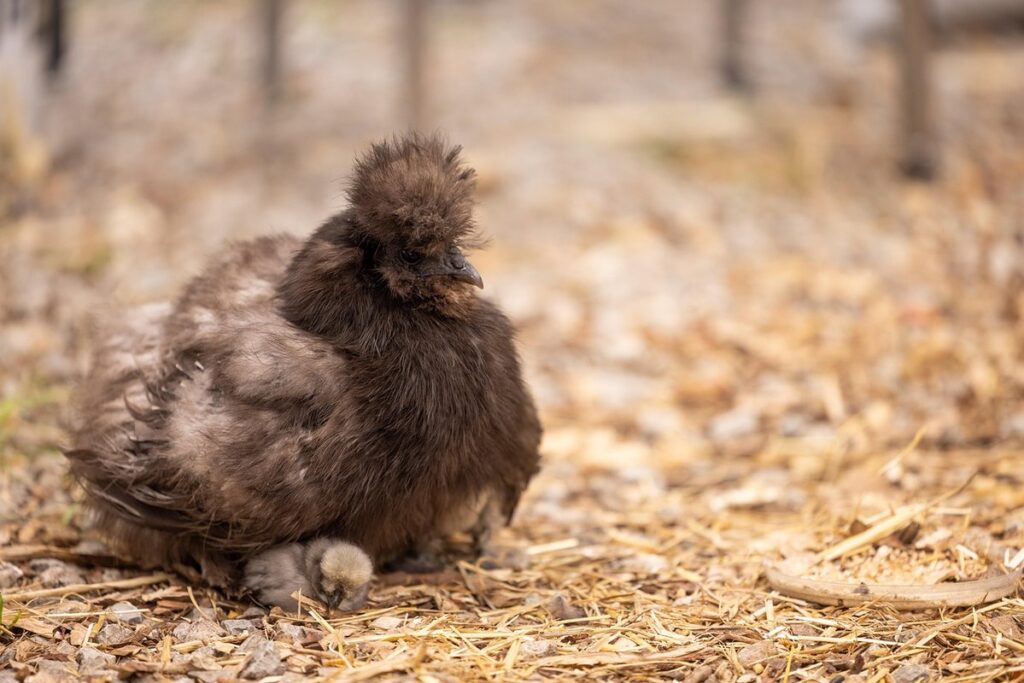
History and Origins of Silky Chickens
Silky chickens have a rich history dating back thousands of years, originating from Japan where they were bred for their exceptional feathers and friendly nature. Let’s explore how this incredible breed came to be.
Originating from Japan
The Silky Chicken Breed’s Japanese Roots
Silky chickens have a rich history that dates back to Japan, where they were highly prized for their striking appearance and gentle nature. Developed from crosses between Asiatic breeds, these birds quickly gained popularity among Japanese farmers and breeders due to their unique characteristics.
In the early 20th century, Japanese breeders selectively bred Silky chickens to enhance their silky, glossy feathers and soft temperament. The result was a bird that not only looked stunning but also possessed exceptional egg-laying abilities. According to historical records, these birds would lay around 200-250 brown eggs per year, making them an excellent choice for backyard farmers.
What’s remarkable about the Silky chicken breed is its adaptability. They thrive in a variety of climates and living conditions, from small backyards to large farms. This adaptability, combined with their gentle nature, makes them an ideal choice for families or individuals looking to raise chickens as pets. If you’re considering bringing a Silky chicken into your life, remember that patience and understanding are key when working with these lovable birds.
Characteristics That Set Them Apart
One of the most striking aspects of Silky chickens is their stunning plumage. These birds boast some of the longest, silkiest feathers you’ll ever see on a chicken, with some varieties sporting lengths of up to 6 inches! Their unique coat pattern, often featuring shades of white, black, and gray, adds an extra layer of visual interest. But Silky chickens aren’t just about looks – their friendly demeanor is another key characteristic that sets them apart.
Silkies are known for being gentle, affectionate birds that thrive on human interaction. They’re perfect for families with children or for anyone who wants a low-maintenance pet that will happily follow them around the yard. With proper socialization from an early age, Silkies can become quite tame and even enjoy being cuddled! Their calm nature makes them an excellent choice for backyard flocks where noise levels need to be kept to a minimum.
When selecting a Silky chicken, look for varieties with good temperament and a healthy dose of curiosity. These birds are naturally inquisitive and love to explore their surroundings, making them perfect for small-scale farming or homesteading operations.
Advantages of Raising Silky Chickens
Silky chickens bring so many benefits to your backyard, from their adorable fluffy feathers to the delicious eggs they produce. In this next part of our guide, we’ll dive into these advantages and show you just how special they are.
Gentle Nature and Temperament
One of the most appealing characteristics of Silky chickens is their extremely docile nature. They are bred to be friendly and gentle, making them an excellent choice for families with children or first-time chicken keepers. Their calm temperament allows you to handle them with ease, which is perfect for kids who want to learn about caring for animals.
Silky chickens are not easily stressed or frightened, even in loud environments. This means they’ll remain calm and relaxed, even if your backyard is bustling with activity. They’re also relatively quiet birds, which is a bonus for those living in close proximity to neighbors. Their gentle nature makes them an ideal choice for small farms or homesteads.
To get the most out of your Silky chickens’ docile nature, be sure to handle them regularly from a young age. This will help them become comfortable with human interaction and make them even more affectionate as they mature. With proper care and handling, Silky chickens can grow into trusting companions that bring joy and laughter to any family or farm.
Low Maintenance
Raising silky chickens is often considered one of the most low-maintenance options when it comes to backyard poultry. Unlike some other breeds that demand a lot of attention and upkeep, silks are generally easy-going and adaptable to various living situations. One key reason for this is their hardiness – they’re resistant to many common chicken diseases and can thrive in a variety of environments.
In fact, with proper care, silky chickens can live up to 10-12 years or more, making them a long-term companion for any backyard flock. To keep your silks happy and healthy, it’s essential to provide them with adequate shelter, fresh water, and nutritious food. A clean coop with plenty of ventilation is also crucial to prevent health issues.
You can also expect minimal noise from silky chickens as they are relatively quiet birds, producing around 20-30 eggs per year. Additionally, silks are easy to handle and can be quite affectionate, making them a great choice for families or first-time chicken keepers. With their gentle nature and low maintenance requirements, it’s no wonder why many backyard farmers adore these lovable birds.
Health Considerations for Silky Chickens
When it comes to raising silky chickens, there are some key health considerations you’ll want to be aware of to ensure your flock stays happy and healthy. Let’s take a closer look at these important factors together.
Common Health Issues
As delightful as silky chickens can be, it’s essential to acknowledge that they’re not immune to health issues. While generally a hardy breed, these birds can be prone to certain problems if not monitored and cared for properly.
One of the most common health issues affecting silky chickens is respiratory infections. These can be caused by bacterial or viral pathogens and often manifest as labored breathing, coughing, or nasal discharge. To prevent respiratory problems, make sure your flock has adequate ventilation, and keep their living space clean to reduce the risk of airborne diseases.
Another issue that may affect your silky chickens is parasites, such as mites, lice, or fleas. These external pests can cause discomfort, stress, and even anemia in severe cases. Regular inspections and treatments will help keep these unwanted critters under control.
Additionally, silky chickens are susceptible to Marek’s disease, a viral condition that affects their nervous system. This is usually transmitted through contact with infected birds or contaminated materials. Vaccination and maintaining good hygiene practices can minimize the risk of transmission.
It’s crucial to be aware of these potential health issues so you can take proactive steps in prevention and treatment. Regular health checks, proper nutrition, and a clean living environment will go a long way in keeping your silky flock happy and healthy.
Nutrition and Diet
When it comes to the nutrition of your silky flock, providing a well-balanced diet is crucial for maintaining their overall health. As these birds are prone to obesity and related health issues, it’s essential to monitor their feed intake closely.
A good quality commercial layer feed should form the foundation of your silky chicken’s diet. However, as a treat or supplement, you can also offer fresh fruits and vegetables like leafy greens, carrots, and berries in moderation. Provide fresh water at all times, and ensure that it’s changed regularly to prevent bacterial growth.
To avoid overfeeding, which can lead to obesity, feed your silky chickens according to their age and size. For example, pullets (young hens) require around 16-18% protein content, while older birds need a balanced diet with approximately 12-15% protein. Also, be sure to limit treats and supplements to not more than 10% of their daily feed intake to prevent nutritional imbalances.
Monitoring your flock’s weight regularly will help you adjust their feeding schedule accordingly. By doing so, you’ll ensure that your silky chickens stay healthy and happy throughout their lives.
Breeding and Raising Silky Chickens
When it comes to breeding and raising silky chickens, understanding their unique needs and requirements is crucial for success. Here’s how to create an ideal environment for these lovable birds to thrive.
Starting with Chicks or Pullets
When it comes to starting your silky chicken journey, you’re faced with an exciting decision: should you begin with adorable chicks or purchase pullets? Both options have their advantages and disadvantages. Starting with chicks requires more care and attention, as they need regular feeding, vaccinations, and monitoring for health issues. However, this approach allows you to raise the chickens from scratch and enjoy the full growth process.
On the other hand, purchasing pullets is a great option if you’re short on time or want faster results. Pullets are typically 16-24 weeks old and already sexed, so you’ll know for sure that you’re getting hens. They’re also more developed, which means they’ll start laying eggs sooner. However, keep in mind that pullets may have existing personalities, so it’s essential to choose birds that fit your flock dynamics.
Consider your schedule and preferences when deciding between starting with chicks or purchasing pullets. Both options can lead to a happy and thriving silky chicken flock.
Tips for Successful Brooding
Creating a safe and nurturing environment for your new Silky chicks is crucial during the brooding stage. This period, which typically lasts around 18-24 days, is when they need warmth, humidity, and protection from external threats.
To achieve optimal results, ensure that the brooder has adequate ventilation to prevent moisture buildup. Aim for a temperature range of 90-95°F (32-35°C) on the first day, gradually decreasing it by 5°F (3°C) every couple of days until you reach around 70°F (21°C). Provide a heat source, such as a heat lamp or ceramic heat emitter, to maintain the desired temperature.
Maintain humidity levels between 40-60% using a water bowl large enough for the chicks to easily access. This will help them stay hydrated and prevent respiratory issues. Also, make sure the brooder is draft-free to safeguard your chicks from drafts that can cause stress and lead to illness.
Lastly, consider providing a shallow dish of calcium supplements or crushed oyster shells to ensure your chicks develop strong bones.
Showing and Exhibiting Silky Chickens
When it comes time to showcase your prized silky chickens, you’ll want to know how to help them shine in the ring. This includes preparing for breed shows and exhibitions.
The Basics of Chicken Showing
When you’re ready to showcase your Silky chickens, it’s essential to understand the basics of competitive chicken exhibiting. Showing is not just about winning; it’s also an excellent opportunity to connect with fellow breeders and enthusiasts while celebrating the unique characteristics of your flock.
To get started, familiarize yourself with local and national poultry associations, such as the American Bantam Association (ABA) or the American Poultry Association (APA). These organizations provide valuable resources on breed standards, show rules, and event schedules. It’s crucial to choose a breed that fits within the specified standard for your show.
To increase your chances of success, consider consulting with experienced breeders who have shown their Silky chickens before. They can offer guidance on proper handling techniques, how to prepare your birds for competition, and what judges are looking for in a winning bird. Additionally, join online forums or social media groups dedicated to chicken showing and exhibiting; these communities share valuable insights, tips, and experiences that can help you improve your chances of placing.
Ultimately, the key to success in competitive chicken showing is understanding the breed standard, proper handling techniques, and gaining experience through practice.
Tips for Presenting Your Flock at Shows
When it’s time to show off your Silky Chickens’ best features, presenting them confidently and effectively can make all the difference. To get started, make sure you’ve familiarized yourself with the breed standard for Silky Chickens. This will help you identify what judges are looking for in a winning bird.
Before entering the show ring, spend some quality time with your flock to understand their unique characteristics and strengths. For instance, if one of your birds has an impressive comb or an exceptional feather pattern, highlight these features when presenting. When showing, always hold your bird gently but firmly, ensuring they are secure in your hands. Encourage the judge to look at your chicken’s overall appearance by slightly tilting their head and adjusting their posture.
It’s also essential to have all necessary documents and information about your birds readily available. This includes their pedigree, vaccination records, and any relevant health certificates. By being prepared and confident when presenting your flock, you’ll not only showcase their exceptional qualities but also demonstrate your expertise as a breeder and owner.
Conclusion: Why Silky Chickens Make Fantastic Pets
As you’ve learned about these lovable birds, you’re probably eager to know why silky chickens make such fantastic pets for you and your family. Let’s summarize the top reasons they shine as perfect companions.
Summarizing the Benefits
As we bring this comprehensive guide to a close, let’s take a moment to reflect on why silky chickens make fantastic pets. Whether you’re an experienced chicken keeper or just starting out, it’s clear that these lovable birds have captured the hearts of many.
One of the main reasons silky chickens stand out as wonderful companions is their unique personality. Unlike some breeds, which can be skittish or aggressive, silky chickens are known for their friendly and affectionate nature. They thrive on human interaction and will often seek attention from their owners. This makes them an excellent choice for families with children or for anyone looking to add a feathered friend to their household.
Another benefit of keeping silky chickens is their relatively low maintenance requirements. Compared to larger breeds, silky chickens are small in size but big in personality. They require less space and food, making them ideal for backyard flocks or even urban chicken keepers. Plus, they’re relatively easy to care for, requiring regular cleaning of their coop and run, as well as occasional health checks.
As you consider adding a silky chicken to your family, remember that with great benefits come some responsibilities. Make sure to research local regulations regarding backyard chickens, invest in proper fencing and equipment, and plan for the long-term commitment of caring for these lovable birds.
In conclusion, silky chickens offer a unique combination of personality, low maintenance requirements, and affectionate nature, making them an excellent choice as pets. With the right care and attention, you can enjoy the joy of owning a silky chicken and experience the many rewards that come with it.
Frequently Asked Questions
Can I start raising Silky chickens with no prior experience?
Yes, Silky chickens are considered a great breed for beginners due to their friendly nature and low maintenance requirements. However, it’s essential to research and understand the basics of chicken care before bringing them home.
How do I ensure my Silky chickens get the right nutrition?
Silky chickens require a balanced diet that includes high-quality protein sources like crickets or mealworms, along with commercial chicken feed. It’s also crucial to provide fresh water and a calcium supplement to support strong eggshell production.
What are some common health issues to watch out for in Silky chickens?
Silky chickens can be prone to certain health issues like respiratory problems, mites, and scaly leg disease. Regular veterinary check-ups, clean living conditions, and proper nutrition can help prevent these issues.
How do I introduce new chickens to my existing flock safely?
When introducing new chickens to your existing flock, it’s essential to follow a gradual introduction process. Start by keeping the birds separated in adjacent coops or enclosures, allowing them to become familiar with each other’s scents and sounds before mixing them together under supervision.
Can I breed Silky chickens myself, or do I need professional help?
While breeding Silky chickens can be a rewarding experience, it requires significant knowledge and expertise. If you’re new to chicken breeding, it’s recommended to start by learning from experienced breeders and considering consulting with a poultry expert to ensure the health and well-being of your birds.