
If you’re anything like me, you probably think of egg yolks as just an ingredient to add richness and color to baked goods. But did you know that these golden nuggets hold more secrets than just their delicious taste? When it comes to cooking, baking, or even fitness, chicken egg yolks are a hidden gem waiting to be discovered.
From enhancing the flavor in your favorite desserts to supporting muscle recovery after a tough workout, the benefits of incorporating egg yolks into your daily routine are vast. In this article, we’ll explore the surprising ways you can use chicken egg yolks to take your nutrition and cooking skills to the next level. Whether you’re a seasoned chef or a health enthusiast, get ready to unlock the full potential of these versatile ingredients!
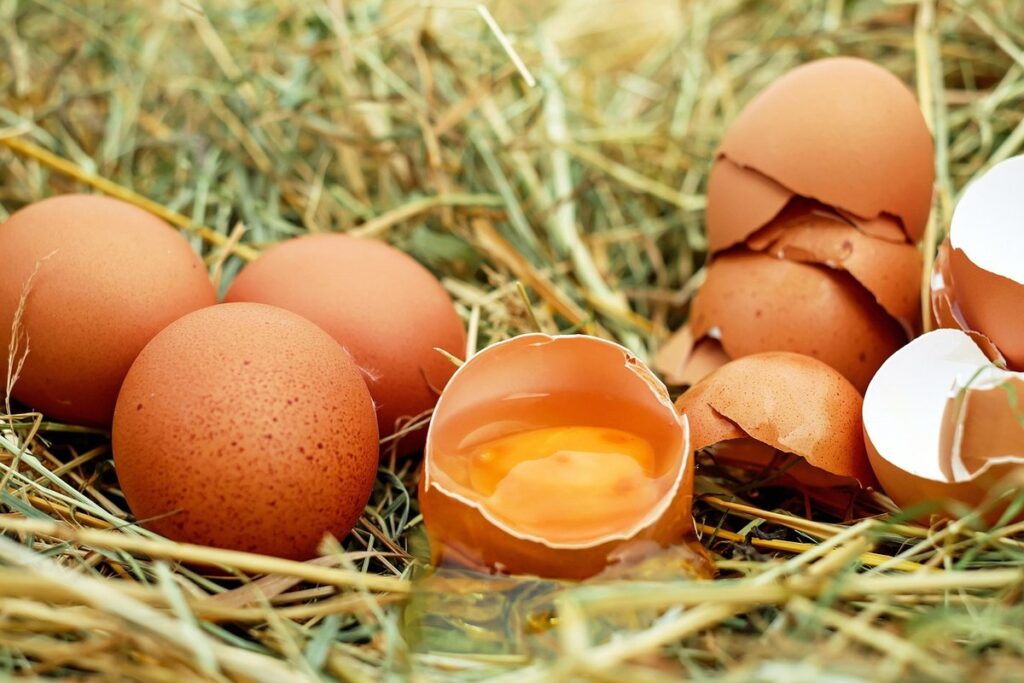
Benefits and Uses of Chicken Egg Yolks
Let’s dive into the amazing benefits and uses of chicken egg yolks, from cooking to skincare, where their nutritional power shines through. You’ll be surprised at how versatile they are!
Enhancing Baking and Cooking
When it comes to baking and cooking, chicken egg yolks are often overlooked as a rich source of nutrition and flavor. However, incorporating them into recipes can elevate the final product in terms of richness, moisture, and depth of flavor.
Egg yolks add a luxurious texture to baked goods like cakes, cookies, and pastries. They also enhance the color and browning of foods during the baking process. In addition, egg yolks contain lecithin, which helps to emulsify ingredients and create smooth, even textures in sauces and dressings.
To incorporate egg yolks into your recipes, start by replacing some or all of the butter or oil with egg yolks. For example, try using 1-2 egg yolks instead of a stick of butter in your favorite cookie recipe. You can also use egg yolks to enrich custards, puddings, and ice cream bases.
One of the simplest ways to add egg yolks to your baked goods is to whisk them with sugar and then fold them into other ingredients. This helps to distribute the egg yolks evenly and prevents lumps from forming. By incorporating chicken egg yolks into your recipes, you can create more complex, satisfying flavors that will leave a lasting impression on your family and friends.
Using Egg Yolks in Sauces and Dressings
Egg yolks are an excellent addition to many sauces and dressings due to their emulsifying properties. One of the most well-known uses for egg yolks is in making mayonnaise, a condiment that’s a staple in many cuisines worldwide. To make mayonnaise, you’ll need to slowly pour oil into a bowl containing egg yolks while continuously whisking the mixture. This slow incorporation of oil helps to stabilize the emulsion and prevents it from breaking.
Similarly, hollandaise sauce relies on egg yolks to create its rich, creamy texture. In this case, egg yolks are melted with butter and water to create a smooth, velvety sauce perfect for serving with asparagus or steamed fish. Another popular use for egg yolks is in vinaigrettes, where they add depth and richness to the dressing without overpowering the other flavors. When using egg yolks in dressings, it’s essential to balance their flavor with acidic ingredients like lemon juice or vinegar.
When working with egg yolks in sauces and dressings, it’s crucial to temper them correctly to avoid scrambling the eggs. To do this, slowly add a small amount of hot liquid to the egg yolks while whisking continuously, then gradually increase the temperature until the mixture is smooth and stable. This technique will help you achieve silky textures and prevent any unwanted curdling or separation in your sauces and dressings.
Egg Yolk Nutrition for Athletes and Bodybuilders
For athletes and bodybuilders looking to optimize their performance and physique, chicken egg yolks are an often-overlooked superfood. Rich in high-quality protein, vitamins, and minerals, egg yolks provide a valuable nutritional boost that can help support muscle recovery and growth.
The protein content of egg yolks is particularly noteworthy, with approximately 2-3 grams of protein per large yolk. This may not seem like a lot compared to other protein sources, but when combined with the other nutrients in egg yolks, it’s an impressive package. For example, egg yolks are also rich in branched-chain amino acids (BCAAs), which have been shown to stimulate muscle growth and recovery.
To reap the benefits of egg yolks for athletic performance, try incorporating them into your post-workout meal or snack. For instance, mix a tablespoon or two of egg yolk with some almond milk or fruit smoothie to create a quick and easy protein-rich drink. Alternatively, use egg yolks as an omelette filling or add them to your favorite recipe for a nutrient-dense boost. With their impressive nutritional profile and versatility in the kitchen, it’s no wonder egg yolks are becoming increasingly popular among athletes and bodybuilders seeking to optimize their performance.
The Science Behind Chicken Egg Yolks
Now that we’ve explored the nutritional benefits of egg yolks, let’s dive into the fascinating science behind their remarkable composition and functionality.
The Composition of Egg Yolks
Egg yolks are an exceptional source of essential nutrients, comprising a complex mix of proteins, lipids, vitamins, and minerals. The protein content is primarily made up of ovotransferrin (30-40%) and ovomucoid (15-20%), with smaller amounts of other proteins like lysozyme and ovoglobulin. These proteins play crucial roles in digestion, immune response, and nutrient absorption.
Egg yolks are also rich in lipids, containing approximately 30% fat by weight. This lipid fraction is primarily composed of phospholipids (70-80%), with smaller amounts of triglycerides and cholesterol. The high concentration of unsaturated fatty acids in egg yolk lipids contributes to their nutritional value.
In addition to proteins and lipids, egg yolks are an excellent source of various vitamins and minerals, including vitamin D, B12, iron, zinc, and selenium. Vitamin D is particularly noteworthy, as egg yolks can be a significant contributor to the recommended daily intake for this essential nutrient.
How Egg Yolk Nutrition Affects Human Health
Egg yolks are an excellent source of nutrients that can have a significant impact on human health. The high levels of vitamins A and E, as well as beta-carotene, found in egg yolks make them an essential component for maintaining healthy vision.
For cardiovascular health, the high levels of choline in egg yolks play a crucial role. Choline is converted into acetylcholine in the body, which helps to lower cholesterol levels by reducing the amount of LDL (bad) cholesterol produced in the liver. This can lead to a reduced risk of heart disease and stroke.
Egg yolks are also rich in omega-3 fatty acids, specifically DHA and EPA, which have been shown to improve cognitive function and may even help alleviate symptoms associated with depression and anxiety disorders. Furthermore, studies have found that consuming egg yolks regularly can reduce the risk of age-related macular degeneration by up to 35%.
Including a couple of eggs per week in your diet can be an effective way to reap these health benefits.
Preparing and Consuming Chicken Egg Yolks Safely
Before you start enjoying the health benefits of chicken egg yolks, it’s essential to handle them safely to avoid the risk of salmonella poisoning. Let’s walk through the safe preparation and consumption methods together.
Handling and Storage of Raw Egg Yolks
When it comes to reaping the nutritional benefits of chicken egg yolks, proper handling and storage are crucial to minimize the risk of salmonella poisoning. Raw egg yolks can be a breeding ground for bacteria if not handled correctly, which is why it’s essential to follow some simple guidelines.
To start with, always wash your hands thoroughly before and after handling raw eggs or egg yolks. This may seem obvious, but it’s an often-overlooked step that can make all the difference in preventing contamination. Make sure to use a mild soap and warm water, and scrub your hands for at least 20 seconds.
When cracking open an egg yolk, do so on a clean surface or a disposable plate to prevent cross-contamination. If you’re planning to use the egg yolks immediately, make sure they’re stored in a sealed container at a temperature of 40°F (4°C) or below. If not, it’s best to store them in the refrigerator at a consistent temperature of 40°F (4°C) or below.
When storing raw egg yolks, consider using an airtight container and keep them away from other foods that may be contaminated. Always check the eggs for any visible signs of damage before using them, such as cracks or broken shells. If in doubt, it’s always better to err on the side of caution and discard the egg yolk.
Cooking Methods for Egg Yolks
Cooking methods for egg yolks can elevate their nutritional value and enhance their taste. Boiling is one of the simplest ways to cook egg yolks. To achieve perfect doneness, place them in a single layer at the bottom of a saucepan, cover with water, and bring to a boil. Remove from heat, let sit for 3-5 minutes, then rinse under cold running water.
Frying is another popular method for cooking egg yolks. For perfectly cooked fried egg yolks, heat about an inch of oil in a skillet over medium-low heat. Carefully place the egg yolks in the hot oil and cook until the whites are set and the yolks are cooked to your desired doneness. Remove from the oil with a slotted spoon and drain on paper towels.
Poaching is also an excellent way to cook egg yolks, retaining most of their nutrients. Bring a pot of water to a simmer, crack in the egg yolk, and cook for 3-5 minutes or until set. Using a slotted spoon, carefully remove the poached egg yolk from the water.
Allergies and Intolerances Related to Chicken Egg Yolks
If you’re one of the many people who experience allergic reactions or intolerances after consuming chicken egg yolks, it’s essential to understand your specific needs and how they differ from a regular high-yolk diet. This section will explore common allergens and intolerances related to egg yolks.
Understanding Egg Yolk Allergy Symptoms
If you’re one of the unlucky individuals who experience an egg yolk allergy, it’s essential to recognize the symptoms and know how to manage them. An egg yolk allergy is an overreaction by the immune system to one or more proteins present in egg yolks. The most common symptom is a skin rash or hives, but you may also experience digestive issues such as diarrhea, stomach cramps, nausea, and vomiting.
Other symptoms can include swelling of the face, lips, tongue, or throat, and even anaphylaxis, a severe, life-threatening allergic reaction that requires immediate medical attention. If you suspect you have an egg yolk allergy, consult with your doctor to confirm the diagnosis through blood tests or elimination diet.
To manage symptoms, keep a food diary to track when reactions occur, and avoid consuming foods containing egg yolks altogether. Always read labels carefully, as hidden sources of egg yolks can be found in many products, such as baked goods, pasta sauces, and even some medications.
Egg Yolk vs. Lactose-Free Diets for People with Intolerance Issues
When it comes to managing intolerance issues, two popular dietary approaches are often considered: low-egg-yolk diets and lactose-free diets. While both may be beneficial for individuals with specific intolerances, they serve different purposes and cater to distinct needs.
For those with high levels of histamine in their body, a low-egg-yolk diet might be more suitable. This is because egg yolks are naturally high in histamine, which can exacerbate symptoms in sensitive individuals. In contrast, lactose-free diets focus on removing dairy products that contain lactose, a sugar found in milk.
However, if you’re an individual with both egg yolk intolerance and lactose intolerance, a low-egg-yolk diet might be more challenging to manage due to the limited availability of egg yolks as a protein source. On the other hand, incorporating lactose-free dairy products or alternatives can provide a more flexible and balanced approach.
It’s essential to note that both dietary approaches require careful planning and monitoring. If you’re considering either option, consult with a healthcare professional or registered dietitian to determine the best course of action for your specific needs. By making informed choices, you can enjoy the nutritional benefits of egg yolks while minimizing discomfort.
History and Cultural Significance of Chicken Egg Yolks
The rich history of chicken egg yolks goes far beyond their culinary uses, carrying significant cultural and symbolic meanings across various societies around the world. Let’s explore these fascinating traditions together.
Ancient Civilizations’ Use of Egg Yolks in Food
In ancient times, egg yolks were not only considered a delicacy but also a valuable source of nutrition and energy. Many civilizations revered eggs as a staple food, using them extensively in traditional cooking methods. In ancient China, for instance, eggs were boiled or steamed to make a nutritious breakfast dish called “zhà jiǎo”. This practice dates back over 2,000 years, where eggs were considered a symbol of fertility and good luck.
In ancient Greece and Rome, egg yolks were used as a thickening agent in sauces and soups. The Roman cookbook “De Re Coquinaria” even provides recipes using eggs to make a variety of dishes, including a sauce for meat called “moretum”. In many Eastern cultures, egg yolks were also used in traditional medicine, believed to have healing properties that could cure ailments such as fever and fatigue.
Incorporating egg yolks into your diet can be as simple as adding them to omelets or frittatas. For a more ancient-inspired approach, try using eggs as a thickening agent in homemade sauces or soups. When cooking with eggs, it’s essential to use high-quality, pasture-raised eggs that are rich in nutrients and flavor.
Traditional Dishes Featuring Egg Yolks from Around the World
From traditional French dishes to Japanese and Korean delicacies, chicken egg yolks have been a staple ingredient in many cuisines around the world for centuries. In this section, we’ll explore some of the most iconic and nutritious dishes that showcase the cultural significance of egg yolks.
One classic example is the French dish Coq au Vin, where braised chicken cooked in red wine is typically enriched with egg yolk to create a rich and creamy sauce. Similarly, Japanese Tamagoyaki – sweet rolled omelets often served at traditional tea ceremonies – rely heavily on the richness of egg yolks for their silky texture.
In Korea, a popular street food called Gyeran-jjim (steamed eggs) is made by beating egg yolks with salt and sesame oil to create a custard-like mixture that’s then steamed to perfection. These dishes not only highlight the versatility of chicken egg yolks but also underscore their importance in many traditional cuisines.
When incorporating egg yolks into your cooking, remember that they add a rich, creamy texture as well as a boost of protein and healthy fats. To use them effectively, start by beating them lightly with a fork or whisk before adding other ingredients to avoid over-mixing and creating a tough final product. By experimenting with these traditional recipes and embracing the cultural significance of egg yolks, you can unlock new flavors and textures in your cooking.
Frequently Asked Questions
What’s the best way to store chicken egg yolks for later use?
To maintain their nutritional value, store raw egg yolks in an airtight container in the refrigerator at a temperature of 40°F (4°C) or below. You can also freeze them for up to 6 months. When you’re ready to use them, thaw frozen egg yolks overnight in the fridge or thaw quickly by submerging the container in cold water.
Can I use chicken egg yolks as a substitute for other ingredients?
Yes, egg yolks are an excellent substitute for butter or oil in many recipes due to their rich texture and flavor. They’re also a good source of lecithin, making them a suitable replacement for emulsifiers like soy lecithin.
How do I incorporate chicken egg yolks into my fitness routine?
Incorporating chicken egg yolks into your diet can support muscle recovery after intense workouts due to their high protein and fat content. Consider adding them to your post-workout smoothie or omelette for a nutrient-rich snack that aids in muscle repair.
Can I use chicken egg yolks as a natural skincare ingredient?
Yes, egg yolks have been used as a natural moisturizer for centuries. The fatty acids present in egg yolks can help hydrate and nourish the skin, reducing the appearance of fine lines and wrinkles. Mix beaten egg yolk with honey or olive oil for an all-natural face mask.
How do I choose the right chicken egg yolks for my recipe?
When selecting egg yolks, look for those from pasture-raised hens as they tend to have a richer flavor and higher nutritional content compared to conventionally raised eggs. Consider the color of the yolk; a deep yellow or orange hue indicates better nutrition and quality.