
When it comes to sustainable gardening practices, using natural fertilizers is essential for maintaining healthy soil. Among the many options available, chicken manure fertilizer stands out as a highly effective and eco-friendly choice. Not only is it cost-effective compared to synthetic alternatives, but it also promotes improved soil health by providing essential nutrients. If you’re looking to ditch chemical-based fertilizers and adopt a more environmentally friendly approach, you’ve come to the right place! In this article, we’ll delve into the advantages of using chicken manure fertilizer, covering its benefits for your garden’s fertility, as well as safe handling and application practices to ensure you get the most out of it. By the end of this post, you’ll be equipped with the knowledge needed to make the switch to natural fertilizers and reap their rewards.
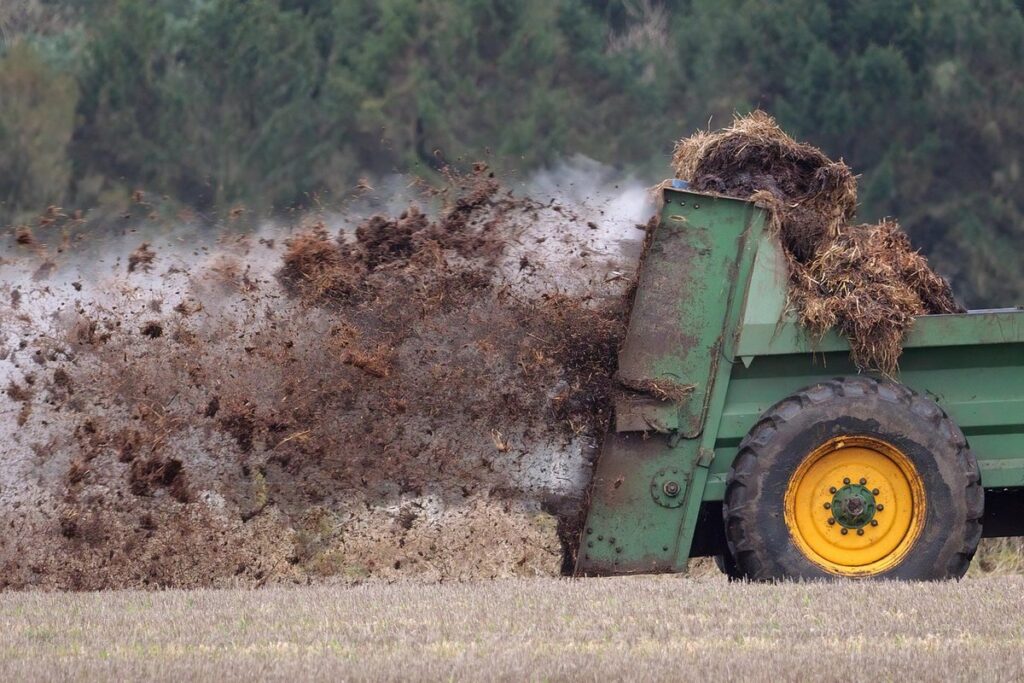
What is Chicken Manure Fertilizer?
So, you’re new to chicken manure fertilizer and want to know what it’s all about? This section will give you a clear understanding of its definition and how it’s made.
Characteristics of High-Quality Chicken Manure
High-quality chicken manure is essential for effective fertilizer use. When evaluating the suitability of chicken manure for fertilizer purposes, several key characteristics come into play. First and foremost, it’s crucial to consider the nitrogen content. The ideal manure should contain between 20-40% total solids, with a minimum of 2-3% nitrogen content on a dry matter basis.
Pathogen levels are also a critical factor to monitor. Chicken manure can be contaminated with pathogens like Salmonella and Campylobacter, which can pose health risks if not properly treated or managed. To minimize this risk, look for manure that has undergone adequate pasteurization or composting processes. Moisture content is another important consideration – optimal levels should range between 25-40% to prevent anaerobic conditions.
When selecting high-quality chicken manure, consider the origin and handling practices of the source material. Manure from free-range or pasture-raised birds tends to be higher in organic matter and beneficial microorganisms than that from conventionally raised birds. Proper storage and handling are also vital to maintaining the quality and safety of the manure.
Sources of Chicken Manure for Fertilizer Use
When it comes to utilizing chicken manure as fertilizer, you’ll first need to obtain a reliable source of this valuable resource. Fortunately, there are several options available for farmers and gardeners looking to incorporate chicken manure into their operations.
One potential source is local farms that raise chickens on-site. Many farms produce more manure than they can utilize themselves, making it an attractive option for nearby growers. You can reach out to these farms directly or visit agricultural extension offices in your area to inquire about potential sources.
Another option is poultry processing facilities, which often generate a significant amount of chicken manure as a byproduct of their operations. These facilities may offer this material at no cost or at a reduced rate to nearby farmers and gardeners, so it’s worth exploring these opportunities. Composting operations are also an excellent source, providing pre-processed manure that can be easily integrated into your fertilizer routine.
Before sourcing chicken manure from any of these locations, make sure to establish clear guidelines for collection, handling, and storage to ensure safe use in your garden or farm.
Benefits of Using Chicken Manure Fertilizer
Now that we’ve covered how to use chicken manure fertilizer effectively, let’s dive into its numerous benefits for your garden and crops. You’ll be surprised at how much of a difference it can make!
Nitrogen-Rich Soil Amendment
One of the most significant advantages of using chicken manure fertilizer is its high nitrogen content. Nitrogen is an essential nutrient for plant growth, and many soils lack sufficient levels to support optimal crop yields. Chicken manure’s high nitrogen levels can improve soil fertility and increase crop yields in several ways.
When incorporated into the soil, chicken manure releases nitrogen through a process called mineralization. This increases the available nitrogen pool, which is then taken up by plants as they grow. As a result, crops may exhibit improved coloration, texture, and overall health. Additionally, the increased nitrogen levels can promote healthy microbial activity in the soil, leading to better nutrient cycling and a more balanced ecosystem.
For optimal results, it’s essential to mix chicken manure into the soil at the right time. A general rule of thumb is to apply it 2-3 months before planting to allow for adequate decomposition and nutrient release. This will ensure that your crops receive the nitrogen they need to thrive without risking over-fertilization or environmental contamination. By incorporating chicken manure fertilizer into your rotation, you can enjoy improved crop yields and healthier soil – a win-win for both your farm’s productivity and the environment.
Other Nutrient Contributions
In addition to nitrogen, chicken manure fertilizer is a rich source of other essential micronutrients and macronutrients that are vital for plant growth. Phosphorus, for instance, is a crucial nutrient that promotes root development, flower formation, and fruit ripening. Chicken manure typically contains around 2-4% phosphorus, making it an excellent natural alternative to synthetic phosphorus-based fertilizers.
Potassium is another key macronutrient present in chicken manure fertilizer, playing a vital role in overall plant health by regulating water balance and aiding in the process of photosynthesis. The average potassium content in chicken manure can range from 1-2%. Calcium, an essential nutrient for cell wall development, is also abundant in chicken manure fertilizer, typically ranging between 0.5-1%.
Magnesium, a critical component of chlorophyll, is another micronutrient found in chicken manure fertilizer, with concentrations varying between 0.5-1%. To maximize the benefits of these nutrient contributions, it’s essential to ensure proper application rates and soil pH levels.
Cost-Effective Alternative to Synthetic Fertilizers
When it comes to fertilizing your crops, you’re likely weighing the pros and cons of using synthetic fertilizers versus natural alternatives. While synthetic fertilizers can be effective, they often come with a hefty price tag and environmental drawbacks. That’s where chicken manure fertilizer shines – as a cost-effective alternative that’s also better for the planet.
Not only is chicken manure fertilizer significantly cheaper than synthetic options, but it’s also readily available on many farms and in backyard coops. According to the United States Environmental Protection Agency (EPA), using composted chicken manure can reduce soil erosion by up to 50% and increase crop yields by as much as 25%. To put these numbers into perspective, let’s consider a small-scale farming operation: by switching from synthetic fertilizers to chicken manure fertilizer, a farmer could save around $1,000 per acre annually.
To incorporate chicken manure fertilizer into your rotation, start by collecting and composting the waste from your own flock. This not only reduces your environmental footprint but also provides a steady supply of nutrient-rich fertilizer for your crops. Simply spread 2-3 inches of composted chicken manure around the base of your plants, making sure to follow local guidelines for application rates.
Preparing Chicken Manure for Use as Fertilizer
Before you start using chicken manure fertilizer on your garden, it’s essential to properly prepare and process the manure to ensure maximum nutrient availability. This section guides you through that crucial step.
Composting Process
Composting is an essential step in preparing chicken manure for use as fertilizer. When not managed properly, chicken manure can contain pathogens like E. coli and Salmonella, which can pose health risks to both humans and the environment. Composting helps reduce these contaminants by breaking down organic matter through heat generation and microbial activity.
During composting, weed seeds are also destroyed, eliminating the risk of invasive plant species spreading in your garden or farm. This process is achieved through a combination of high temperatures (usually above 131°F) and the action of microorganisms like bacteria and fungi.
To get started with composting chicken manure, you’ll need to create a mix that’s rich in carbon sources, such as wood chips or straw, and add it to your pile. This will help regulate the temperature and ensure efficient decomposition. Regular monitoring of moisture levels and turning the pile periodically are also crucial for optimal results.
Pelletizing or Drying Methods
Turning loose chicken manure into pellets or dried form is an essential step in preparing it for use as fertilizer. This process not only makes storage and application easier but also increases the product’s marketability. There are several methods to achieve this, including pelletizing and drying.
Pelletizing involves compressing the manure into small pellets using a machine. The heat generated during this process kills weed seeds and pathogens, making it safer for use as fertilizer. However, it can be expensive and may not be suitable for large quantities of manure. A common issue with pelletizing is that if the moisture content is too high, the pellets will break apart.
Drying methods, on the other hand, involve using heat to evaporate excess moisture from the manure. This can be done using rotary dryers or fluid bed dryers. Drying reduces the weight and volume of the manure, making it easier to transport and store. The ideal drying temperature is between 100°F and 200°F (38°C and 93°C), as higher temperatures can damage the nutrient-rich compounds in the manure.
In practice, it’s essential to consider factors such as initial moisture content, equipment costs, and energy consumption when choosing a method for turning loose chicken manure into pellets or dried form. Additionally, proper equipment maintenance and operation are crucial to ensure efficient processing and prevent clogging issues.
Safety Precautions for Handling Chicken Manure Fertilizer
When handling chicken manure fertilizer, it’s crucial to take necessary precautions to avoid exposure and potential health risks. This section will outline essential safety guidelines to follow.
Pathogen Reduction
When handling chicken manure fertilizer, it’s essential to minimize pathogens like Salmonella, E. coli, and Campylobacter that can be present. These bacteria can cause serious health issues in humans and animals alike.
To reduce the risk of pathogen transmission, start by ensuring you’re working with a reputable supplier who provides properly composted manure. Look for products that have undergone heat treatment or pasteurization to kill off pathogens. Some commercial chicken manure fertilizers are treated with UV light or other forms of irradiation to eliminate bacteria and viruses.
When handling the fertilizer itself, always wear protective gear like gloves and a face mask to prevent skin contact and inhalation of pathogens. Wash your hands thoroughly after use, and clean any equipment with soap and water. Regularly disinfecting tools and storage areas can also help prevent cross-contamination.
It’s also crucial to follow proper storage and handling procedures for the fertilizer. Keep it away from direct sunlight and heat sources, as this can activate dormant pathogens. Always store it in a well-ventilated area, and consider using a container with a tight-fitting lid to minimize dust and bacteria dispersal.
Personal Protective Equipment (PPE)
When handling raw or composted chicken manure, it’s essential to take necessary precautions to prevent illness and injury. Personal Protective Equipment (PPE) plays a crucial role in safeguarding your health.
You should wear protective gear at all times when working with chicken manure fertilizer, even if you’re just composting it. Gloves are a must-have item as they prevent direct contact between your skin and the manure. Opt for heavy-duty gloves made from materials like nitrile or latex that can withstand the rigors of handling raw manure.
Eye protection is also vital to shield against potential pathogens, ammonia fumes, and other airborne contaminants. Wear goggles or safety glasses with a splash guard to prevent liquids from entering your eyes. A face mask or respirator is equally important to filter out harmful particles and gases.
Remember, PPE is not just about protecting yourself; it’s also about preventing the spread of diseases like E. coli and Salmonella. Always choose gear that fits properly and replace it regularly to ensure effectiveness.
Application Guidelines for Chicken Manure Fertilizer
To ensure safe and effective use of chicken manure fertilizer, follow these crucial application guidelines to get the most out of its benefits. Start by reading through these essential steps carefully.
Soil Type Considerations
When using chicken manure fertilizer on your land, it’s essential to consider the soil type you’re working with. Different soils have varying levels of nitrogen, phosphorus, and potassium, which can impact how effectively they absorb nutrients from the fertilizer.
If you’re working with clay soils, for example, you may need to adjust the application rate of chicken manure fertilizer because these soils tend to retain water and can become waterlogged easily. This can lead to an overabundance of nitrogen in the soil, potentially causing harm to plants. On the other hand, sandy soils have a low ability to retain nutrients and water, requiring more frequent applications of chicken manure fertilizer to achieve desired results.
In areas with alkaline soils, you may also need to consider the pH level when applying chicken manure fertilizer. Manure can raise soil pH levels, which can be detrimental to plants in high-pH environments. Conversely, acidic soils require a balanced application of chicken manure fertilizer to avoid over-acidifying the soil.
When working with different soil types, it’s crucial to monitor nutrient levels and adjust applications accordingly. Regular soil tests will help you determine optimal fertilizer rates and ensure your crops are receiving the nutrients they need without causing harm to the ecosystem. By taking these factors into consideration, you can maximize the benefits of chicken manure fertilizer while minimizing potential drawbacks.
Crop Selection and Timing
When it comes to selecting crops that benefit from chicken manure fertilizer, it’s essential to choose those with high nutrient requirements. Leafy greens like lettuce and spinach thrive when fed a diet rich in nitrogen, phosphorus, and potassium – all key components found in chicken manure.
Vegetables such as tomatoes and peppers also reap the rewards of using this natural fertilizer. Their dense fruiting structures require ample nutrients to produce optimal yields. For example, a study conducted by the University of California, Davis demonstrated that tomato plants grown with composted chicken manure showed significant increases in fruit production compared to those grown without it.
In terms of timing, apply chicken manure fertilizer at key growth stages: seedling establishment, vegetative growth, and fruiting/flowering. For example, during the seedling stage, a light application of 1-2 pounds per 100 square feet can provide essential micronutrients for root development. As plants transition to vegetative growth, apply a moderate amount of 5-10 pounds per 100 square feet every 4-6 weeks.
Case Studies and Success Stories
Let’s take a closer look at how farms just like yours are successfully incorporating chicken manure fertilizer into their operations, achieving impressive results.
Examples of Successful Chicken Manure Fertilizer Use
Farmers around the world have successfully incorporated chicken manure fertilizer into their practices to improve crop yields and reduce environmental impact. For instance, a small-scale farmer in rural Kenya used chicken manure to increase tomato production by 30% without any additional water or fertilizer inputs. The farmer applied a layer of composted chicken manure at planting time, followed by regular top-dressing throughout the growing season.
In another example, a large-scale agricultural operation in the United States reduced their phosphorus and nitrogen waste output by using chicken manure as a natural fertilizer. By incorporating the nutrient-rich manure into their rotation schedule, they were able to cut back on chemical fertilizers and achieve comparable yields. This approach not only saved them money but also helped minimize environmental pollution.
Gardeners too have benefited from using chicken manure fertilizer. One successful urban gardener in Canada reported a 25% increase in lettuce yield after applying composted chicken manure to her soil. She noted that the rich nitrogen content in the manure also helped retain moisture and suppress weeds, reducing water consumption and labor required for weeding.
By adopting similar strategies, farmers and gardeners can experience comparable benefits while minimizing their environmental footprint.
Lessons Learned and Recommendations
Based on our case studies, it’s clear that successful implementation of chicken manure fertilizer requires careful planning and attention to detail. One key takeaway is the importance of proper storage and handling to prevent contamination and maintain nutrient quality.
For instance, a farm in rural Iowa reduced their fertilizer costs by 30% after switching to an anaerobic digestion system for manure management. However, they also emphasized the need for rigorous safety protocols due to the potential health risks associated with pathogen-laden manure.
To apply these lessons in your own operation, consider the following recommendations:
* Regularly monitor and maintain proper storage facilities for manure to prevent contamination
* Develop a comprehensive safety plan that includes training for staff on handling and applying chicken manure fertilizer
* Consider investing in an anaerobic digestion system or other methods for manure management to increase efficiency and reduce costs
By prioritizing these best practices, you can unlock the full potential of chicken manure as a valuable fertilizer resource.
Frequently Asked Questions
Can I use chicken manure fertilizer for indoor plants?
Yes, you can use chicken manure fertilizer for indoor plants, but be cautious with the concentration to avoid burning the roots. Start by diluting it according to the recommended ratio and monitor your plant’s response.
How long does it take for chicken manure fertilizer to show its effects on soil health?
The time frame for noticeable improvements in soil health using chicken manure fertilizer can vary depending on factors like soil type, climate, and application frequency. Generally, you may start seeing benefits within 1-3 months of regular use.
Can I mix chicken manure fertilizer with other natural fertilizers?
Yes, combining chicken manure fertilizer with other natural options like compost or worm castings can create a balanced blend for optimal soil fertility. Just ensure to adjust the application rates according to each product’s guidelines and your specific needs.
How do I store chicken manure fertilizer to maintain its effectiveness?
Proper storage is crucial to preserve the potency of chicken manure fertilizer. Store it in a dry, well-ventilated area away from direct sunlight and heat sources. If you plan to use it within a few months, keep it covered to prevent moisture accumulation.
What are some potential drawbacks or challenges associated with using chicken manure fertilizer?
One common challenge is managing odors when handling large quantities of chicken manure fertilizer. Wear Personal Protective Equipment (PPE) like gloves and masks to minimize exposure risks. Additionally, ensure proper pathogen reduction through composting or other recommended methods before application.