
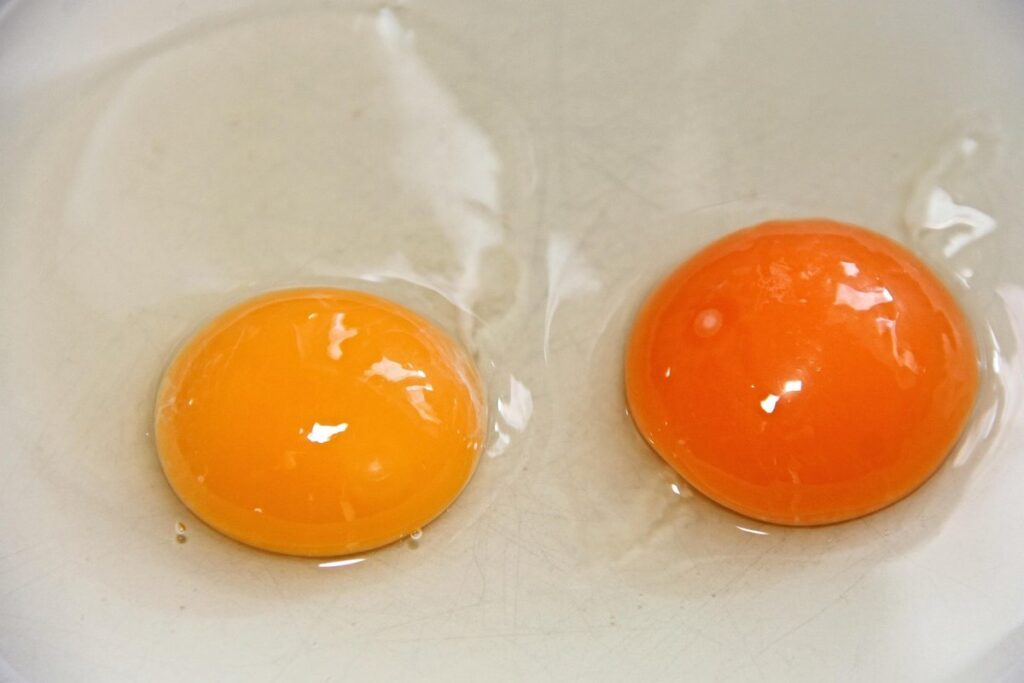
If you’ve ever cracked open an egg only to find that its yolks are a vibrant shade of orange, you’re not alone. Orange egg yolks have been gaining attention in recent years due to their unique nutritional profile and potential health benefits. But what exactly causes this striking color change, and is it something worth getting excited about? In this article, we’ll delve into the world of orange egg yolks, exploring their association with improved heart health and brain function. We’ll also discuss some creative cooking methods that can help you incorporate these nutrient-rich eggs into your diet safely and effectively. Whether you’re a health enthusiast or simply curious about the science behind orange egg yolks, this guide has got you covered.
What Are Orange Egg Yolks?
You might be wondering what exactly orange egg yolks are and how they’re different from regular egg yolks. Let’s dive into the basics of these vibrant yolks!
Definition and History
Orange egg yolks owe their distinct color to a pigment called xanthophyll, specifically zeaxanthin and lutein. These carotenoids are derived from the marigold flower feed given to chickens by some farmers. The result is a yolk that’s not only visually striking but also packed with nutrients.
The orange tint of these egg yolks has sparked debate among chefs and consumers alike, with some viewing it as an imperfection. However, many experts argue that this unique characteristic indicates higher levels of antioxidants like zeaxanthin and lutein. These compounds are known to have potential health benefits, including reducing the risk of age-related macular degeneration and cataracts.
When choosing orange egg yolks, look for those from hens raised on pasture or fed marigold-based feed. This will ensure you’re getting a product rich in carotenoids. Keep in mind that not all orange egg yolks are created equal; the quality can vary depending on farming practices and diet. Always check with your local farmers or suppliers to learn more about their production methods.
Incorporating orange egg yolks into your diet may have additional benefits, such as improved eye health and boosted immune function. However, it’s essential to note that more research is needed to fully understand the effects of these carotenoids on human health.
Why Do Some Eggs Have Orange Yolks?
When you crack open an egg and notice its vibrant orange yolk, you might wonder what factors contribute to this distinct coloration. The truth is, the color of an egg yolk has more to do with what the chicken eats than anything else.
Chickens that are fed a diet rich in carotenoids, pigments found in plants like marigolds and alfalfa, will produce eggs with orange or yellow yolks. This is because these pigments are transferred from the feed to the yolk during egg production. In fact, studies have shown that feeding chickens a diet supplemented with marigold petals can increase the levels of beta-carotene in their eggs by up to 400%.
Not only do diet and breed affect the color of an egg yolk, but also the way it’s produced. Factory-farmed eggs may come from hens that are not given access to pasture or sunlight, resulting in paler yolks. On the other hand, free-range or pasture-raised eggs often contain more nutrients due to the varied diet and lifestyle of the chickens.
If you’re looking to get your hands on eggs with orange yolks, consider shopping at a local farmers’ market or searching for “pasture-raised” or “free-range” options.
Nutritional Content of Orange Egg Yolks
Let’s take a closer look at what makes orange egg yolks so nutritious: they’re packed with vitamins, minerals, and antioxidants that offer numerous health benefits.
Increased Lutein and Zeaxanthin Levels
Orange egg yolks are rich in lutein and zeaxanthin, two essential carotenoids that have gained significant attention for their potential health benefits. These antioxidants play a crucial role in protecting the eyes from damage caused by blue light, which is emitted from digital screens and can lead to age-related macular degeneration (AMD). With higher levels of lutein and zeaxanthin in orange egg yolks, consumers can potentially reduce their risk of developing AMD.
Studies have shown that individuals who consume high amounts of lutein and zeaxanthin are less likely to experience vision loss due to AMD. In fact, one study found that eating foods rich in these carotenoids reduced the risk of AMD by up to 35%. To maximize the benefits, it’s recommended to consume orange egg yolks as part of a balanced diet that includes other lutein and zeaxanthin-rich foods such as leafy greens and corn. Aim to eat at least two orange egg yolks per week to reap the rewards of these incredible antioxidants.
Higher Omega-3 Fatty Acid Content
Orange egg yolks are not only rich in protein and vitamins but also contain higher levels of omega-3 fatty acids compared to regular egg yolks. This unique characteristic makes them an attractive option for consumers who follow a plant-based diet or have high cholesterol levels. The increased omega-3 content in orange egg yolks can help support heart health by reducing inflammation and improving blood lipid profiles.
Consumers who are vegan or lacto-ovo vegetarian can now enjoy the benefits of omega-3 fatty acids without having to rely on supplements or fortified plant-based milk products. A study published in the Journal of Agricultural and Food Chemistry found that orange egg yolks contain a higher amount of docosahexaenoic acid (DHA), an essential omega-3 fatty acid, compared to conventional eggs.
To incorporate orange egg yolks into your diet, you can try adding them to salads or using them as a topping for whole-grain toast. For those with high cholesterol levels, it is recommended to consult with a healthcare professional before making any significant changes to their diet. By incorporating more omega-3 rich foods like orange egg yolks, individuals can take the first step towards achieving better cardiovascular health and brain function.
Cooking with Orange Egg Yolks
In this special section, we’ll dive into the exciting world of cooking with orange egg yolks, exploring their unique flavor and uses in various dishes. Get inspired by these creative recipes!
Preparation Methods
When it comes to cooking with orange egg yolks, preparation is key. You can start by boiling them for 6-8 minutes or poaching them in simmering water for 5-7 minutes. This gentle heat will help preserve the rich, creamy texture of the yolk.
If you prefer a crisper texture, you can try frying the orange egg yolks in a skillet with some oil until they’re golden brown. Just be sure to cook them at medium-low heat and stir frequently to prevent breaking. To make an omelet, beat the orange egg yolk with a fork until it’s smooth, then add your desired fillings and fold the eggs over.
To minimize the risk of breaking the yolk while cooking, try cracking it into a separate bowl or ramekin first. This will give you more control when adding the yolk to your dish. You can also use a slotted spoon to carefully remove the cooked egg from the water or oil.
Some other tips for working with orange egg yolks include using room temperature ingredients and avoiding overmixing, which can cause the eggs to become tough and rubbery. With practice, you’ll get the hang of cooking with these vibrant, nutritious eggs.
Recipes Featuring Orange Egg Yolks
When working with orange egg yolks, it’s essential to showcase their unique flavor and texture. One of our favorite recipes is a breakfast burrito that combines the richness of orange yolk with spicy chorizo sausage and crispy potatoes. To make this dish, start by cooking diced chorizo in a skillet until browned, then add diced potatoes and cook until crispy. Next, scramble the orange egg yolks and fold them into tortillas along with the cooked chorizo mixture.
Another great way to incorporate orange egg yolks is in a salad dressing recipe. This vinaigrette features a tangy combination of orange yolk, red wine vinegar, and Dijon mustard, making it perfect for adding a rich and creamy element to green salads. Simply whisk together equal parts olive oil and orange yolk until smooth, then add the red wine vinegar, Dijon mustard, salt, and pepper.
You can also try using orange egg yolks in a creamy pasta sauce by combining them with grated Parmesan cheese and a sprinkle of nutmeg. This indulgent sauce is sure to elevate any pasta dish.
Potential Health Risks
While orange egg yolks are generally considered safe for consumption, there are some potential health risks to be aware of when using them in your recipes. These concerns include allergic reactions and interactions with certain medications.
High Cholesterol Levels
Consuming high levels of cholesterol from orange egg yolks can be a concern for some individuals. Cholesterol is a type of fat found in egg yolks, and while it’s essential for various bodily functions, excessive intake can lead to health issues.
According to the American Heart Association, consuming more than 300 milligrams of dietary cholesterol per day may increase your risk of heart disease. Since orange egg yolks contain about 2-3 times the amount of cholesterol as regular egg yolks, moderation is key.
To balance egg consumption with a balanced diet, it’s essential to consider overall nutritional intake rather than focusing solely on egg yolk cholesterol levels. Include a variety of low-fat or fat-free foods in your meals and snacks, such as fruits, vegetables, lean proteins, and whole grains.
For instance, pair orange egg yolks with oatmeal, fruit, or vegetables to create a well-rounded breakfast. Limiting portion sizes is also crucial – for example, use one or two orange egg yolks per omelette rather than adding three or four.
When consuming eggs regularly, it’s best to choose egg whites as a leaner protein source and reserve egg yolks for occasional, small portions. By incorporating these practices into your diet, you can enjoy the benefits of orange egg yolks while minimizing potential risks associated with excessive cholesterol intake.
Salmonella Risk and Safety Precautions
While orange egg yolks have numerous benefits, it’s essential to acknowledge one of the potential risks associated with eggs: Salmonella contamination. According to the Centers for Disease Control and Prevention (CDC), approximately 1 in 20,000 eggs produced in the US contains Salmonella. This risk is present even in eggs from healthy hens.
To minimize this risk when handling orange egg yolks, follow proper storage and cooking practices:
• Always store your eggs in a cool, dry place away from direct sunlight.
• Wash your hands thoroughly before and after handling eggs.
• Cook your eggs until the yolks reach an internal temperature of at least 160°F (71°C). This can be achieved by boiling or frying your orange egg yolks for 3-4 minutes.
When cooking with orange egg yolks, ensure you cook them to a safe internal temperature to avoid any potential health risks. If you’re unsure about the safety of your eggs, consider purchasing from a local farm or producer that follows strict food safety guidelines.
Buying and Storing Orange Egg Yolks
When purchasing orange egg yolks, it’s essential to consider freshness, packaging, and storage methods to preserve their nutritional value and quality. Proper handling and storage will also extend their shelf life.
Where to Buy Orange Eggs
If you’re interested in incorporating orange egg yolks into your cooking repertoire, you’ll want to know where to find them. Online retailers are a great option for those who can’t locate local sources. Amazon and specialty food websites like Thrive Market often carry a variety of artisanal egg products, including orange yolk eggs.
For those with access to local farmers’ markets or specialty grocery stores, this is an excellent place to search. Many small-scale farms now produce eggs with vibrant yolks due to their commitment to sustainable and regenerative farming practices. Look for vendors who explicitly mention “orange” or “marbled” egg yolks in their product descriptions.
Some popular chains that may carry orange egg yolk products include Whole Foods, Trader Joe’s, and Bristol Farms. When shopping at these stores, don’t hesitate to ask the staff if they carry or can order orange egg yolks for you. You can also check with local co-ops or health food stores in your area as they often source products from nearby farms.
Additionally, consider joining a community-supported agriculture (CSA) program or looking into online directories like Local Harvest to find farmers who sell directly to consumers. This can be an excellent way to connect with local producers and ensure that you’re getting the freshest possible product.
Storage and Handling Instructions
When it comes to storing orange egg yolks, proper handling and storage are crucial to maintaining their quality and safety. First, make sure you store them in the coldest part of your refrigerator, usually the bottom shelf. The ideal temperature for refrigerating orange egg yolks is between 32°F (0°C) and 40°F (4°C). This will help slow down the growth of bacteria and other microorganisms that can cause spoilage.
It’s also essential to maintain a humidity level between 50% and 60%. You can achieve this by storing them in an airtight container or wrap them tightly in plastic wrap. This will prevent moisture from accumulating and causing the yolks to break down.
When storing large quantities, consider dividing them into smaller portions (about 1-2 ounces each) and freezing them in airtight containers or freezer bags. Frozen orange egg yolks can be stored for up to three months. Always label the container with the date and contents, so you can easily keep track of how long they’ve been stored.
Frequently Asked Questions
Can I feed orange egg yolks to my family, especially children, without worrying about their health?
Yes! Orange egg yolks are a rich source of antioxidants, including lutein and zeaxanthin, which can help protect vision and brain function. However, as with any food item, consume them in moderation. Children can safely eat orange eggs as part of a balanced diet.
How do I know if the orange egg yolk is safe to eat?
Look for eggs from reputable sources that follow proper handling and storage procedures. Make sure the eggs are stored at 40°F (4°C) or below, and always wash your hands before and after handling eggs. This will minimize the risk of salmonella contamination.
Can I use orange egg yolks in baked goods, such as cakes and cookies?
Orange egg yolks can be used in baked goods, but keep in mind that their stronger flavor might alter the taste of the final product. Start by substituting a small amount (about 25%) of regular eggs with orange egg yolks to achieve the desired balance of flavors.
How do I incorporate orange egg yolks into my cooking routine without breaking the bank?
To make orange egg yolks more affordable, consider buying them in bulk or joining a local community-supported agriculture (CSA) program that sources eggs from farmers who use marigold flower feed. This will help you access these nutrient-rich eggs at a lower cost.
What if I’m lactose intolerant? Can I still enjoy orange egg yolks with my favorite recipes?
Orange egg yolks are naturally lactose-free, making them an excellent option for those with lactose intolerance. Feel free to experiment with your favorite recipes and pair the orange egg yolks with non-dairy alternatives like almond milk or coconut cream for a delicious and dairy-free treat.