
Are you tired of worrying about your flock’s health and well-being? As any chicken keeper knows, maintaining a healthy and happy flock is a top priority. One often-overlooked tool in the fight against common chicken ailments is apple cider vinegar. Not only can it provide digestive support for chickens, but it may also boost their immune systems, keeping them strong and resistant to disease. In this article, we’ll explore the potential benefits of using apple cider vinegar in your chicken care routine, including how to use it safely and effectively. We’ll cover the best ways to incorporate ACV into your flock’s diet, from adding it to their water to using it as a topical treatment for scratches and wounds. By the end of this article, you’ll be well on your way to creating a healthier, happier flock with the help of apple cider vinegar!
Introduction to Apple Cider Vinegar for Chickens
If you’re new to using apple cider vinegar for your flock, let’s start with the basics: what it is and why it’s beneficial for chickens in the first place. We’ll cover the fundamentals here.
Brief Overview of Apple Cider Vinegar’s History and Use in Animal Care
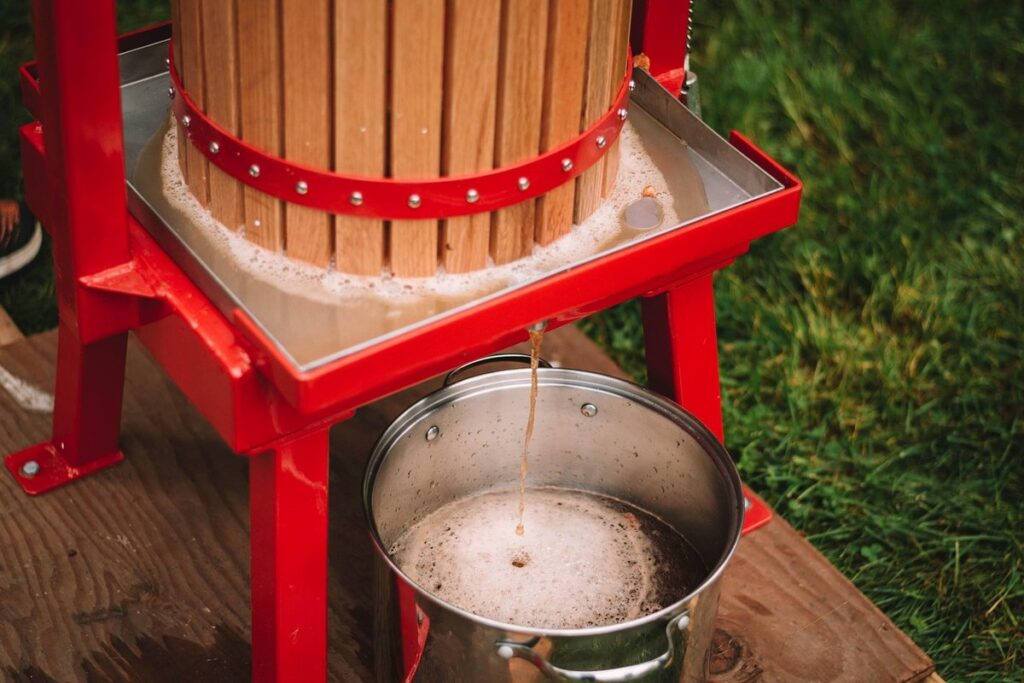
Apple cider vinegar has been a staple in natural remedies for centuries, and its use extends far beyond human health benefits. Its origins date back to ancient civilizations, where it was used as a preservative and medicinal agent. The process of fermenting apple cider to create vinegar is believed to have originated in Europe during the Roman Empire.
Today, apple cider vinegar is widely recognized as a natural remedy for various ailments, from digestive issues to skin conditions. Its adoption in animal care is not surprising, given its numerous health benefits. Many chicken keepers swear by the use of apple cider vinegar in their flock’s water or feed, citing improvements in egg production, reduced stress levels, and improved overall health.
As a natural antimicrobial agent, apple cider vinegar can help combat internal parasites and bacteria that may affect your chickens’ health. It is also believed to promote gut health, which is essential for a strong immune system in birds. If you’re considering adding apple cider vinegar to your flock’s care routine, start by diluting it with water (about 1 tablespoon per gallon of water) and observe any changes in their behavior or egg production.
Understanding the Potential Benefits of Apple Cider Vinegar for Chickens
When it comes to using apple cider vinegar for chickens, many backyard chicken keepers swear by its potential health benefits. One of the key advantages is its antimicrobial properties, which can help combat bacterial and fungal infections that can spread through a flock. Apple cider vinegar contains acetic acid, a natural preservative that can inhibit the growth of unwanted pathogens.
Some chicken owners also claim that apple cider vinegar has digestive benefits for their birds. By adding it to their water or feed, they believe it helps regulate gut health and reduce issues like diarrhea and constipation. This is likely due to its ability to balance pH levels in the digestive tract.
Other claimed advantages include a boost to the immune system, improved egg quality, and even reduced stress in chickens. While these benefits are largely anecdotal, some studies suggest that certain compounds found in apple cider vinegar may indeed have a positive impact on poultry health.
Preparing Apple Cider Vinegar for Your Flock
To safely and effectively use apple cider vinegar for your chickens, you’ll first need to prepare it by mixing it with water according to specific guidelines. This step is crucial to prevent any adverse reactions in your flock.
How to Dilute Apple Cider Vinegar for Safe Use in Chicken Water or Feed
When it comes to incorporating apple cider vinegar into your flock’s routine, dilution is key to ensuring their safety. You’ll want to start by selecting a high-quality, raw ACV that contains the mother – a cloudy substance made up of beneficial bacteria and yeast.
To dilute your ACV correctly, aim for a ratio of 1-2 tablespoons per gallon of water or feed. For example, you can mix 1 tablespoon of ACV with 4 cups of water to create a solution for their drinking water. Alternatively, you can add the recommended amount to their feed once daily.
If your flock has sensitive stomachs or is prone to digestive issues, start by introducing a small amount (about 5-7% dilution) and gradually increase as needed. Always monitor their behavior and adjust accordingly. Remember, consistency is key – use this diluted solution consistently in their water or feed for the best results.
Tips for Adding Apple Cider Vinegar to Your Chickens’ Diet
When adding apple cider vinegar to your chickens’ diet, it’s essential to do so safely and effectively. Start by incorporating a small amount into their feed, around 1-2 teaspoons per gallon of water. This will allow you to monitor their reaction and adjust the dosage as needed.
Mixing ACV with their food can be done in various ways, such as adding it to their layer feed or mixing it with their probiotics. A common practice is to add one tablespoon of ACV to a cup of warm water, creating an ACV solution that’s then mixed into their feed.
Some chicken owners also choose to create a “flock tonic” by combining ACV with other natural ingredients like garlic and ginger. When introducing ACV to your flock, make sure to do so gradually, allowing them time to adjust to the new addition.
Health Benefits of Apple Cider Vinegar for Chickens
Adding apple cider vinegar to your chickens’ diet can have numerous health benefits, from supporting digestive health to boosting their immune systems naturally. Let’s explore these advantages in more detail.
Digestive Health: Using Apple Cider Vinegar to Support Gut Bacteria Balance
Consuming apple cider vinegar has been touted as a way to support digestive health in humans, but did you know it may also benefit chickens’ gut bacteria balance? Research suggests that ACV can have a positive impact on the microorganisms living in a chicken’s digestive tract. A study published in the Journal of Applied Poultry Research found that adding ACV to a chicken’s drinking water increased the presence of beneficial Lactobacillus and Bifidobacterium bacteria, while decreasing the levels of pathogenic bacteria.
Incorporating apple cider vinegar into your flock’s diet may help alleviate issues such as diarrhea, constipation, or digestive upset. To reap these benefits, mix 1-2 tablespoons of ACV with a gallon of water and offer it to your chickens as a treat or add it to their drinking water. However, be sure not to overdo it – excessive consumption can have adverse effects.
Some chicken owners report improved overall health and reduced reliance on antibiotics when using apple cider vinegar in this manner. As always, monitor your flock’s response and adjust accordingly to ensure optimal health.
Immune System Boost: How Apple Cider Vinegar May Enhance Chicken Health
Research suggests that apple cider vinegar (ACV) may have immune-boosting effects on chickens. For instance, a study published in the Journal of Applied Poultry Research found that adding ACV to chicken feed reduced stress and improved overall health in broiler chickens. The study’s authors attributed these benefits to the antimicrobial properties of ACV, which helped protect against pathogens.
Additionally, many backyard chicken enthusiasts swear by using ACV to boost their flock’s immunity. Some claim that regular administration of ACV helps prevent respiratory infections, while others report a decrease in parasite infestations. While more research is needed to confirm these findings, incorporating ACV into your chickens’ diet may be worth considering.
To incorporate ACV into your flock’s regimen, start by mixing 1-2 tablespoons per gallon of water in their drinking fountain. You can also add it directly to their feed or use it as a topical treatment for skin issues. Just remember to dilute the ACV with water first, as undiluted vinegar can be harsh on chickens’ digestive systems.
External Uses of Apple Cider Vinegar for Your Flock
When it comes to using apple cider vinegar for your flock, there are several external uses that can benefit your chickens’ overall health and well-being. Let’s explore these beneficial applications together!
Cleaning and Disinfecting with Apple Cider Vinegar for a Healthy Environment
When it comes to maintaining a healthy environment for your flock, cleaning and disinfecting the coop and run is crucial. Apple cider vinegar can be a natural and effective cleaning agent to help reduce bacterial load and promote cleanliness. To use apple cider vinegar as a cleaning agent, mix 1 part ACV with 9 parts water in a spray bottle. Spray the solution onto surfaces, let it sit for a few minutes, then rinse thoroughly.
This mixture is gentle yet effective against many types of bacteria and fungi that can accumulate in your coop and run. For tougher stains or areas with heavy buildup, you can use a stronger ratio of ACV to water (1:5 or 1:3). Always spot test the solution on a small area first to ensure it doesn’t damage any surfaces.
It’s also essential to note that apple cider vinegar is not a substitute for proper cleaning and maintenance. Regularly clean all surfaces, change bedding, and remove waste to maintain a healthy environment for your chickens. By incorporating ACV into your cleaning routine, you can create a cleaner, healthier space for your flock to thrive.
Pest Control and Parasite Prevention Using Apple Cider Vinegar
When it comes to managing pests, parasites, and other external health issues affecting your chickens, apple cider vinegar can be a valuable tool. One of the most effective uses of ACV for pest control is as a spray to deter mites and lice. Mix one part ACV with four parts water in a spray bottle and spray it directly on your chickens’ feathers, paying particular attention to areas around the vent and neck.
Another use for apple cider vinegar is as a foot soak to treat fungal infections and prevent cracked feet. Simply mix 1/4 cup of ACV with warm water and have your chickens soak their feet for about 10-15 minutes, once or twice a week. Regular use can help keep their feet healthy and strong.
In addition to these uses, you can also add apple cider vinegar to your chickens’ drinking water at a rate of 1 tablespoon per gallon to help maintain a healthy internal pH balance. This can aid in digestion and potentially reduce the risk of parasites like worms.
Common Misconceptions About Using Apple Cider Vinegar for Chickens
You might have heard that apple cider vinegar is a magic cure-all for your flock, but are some of these claims really true? Let’s debunk some common misconceptions about using ACV with chickens.
Debunking Popular Myths and Misinformation Online
When it comes to using apple cider vinegar for chickens, there are several popular myths and misinformation circulating online. One of the most common misconceptions is that adding ACV to their water will cure all health issues in chickens. In reality, this practice has no scientific backing and may even do more harm than good.
Another myth is that using apple cider vinegar as a substitute for commercial feed or supplements can improve egg production. While some chicken keepers claim to have seen improvements, there’s no concrete evidence to support these claims. In fact, relying solely on ACV can lead to nutritional deficiencies in your flock.
Some sources also recommend mixing ACV with water and using it as a disinfectant for coop surfaces or feeders. However, this method has its own set of drawbacks – excessive use can lead to acidity levels that are detrimental to chicken health. Always ensure you’re following the right dilution ratios and taking necessary precautions when using ACV in your chicken care routine.
It’s essential to separate fact from fiction and consult reputable sources before adopting any new practices for your flock.
Adverse Effects and Precautions to Avoid When Administering Apple Cider Vinegar
While apple cider vinegar can be beneficial for chickens, it’s essential to acknowledge potential adverse effects and take necessary precautions. Administering ACV too frequently or in excessive amounts can lead to digestive issues, such as diarrhea, vomiting, or even electrolyte imbalances.
Prolonged consumption of undiluted ACV may cause damage to your flock’s liver and kidneys due to its acidity. This highlights the importance of proper dilution – always mix 1-2 tablespoons with a gallon of water. Introducing ACV too rapidly can also lead to stress on their digestive systems, causing temporary discomfort.
To minimize risks, it’s crucial to start with small quantities (about 1 teaspoon per bird) and gradually increase as needed, monitoring your flock’s response closely. Additionally, be cautious when feeding ACV to chicks or pullets, as their sensitive digestive systems may require even more gentle introduction.
Always prioritize the health and well-being of your chickens by introducing ACV in moderation and under close observation.
Conclusion: Balancing Traditional Care with Natural Remedies for Your Flock
In conclusion, incorporating apple cider vinegar into your flock’s care routine can be a wonderful way to promote overall health and well-being. However, it’s essential to remember that traditional care methods should still remain the foundation of their treatment plan. Don’t replace all medication or treatments with ACV – instead, use it as an additional tool in conjunction with established practices. For instance, if your flock is experiencing a minor issue like scaly legs, try soaking them in a diluted solution of apple cider vinegar first before resorting to more intense measures. By striking this balance between natural remedies and traditional care, you can create a harmonious and healthy environment for your chickens to thrive.
Frequently Asked Questions
Can I use apple cider vinegar for chickens with a sensitive stomach?
If your flock members have sensitive stomachs, it’s essential to start with small amounts (about 1-2% dilution) and gradually increase the concentration as needed. Monitor their behavior and adjust accordingly. Some chicken owners also find that adding a probiotic supplement alongside ACV can help alleviate digestive issues.
What are some signs of apple cider vinegar overdose in chickens?
Yes, if your flock is exposed to excessive amounts of undiluted ACV (more than 5% concentration), you may observe symptoms such as lethargy, labored breathing, or even seizures. Immediately dilute the water and reduce feeding for a few days before reintroducing normal diet.
Can I use apple cider vinegar for chickens with mites or lice?
Apple cider vinegar can be used topically to help repel external parasites like mites and lice. Mix 1 part ACV with 2 parts water in a spray bottle, then apply it directly on affected areas. However, note that this method is not a substitute for regular parasite control measures.
Is apple cider vinegar safe for chicks under six weeks old?
No, for chicks under six weeks old, it’s recommended to delay introducing ACV into their diet until they’re about eight weeks old. This allows them to develop a robust immune system and minimize potential risks associated with new substances in their environment.
How often should I replace the apple cider vinegar in my flock’s water?
Replace the apple cider vinegar in your chickens’ water every 3-5 days or as needed, depending on factors like temperature, humidity, and bird activity. This ensures optimal effectiveness while minimizing bacterial growth risks.